
Introduction
Growth mindset picture books are illustrated stories that help children, and often adults, build resilience, perseverance, curiosity, and a positive attitude toward learning. Instead of teaching a simple moral lesson, these books show characters working through mistakes, setbacks, and challenges to develop new skills. A growth mindset is the belief that abilities improve through effort, practice, and learning rather than staying fixed from birth. Picture books are especially effective for teaching this concept because they combine storytelling, illustration, and emotional connection in a format young readers can absorb easily. This article covers recommended books for different age groups, how to choose high-quality titles, and practical ways to use them at home and in the classroom.
Quick Summary
- Growth mindset picture books help children understand that abilities improve through effort, practice, and learning from mistakes.
- Different books are suited to toddlers, elementary students, older children, and even adults.
- Choosing age-appropriate stories makes growth mindset lessons easier to understand and remember.
- Parents and educators can reinforce growth mindset through discussions and everyday activities inspired by these books.
What Are Growth Mindset Picture Books?
Growth mindset picture books are illustrated stories built around characters who face a challenge, struggle, and eventually improve through effort rather than natural talent. They differ from typical children’s books because the story arc centers on the process of learning, not just a happy ending.
Understanding the Growth Mindset Concept
A growth mindset is the belief that intelligence, talent, and skill can be developed over time through dedication and practice. This concept, developed through decades of educational psychology research, stands in contrast to a fixed mindset, the belief that abilities are static traits a person either has or doesn’t have.
In a growth mindset picture book, a character typically fails at something first, feels frustrated, and then improves through repeated effort. Common growth mindset examples include a child learning to ride a bike after multiple falls, a student struggling with math before finding a strategy that works, or an artist redoing a drawing several times before feeling satisfied. These stories model the idea that struggle is a normal, even necessary, part of learning rather than a sign of failure.
Why Picture Books Are Effective for Teaching Growth Mindset
Picture books are effective for teaching a growth mindset because they combine visual storytelling with emotional engagement, making abstract ideas like persistence and resilience concrete and memorable for young readers. Illustrations allow children to see facial expressions, body language, and visual metaphors for struggle and progress, which strengthens comprehension and emotional connection.
Relatable characters also give children a low-stakes way to process failure. Watching a character work through a setback lets a child rehearse how they might respond to their own challenges without the personal risk of failing themselves.
- Visual learning
- Emotional connection
- Real-life problem solving
- Encourages discussion
- Builds confidence
Benefits of Reading Growth Mindset Picture Book
Growth mindset picture books offer benefits that extend beyond a single reading session. Repeated exposure to these stories can shape how children interpret setbacks and approach new challenges over time.
Supporting Emotional and Social Development
These books support several areas of emotional and social growth, including:
- Confidence — children see that effort leads to improvement, which builds self-belief.
- Persistence — characters model continuing after failure instead of quitting.
- Handling mistakes — stories normalize errors as part of learning.
- Self-awareness — children reflect on their own reactions to difficulty.
- Empathy — readers relate to characters’ frustration and celebrate their progress.
Developing Positive Learning Habits
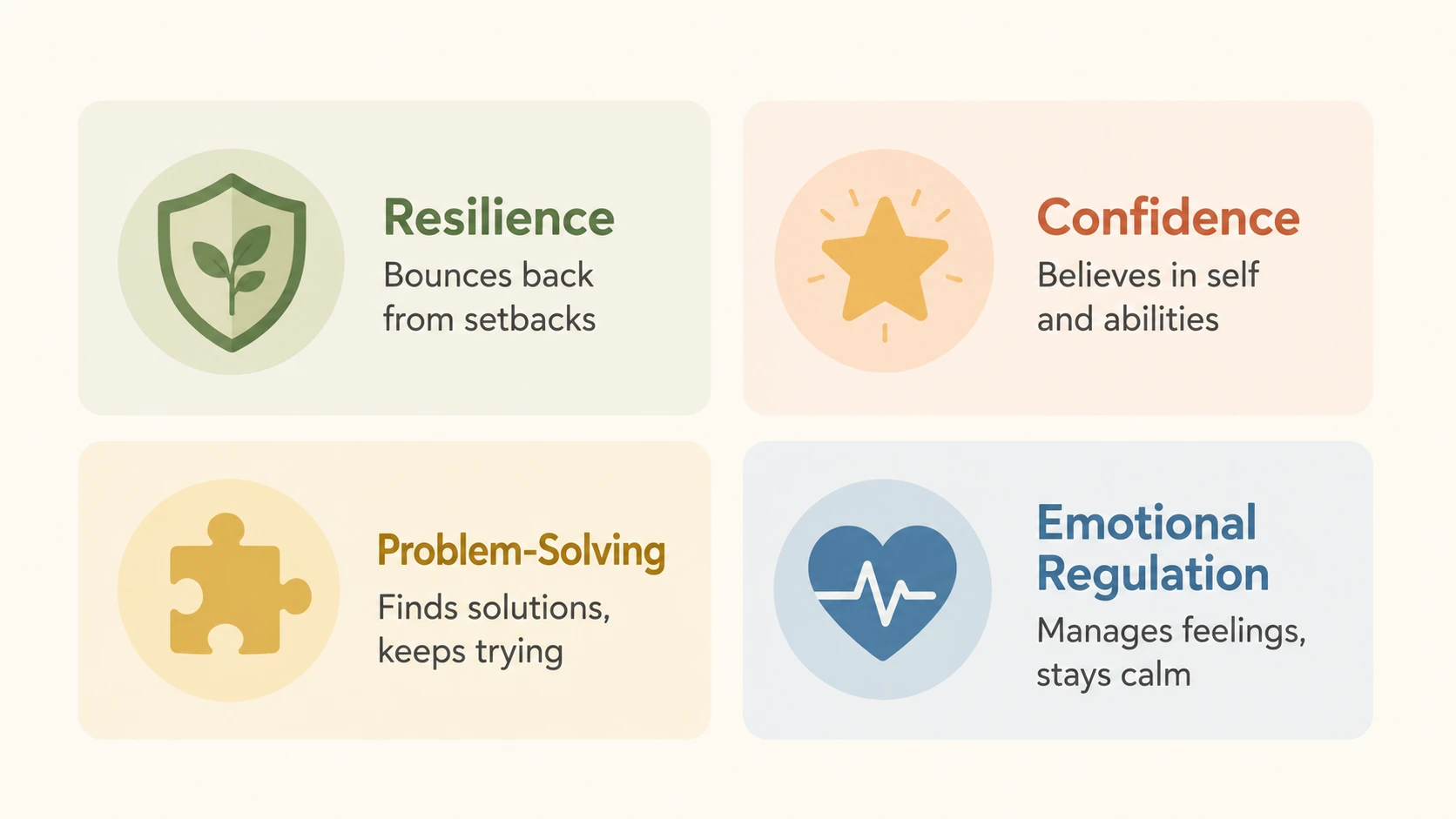
Beyond emotional growth, growth mindset picture books encourage practical learning habits, including a love of learning, stronger problem-solving skills, creativity, curiosity, and early goal-setting behavior. In our experience helping readers build better habits, children who regularly encounter these themes in stories are more likely to apply persistence-based language (“I can’t do this yet“) when facing real academic or social challenges.
| Skill Developed | How Picture Books Help |
|---|---|
| Resilience | Characters overcome setbacks |
| Confidence | Celebrates effort |
| Problem-solving | Demonstrates persistence |
| Emotional regulation | Models healthy responses |
Best Growth Mindset Picture Books for Different Age Groups
Introduction
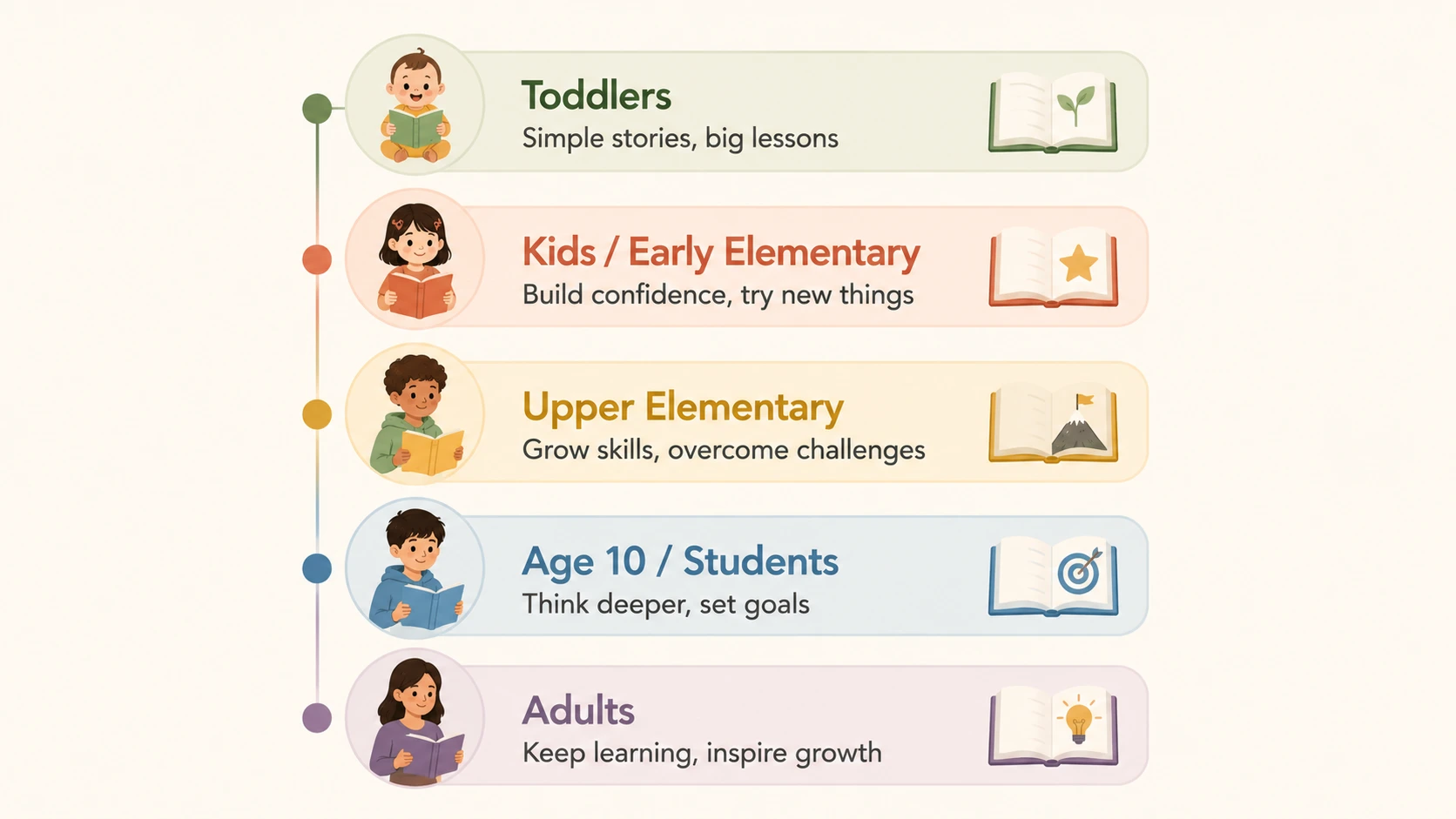
Choosing growth mindset picture books that match a reader’s developmental stage makes the lesson easier to understand and retain. Below is a breakdown by age and reading level.
Best Growth Mindset Picture Books for Toddlers
Growth mindset picture books for toddlers work best when they use simple language, repetition, and large, expressive illustrations. At this age, children respond to rhythm and predictable patterns more than complex plots, so the best titles use short sentences and a repeated phrase or action (such as “try again”) that toddlers can anticipate and eventually repeat themselves.
Growth Mindset Picture Books for Kids
For preschool, kindergarten, and early elementary readers, growth mindset picture books for kids typically introduce a clearer story structure: a character wants something, struggles to get it, and finds a strategy to succeed. These books often include simple problem-solving scenarios, such as learning a new skill or working through a disagreement with a friend, that mirror situations kids encounter at school. For a broader list of titles suited to this stage, see our full roundup of growth mindset books for kids
Growth Mindset Picture Books for Upper Elementary
As children move into upper elementary grades, growth mindset picture books for upper elementary readers introduce more complex themes and fuller character development. Plots may involve longer-term goals, peer relationships, or academic pressure, and characters often show more nuanced emotional responses, giving readers a more sophisticated model of resilience than titles designed for younger children.
Growth Mindset Books for 10-Year-Olds
Growth mindset books for 10 year old often mark the transition from picture books to illustrated chapter books. At this stage, readers can handle more advanced life lessons, including topics like handling failure in competitive settings, managing self-doubt, or balancing effort with realistic expectations, while still benefiting from supporting illustrations.
Growth Mindset Books for Students
Growth mindset books for students are frequently used in classroom settings, independent reading programs, homework reflection activities, and school counseling sessions. Educators often select these titles specifically because they open discussion around effort, mistakes, and self-improvement in a format that fits naturally into literacy or social-emotional learning (SEL) instruction.
Growth Mindset Picture Books for Adults
Growth mindset picture books for adults and growth mindset books for adults are increasingly used by educators, parents, coaches, and adult learners. While the illustrations and pacing remain simple, the underlying concepts, reframing failure, embracing effort, and building resilience, apply directly to adult goals like career development, parenting, or personal habit change. Many adults use these books as quick, visual reminders of principles they want to model for the children in their lives.
How to Choose the Best Growth Mindset Picture Books
Not every book labeled “inspirational” teaches an authentic growth mindset. Selecting the best growth mindset picture books requires looking past the marketing description and evaluating the actual story structure. If you’re building a wider home or classroom library, our guide to the best growth mindset books covers additional titles beyond picture books, including options for older readers.
Features to Look For
High-quality growth mindset picture books typically include:
- Authentic challenges the character must genuinely work through
- Positive role models who demonstrate effort rather than natural talent
- Age-appropriate language matched to the reader’s comprehension level
- Meaningful illustrations that reinforce emotional and narrative content
- Practical lessons readers can apply to their own lives
Signs of High-Quality Growth Mindset Stories
Picture books to teach growth mindset should show realistic character growth rather than an instant transformation. Strong titles balance messaging so effort is rewarded without implying that success is guaranteed or that struggle is only worthwhile if it ends in perfection. The best growth mindset picture books encourage reflection over performance, prompting readers to think about their own effort rather than simply admiring the character’s outcome.
- Relatable characters
- Problem-solving
- Positive endings
- Reflection opportunities
- Discussion prompts
How Parents and Teachers Can Use Growth Mindset Picture Books
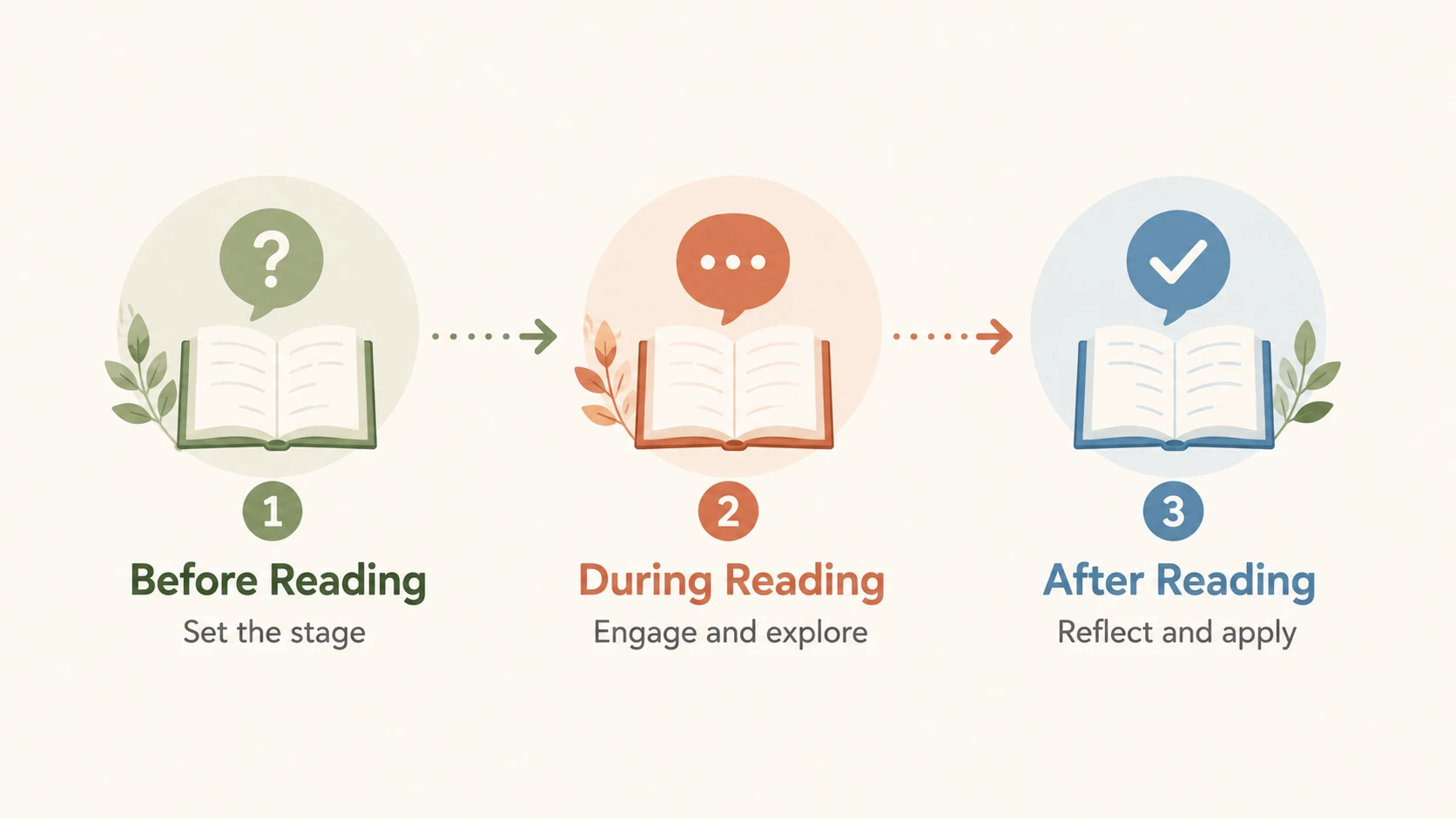
Reading a growth mindset picture book is most effective when paired with intentional discussion before, during, and after the story.
Before Reading
Ask prediction questions about what the character might struggle with, and activate prior knowledge by asking children to recall a time they faced a similar challenge.
During Reading
Pause at key moments to discuss what the character is feeling, identify the specific challenge they’re facing, and encourage critical thinking about what the character might try next.
After Reading
Extend the lesson through reflection activities, simple goal-setting exercises, and conversations that connect the story to the reader’s own life.
- Discussion questions
- Drawing activities
- Journaling
- Role playing
- Classroom projects
Growth Mindset Picture Books vs Traditional Moral Stories
Growth mindset picture books differ from traditional moral stories in both focus and intent. Traditional moral stories typically teach a clear lesson about right and wrong behavior, while growth mindset books emphasize the learning process itself, regardless of whether the outcome is a moral success or failure.
| Growth Mindset Books | Traditional Moral Stories |
|---|---|
| Focus on effort | Focus on behavior |
| Encourage persistence | Teach right vs wrong |
| Celebrate learning | Emphasize outcomes |
| Promote resilience | Promote obedience |
Common Mistakes When Teaching Growth Mindset Through Picture Books
Even well-intentioned adults can undermine growth mindset lessons through a few common missteps.
Praising Talent Instead of Effort
Praising a child for being “smart” or “talented” reinforces a fixed mindset by suggesting ability is innate. Praising effort, strategy, and persistence instead reinforces the idea that skill develops through practice.
Expecting Immediate Behavioral Changes
Growth mindset learning happens gradually. One story is unlikely to change how a child responds to failure overnight; consistent exposure and reinforcement over weeks and months produces more lasting change.
Skipping Reflection Activities
Reading a story without discussion limits its impact. Reflection through conversation, journaling, or drawing helps children connect the story’s lesson to their own experiences, which is where the retention actually happens.
Beginners often make additional missteps, such as choosing books that are too advanced for the reader’s comprehension level, over-explaining the lesson instead of letting the story speak for itself, or expecting classroom read-alouds alone to shift behavior without follow-up practice at home.
Frequently Used Growth Mindset Examples in Picture Books
Certain narrative patterns appear repeatedly across growth mindset picture books because they reliably illustrate the concept in age-appropriate ways.
Characters Who Learn from Mistakes
Many stories center on everyday learning situations, such as a character spilling paint, misreading directions, or losing a game, and then adjusting their approach based on what went wrong.
Stories About Persistence
Persistence-themed stories typically follow a character overcoming repeated failure, such as falling off a bike or losing a competition, and trying again with a modified strategy until they succeed.
Building Confidence Through Practice
Some growth mindset examples focus less on failure and more on steady improvement, showing a character practicing a skill over time and gradually building confidence, reinforcing the idea that improvement matters more than immediate perfection.
Related Concepts That Strengthen Growth Mindset Learning
Understanding related concepts helps parents and educators reinforce growth mindset lessons beyond the pages of a single book.
Growth Mindset vs Fixed Mindset
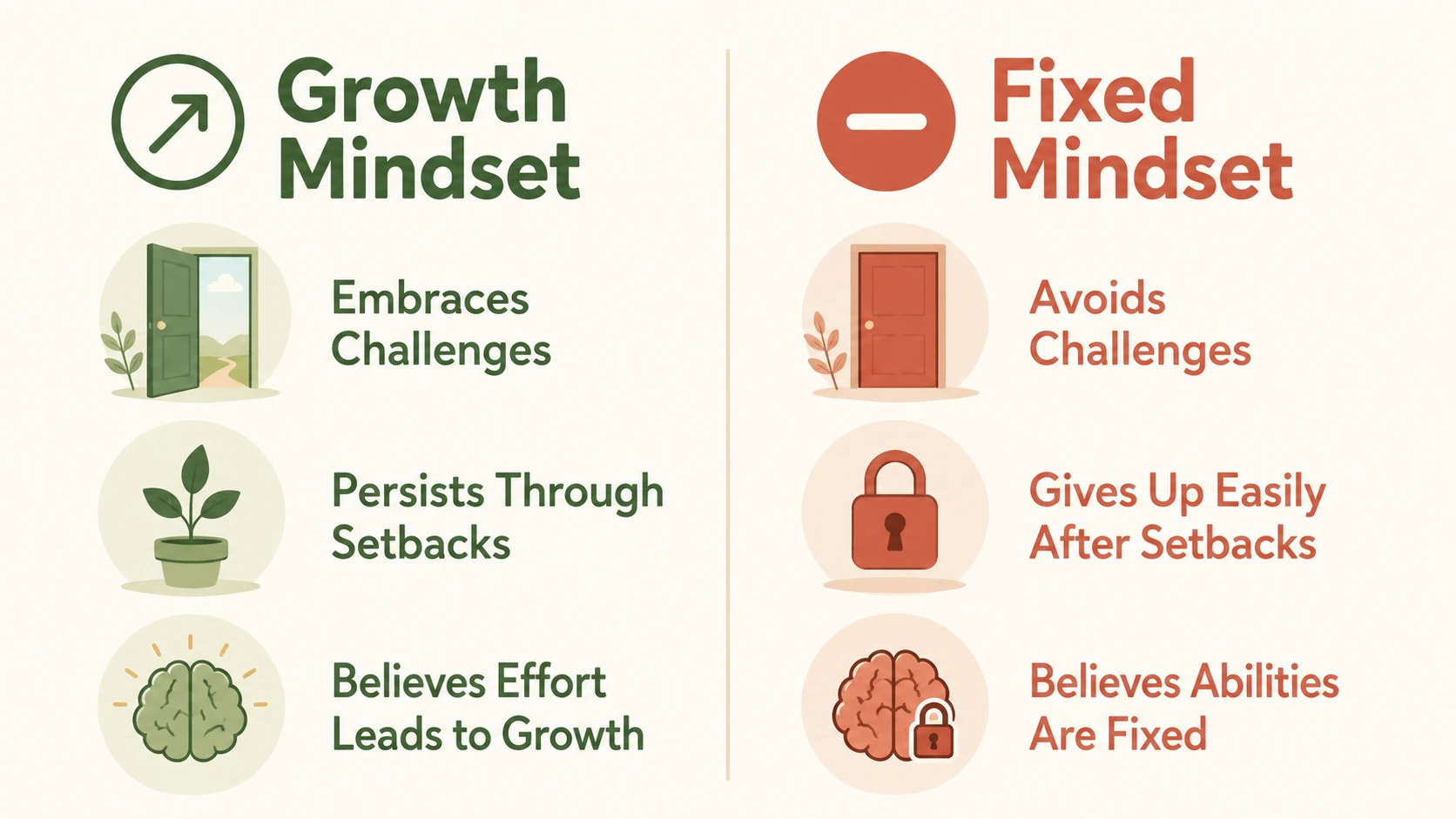
A growth mindset and fixed mindset represent two opposite ways of thinking about ability. A visual comparison chart or diagram can help children quickly grasp the distinction between the two mindsets.
| Growth Mindset | Fixed Mindset |
|---|---|
| Learns from mistakes | Avoids challenges |
| Embraces effort | Gives up easily |
| Seeks improvement | Fears failure |
Inspirational Growth Mindset Quotes
A growth mindset quote is a short, memorable statement that reinforces the core idea that abilities develop through effort. Your Daily Thrive recommends using a relevant quote as a brief discussion prompt right after finishing a book, since a short takeaway phrase can help reinforce the story’s lesson well after the reading session ends.
Growth Mindset Across Different Learning Environments
Growth mindset picture books can be used consistently across multiple settings to reinforce the same core lessons.
At Home
Consistent reading routines and family discussions about effort and mistakes help normalize growth mindset language in everyday conversation.
In Classrooms
Teachers frequently incorporate growth mindset picture books into literacy lessons, social-emotional learning (SEL) programs, and small-group activities designed to build resilience alongside academic skills.
Libraries and Reading Programs
Community resources such as library book clubs and seasonal reading challenges offer additional opportunities for children to engage with growth mindset stories outside the home or classroom.
Conclusion
Growth mindset picture books give children and other learners a concrete, story-based way to understand that abilities grow through effort, practice, and learning from mistakes rather than staying fixed. Selecting age-appropriate titles, from simple, repetitive stories for toddlers to more nuanced narratives for upper elementary readers and adults, makes these lessons easier to absorb and apply. Books alone, however, are only part of the process: pairing reading with intentional before-, during-, and after-reading discussion, along with reflection activities and consistent reinforcement at home, in classrooms, and in community settings, is what turns a good story into a lasting habit. Consistent reading and reflection, applied over time, is what ultimately strengthens a genuine growth mindset in readers of any age.
Frequently Asked Questions
What are growth mindset picture books?
Growth mindset picture books are illustrated stories in which characters work through mistakes and setbacks to build new skills, teaching readers that abilities improve through effort and practice rather than staying fixed. Understanding why growth mindset is important helps explain why these books have become a go-to tool for parents and educators alike.
Why are picture books effective for teaching a growth mindset?
Picture books combine illustration and storytelling to make abstract concepts like persistence and resilience concrete, giving children relatable characters whose struggles and progress are easy to understand and emotionally connect with.
What age is best for introducing growth mindset picture books?
Growth mindset picture books can be introduced as early as toddlerhood using simple, repetitive stories, with more complex titles appropriate for elementary-age readers and beyond as comprehension and emotional understanding develop.
How can parents use growth mindset picture books at home?
Parents can use these books by discussing predictions before reading, pausing to talk about the character’s feelings during reading, and following up with reflection activities like journaling or goal-setting after the story ends.
What should teachers look for when selecting growth mindset books?
Teachers should look for authentic challenges, positive effort-based role models, age-appropriate language, meaningful illustrations, and stories that encourage reflection rather than simply celebrating a perfect outcome.
What’s the difference between a growth mindset and a fixed mindset?
A growth mindset is the belief that abilities improve through effort and practice, while a fixed mindset is the belief that abilities are static traits that cannot meaningfully change.
Can adults benefit from growth mindset picture books?
Yes, adults such as parents, educators, and coaches often use growth mindset picture books as quick, visual reminders of resilience and effort-based thinking that can apply to their own personal or professional goals.