
Introduction
Growth mindset books for kids are children’s books designed to help young readers understand that abilities, intelligence, and skills can improve through effort, learning, practice, and persistence. These books use age-appropriate stories and characters to teach children how to approach challenges, learn from mistakes, and develop resilience. Research in educational psychology, including the work of psychologist Carol Dweck, highlights how beliefs about learning can influence motivation and achievement. Growth mindset children’s books provide a practical way for parents and educators to introduce these ideas through meaningful reading experiences.
By Your Daily Thrive | Self-Improvement & Personal Growth Expert
Last Updated: June 2026
Quick Summary
- Growth mindset books for kids teach children that abilities can develop through practice, effort, and effective learning strategies.
- The best growth mindset children’s books use relatable characters and challenges to demonstrate resilience and problem-solving.
- Different age groups benefit from different formats, including picture books, classroom resources, and student-focused reading materials.
- Parents and teachers can strengthen the impact of these books by discussing lessons and connecting stories to real-life situations.
What Is a Growth Mindset Book for Kids?
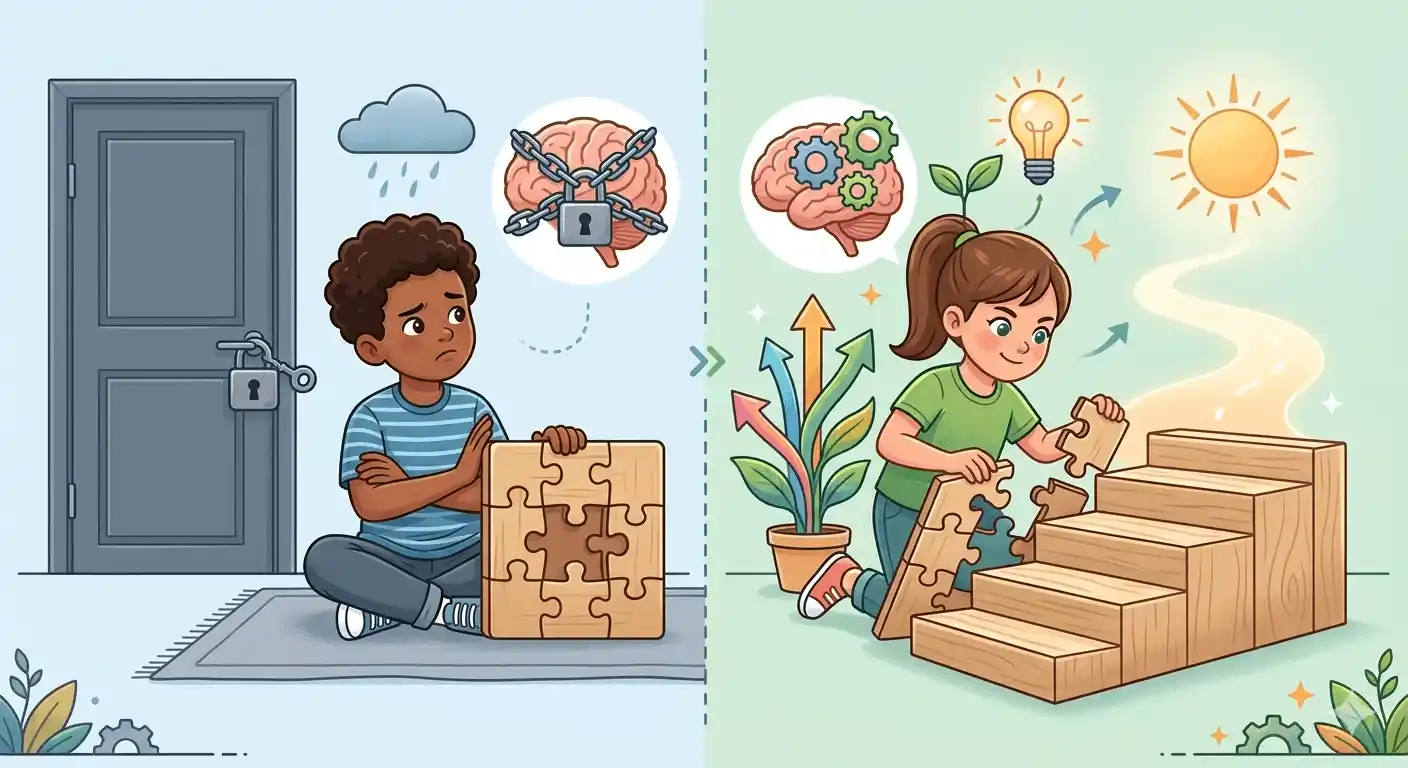
A growth mindset book for kids is a children’s book that teaches the idea that skills and abilities are not fixed but can improve through learning, effort, feedback, and persistence. These books help children understand that struggling with something does not mean they cannot succeed; it means they are still developing.
The concept is based on the psychological framework of growth mindset, which contrasts with a fixed mindset. A fixed mindset views abilities as permanent traits, while a growth mindset focuses on improvement through experience and intentional practice.
Understanding the foundation of this concept can help parents and educators recognize why growth mindset is important when supporting children’s learning, confidence, and resilience.
Growth mindset books commonly include themes such as:
- Trying again after failure
- Learning from mistakes
- Developing new skills
- Accepting challenges
- Using feedback to improve
- Building confidence through progress
A strong growth mindset story does not simply tell children to “work harder.” Instead, effective books show how effort combined with strategies, support, and reflection leads to improvement.
The Core Ideas Taught Through Growth Mindset Stories
Growth mindset story books often use characters who face realistic challenges. The purpose is to help children see learning as a process rather than a test of natural ability.
Common lessons include:
- Mistakes are part of learning: Children learn that errors provide information about what to improve.
- Progress matters more than perfection: Small improvements build confidence over time.
- Challenges create opportunities: Difficult tasks can develop new abilities.
- Persistence requires strategies: Trying the same approach repeatedly is not always enough; children learn to adapt.
In our experience helping readers develop healthier learning habits, books work best when children are encouraged to discuss what a character learned rather than only focusing on the final outcome.
How Growth Mindset Books Differ From Regular Children’s Books
Many children’s books teach kindness, creativity, or imagination. Growth mindset children’s books have an additional focus: they intentionally teach beliefs and behaviors connected to learning.
A growth mindset book usually includes:
- A character facing a challenge
- A process of improvement
- A moment of reflection or discovery
- A lesson about effort, learning, or resilience
These books can become practical tools for developing emotional skills alongside reading ability.
Why Growth Mindset Books Are Important for Children
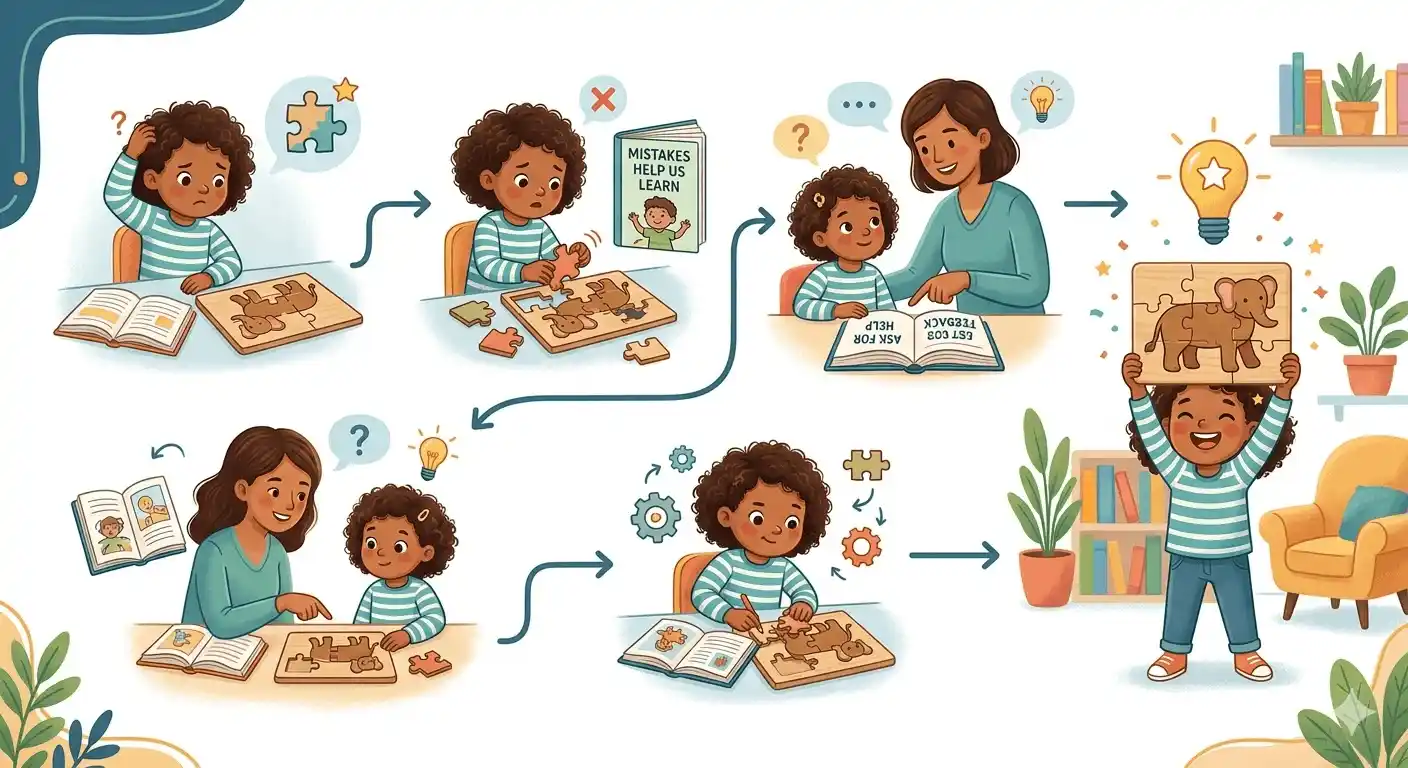
Growth mindset books are important because they help children develop healthier attitudes toward challenges, learning, and personal improvement. When children believe they can improve, they are more likely to attempt difficult tasks and respond positively to feedback.
Educational psychology shows that motivation is influenced by how people interpret difficulty. Children who see challenges as opportunities for growth are more likely to persist compared with children who view difficulty as evidence of inability.
Your Daily Thrive recommends using growth mindset books as conversation starters rather than expecting a single book to transform behavior. Lasting mindset development happens through repeated experiences, supportive feedback, and consistent encouragement.
How These Books Help Children Handle Mistakes and Challenges
Many children naturally avoid situations where they might fail. Growth mindset stories help normalize mistakes by showing characters who experience setbacks and continue learning.
Parents can also reinforce these lessons outside of reading time by using positive phrases and growth mindset affirmations that encourage persistence and learning.
These books can help children:
- Understand that mistakes provide learning opportunities
- Develop emotional resilience
- Reduce fear of trying new activities
- Practice problem-solving skills
- Become more comfortable with gradual improvement
For example, a child reading about a character who struggles to learn a new skill may begin to see their own challenges differently.
Benefits for Learning, School, and Personal Development
Growth mindset books for students can support learning environments by reinforcing positive academic behaviors.
Potential benefits include:
- Greater willingness to attempt difficult assignments
- Improved response to constructive feedback
- Stronger confidence during learning
- Increased persistence with challenging subjects
Teachers often use these books alongside classroom discussions about goals, effort, and learning strategies.
Types of Growth Mindset Books for Kids by Age Group
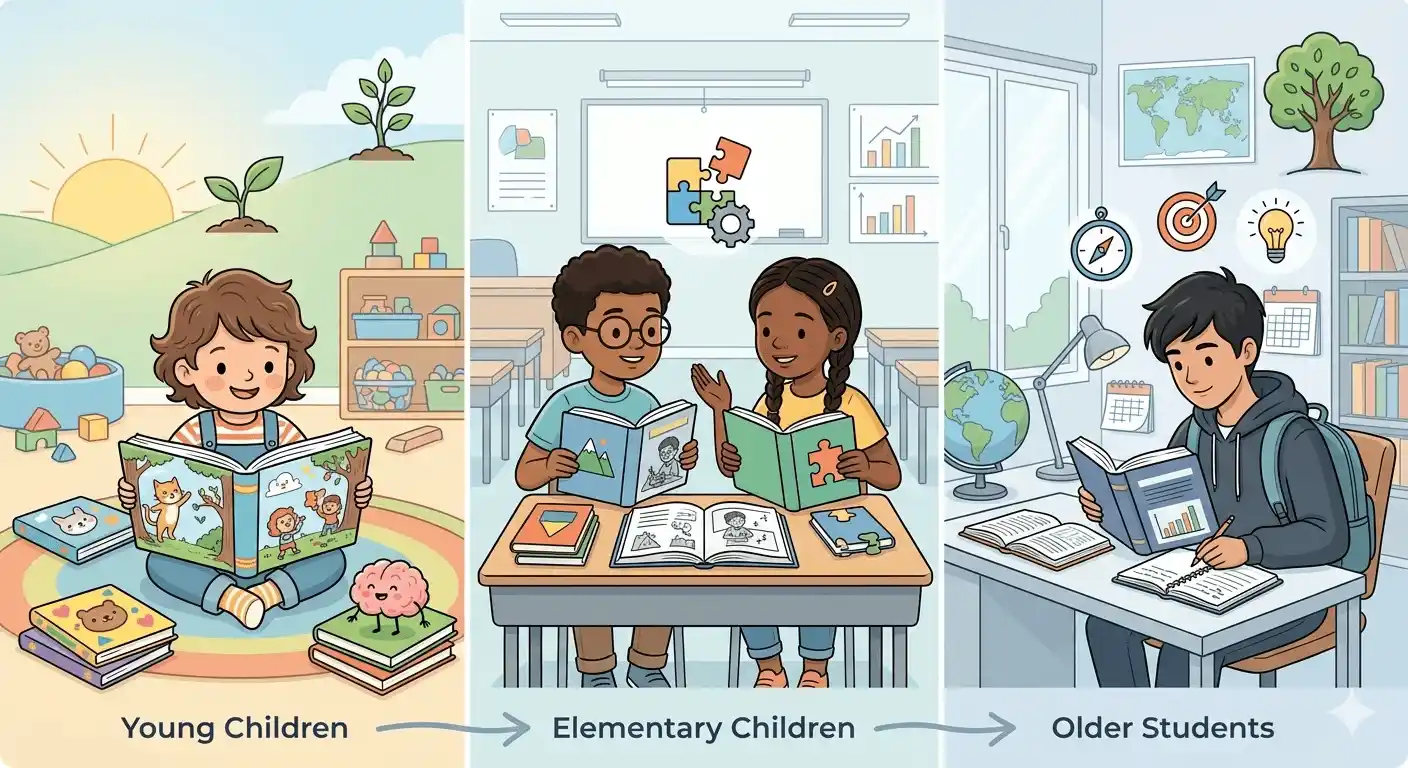
Children understand growth mindset concepts differently depending on their age, reading ability, and emotional development. The best books match the child’s developmental stage.
Growth Mindset Books for Kindergarten and Early Readers
Growth mindset books for kindergarten typically use simple language, colorful illustrations, and clear emotional lessons.
Growth mindset picture books are especially useful for younger children because visual storytelling helps explain abstract ideas like perseverance and improvement.
Effective early-reader books often focus on:
- Learning new skills
- Practicing patience
- Trying again after mistakes
- Celebrating progress
Picture books about growth mindset work well because young children often learn through examples rather than abstract explanations.
Growth Mindset Books for Elementary School Children
Elementary-age children can understand more complex ideas about effort, goals, and personal improvement.
Growth mindset books for 10 year olds often explore:
- Academic challenges
- Building confidence
- Developing talents
- Managing frustration
At this stage, children benefit from stories where characters experience realistic struggles and discover strategies for improvement.
Growth Mindset Books for Older Students
Older children and students can engage with deeper discussions about motivation, identity, and achievement.
Growth mindset books for middle schoolers and growth mindset books for students may focus on:
- Long-term goals
- Self-reflection
- Academic resilience
- Handling setbacks
These concepts become increasingly important as students face more complex responsibilities.
Key Features to Look for in Growth Mindset Children’s Books
Choosing effective growth mindset children’s books requires looking beyond attractive illustrations or popular recommendations. A valuable book should help children understand the process of learning, not simply provide motivational messages.
The most effective books usually include:
- Relatable challenges: Characters face problems children can recognize, such as learning a new skill, making mistakes, or dealing with frustration.
- Growth-focused language: The story reinforces ideas such as “you can improve with practice” rather than suggesting ability is only natural talent.
- Problem-solving approaches: Characters learn to adjust strategies instead of giving up.
- Emotional development: The book helps children recognize feelings connected to failure, effort, and progress.
- Opportunities for discussion: Parents and teachers can connect the story to real-life experiences.
What Makes a Growth Mindset Picture Book Effective?
A growth mindset picture book is effective when it transforms an abstract psychological idea into a simple, memorable experience. Young children often understand concepts better when they see characters practicing, struggling, and improving.
Strong growth mindset picture books usually contain:
- A clear challenge or obstacle
- A character who experiences difficulty
- A process of learning or adaptation
- A positive but realistic outcome
The goal is not to teach children that every attempt will immediately succeed. Instead, effective books teach that improvement happens through learning, patience, and continued effort.
For example, a child may not master a new skill after one attempt, but a growth mindset story can show that repeated practice and different approaches can lead to progress.
Growth Mindset Books for Different Audiences
Growth mindset books can support different groups, including children, parents, teachers, and students. While the central idea remains the same, the way these books are used changes depending on the reader’s role.
Books for Parents Teaching Growth Mindset at Home
Growth mindset books for parents help caregivers understand how everyday language influences children’s beliefs about learning.
Parents can use these books to encourage:
- Effort-based praise instead of ability-based praise
- Reflection after challenges
- Curiosity about mistakes
- Patience with gradual improvement
Parenting growth mindset practices often involve changing simple conversations. For example, instead of saying “You are naturally good at math,” a parent might say, “Your practice and strategies helped you improve.”
This approach aligns with behavioral science principles that emphasize reinforcing effective behaviors and learning processes.
Your Daily Thrive recommends that parents make reading interactive by asking questions such as:
- What challenge did the character experience?
- What helped the character improve?
- What could you try if something feels difficult?
Books for Teachers and Students in Learning Environments
Growth mindset books for students can support classroom discussions about learning, motivation, and resilience.
Teachers can expand these lessons with age-appropriate personal development activities that help students practice self-reflection, goal setting, and resilience.
Teachers can use these books to introduce concepts such as:
- Goal setting
- Learning strategies
- Self-reflection
- Productive struggle
In classrooms, books can become starting points for activities where students identify challenges they have overcome or create personal learning goals.
Growth mindset books for middle schoolers and older students can also support discussions about academic pressure, confidence, and long-term improvement.
Growth Mindset Books vs Other Mindset and Self-Development Books
Growth mindset books focus specifically on the belief that abilities can develop through learning and effort. Other mindset and personal development books may cover broader topics such as motivation, habits, confidence, or achievement.
Comparison: Different Types of Mindset Books
| Book Type | Main Focus | Best For | Common Lessons |
| Growth mindset books for kids | Learning and improvement | Children developing confidence and resilience | Effort, persistence, learning from mistakes |
| General mindset books | Thoughts and beliefs | Older children and adults | Self-awareness and personal growth |
| Achievement-focused books | Goals and success | Goal-oriented readers | Performance, ambition, results |
| Habit-building books | Behavior change | Readers improving routines | Consistency, systems, discipline |
Growth mindset books are unique because they focus on the learning process itself. They help children understand that improvement is possible rather than only focusing on achievement outcomes.
Common Mistakes When Choosing or Using Growth Mindset Books
Many parents and educators choose growth mindset books with positive intentions but may overlook how mindset messages are presented.
Understanding common mistakes can make these resources more effective.
Common mistakes include:
- Choosing books that only celebrate success instead of showing the learning process
- Using motivational phrases without explaining practical actions
- Selecting books that are too advanced or too simple for the child’s age
- Expecting immediate behavioral changes after reading one story
- Avoiding conversations about failure or frustration
A growth mindset is not created by simply telling children to “never give up.” Children also need tools, strategies, and support to manage challenges.
Avoiding Praise That Creates Pressure
One common misunderstanding is that all praise improves confidence. However, psychological research suggests that the type of praise matters.
Praise focused only on intelligence or talent may unintentionally create pressure to appear naturally capable.
More helpful feedback focuses on:
- The strategies used
- The effort applied
- The improvement achieved
- The willingness to learn
For example:
Less effective:
- “You are a genius at drawing.”
More growth-focused:
- “You practiced different techniques and improved your drawing skills.”
How to Use Growth Mindset Books to Teach Kids Effectively
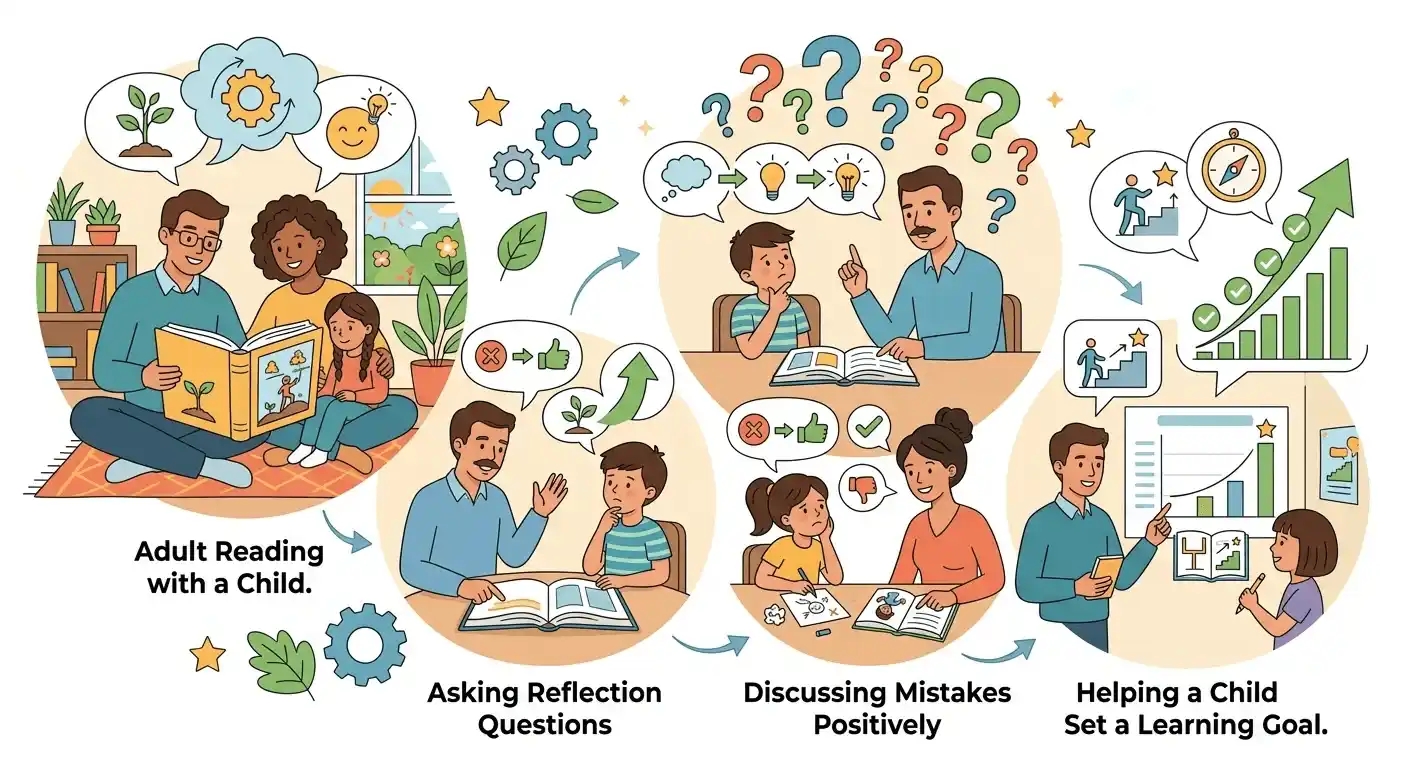
Growth mindset books are most effective when reading becomes an active learning experience. Children benefit when adults connect the ideas in stories to everyday situations.
A practical approach includes:
- Reading regularly
- Discussing character decisions
- Connecting lessons to real experiences
- Encouraging reflection after challenges
Questions Parents and Teachers Can Ask After Reading
After reading a growth mindset story, adults can ask questions that encourage deeper thinking.
For older children, journaling can be another useful tool for reflecting on challenges, progress, and personal improvement. Guided journaling prompts for self-growth can help students explore their learning experiences.
Examples include:
- What problem did the character face?
- How did the character respond to difficulty?
- What mistake helped the character learn something new?
- What strategy helped the character improve?
- Have you experienced a similar challenge?
These conversations help children transfer lessons from books into real-life situations.
Frequently Asked Questions About Growth Mindset Books for Kids
What are growth mindset books for kids?
Growth mindset books for kids are children’s books that teach the idea that abilities and skills can improve through effort, practice, learning strategies, and persistence. They help children develop healthier attitudes toward challenges and mistakes.
What is the best book on growth mindset for children?
The best book on growth mindset for children depends on the child’s age, interests, reading level, and learning needs. Effective books are age-appropriate, use relatable characters, and clearly demonstrate improvement through effort and learning.
How do you teach growth mindset to kids?
You can teach growth mindset to kids by combining books with supportive conversations, encouraging effort-based language, modeling learning from mistakes, and helping children reflect on strategies that improve their skills.
Are growth mindset picture books effective for young children?
Yes, growth mindset picture books can be effective for young children because illustrations and simple stories make abstract concepts like persistence, learning, and resilience easier to understand.
What age should children start reading growth mindset books?
Children can begin learning growth mindset concepts during early childhood through simple stories and picture books. As children grow, books can introduce more advanced ideas about goals, challenges, and personal development.
Can growth mindset books help students who struggle academically?
Growth mindset books can support students by encouraging persistence, reducing fear of failure, and helping them view challenges as opportunities to learn. They work best when combined with practical support, effective teaching, and encouragement.
Conclusion: Choosing the Right Growth Mindset Books for Kids
Growth mindset books for kids provide a practical way to introduce children to important ideas about learning, resilience, and personal development. The most effective books show that improvement comes from effort, strategies, feedback, and persistence rather than natural ability alone.
When choosing growth mindset children’s books, parents and educators should consider the child’s age, interests, and learning needs. A strong book does more than provide encouragement; it helps children understand how to respond when something feels difficult.
Growth mindset develops through repeated experiences, supportive environments, and meaningful conversations. Books are valuable tools because they give children examples of characters who learn, adapt, and grow.
By combining reading with reflection and real-life practice, families and schools can help
children build stronger learning habits and a more resilient approach to challenges.










3 Responses