
Introduction
Personal development activities are intentional actions, exercises, and habits designed to improve skills, mindset, emotional intelligence, productivity, and overall quality of life. These activities help individuals grow continuously in areas such as school, work, relationships, and everyday decision-making. Instead of relying on random experiences, structured personal development creates a clear path for improvement by encouraging reflection, practice, and consistent behavior change. Over time, these small actions shape confidence, discipline, and long-term success. When practiced regularly, personal development activities help individuals become more self-aware, adaptable, and capable of achieving meaningful goals in both personal and professional life.
Quick Summary
- Personal development activities improve skills, mindset, habits, and self-awareness
- Small consistent actions create stronger long-term results than intense short efforts
- Growth happens through reflection, learning, practice, and behavior change
- The best activities align with personal goals and individual strengths
- Long-term success depends on sustainable habits, not motivation alone
What Are Personal Development Activities?
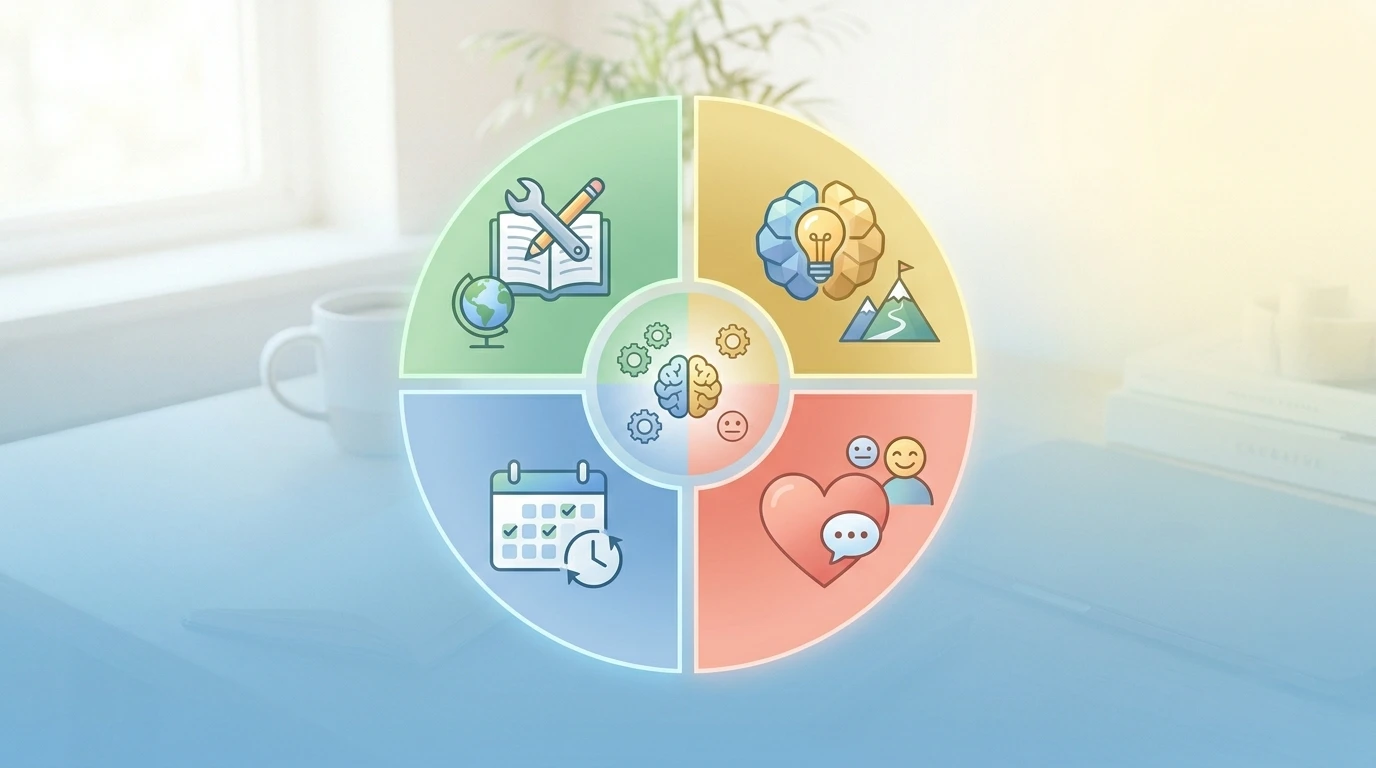
Personal development activities are structured practices that help individuals improve their abilities, mindset, behavior, and emotional intelligence. They include actions such as journaling, skill-building exercises, reflection, and goal setting. The personal development meaning refers to continuous self-improvement through intentional learning and habit formation. A simple personal development definition is the process of improving yourself mentally, emotionally, and behaviorally over time.
Personal development vs personality development is an important distinction. Personal development is broad and includes habits, mindset, productivity, and skills. Personality development focuses more on communication, confidence, and social behavior. Both overlap because strong communication and emotional intelligence support overall growth.
Personal Development vs Personality Development
Personal development is a continuous improvement process focused on skills, mindset, and behavior. Personality development focuses on outward traits like confidence, communication style, and social interaction. While personal development builds internal strength, personality development shapes external expression. Together, they create balanced growth.
Why Personal Development Activities Matter
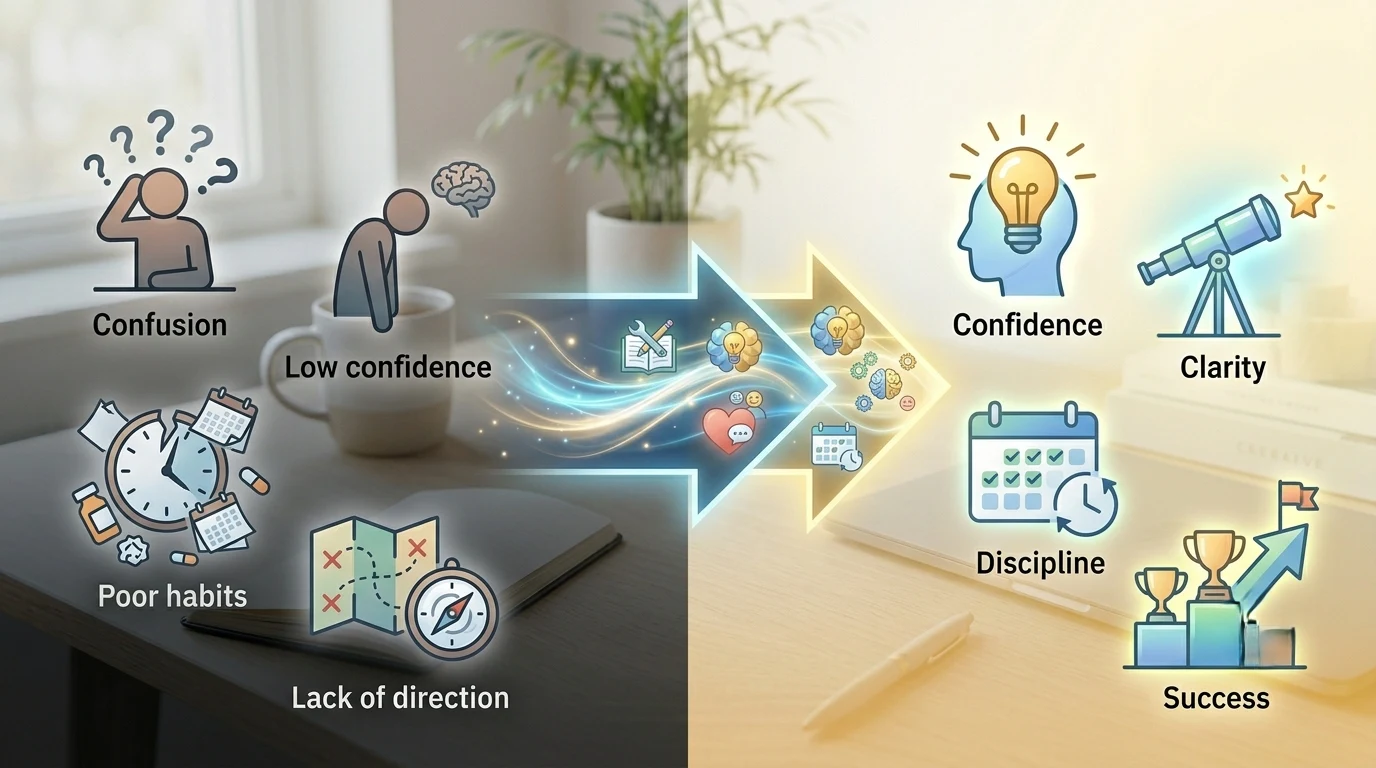
Personal development activities matter because they create structured growth instead of random improvement. Without intentional practice, progress is slow and inconsistent. These activities help individuals build habits that improve life outcomes across different areas.
Benefits of completing personal development activities include:
- Improved self-awareness
- Better decision-making
- Increased confidence
- Stronger emotional regulation
- Greater adaptability
- Enhanced communication skills
- Improved goal achievement
These benefits occur because repeated actions strengthen neural pathways in the brain, making positive behaviors easier over time.
Core Categories of Personal Development Activities
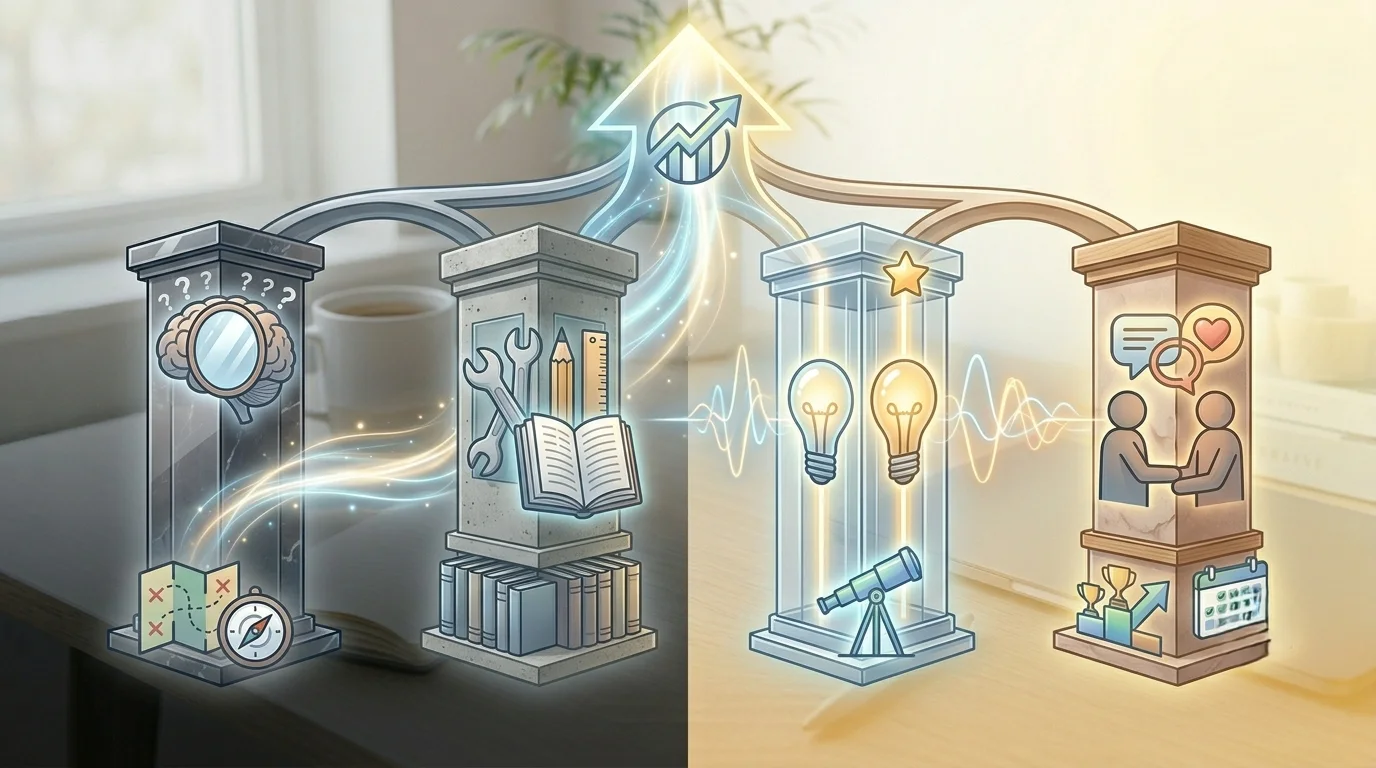
Self-Awareness Activities
Self-awareness activities help individuals understand their thoughts, emotions, strengths, and weaknesses.
- Journaling
- Reflection exercises
- Strength and weakness analysis
- Personal values identification
Self-awareness improves decision-making because individuals understand why they behave in certain ways.
Skill Development Activities
Skill development focuses on building practical abilities that improve performance.
- Learning new skills
- Public speaking practice
- Problem-solving exercises
- Structured learning programs
Skill development increases confidence through competence, which is developed through practice.
Mindset Development Activities
Mindset activities focus on shaping thinking patterns and emotional responses.
- Growth mindset exercises
- Gratitude practice
- Reframing negative thoughts
- Confidence-building habits
A strong mindset improves resilience during challenges and setbacks.
Emotional and Social Development Activities
These activities improve relationships and communication abilities.
- Empathy exercises
- Active listening practice
- Conflict resolution
- Emotional awareness training
Emotional intelligence strengthens personal and professional relationships.
Best Personal Development Activities for Students
Students benefit from structured growth activities that improve academic and personal skills.
Suggested Activities:
- Goal-setting exercises
- Reading and reflection journals
- Public speaking practice
- Leadership projects
- Study habit improvement plans
- Time management systems
Real-Life Application
These activities help students perform better academically, gain confidence in presentations, and develop career readiness early in life. They also improve discipline and responsibility.
Personal Development Activities for Adults
Adults focus on long-term growth, career improvement, and life balance.
Suggested Activities:
- Daily journaling
- Learning a new skill
- Networking challenges
- Habit tracking
- Monthly self-review sessions
- Communication skill practice
These activities help adults maintain continuous improvement and adapt to changing life demands.
Personal Development Activities in the Workplace
Workplace development improves both individual and organizational performance.
Suggested Activities:
- Mentorship programs
- Leadership exercises
- Feedback sessions
- Communication workshops
- Problem-solving projects
- Time management reviews
Workplace Benefits:
- Increased productivity
- Better teamwork
- Career advancement
- Stronger leadership potential
Group Personal Development Activities
Group activities use collaboration to accelerate growth.
Activities:
- Team problem-solving exercises
- Accountability groups
- Peer coaching
- Reflection circles
- Leadership simulations
- Communication challenges
Why Group Activities Work:
- Social accountability improves consistency
- Feedback enhances learning
- Shared experiences increase motivation
Personal Development Activities for Teens and Kids
Activities should match age and cognitive development.
Activities for Teens:
- Goal-setting exercises
- Confidence-building challenges
- Leadership opportunities
- Volunteer projects
Activities for Kids:
- Responsibility charts
- Gratitude exercises
- Teamwork games
- Emotional awareness activities
These activities build discipline, empathy, and confidence early.
Fun Personal Development Activities That Encourage Consistency
Engaging activities improve long-term participation.
Examples:
- Habit streak challenges
- Skill-building games
- Reading challenges
- Personal growth bingo
- Reflection prompts
Gamification helps maintain motivation through rewards and progress tracking.
Leadership and Personal Development Activities
Leadership development strengthens decision-making and accountability.
Activities:
- Leading small projects
- Mentoring others
- Public speaking practice
- Team facilitation
- Strategic planning exercises
Leadership experience improves confidence and communication simultaneously.
Common Barriers to Personal Growth and How to Overcome Them

Procrastination
Why It Happens: Fear of discomfort and task overwhelm
How to Fix It: Start small and use time blocking
Lack of Motivation
Why It Happens: Motivation naturally fluctuates
How to Fix It: Build systems instead of relying on feelings
Inconsistency
Why It Happens: Unrealistic expectations
How to Fix It: Focus on sustainable habits
Overthinking
Why It Happens: Fear of mistakes
How to Fix It: Prioritize action over perfection
Burnout
Why It Happens: Excessive effort without rest
How to Fix It: Balance work and recovery
Fear of Failure
Why It Happens: Identity-based fear
How to Fix It: Treat failure as feedback
Motivation vs Discipline
Motivation is emotion-driven and temporary, while discipline is system-driven and consistent. Motivation helps start action, but discipline ensures continuation even when motivation decreases. Long-term success depends more on discipline than emotional energy.
Consistency vs Intensity
Consistency focuses on small daily actions that build habits over time, while intensity involves short bursts of effort. Consistency is more sustainable and leads to long-term success, while intensity often leads to burnout and inconsistency.
Personal Development Activity Ideas by Goal
| Goal | Recommended Activities |
|---|---|
| Confidence | Public speaking, journaling |
| Productivity | Time blocking, habit tracking |
| Leadership | Team projects, mentoring |
| Emotional Intelligence | Reflection, empathy exercises |
| Communication | Active listening, presentations |
| Self-Discipline | Daily routines, accountability systems |
Science-Backed Principles Behind Effective Personal Development
Personal development works through habit formation, neuroplasticity, and identity-based behavior change. Repetition strengthens neural pathways, making behaviors automatic. Small wins reinforce motivation, while identity alignment increases long-term consistency. Sustainable routines are more effective than extreme short-term efforts.
What Actually Works vs Common Personal Development Myths
Myth: Motivation is enough
Reality: Systems and habits are required for consistency
Myth: Growth requires major life changes
Reality: Small daily improvements compound over time
Myth: More activities mean better results
Reality: Focus and consistency matter more than volume
Conclusion
Personal development activities create a structured path for long-term growth by improving skills, mindset, and behavior. The most effective approach combines self-awareness, consistent habits, and practical skill-building. Instead of chasing perfection or motivation, focusing on small daily improvements leads to sustainable success. Over time, these actions shape stronger confidence, better decisions, and continuous personal and professional development.
FAQ
What are personal development activities?
They are structured actions and habits that improve skills, mindset, behavior, and emotional intelligence over time.
What are some personal development activities that can be done daily?
Daily journaling, reading, reflection, habit tracking, and skill practice are effective daily activities.
Why do I struggle to stay consistent with self-improvement?
Inconsistency often comes from relying on motivation instead of systems and setting unrealistic goals.
How can personal development activities improve confidence?
Confidence improves through repeated practice, skill development, and small achievements that build self-belief.
What are the benefits of completing personal development activities?
They improve self-awareness, productivity, communication, emotional control, and long-term goal achievement.
Which personal development activities are best for students?
Goal-setting, public speaking, reading, leadership projects, and time management systems are highly effective.
How do personal development activities help in the workplace?
They improve teamwork, communication, leadership skills, productivity, and career growth.
What is the difference between personal development and personality development?
Personal development focuses on overall growth, while personality development focuses on communication and behavior.
How can I stay motivated when working on personal growth goals?
Rely on systems, habits, and routines instead of motivation alone.
What personal development activities produce the fastest long-term results?
Consistent habits like journaling, reflection, skill practice, and time management produce the strongest long-term results.









One Response