

Introduction
Journaling prompts for self growth are simple guiding questions that help you write about your thoughts, emotions, habits, and life experiences in a structured way. Instead of staring at a blank page, you respond to focused prompts that direct your thinking toward self-understanding and personal development.
Guided journaling improves self-awareness, emotional clarity, habits, and decision-making because it forces you to slow down and observe your internal patterns. Over time, this practice helps you notice what affects your behavior, how you respond emotionally, and what needs to change.
Journaling works as a practical tool for mindset shifts, emotional regulation, and personal development. Structured prompts reduce overthinking and mental resistance by giving your mind a clear starting point, making reflection easier and more consistent.
Quick Summary
- Journaling prompts for self growth improve clarity about thoughts, emotions, habits, and goals
- Regular reflection strengthens emotional awareness, discipline, and decision-making
- Guided prompts reduce overwhelm by providing structure and direction
- Growth happens when journaling is consistent, honest, and followed by action
What Are Journaling Prompts for Self Growth?
Journaling prompts for self growth are structured questions designed to guide reflection and improve self-awareness. Their main purpose is to help you think deeply about your emotions, behaviors, decisions, and life direction in a focused way.
Free writing allows unrestricted expression, while guided journaling provides direction through prompts. Prompts improve clarity faster because they remove confusion and help you focus on one idea at a time instead of scattered thoughts.
They activate self-reflection by encouraging you to examine patterns, beliefs, and emotional reactions that normally go unnoticed in daily life.
How Guided Journaling Supports Personal Development
Guided journaling improves personal growth by developing:
- Thought awareness: noticing repeated mental patterns
- Emotional processing: understanding feelings instead of suppressing them
- Habit tracking: identifying behaviors that shape outcomes
- Pattern recognition: spotting triggers and reactions
- Goal alignment: connecting actions with long-term direction
Why Many People Struggle With Self-Reflection
Many people struggle with journaling because:
- They fear being fully honest with themselves
- Their mind feels mentally cluttered
- They avoid uncomfortable emotions
- They lack structure or direction
- They overthink what to write instead of starting
Common signs of shallow journaling include repetitive thoughts, emotional avoidance, and lack of insights. Consistency matters more than perfection because awareness develops through repetition.
Benefits of Journaling for Self Growth
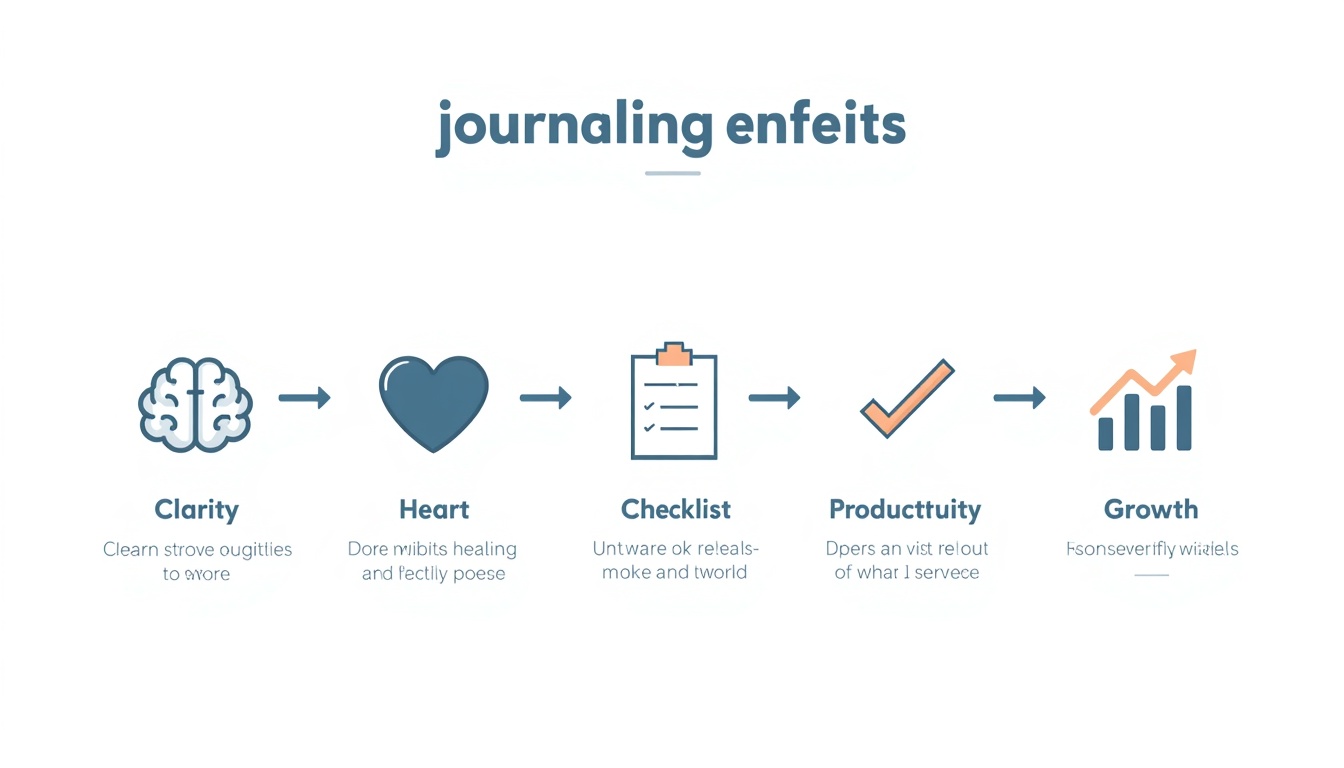
Journaling improves psychological clarity and behavioral awareness by helping you understand your thoughts and actions more objectively. It transforms internal confusion into structured insight.
Journaling is considered one of the best ways to achieve personal growth because it improves awareness, accountability, and emotional clarity over time.
| Journaling Practice | Growth Benefit |
|---|---|
| Daily reflection | Increased self-awareness |
| Gratitude journaling | Improved emotional resilience |
| Goal journaling | Better focus and discipline |
| Emotional writing | Reduced stress and overwhelm |
| Habit tracking | Improved consistency |
Emotional Benefits of Self Reflection Journaling
- Reduces stress by releasing mental pressure
- Improves emotional regulation and control
- Builds self-compassion through awareness
- Creates mental clarity during confusion
Mental and Productivity Benefits
- Improves decision-making through clearer thinking
- Reduces procrastination by increasing awareness
- Helps prioritize important tasks
- Enhances focus by reducing mental clutter
Identity and Confidence Building Through Journaling

Journaling strengthens identity-based habits by helping you see behavioral progress over time. It builds confidence through evidence of growth rather than assumptions. You begin to recognize small improvements that normally go unnoticed.
How to Start Journaling for Self Improvement
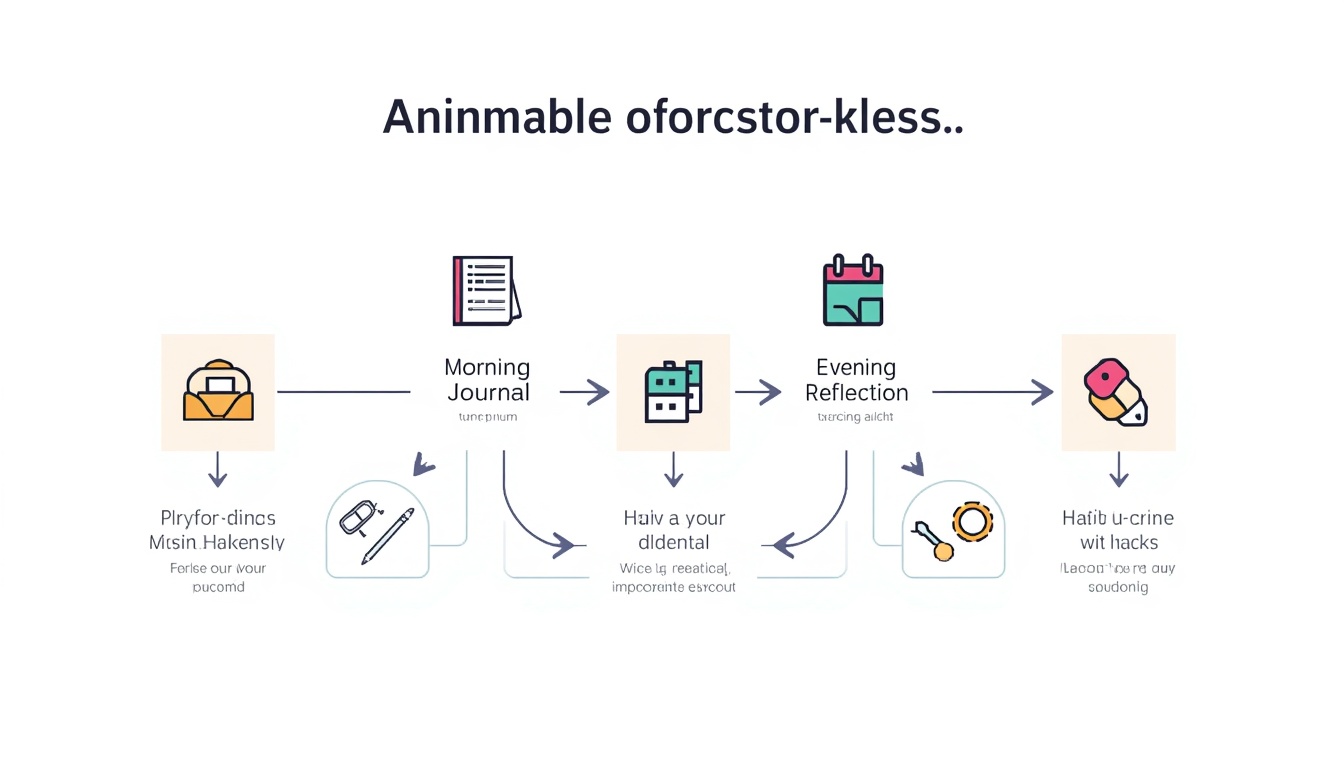
Starting journaling is simple, but the key is consistency, not complexity. The goal is to build a habit of reflection, not perfect writing.
If you are new to reflective writing, reading our guide on how to journal for self-growth can help you build a consistent journaling habit more effectively.
Simple Steps to Start a Self Growth Journal
- Choose a format: notebook, app, or digital document
- Set a specific time daily or weekly
- Start with short entries (5–10 minutes)
- Focus on honesty rather than writing quality
- Morning journaling helps set daily intention
- Evening journaling helps reflect on the day
- Paper journaling improves focus and emotional connection
- Digital journaling offers convenience and tracking
Recommended duration: 5–15 minutes per session is enough for beginners.
Common Beginner Mistakes That Stop Progress
- Trying to write perfectly instead of honestly
- Being inconsistent with practice
- Treating journaling like a task instead of reflection
- Waiting for motivation instead of building discipline
How to Stay Consistent With Journaling
- Use habit stacking with existing routines
- Keep your journal visible as a trigger
- Reduce friction by simplifying the process
- Track small wins to build motivation through progress
Best Journaling Prompts for Self Growth
Different prompts help you explore different areas of your mindset, behavior, and emotional patterns.
Self Reflection Journal Prompts
- What drained my energy recently?
- What habits are helping or hurting me?
- What am I avoiding and why?
Self Love Journal Prompts
- What do I appreciate about myself today?
- What negative belief do I need to release?
- How can I treat myself with more kindness?
Healing Journal Prompts
- What emotion have I been suppressing?
- What past experience still affects me?
- What would healing look like for me?
Self Discovery Journal Prompts
- What truly motivates me?
- What kind of life do I want to build?
- When do I feel most authentic?
Daily and Weekly Reflection Prompts
- What went well today?
- What challenged me this week?
- What should I improve next week?
Journaling Prompts for Limiting Beliefs and Mental Blocks

Limiting beliefs affect self-growth by shaping fear-based thinking, self-doubt, and avoidance behavior. They often operate unconsciously and influence decisions without awareness.
How Limiting Beliefs Affect Growth
They lead to:
- Fear-driven decision-making
- Self-sabotage behaviors
- Negative internal dialogue
- Avoidance of challenges
Reflection Prompts to Challenge Negative Thinking
- Is this belief actually true?
- What evidence supports or contradicts this thought?
- What would I tell a friend in this situation?
Overthinking, Perfectionism, and Emotional Resistance
Overthinking comes from mental overload and fear of making mistakes. Perfectionism delays action by creating unrealistic standards. Journaling helps reduce mental pressure by organizing thoughts clearly and externally.
Journaling becomes more effective when you learn to focus on what you can control instead of obsessing over uncertainty and external situations.
Motivation vs Discipline in Journaling
| Motivation | Discipline |
|---|---|
| Emotion-driven | System-driven |
| Temporary energy | Long-term consistency |
| Unpredictable | Reliable |
| Mood-dependent | Routine-based |
Why Motivation Alone Fails
Motivation is inconsistent because it depends on emotional states. People often start strong but lose consistency when motivation fades.
Building a Sustainable Journaling Routine
- Keep journaling sessions short and simple
- Focus on identity: “I am someone who reflects daily”
- Allow flexibility instead of strict rules
- Prioritize consistency over intensity
Real-Life Journaling Examples for Personal Growth
Beginner Journaling Example
- 3 things I am grateful for
- 1 emotional check-in
- 1 reflection about today
Advanced Self Growth Journaling Routine
- Habit tracking review
- Weekly goal evaluation
- Emotional processing reflection
- Self-improvement assessment
Journaling for Different Lifestyles
- Busy professionals: 5-minute reflection sessions
- Students: goal and habit journaling
- High-stress individuals: emotional release journaling
- Multi-responsibility individuals: weekly summary journaling
Common Myths About Self Growth Journaling
Myth: Journaling Must Be Deep or Perfect
Journaling does not need perfect writing. Simple and honest reflection is more effective than complex writing.
Myth: Journaling Works Instantly
Self-growth takes time. Journaling builds awareness gradually through repetition.
What Actually Works for Long-Term Self Improvement
- Consistent daily or weekly practice
- Repeated reflection over time
- Small behavioral improvements
- Combining reflection with action
Signs Your Journaling Practice Is Helping You Grow
- Better emotional awareness
- Reduced overthinking
- Improved discipline
- Clearer decision-making
- Increased confidence
- Healthier habits
When Journaling Feels Stuck or Repetitive
This happens when reflection becomes shallow, emotional honesty is avoided, or no action follows insights. Refreshing prompts or focusing on deeper questions restores progress.
Conclusion
Journaling prompts for self growth help improve awareness, emotional clarity, habits, and mindset by turning thoughts into structured reflection. Over time, this builds better decision-making, stronger discipline, and improved emotional control.
Personal growth happens through consistent reflection combined with small behavioral changes. Journaling is not a quick fix but a long-term system for self-improvement and self-awareness.
Start small, stay consistent, and focus on honest reflection rather than perfection. That is what leads to real transformation.
FAQs
What are the best journaling prompts for self growth?
Prompts that focus on emotions, habits, beliefs, goals, and daily reflection are most effective.
How do I start journaling for self improvement?
Start with 5–10 minutes daily using simple prompts and focus on honesty instead of perfection.
Why do I struggle to stay consistent with journaling?
Lack of routine, overthinking, and relying on motivation instead of systems are common reasons.
Can journaling improve mental health and emotional clarity?
Yes, it reduces stress, organizes thoughts, and improves emotional awareness.
What should I write about in a self reflection journal?
Write about emotions, habits, daily experiences, challenges, and personal insights.
How often should I use journaling prompts?
Daily or at least a few times per week for best results.
What if I do not know what to write in my journal?
Use simple prompts like “What am I feeling right now?” or “What went well today?”
Are self love journal prompts different from healing prompts?
Yes, self-love focuses on acceptance, while healing focuses on emotional processing.
How does journaling help with overthinking and stress?
It reduces mental overload by organizing thoughts into structured reflection.
Can journaling really change habits and mindset?
Yes, consistent reflection builds awareness, which leads to behavior and mindset change.










2 Responses