

Mindset Matters: How Your Thinking Shapes Growth and Success
Mindset matters because the way people think influences how they respond to challenges, develop habits, make decisions, and achieve goals. A mindset is not simply a collection of positive thoughts; it is a system of beliefs that shapes how individuals interpret experiences and choose actions.
People with a growth-oriented mindset view challenges as opportunities to improve, while limiting mindsets often create avoidance, fear, and resistance to change. Understanding how mindset works helps people build stronger habits, improve discipline, and develop the resilience needed for long-term progress.
Quick Summary
- Mindset matters because beliefs influence behaviors, and behaviors create outcomes.
- A growth mindset helps people learn from failure and continue improving.
- Consistent habits and effective systems are more important than temporary motivation.
- Changing mindset requires awareness, practice, and intentional behavior change.
What Does Mindset Mean and Why Does Mindset Matter?
Mindset refers to the internal beliefs and thought patterns that shape how people see themselves, their abilities, and the world around them.
In psychology, mindset influences perception, motivation, and behavior. Two people can experience the same challenge but respond differently because they interpret the situation through different belief systems.
For example:
- One person may view failure as proof they are incapable.
- Another person may view failure as feedback that helps them improve.
The difference is not the situation itself; it is the mindset used to interpret the situation.
The concept that mindset matters is strongly connected to behavioral psychology because thoughts affect emotions, emotions influence decisions, and repeated decisions become habits.
A useful mindset helps people:
- Take action despite uncertainty.
- Recover from setbacks.
- Learn from mistakes.
- Build confidence through progress.
The Psychology Behind Why Mindset Matters
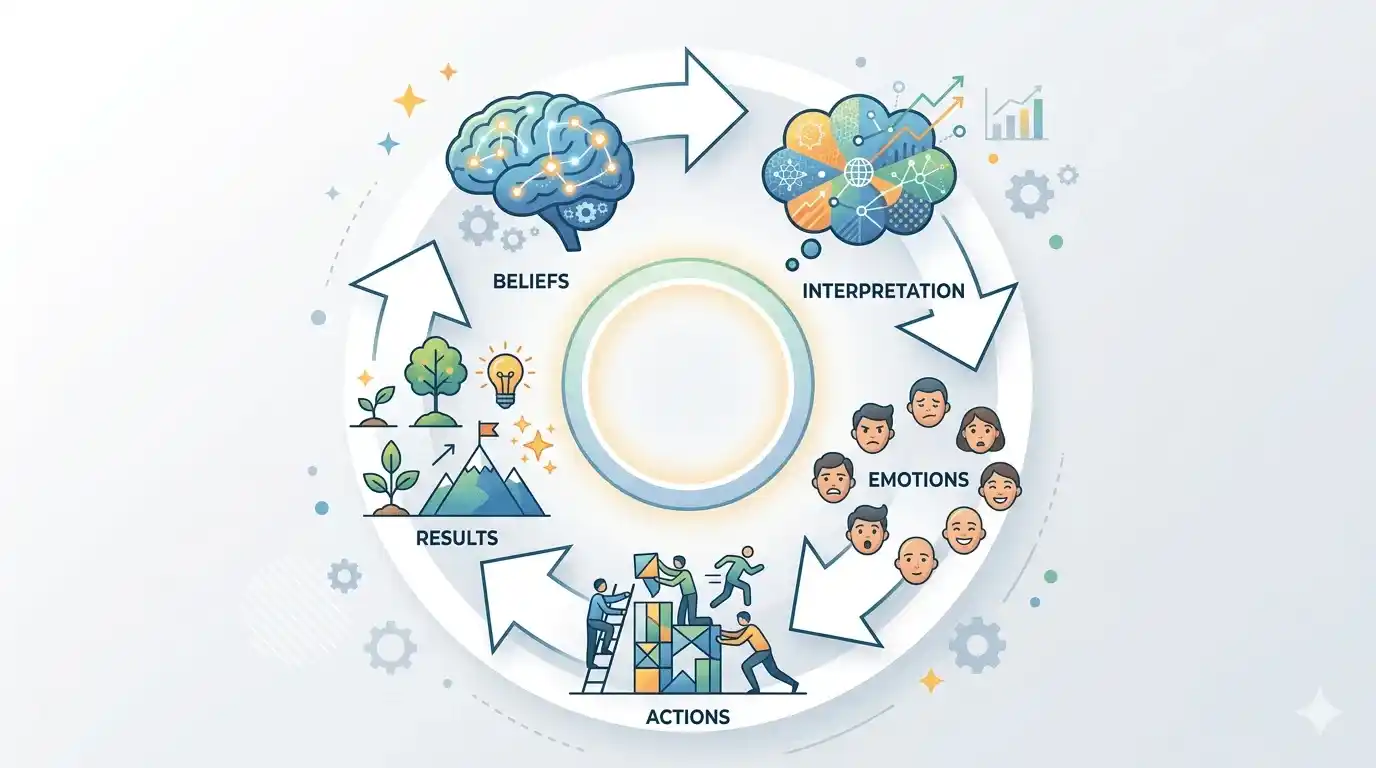
Research on mindset, including the work of Carol Dweck, highlights how beliefs about ability influence learning and persistence.
A fixed mindset assumes abilities are mostly permanent. A growth mindset believes abilities can improve through effort, learning, and effective strategies.
The psychological process works like this:
| Mental Process | Effect on Behavior |
| Beliefs | Shape how situations are interpreted |
| Interpretation | Creates emotional responses |
| Emotions | Influence decisions |
| Decisions | Create repeated behaviors |
| Behaviors | Produce long-term results |
This explains why mindset changes are not achieved only through motivation. Sustainable change requires changing thinking patterns and creating supportive systems.
Growth Mindset vs Fixed Mindset
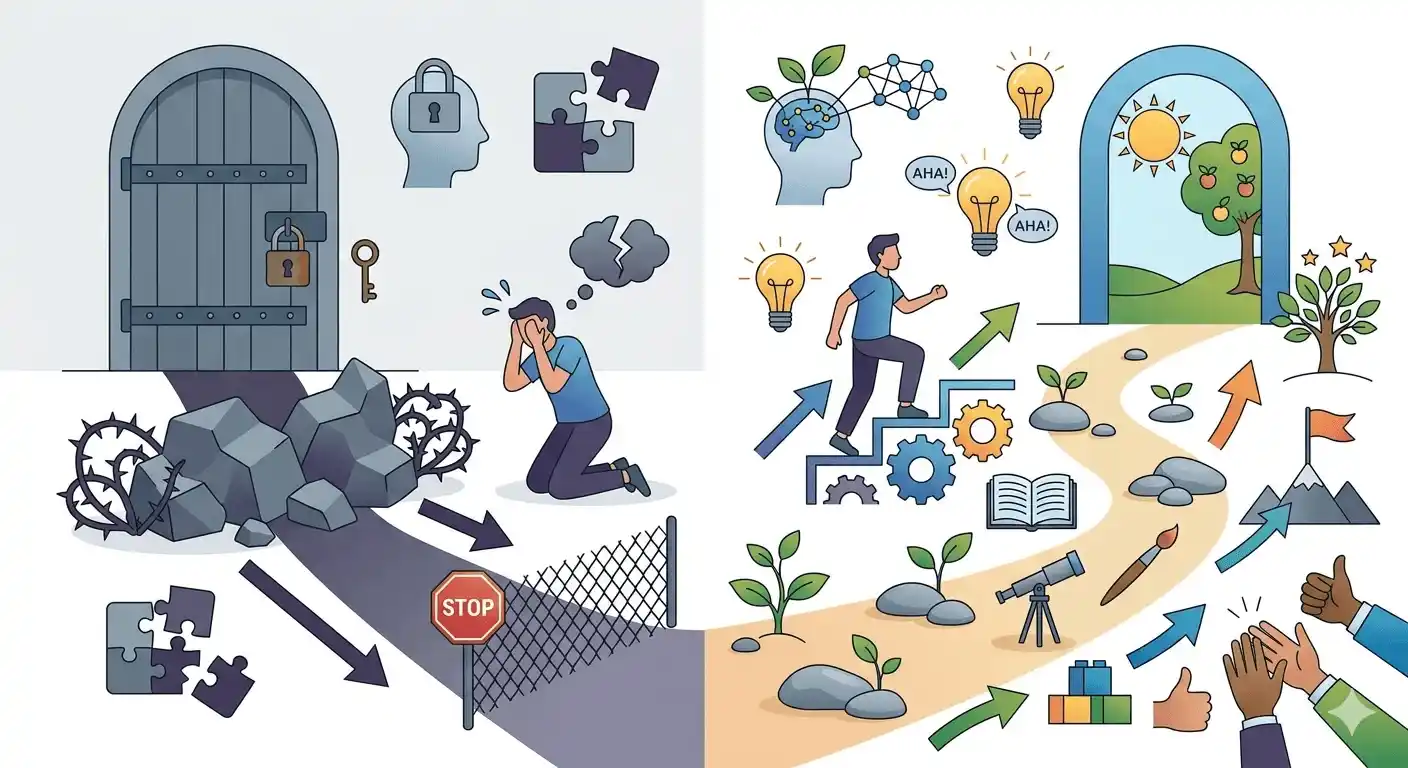
One of the most important applications of why mindset matters is understanding the difference between fixed and growth thinking.
| Growth Mindset | Fixed Mindset |
| Believes skills can improve | Believes abilities cannot change much |
| Uses mistakes as learning opportunities | Avoids mistakes to protect self-image |
| Accepts feedback | Rejects criticism |
| Focuses on progress | Focuses on proving ability |
A growth mindset does not mean believing everything is easy. It means recognizing that improvement is possible through effort, learning, and adaptation.
Motivation vs Discipline: Which Matters More?
Many people believe success depends on staying motivated. However, motivation naturally changes based on emotions, stress, energy levels, and circumstances.
Building discipline requires creating systems that work even when emotions change. Learning how to build discipline without motivation can help people develop consistency and continue progressing toward their goals.
Discipline creates consistency even when motivation is low.
| Motivation | Discipline |
| Creates the desire to start | Creates the ability to continue |
| Depends on emotions | Depends on systems |
| Can disappear quickly | Builds reliability |
| Helps initiate action | Maintains progress |
A mindset that values discipline understands that progress comes from repeated action, not occasional bursts of inspiration.
Consistency vs Intensity: What Creates Better Results?
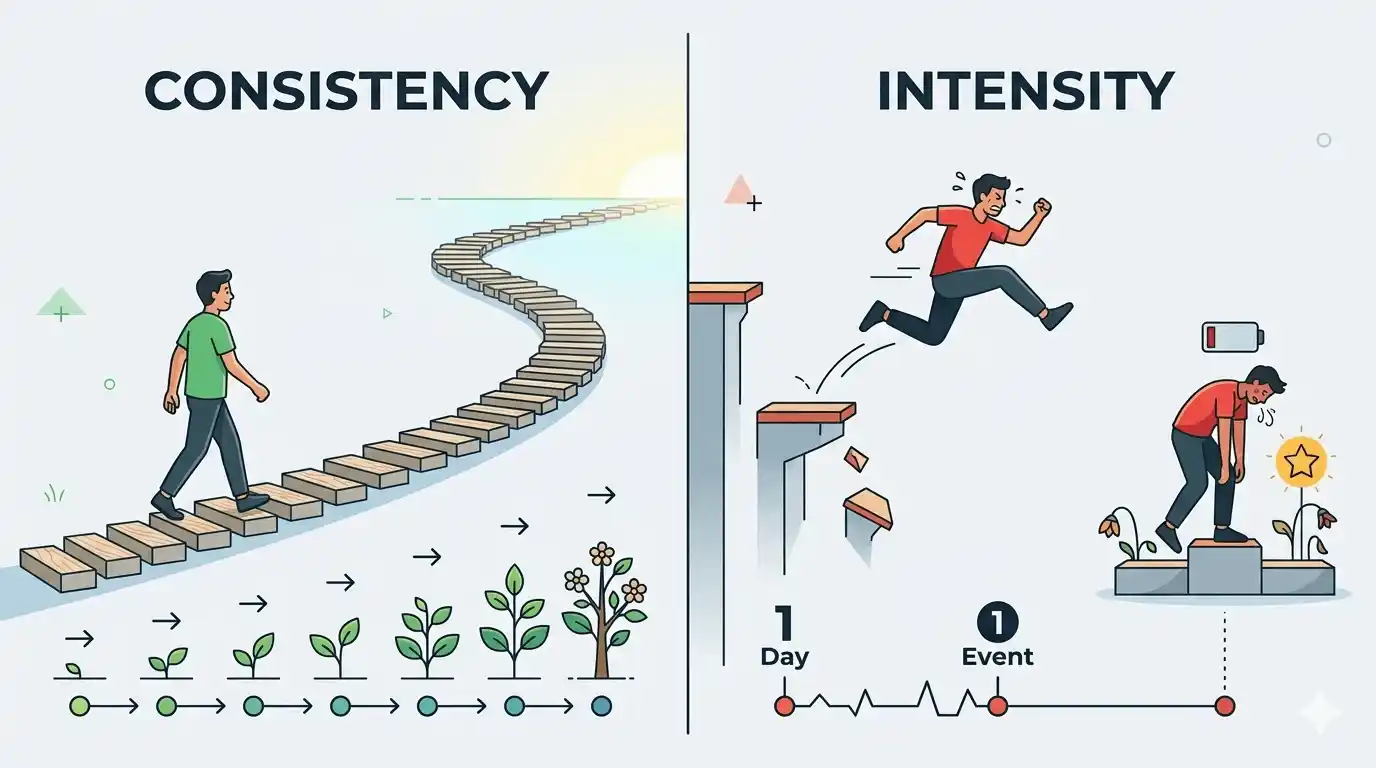
A common mistake in personal development is focusing on intense effort instead of sustainable habits.
Many people start with unrealistic goals:
- Exercising every day for two hours.
- Creating a perfect productivity system overnight.
- Changing multiple habits at once.
This often leads to burnout.
Consistency is more effective because the brain adapts through repetition.
| Consistency | Intensity |
| Small actions repeated regularly | Large effort for short periods |
| Builds automatic habits | Requires high energy |
| Easier to maintain | Higher burnout risk |
| Creates long-term change | Often creates temporary results |
The mindset shift is simple:
Focus on becoming someone who consistently takes action rather than someone who occasionally performs at a high level.
Short-Term vs Long-Term Habits
Successful behavior change requires understanding the difference between immediate results and sustainable growth.
Long-term improvement depends on repeating small behaviors until they become automatic. A structured approach like how to build good habits in 30 days can help people create routines that support lasting personal growth.
| Short-Term Habits | Long-Term Habits |
| Focus on quick outcomes | Focus on identity and systems |
| Often rely on motivation | Built through repetition |
| Easy to abandon | Become part of lifestyle |
| Reward immediate progress | Create lasting improvement |
For example, studying for one night before an exam may produce short-term results. Developing a daily learning routine builds long-term capability.
How to Build a Mindset That Supports Growth
Developing a stronger mindset requires practical behavior changes.
Changing limiting beliefs requires awareness of recurring thought patterns and replacing them with more productive perspectives. Learning how to change your thoughts can support the mindset shift needed for personal growth.
1. Identify Limiting Beliefs
Start by noticing thoughts that prevent action.
Examples:
- “I am not good at this.”
- “I always fail.”
- “I cannot change.”
Replace them with realistic growth-focused statements:
- “I can improve with practice.”
- “Failure shows me what to adjust.”
- “Progress happens through repeated effort.”
2. Build Systems Instead of Depending on Goals
Goals provide direction, but systems create progress.
A goal:
- “I want to become healthier.”
A system:
- Exercise three times per week.
- Prepare meals in advance.
- Track progress every Sunday.
Systems reduce decision fatigue and make habits easier to maintain.
Routine and System Building for Sustainable Growth
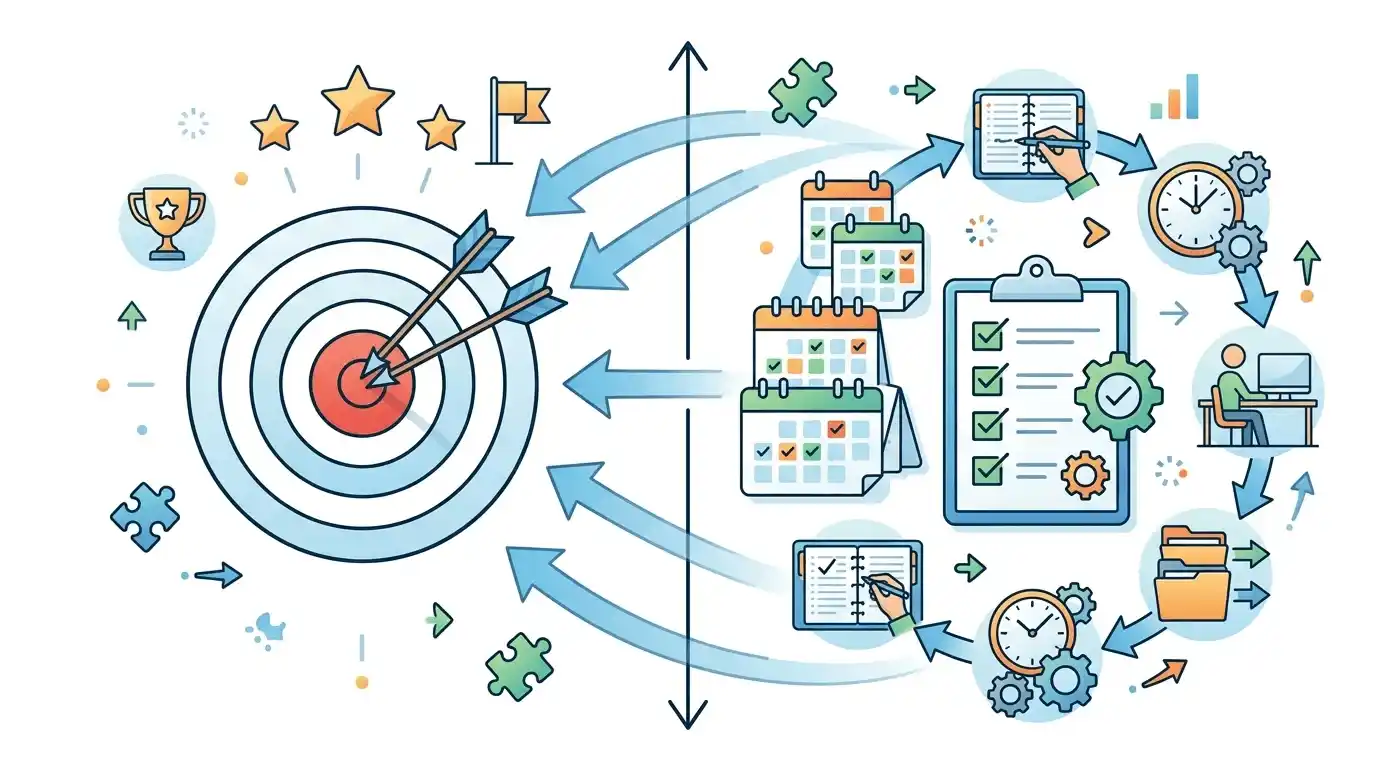
A strong mindset becomes effective when supported by routines.
Since systems and routines depend on repeated action, understanding whether self-discipline is a skill can help people build stronger habits over time.
Examples of scalable routines:
Daily Routine
- Morning planning.
- Priority selection.
- Focused work periods.
- Evening reflection.
Weekly Routine
- Review progress.
- Identify obstacles.
- Adjust strategies.
- Plan the next week.
Systems work because they reduce dependence on willpower. Behavioral science shows that environments and routines strongly influence actions.
Different Productivity Methods That Support Mindset Growth
Different productivity systems help people manage attention and maintain consistency.
| Productivity Method | How It Helps |
| Time blocking | Protects focused work periods |
| Pomodoro technique | Reduces mental fatigue through short focus sessions |
| Priority systems | Helps focus on important tasks |
| Habit tracking | Creates awareness and accountability |
The best productivity method is the one that fits the person’s lifestyle and can be maintained consistently.
Common Reasons People Fail to Stay Consistent
Understanding failure points helps create better strategies.
| Problem | Why It Happens | Solution |
| Lack of motivation | Waiting for the right feeling | Create routines |
| Procrastination | Tasks feel overwhelming | Break tasks into smaller steps |
| Overthinking | Fear of making mistakes | Take practical action |
| Burnout | Unrealistic expectations | Use sustainable goals |
| Inconsistency | No supporting system | Build repeatable habits |
Many people fail because they attempt behavior change through willpower alone instead of designing better systems.
Practical Mindset Applications in Real Life
Beginner Application
A beginner developing a new habit should focus on:
- Starting small.
- Creating consistency.
- Tracking progress.
- Learning from mistakes.
Advanced Application
Someone with established habits can focus on:
- Improving systems.
- Increasing challenges.
- Developing leadership skills.
- Helping others grow.
For students and leaders, mindset development supports confidence, responsibility, and problem-solving skills.
A perseverance worksheet can help individuals identify:
- Current challenges.
- Personal strengths.
- Limiting beliefs.
- Action steps for improvement.
Common Myths About Mindset
Myth 1: Mindset Means Always Thinking Positively
Reality:
A strong mindset includes accepting difficulties and responding effectively.
Myth 2: Mindset Changes Quickly
Reality:
Mindset develops through repeated experiences, reflection, and practice.
Myth 3: Confidence Comes Before Action
Reality:
Confidence often develops after taking action and seeing progress.
Frequently Asked Questions About Mindset Matters
Why do mindsets matter?
Mindsets matter because they influence how people interpret challenges, respond to failure, and continue working toward goals.
What does mindset mean in psychology?
Mindset refers to beliefs and thought patterns that influence motivation, behavior, learning, and decision-making.
How do I develop a growth mindset?
Develop a growth mindset by accepting challenges, learning from feedback, replacing limiting beliefs, and focusing on improvement.
Why do I struggle with consistency?
People often struggle with consistency because they rely on motivation, set unrealistic expectations, or lack supportive routines.
How do I stay disciplined long-term?
Long-term discipline develops through clear systems, realistic goals, habit tracking, and reducing dependence on willpower.
What if I lose motivation?
When motivation decreases, focus on small actions, established routines, and the reasons behind your goals.
Conclusion: Why Mindset Matters for Long-Term Growth
Mindset matters because thoughts influence actions, and repeated actions shape results. A productive mindset does not remove challenges; it changes how people respond to them.
Long-term growth comes from combining a growth mindset with practical systems, consistent habits, and realistic expectations. By improving the way you think, you improve the way you act, learn, and adapt.










One Response