
Introduction
Living life to the fullest without money means maximizing experiences, personal growth, relationships, and fulfillment without relying on financial resources. It shifts the focus from consumption to meaning, from external validation to internal satisfaction. This approach is rooted in mindset, habits, and intentional living rather than material wealth.
Quick Summary
- Living fully without money is about mindset, not resources
- Fulfillment comes from experiences, relationships, and purpose
- Simple habits can replace expensive lifestyles
- Psychological shifts matter more than financial status
What Does It Mean to Live Life to the Fullest Without Money?

Living life to the fullest without money means aligning your life with your values, purpose, and present experiences rather than material possessions.
Key Explanation
- Fulfillment is driven by meaning and internal satisfaction
- Materialism focuses on ownership and external rewards
- Intrinsic motivation (purpose, growth) leads to deeper satisfaction than extrinsic motivation (money, status)
Core Focus
- Personal growth
- Emotional richness
- Connection with others
Why It’s Misunderstood
Consumer culture promotes the idea that happiness requires spending, which creates a false link between money and fulfillment.
Why People Struggle to Feel Fulfilled Without Money
People struggle because of psychological barriers and social conditioning.
Key Reasons
- Social conditioning equates success with money
- Fear of missing out (FOMO) creates pressure to spend
- Comparison trap driven by social media
- Scarcity mindset focuses on limitations
- Emotional dependency on external rewards
Core Mindset Shifts to Live Fully Without Money
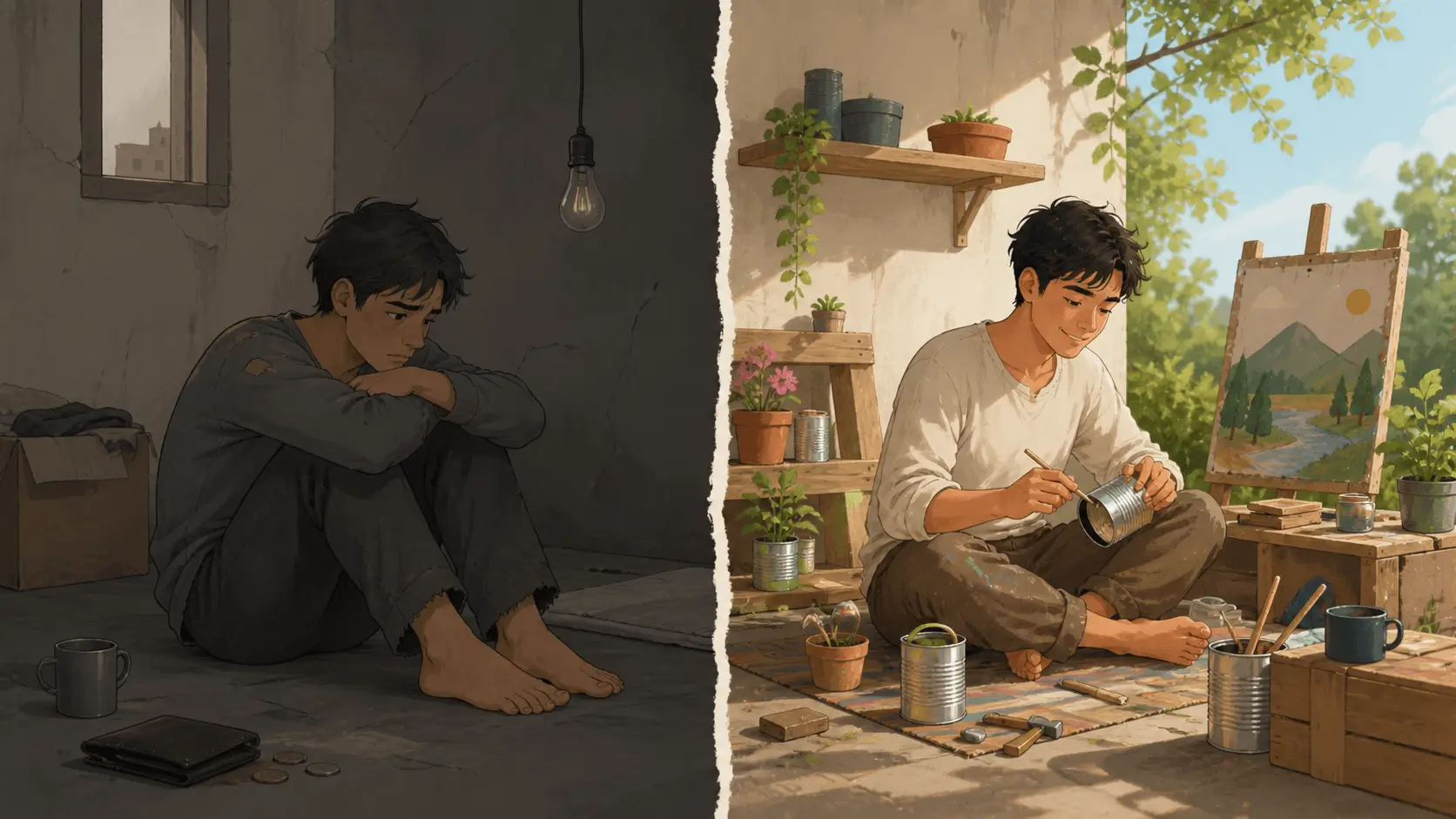
1. From Consumption to Experience
Experiences provide longer-lasting satisfaction than possessions.
- Replace buying with doing
- Focus on moments, not ownership
- Experiences improve memory and emotional satisfaction
2. From Scarcity to Resourcefulness
Resourcefulness helps you make the most of what you have.
- Use existing resources
- Develop creative problem-solving
- View limitations as opportunities
3. From External Validation to Internal Fulfillment
True fulfillment comes from self-defined success.
- Define success on your own terms
- Build self-approval
- Develop emotional independence
Practical Ways to Live Life to the Fullest Without Money
Daily Habits That Increase Fulfillment
- Practicing gratitude
- Mindful living (being present)
- Physical movement (walking, stretching)
- Journaling and reflection
- Deep conversations
Free Experiences That Enrich Life
- Nature exploration (parks, walking)
- Learning through free resources
- Volunteering
- Community events
- Creative expression (writing, art, music)
Habit Framework for a Fulfilling Life Without Money
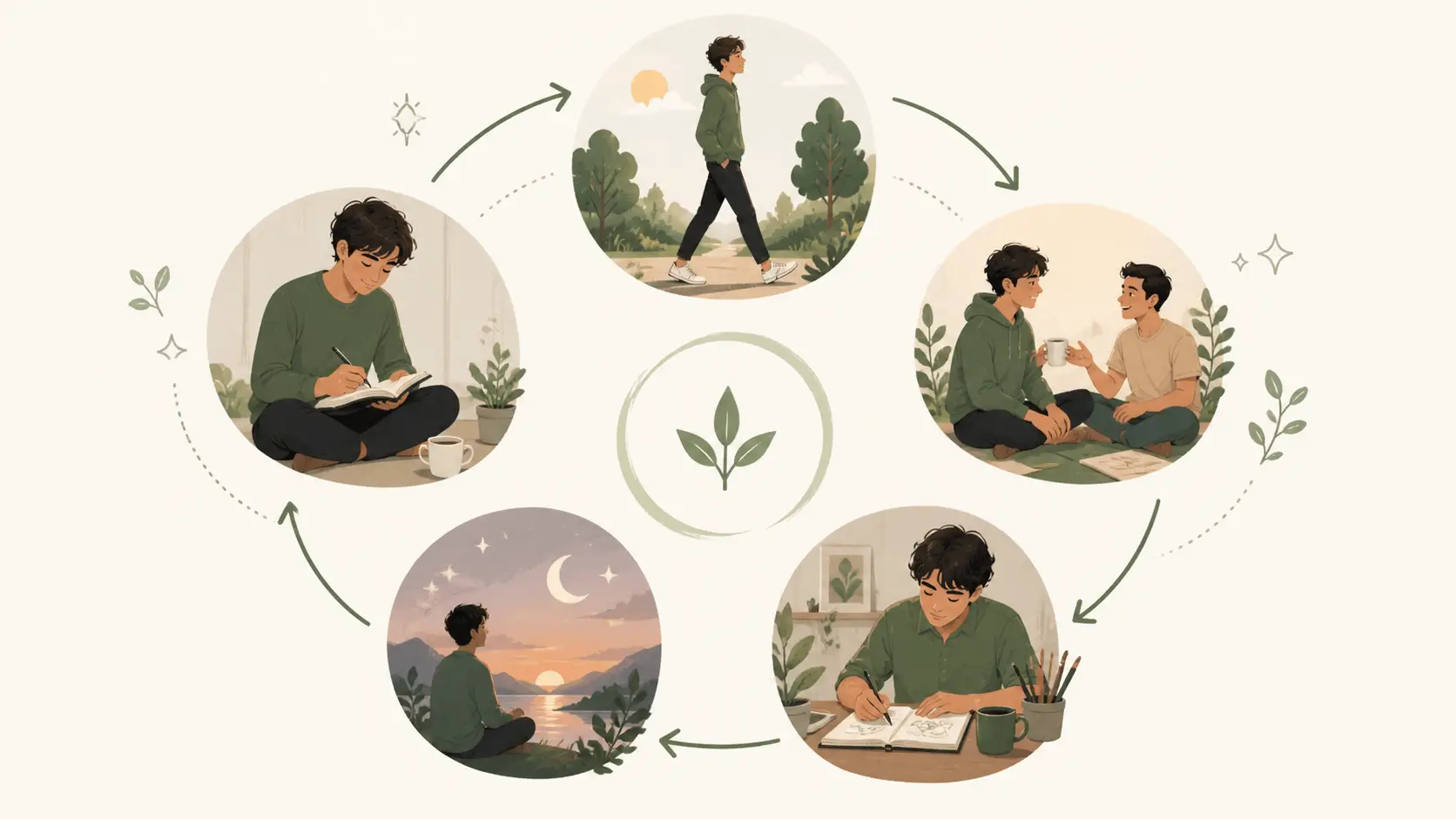
| Habit Type | Action Example | Outcome |
|---|---|---|
| Mental Habits | Daily gratitude journaling | Increased positivity |
| Social Habits | Calling or meeting friends | Stronger relationships |
| Physical Habits | Walking outdoors | Better mood and health |
| Creative Habits | Writing or drawing | Self-expression |
| Reflective Habits | Weekly life review | Clarity and direction |
Habits compound over time. Small consistent actions lead to long-term satisfaction and fulfillment.
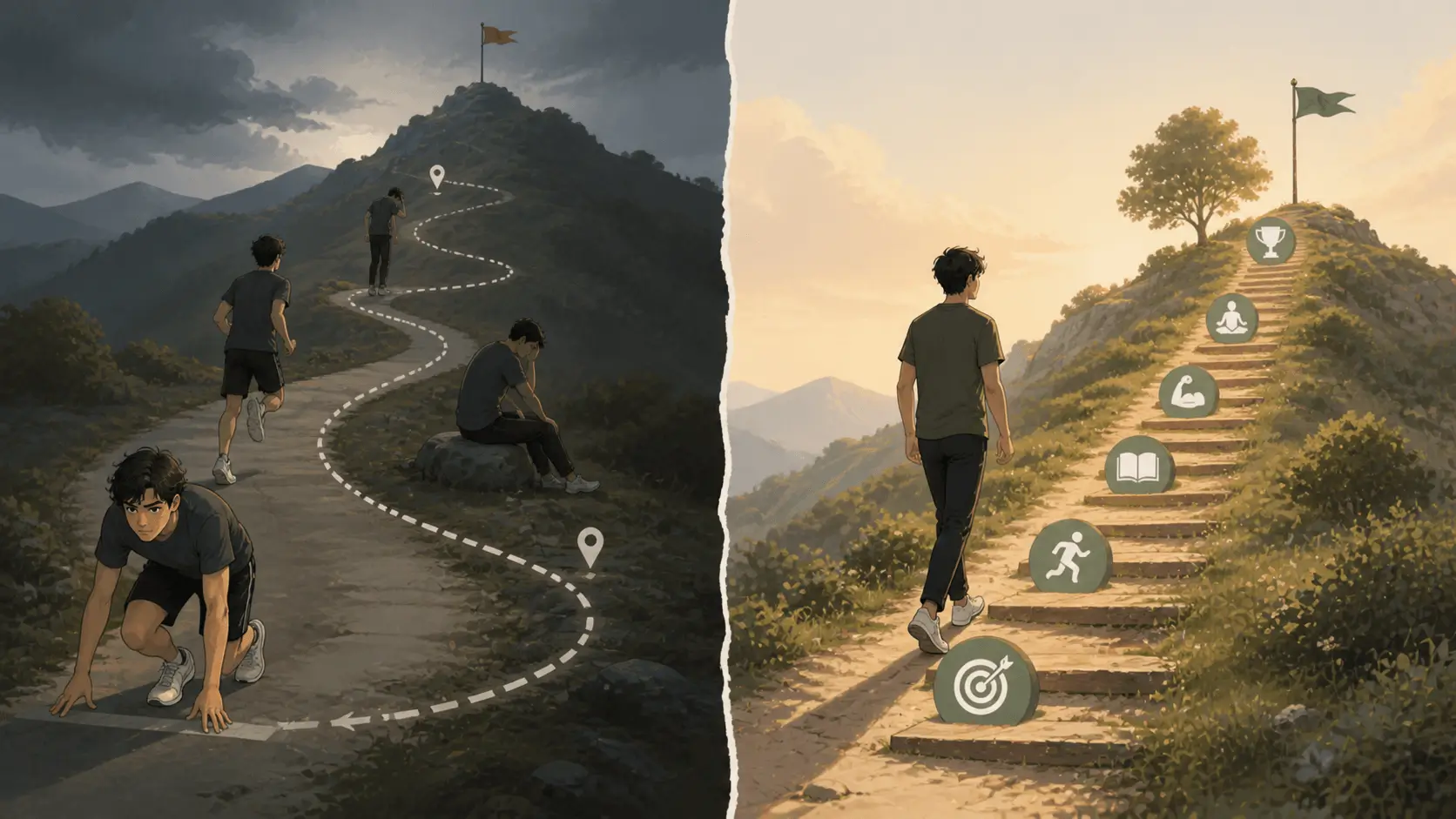
Motivation vs Discipline in a Money-Free Lifestyle
| Motivation | Discipline |
|---|---|
| Short-term emotional drive | Long-term consistency |
| Unreliable | Stable and predictable |
| Based on feelings | Based on systems |
| Fades quickly | Builds identity |
Discipline matters more because it ensures consistency even when motivation is low.
How to Build a Simple Life System Without Money
Step-by-Step System
- Define what “full life” means to you
- Identify free activities aligned with your values
- Build a daily routine around them
- Track emotional satisfaction, not productivity
- Adjust based on what feels meaningful
Real-Life Scenarios: Living Fully Without Money
Beginner Level
- Spend more time outdoors
- Reduce dependence on paid entertainment
- Reconnect with simple joys
Advanced Level
- Minimalist living
- Community-based experiences
- Purpose-driven daily routines
Common Mistakes That Prevent a Fulfilling Life
- Waiting for money to start living
- Overconsumption of digital content
- Ignoring relationships
- Chasing unrealistic lifestyles
- Confusing comfort with fulfillment
Problem-Solution Section
| Problem | Why It Happens | Solution | Prevention |
|---|---|---|---|
| Lack of Motivation | No external rewards | Build identity-based habits | Focus on meaning |
| Procrastination | Overthinking | Start small | Create routine |
| Inconsistency | Lack of structure | Use systems | Track habits |
| Overthinking | Fear of mistakes | Take imperfect action | Simplify decisions |
| Burnout | Doing too much | Slow down | Balance activity with rest |
Science-Backed Insight: Why Money Isn’t the Main Driver of Happiness
- Hedonic adaptation: people adapt quickly to wealth
- Intrinsic motivation leads to deeper satisfaction
- Social connection strongly influences happiness
- Meaningful activity improves mental well-being
What Actually Works vs What Sounds Good
Works
- Consistent small habits
- Strong relationships
- Purpose-driven living
- Simplicity
Sounds Good (But Fails)
- Waiting for perfect conditions
- Chasing motivation
- Comparing lifestyles
- Overplanning without action
Conclusion
Living life to the fullest without money is not about limitation—it is about intentional living. By focusing on meaningful experiences, strong relationships, and consistent habits, you can create a fulfilling life without relying on financial resources. The key is shifting your mindset, building discipline, and aligning your daily actions with what truly matters.
FAQs
1. Why do I struggle to feel happy without money?
Because society conditions you to associate money with success and happiness, creating reliance on external rewards.
2. Can you truly live life to the fullest without money?
Yes. Fulfillment comes from relationships, experiences, and personal growth rather than material possessions.
3. How do I stay motivated without financial goals?
Focus on discipline and build habits that align with your values instead of relying on motivation.
4. What are simple ways to enjoy life without spending money?
Spend time in nature, build relationships, learn new skills, and practice mindfulness.
5. How do I stop comparing my life to others?
Limit social media exposure and focus on personal growth instead of external comparisons.