

Introduction
Mindset behavioral health refers to the relationship between how a person thinks and how those thoughts shape their emotional, psychological, and behavioral well-being. The way individuals interpret events, manage stress, and respond to challenges is deeply connected to the quality of their mindset. A well-developed mindset can support healthier decisions, stronger emotional regulation, and greater resilience over time. This article explores what mindset behavioral health means, why mindset matters for overall well-being, and how practical strategies and professional support can help individuals build lasting behavioral health improvements.
Quick Summary
- Behavioral health includes mental, emotional, and behavioral well-being, while mindset influences how people think, respond, and cope with challenges.
- A healthy mindset can support stress management, emotional resilience, and positive behavior change.
- Mindset development often works alongside behavioral health strategies such as therapy, lifestyle changes, and coping skills.
- Sustainable improvements typically require consistent practice rather than quick fixes.
- Professional support, such as cognitive behavioral therapy, is an evidence-based approach to reshaping unhelpful thought patterns.
- A healthy mindset can support stress management, emotional resilience, and positive behavior change — see our positive mindset tips for beginners for practical starting points.
What Is Mindset Behavioral Health?
Mindset behavioral health is the intersection of two foundational concepts: behavioral health, which encompasses mental, emotional, and behavioral well-being, and mindset, which refers to the deeply held beliefs and thinking patterns that guide how a person perceives and responds to life. Together, these concepts describe how internal thought processes directly influence daily behaviors, emotional responses, and long-term health outcomes.
What Is Behavioral Health?
Behavioral health is a broader term than mental health. While mental health focuses primarily on psychological conditions such as depression, anxiety, and mood disorders, behavioral health encompasses the full range of behaviors that affect physical and emotional well-being. This includes daily habits such as sleep, exercise, substance use, stress management, and emotional regulation. Behavioral health recognizes that how people behave has a measurable impact on how they feel, function, and thrive.
What Is a Mindset?
In psychology, mindset refers to the collection of beliefs, attitudes, and thinking patterns a person holds about themselves and the world. Mindset shapes how individuals interpret situations, make decisions, and form habits. Carol Dweck’s foundational research in behavioral science identifies two core mindset types: growth mindset, in which a person believes abilities can be developed, and fixed mindset, in which a person believes abilities are static. Beyond these categories, mindset encompasses cognitive habits such as optimism, resilience, self-awareness, and openness to change.
Why Mindset Matters for Behavioral Health
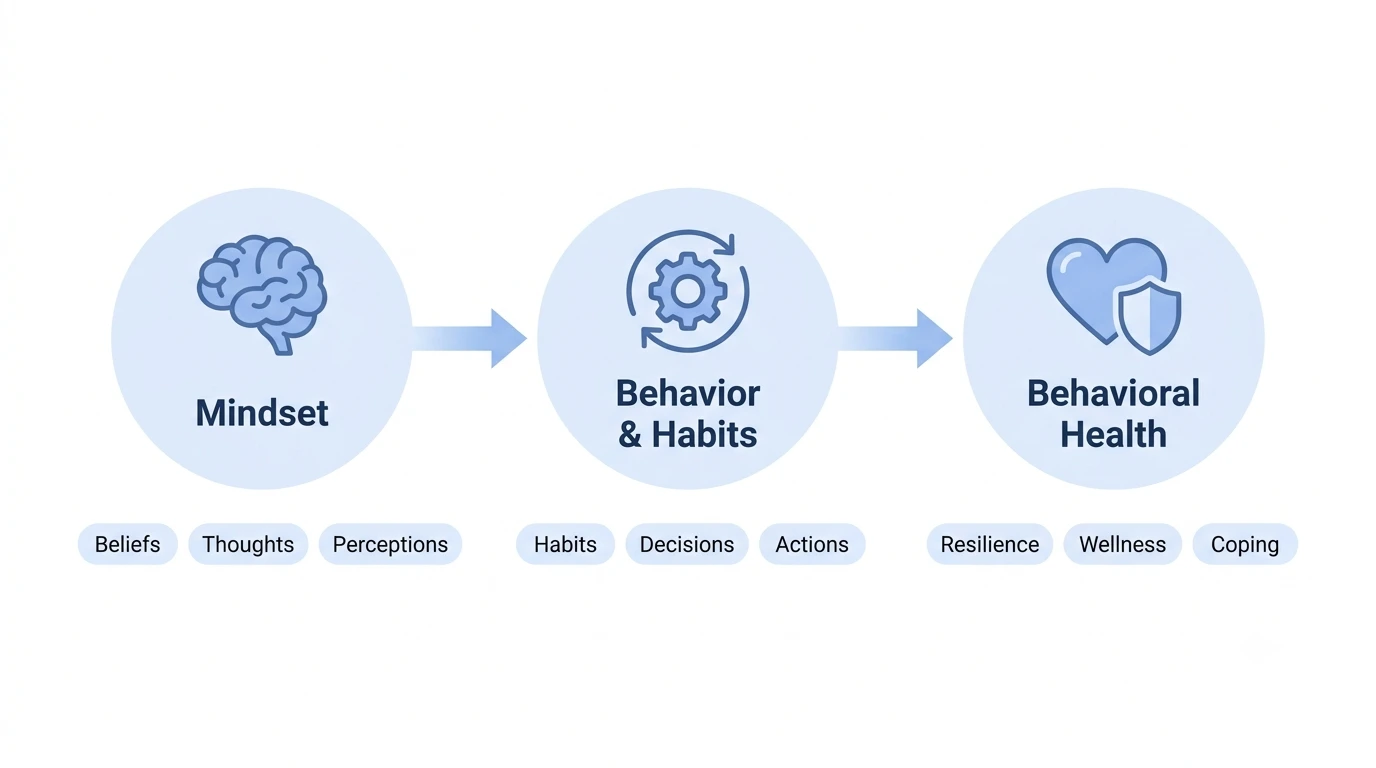
Mindset is a central driver of behavioral health outcomes because thoughts directly influence emotions, and emotions directly influence behavior. A person with a flexible, growth-oriented mindset is more likely to engage in healthy coping strategies, seek help when needed, and maintain consistent wellness habits. Conversely, a rigid or negative mindset can amplify stress responses, contribute to avoidant behaviors, and undermine long-term health goals. Emotional regulation, stress response quality, healthy decision-making, and long-term wellness are all shaped by the quality of a person’s foundational mindset.
How Mindset Influences Behavioral Health Outcomes
There is a well-established cause-and-effect relationship between mindset and behavioral health. The way a person habitually thinks about themselves, their challenges, and their future determines how they respond to stress, whether they take action, and how they recover from setbacks. The following areas illustrate this connection:
- Stress management: A growth-oriented mindset reframes stress as manageable and temporary rather than overwhelming and permanent.
- Anxiety management: Cognitive patterns that emphasize uncertainty tolerance reduce anxiety-driven avoidance behaviors.
- Depression coping strategies: Behavioral activation and positive reframing, both mindset-based tools, are core components of evidence-based depression treatment.
- Emotional resilience: Individuals who believe they can recover from hardship are more likely to engage in adaptive coping rather than avoidance.
- Motivation: A sense of personal agency, rooted in mindset, sustains motivation through obstacles and setbacks.
- Self-awareness: Mindset influences how clearly a person can observe and reflect on their own emotional states and behaviors.
- Healthy habits: People who believe small, consistent actions matter are more likely to maintain routines that support behavioral health.
- Problem-solving: A constructive mindset promotes active problem-solving over passive rumination or avoidance.
Common Types of Mindsets That Affect Mental Well-Being
Different thinking patterns shape behavioral health in different ways. Understanding these mindset types can help individuals identify where shifts may be needed.
Growth Mindset
A growth mindset is the belief that abilities, intelligence, and emotional skills can be developed through effort, learning, and experience. In behavioral health, a growth mindset supports recovery from setbacks, openness to therapy and feedback, and a willingness to build new habits. Research by Carol Dweck and subsequent behavioral scientists has consistently linked growth mindset to greater resilience and psychological well-being.
Fixed Mindset
A fixed mindset is the belief that personal qualities are static and unchangeable. In behavioral health contexts, a fixed mindset can become a barrier to seeking help, trying new coping strategies, or believing that improvement is possible. Individuals with a predominant fixed mindset may be more vulnerable to helplessness, avoidance, and reduced motivation following failure or difficulty.
Positive vs Negative Thinking Patterns
Positive thinking involves interpreting events in ways that support action, hope, and problem-solving. Negative thinking patterns, including catastrophizing, all-or-nothing thinking, and overgeneralization, are associated with greater emotional distress and poorer behavioral health outcomes. It is important to note that healthy positivity is realistic and grounded, not a denial of difficulty. Cognitive behavioral therapy directly targets negative automatic thoughts as a path to improving behavioral health.
Flexible Mindset in Behavioral Health
A flexible mindset in behavioral health refers to the ability to adapt thinking patterns in response to changing circumstances, new information, or evolving personal needs. Psychological flexibility, a core concept in Acceptance and Commitment Therapy (ACT), involves the capacity to hold thoughts and feelings without being controlled by them. A flexible mindset allows individuals to shift perspectives, tolerate uncertainty, and adjust coping strategies as needed, making it a foundational element of long-term behavioral wellness.
Behavioral Health Approaches That Support a Healthy Mindset
Building a healthy mindset is rarely achieved through willpower alone. Evidence-based behavioral health approaches provide structured methods for reshaping thought patterns, building coping skills, and sustaining long-term wellness. These approaches include mindset therapy frameworks that address the root cognitive patterns driving behavior.
- Therapy and counseling: Individual therapy provides a structured, confidential environment for exploring thought patterns, emotional responses, and behavioral habits.
- Cognitive Behavioral Therapy (CBT): CBT is one of the most extensively researched healthy mindset therapy approaches. It targets the relationship between thoughts, emotions, and behaviors, teaching individuals to identify and reframe unhelpful cognitive patterns.
- Mindfulness: Mindfulness-based practices, including Mindfulness-Based Stress Reduction (MBSR), train attention and present-moment awareness, reducing the impact of rumination and automatic negative thinking.
- Stress reduction techniques: Progressive muscle relaxation, diaphragmatic breathing, and guided imagery address the physiological components of stress that influence mindset and behavior.
- Lifestyle changes: Nutrition, sleep, and physical activity all have documented effects on mood, cognition, and emotional regulation, directly supporting a healthy mindset.
- Healthy routines: Structured daily routines reduce cognitive load and create predictability, which supports emotional stability and consistent behavioral health practices.
- Social support: Positive relationships and community connection buffer against stress and reinforce adaptive coping behaviors.
How Therapy Helps Develop a Healthy Mindset
Professional therapy is one of the most effective tools for systematically developing a healthy mindset. In our experience helping readers understand behavioral health, the most meaningful progress often begins with professional guidance that addresses the underlying thought patterns driving unhelpful behaviors.
Identifying Unhelpful Thought Patterns
Therapists, particularly those trained in CBT, help individuals recognize automatic negative thoughts, cognitive distortions, and deeply held limiting beliefs. Identifying these patterns is the first step toward changing them. Common unhelpful patterns include catastrophizing, mind-reading, and personalization, all of which can drive anxiety, avoidance, and low self-efficacy.
Building Healthier Habits
Therapy supports habit formation by helping individuals understand the behavioral drivers behind their current routines and build actionable plans for sustainable change. Behavioral activation, a technique commonly used in depression treatment, involves deliberately scheduling meaningful and rewarding activities to break cycles of avoidance and low motivation.
Strengthening Emotional Resilience
Therapeutic work builds emotional resilience by teaching distress tolerance skills, emotion regulation techniques, and self-compassion practices. Dialectical Behavior Therapy (DBT), for example, offers a structured curriculum for developing mindfulness, distress tolerance, emotional regulation, and interpersonal effectiveness.
Setting Realistic Personal Goals
Goal-setting is a core component of therapeutic progress. Therapists assist clients in setting SMART goals (Specific, Measurable, Achievable, Relevant, and Time-bound) that align with their values and current capacity. Realistic goal-setting prevents the cycle of overcommitment and failure that can reinforce a fixed or negative mindset.
Signs That Someone May Benefit From Behavioral Health Support
Recognizing the signs that professional support may be helpful is an important part of mindset behavioral health awareness. The following indicators suggest that behavioral health support could be beneficial:
- Persistent stress that does not improve with self-care or lifestyle adjustments
- Ongoing anxiety, worry, or fear that interferes with daily functioning
- Noticeable changes in mood, including prolonged sadness, irritability, or emotional numbness
- Difficulty coping with life transitions, loss, or major stressors
- Relationship challenges, including recurring conflict, social withdrawal, or communication difficulties
- Poor sleep quality or significant changes in sleep patterns
- Behavioral changes such as increased substance use, changes in appetite, or loss of interest in previously enjoyed activities
- Sustained loss of motivation or a persistent sense of hopelessness
When these indicators are present for two or more weeks, or when they significantly impair daily functioning, seeking support from a licensed mental health professional is strongly encouraged. Early intervention is associated with better long-term behavioral health outcomes.
Everyday Habits That Strengthen Mindset and Behavioral Health
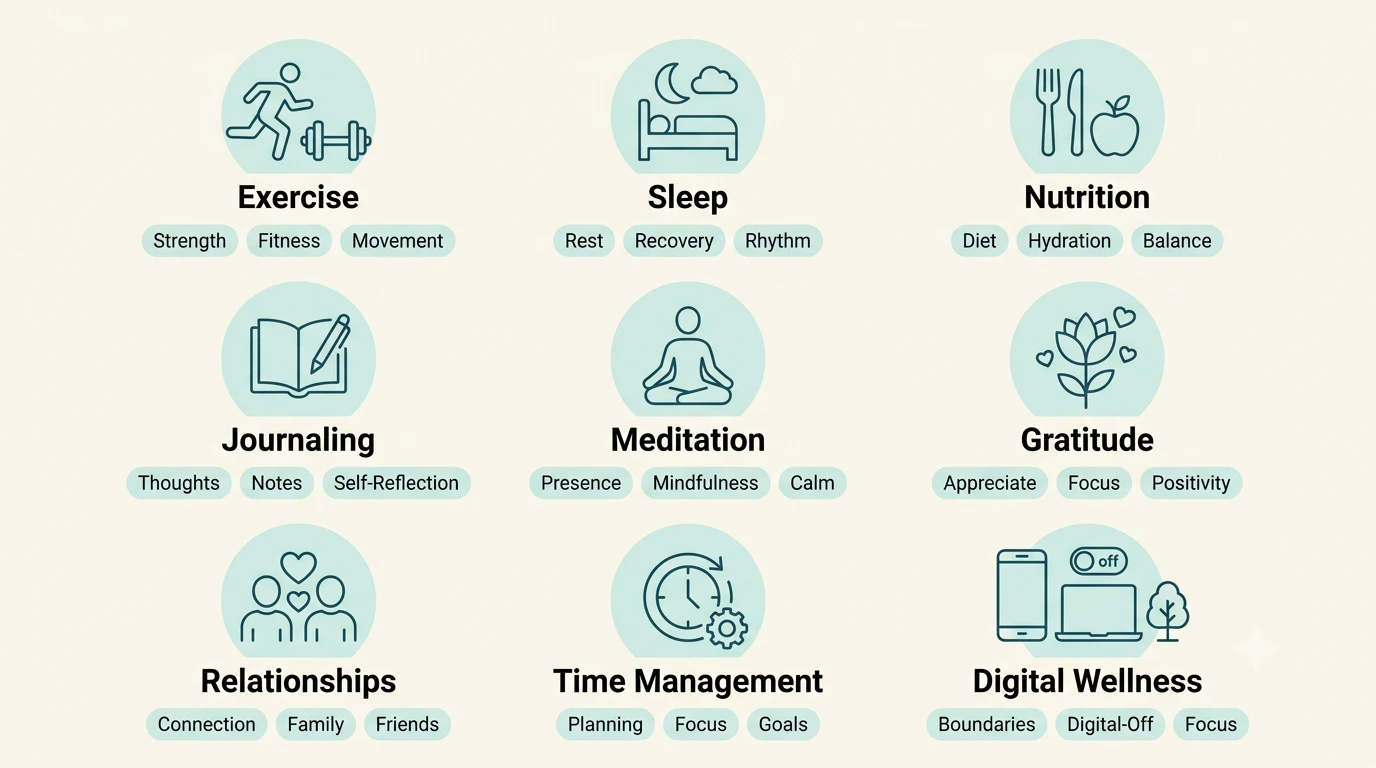
Your Daily Thrive recommends incorporating consistent daily practices that reinforce both mindset and behavioral health. These habits are supported by behavioral science research and can complement professional support:
If you are just starting out, our guide on how to build good habits in 30 days offers a structured approach to making these practices stick.
- Regular exercise: Physical activity reduces cortisol, increases dopamine and serotonin, and improves emotional regulation. Even 20 to 30 minutes of moderate exercise daily has documented benefits for mood and cognition.
- Sleep hygiene: Consistent sleep schedules, limiting screen exposure before bed, and creating a restful environment support emotional processing and cognitive resilience.
- Balanced nutrition: Blood sugar stability, adequate protein, and omega-3 fatty acids are linked to improved mood regulation and reduced anxiety.
- Journaling: Expressive writing supports emotional processing, increases self-awareness, and helps identify recurring thought patterns.
- Meditation and mindfulness: Daily mindfulness practice, even in short sessions, builds attentional control and reduces reactivity to stressors.
- Gratitude practice: Regularly noting positive experiences rewires attention toward constructive thinking and improves overall life satisfaction.
- Healthy relationships: Spending time with supportive, positive individuals reinforces adaptive behaviors and provides emotional buffering during stress.
- Time management: Structured planning reduces decision fatigue and creates space for recovery and self-care activities.
- Digital wellness: Setting boundaries around screen time, news consumption, and social media exposure reduces chronic low-grade stress and cognitive overload.
Common Challenges When Building a Healthy Mindset
Building a healthy mindset is a gradual process that involves navigating predictable obstacles. Understanding these challenges in advance reduces the likelihood that they will derail progress.
Negative Self-Talk
Negative self-talk refers to the internal critical voice that reinforces limiting beliefs about ability, worth, and potential. It often develops through early experiences, social comparison, or repeated setbacks. To overcome negative self-talk, individuals can use cognitive restructuring techniques to challenge and replace automatic negative thoughts with more balanced, evidence-based alternatives. Prevention involves building self-awareness through journaling or mindfulness so that unhelpful inner dialogue is noticed before it escalates.
Unrealistic Expectations
Expecting rapid or dramatic change is one of the most common reasons people abandon mindset work. Behavioral change is gradual, and neuroscientific research on neuroplasticity confirms that meaningful cognitive shifts take consistent repetition over weeks to months. Overcoming unrealistic expectations requires reframing success as incremental progress rather than immediate transformation. Setting process-based goals, such as practicing a skill daily, rather than outcome-based goals, such as achieving a specific result by a deadline, helps sustain motivation.
Inconsistent Habits
Habit inconsistency is one of the primary barriers to lasting behavioral health improvement. Motivation naturally fluctuates, and relying solely on motivation leads to gaps in practice. Research in behavioral science shows that linking new habits to existing routines, known as habit stacking, significantly improves consistency. Creating environmental cues, accountability systems, and low-threshold starting points helps individuals maintain momentum even on low-energy days.
Fear of Change
Fear of change is a deeply human experience rooted in the brain’s preference for predictability and safety. Even when current patterns are unhelpful, they feel familiar, making change feel threatening rather than liberating. Overcoming fear of change involves gradually and deliberately expanding the comfort zone through small, manageable steps. Acceptance and Commitment Therapy principles, particularly values clarification and committed action, provide a framework for moving toward meaningful change despite discomfort.
Mindset Behavioral Health vs Mental Health: What’s the Difference?
These three concepts are related but distinct. The table below illustrates the key differences and overlaps:
| Topic | Mindset | Behavioral Health | Mental Health |
| Definition | The beliefs, attitudes, and thinking patterns a person holds | The full range of behaviors and emotional patterns affecting well-being | Psychological and emotional condition, including diagnosable disorders |
| Primary Focus | Cognitive patterns and beliefs | Behaviors, habits, and emotional responses | Mental and emotional functioning, including disorders |
| Examples | Growth mindset, fixed mindset, optimism | Sleep habits, exercise, stress management, coping skills | Anxiety disorder, depression, PTSD, bipolar disorder |
| Long-Term Impact | Shapes how challenges and change are approached | Determines the quality and sustainability of daily functioning | Affects psychological stability, relationships, and quality of life |
Mindset is a component of behavioral health, and behavioral health influences mental health. A growth-oriented mindset can support positive behavioral patterns, which in turn protect and strengthen mental health. However, mindset shifts alone are not a substitute for professional mental health treatment when clinical conditions are present.
Factors That Influence Behavioral Health Beyond Mindset
While mindset plays an important role, behavioral health is shaped by a wide range of factors. Recognizing this complexity prevents the oversimplification of behavioral health challenges as purely a product of thinking:
- Genetics: Genetic predispositions influence susceptibility to mental health conditions, stress responses, and emotional regulation capacity.
- Environment: Early childhood environment, socioeconomic conditions, and neighborhood safety all shape behavioral health trajectories.
- Trauma: Adverse childhood experiences (ACEs) and adult trauma have lasting neurological and behavioral effects that often require specialized professional support.
- Physical health: Chronic physical conditions, hormonal imbalances, and neurological factors directly influence mood, cognition, and behavioral health.
- Relationships and social support: The quality of interpersonal connections significantly impacts emotional regulation and resilience.
- Financial stress: Economic instability creates chronic stress that affects decision-making, mood, and access to health resources.
- Work-life balance: Sustained overwork, burnout, and inadequate recovery time impair cognitive function and behavioral health over time.
Mindset is one important lever among many. A comprehensive behavioral health approach addresses all relevant factors rather than relying on mindset work alone.
Beginner Mistakes When Trying to Improve Mindset
In our experience helping readers build better habits, the following beginner mistakes are the most common barriers to lasting mindset improvement:
- Expecting instant results: Mindset shifts are neurological processes that unfold gradually. Expecting immediate change leads to discouragement and abandonment of practice. Prevention tip: Track small, daily wins rather than waiting for dramatic outcomes.
- Ignoring professional help: Self-directed mindset work has value, but it is insufficient for individuals dealing with clinical mental health conditions, trauma, or deeply ingrained cognitive patterns. Prevention tip: Treat professional support as a foundational tool, not a last resort.
- Comparing yourself with others: Social comparison activates threat responses in the brain and undermines intrinsic motivation. Prevention tip: Use personal progress as the only benchmark for success.
- Focusing only on positive thinking: Forced positivity that denies genuine difficulty is not a healthy mindset strategy. Research shows that toxic positivity can suppress emotional processing and worsen outcomes. Prevention tip: Aim for balanced, realistic thinking that acknowledges challenge without catastrophizing it.
- Skipping healthy routines: Mindset work disconnected from physical self-care produces limited results. Sleep deprivation, poor nutrition, and inactivity undermine the neurological conditions needed for cognitive change. Prevention tip: Treat physical health routines as non-negotiable supports for mindset development.
Practical Strategies for Long-Term Behavioral Health Improvement
Sustainable behavioral health improvement requires a structured, consistent, and realistic approach. The following strategies are grounded in behavioral science and supported by clinical practice:
- Set achievable goals: Break large goals into specific, time-bound steps that build momentum without overwhelming capacity.
- Build consistent habits: Use habit stacking, environmental design, and accountability systems to reduce reliance on motivation alone.
- Practice self-reflection: Regular journaling, therapy check-ins, or structured reflection promotes self-awareness and course-correction.
- Learn coping skills: Invest in developing a personal toolkit of evidence-based coping strategies for stress, anxiety, and difficult emotions.
- Maintain social connections: Prioritize relationships that are mutually supportive, honest, and emotionally safe.
- Seek support when needed: Normalize reaching out to a professional, mentor, or support community as a sign of self-awareness, not weakness.
- Review progress regularly: Monthly or quarterly reviews of goals, habits, and well-being indicators allow for intentional adjustment and reinforce a sense of growth.
Difficulty & Time Investment
Mindset behavioral health practices range widely in difficulty and time commitment. Understanding this spectrum helps individuals choose starting points that are sustainable and progressive.
- Beginner-friendly practices: Gratitude journaling, five-minute mindfulness sessions, and daily walks require minimal time and skill. These are excellent entry points for individuals new to intentional mindset work.
- Moderate strategies: CBT-based journaling, structured sleep routines, and weekly self-reflection typically require 15 to 30 minutes daily and become easier with repetition.
- Advanced strategies: Sustained mindfulness practice, therapeutic work, and long-term habit restructuring require consistent commitment over months and may initially feel effortful before becoming integrated.
- Daily time commitment: As of 2025, behavioral health practitioners recommend a minimum of 15 to 30 minutes daily for mindset-supporting practices, distributed across habits such as exercise, reflection, and mindfulness.
- Individual differences: Factors such as baseline stress level, life demands, neurodivergence, and prior trauma will influence how much time and support is needed at each stage.
Results Timeline
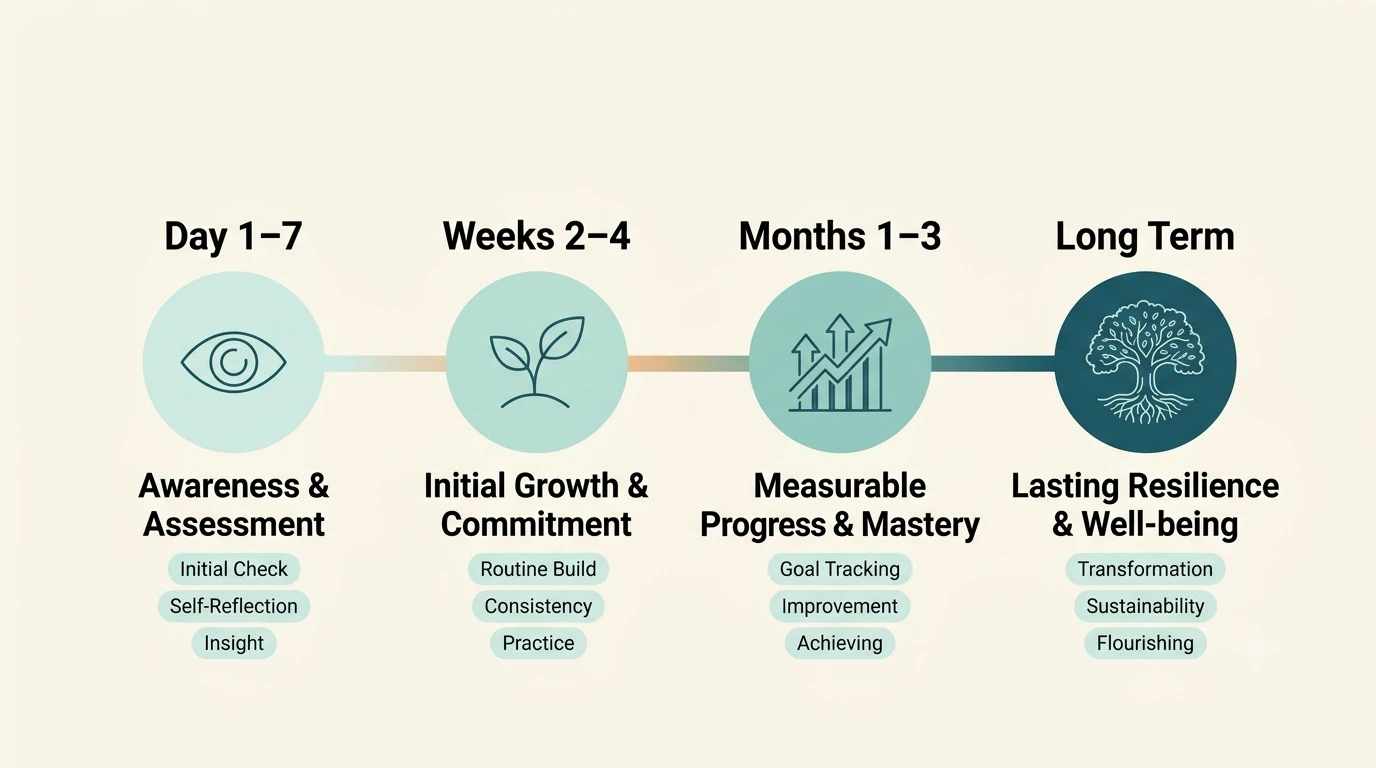
Progress in mindset and behavioral health is gradual and nonlinear. The table below outlines typical changes across time periods, though individual results vary based on consistency, professional support, and personal circumstances:
| Time Period | Typical Changes |
| First few days | Increased awareness of thought patterns; initial reduction in stress through breathing or mindfulness techniques; motivation boost from beginning a new practice |
| 2 to 4 weeks | Noticeable improvement in sleep or energy with consistent lifestyle habits; early habit formation; reduced reactivity to minor stressors |
| 1 to 3 months | Measurable changes in emotional regulation; more consistent positive habits; improved self-awareness; beginning to challenge and reframe automatic negative thoughts |
| Long term (3+ months) | Sustained behavioral change; stronger resilience; improved relationships and coping capacity; deeper cognitive shifts that support ongoing well-being |
Factors that accelerate progress include professional therapeutic support, high consistency of practice, and strong social support. Factors that slow progress include chronic stress, unaddressed trauma, and inconsistent practice.
Practice Guide for Building a Healthy Mindset
Building a healthy mindset requires a structured practice framework that balances daily action with reflection, tracking, and long-term sustainability.
Daily Routine
A consistent daily routine is the foundation of mindset behavioral health improvement. Your Daily Thrive recommends beginning each day with a brief mindfulness or breathwork practice (5 to 10 minutes), followed by a short journaling session focused on intentions or gratitude. Evening routines should include a wind-down period that limits screen exposure and prioritizes rest. Physical activity, even in short increments, should be scheduled rather than treated as optional.
Weekly Reflection
Weekly reflection sessions of 15 to 30 minutes allow individuals to review the week’s emotional patterns, identify areas of progress, and note challenges that need attention. Prompts such as ‘What triggered stress this week and how did I respond?’ or ‘What habit am I most proud of maintaining?’ support structured self-awareness and ongoing growth.
Tracking Progress
Progress tracking reinforces motivation and provides data for adjustment. Simple tracking methods include mood journals, habit trackers in a notebook or app, and brief weekly self-ratings on key indicators such as sleep quality, stress level, and emotional resilience. Digital tools such as Daylio, Habitica, or a simple spreadsheet can support consistent tracking without adding significant time burden.
Staying Motivated
Motivation naturally fluctuates, particularly during the initial weeks of habit building. To sustain motivation, individuals can connect their practices to clearly defined personal values, celebrate small milestones, and build accountability through a trusted friend, coach, or therapist. On days when motivation is low, reducing the practice to its smallest possible form, such as one minute of breathing or a single journal line, preserves the habit loop without requiring full effort.
Maintaining Long-Term Consistency
Long-term consistency is achieved through habit integration rather than willpower. This means embedding mindset practices into existing routines, creating environmental prompts such as a journal on the nightstand or a meditation app widget, and periodically refreshing practices to maintain engagement. As life circumstances change, practices should be adjusted to fit current capacity, seasonal rhythms, and evolving personal goals rather than abandoned when previous formats no longer fit.
Conclusion
Mindset behavioral health describes the powerful relationship between how a person thinks and how those thoughts shape their emotional, psychological, and behavioral well-being. A healthy mindset supports stress management, emotional resilience, consistent healthy habits, and meaningful engagement with both professional support and daily self-care. However, mindset is one component of a broader behavioral health picture that also includes genetics, environment, physical health, relationships, and access to professional resources.
The most effective path to lasting behavioral health improvement combines self-directed mindset practices with evidence-based professional support, realistic expectations, and consistent daily habits. Progress is gradual, individual, and best sustained when grounded in self-compassion, behavioral science, and structured accountability.
Whether you are beginning your behavioral health journey or deepening an existing practice, the core principle remains consistent: small, intentional actions, repeated over time, produce meaningful and lasting change.
Frequently Asked Questions About Mindset Behavioral Health
What is mindset behavioral health?
Mindset behavioral health refers to the relationship between a person’s thinking patterns, beliefs, and attitudes and their overall behavioral and emotional well-being. It describes how mindset influences daily behaviors, stress responses, emotional regulation, and the ability to build and maintain healthy habits.
How does mindset affect behavioral health?
Mindset affects behavioral health by shaping how individuals interpret challenges, regulate emotions, make decisions, and respond to stress. A growth-oriented or flexible mindset supports adaptive coping, healthy habit formation, and emotional resilience, while a fixed or negative mindset can contribute to avoidance, reduced motivation, and poorer behavioral health outcomes.
Can therapy improve mindset?
Yes. Therapy, particularly Cognitive Behavioral Therapy (CBT), is one of the most evidence-based approaches for improving mindset. Therapy helps individuals identify and reframe unhelpful thought patterns, build emotional resilience, develop coping skills, and set realistic goals. Other modalities such as ACT and DBT also support mindset development through structured psychological frameworks.
What habits support better behavioral health?
Habits that support behavioral health include regular physical exercise, consistent and adequate sleep, balanced nutrition, daily mindfulness or meditation, journaling, gratitude practice, maintaining positive social connections, and managing screen time. Behavioral science research consistently links these habits to improved mood, emotional regulation, and overall psychological well-being.
Is behavioral health the same as mental health?
Behavioral health and mental health are related but not identical. Mental health focuses specifically on psychological conditions such as depression, anxiety, and mood disorders. Behavioral health is a broader concept that includes all behaviors and emotional patterns affecting physical and psychological well-being, including sleep, exercise, substance use, and daily coping strategies. Mental health is one component within the larger field of behavioral health.
How long does it take to improve mindset?
Mindset improvement is a gradual process. Early awareness shifts can occur within the first few days of intentional practice. Noticeable behavioral changes typically emerge within two to four weeks of consistent effort. More substantial cognitive and emotional shifts often require one to three months or longer. Long-term mindset transformation is sustained through consistent practice, professional support when needed, and realistic expectations.
Can lifestyle changes improve behavioral health?
Yes. Lifestyle changes are one of the most accessible and well-supported pathways to improved behavioral health. Regular exercise, quality sleep, balanced nutrition, reduced substance use, and strong social connections all have documented positive effects on mood, cognitive function, and emotional regulation. Lifestyle changes are most effective when combined with mindset-based practices and, where appropriate, professional behavioral health support.










One Response