

Introduction
Self discovery questions are structured reflective prompts designed to help individuals understand their thoughts, emotions, beliefs, and behaviors in order to better understand who they are and what they want from life. These questions are often used through journaling practices, especially journal prompts for self discovery, to support clarity, emotional awareness, and long-term personal growth.
At the core, self-discovery questions guide introspection by turning vague thoughts into structured reflection, helping people identify patterns, values, and inner conflicts that shape decision-making.
🔹 Quick Summary
- Self discovery questions improve self-awareness, emotional clarity, and decision-making
- Journal prompts for self discovery help structure thoughts and uncover hidden patterns
- They reveal emotional triggers, beliefs, and behavioral tendencies
- Consistent journaling builds long-term clarity and identity alignment
What Self-Discovery Means and Why It Matters
Self-discovery refers to the ongoing process of understanding your identity, values, motivations, strengths, and emotional patterns. It is not a one-time realization but a continuous journey shaped by experience, reflection, and behavioral feedback.
Why it matters:
- Improves emotional regulation and decision-making
- Aligns goals with personal values
- Reduces confusion and internal conflict
- Strengthens confidence through self-understanding
Understanding yourself leads to better choices because behavior becomes aligned with identity rather than impulse or external pressure.
How Self Discovery Questions Work (Psychology Behind Reflection)
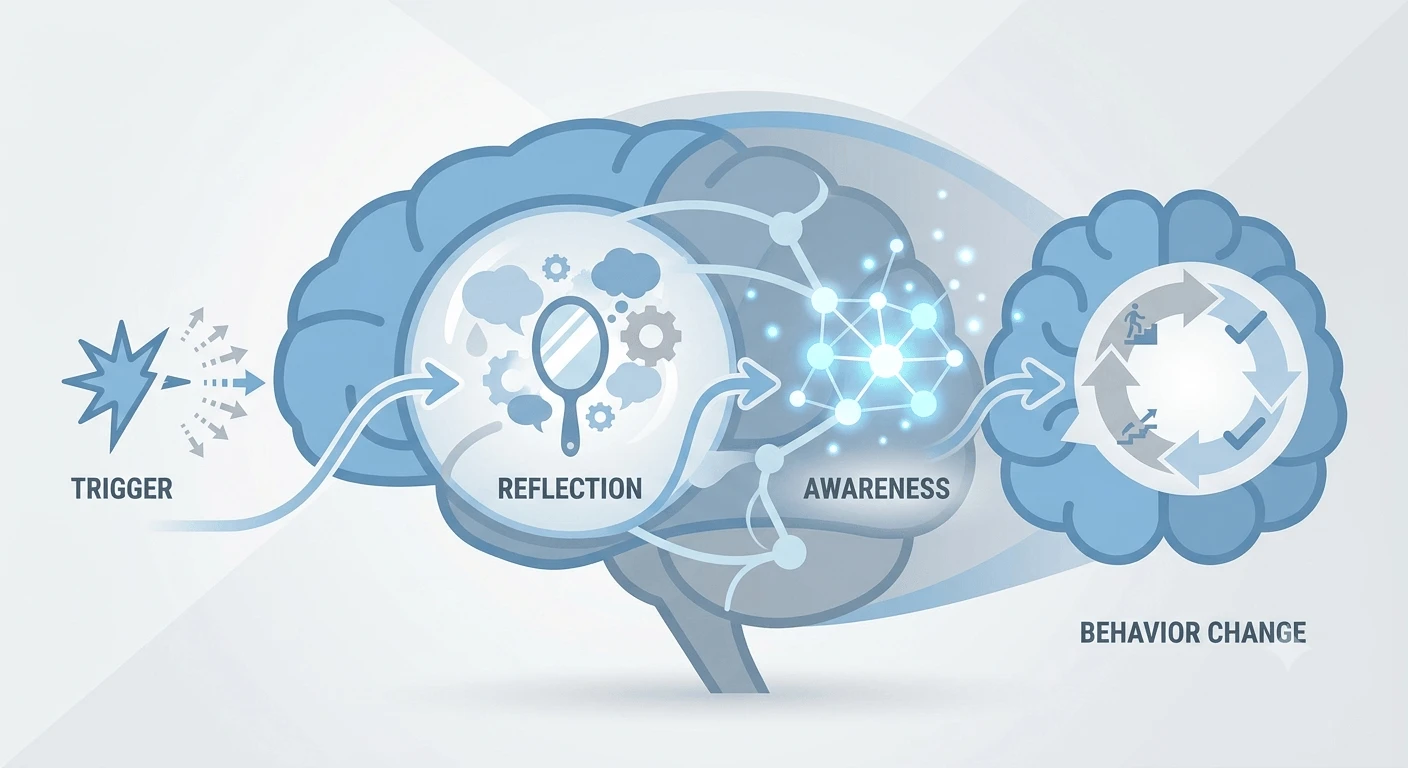
Self discovery questions work by activating reflective thinking, which slows down automatic reactions and encourages deeper cognitive processing of experiences. This process becomes even more effective when combined with cognitive reframing techniques like those explained in How to Change Your Thoughts, which help reshape negative thinking patterns into healthier ones.
Psychological mechanisms:
- Metacognition: observing your own thinking patterns
- Pattern recognition: identifying repeated behaviors and emotions
- Emotional labeling: naming emotions improves regulation
- Identity formation: repeated reflection strengthens self-concept
Writing amplifies this process because it forces structured thinking, turning abstract thoughts into observable patterns.
Journal Prompts for Self Discovery (Core Framework)
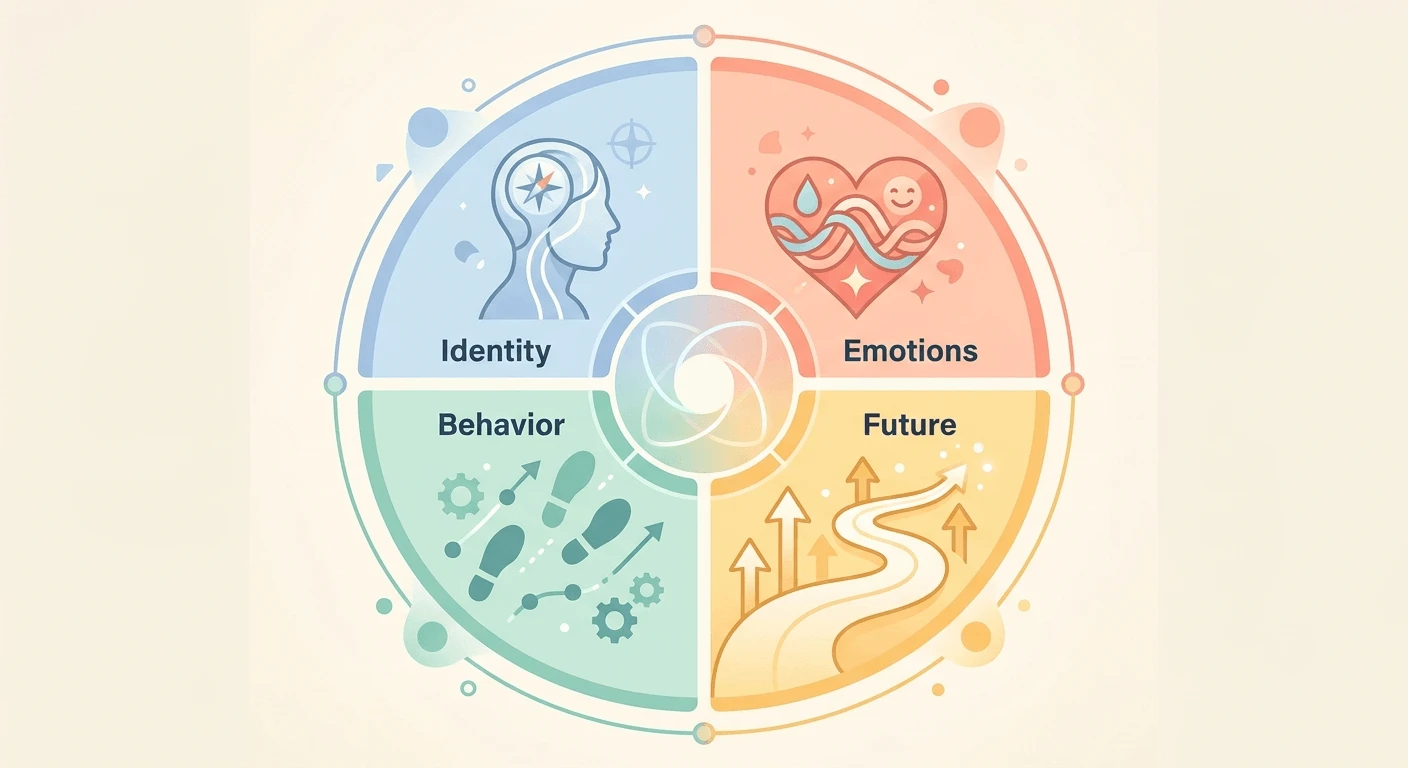
Journal prompts for self discovery provide structure when individuals struggle to know what to reflect on or where to begin.
Core categories:
- Identity-based reflection (Who am I becoming?)
- Emotional awareness (What am I feeling and why?)
- Behavioral analysis (Why did I react this way?)
- Future orientation (What do I want long-term?)
Examples:
- What values are guiding my decisions right now?
- When do I feel most aligned with myself?
- What patterns keep repeating in my life?
- What am I avoiding and why?
Deep Self Discovery Questions (Identity + Awareness Layer)
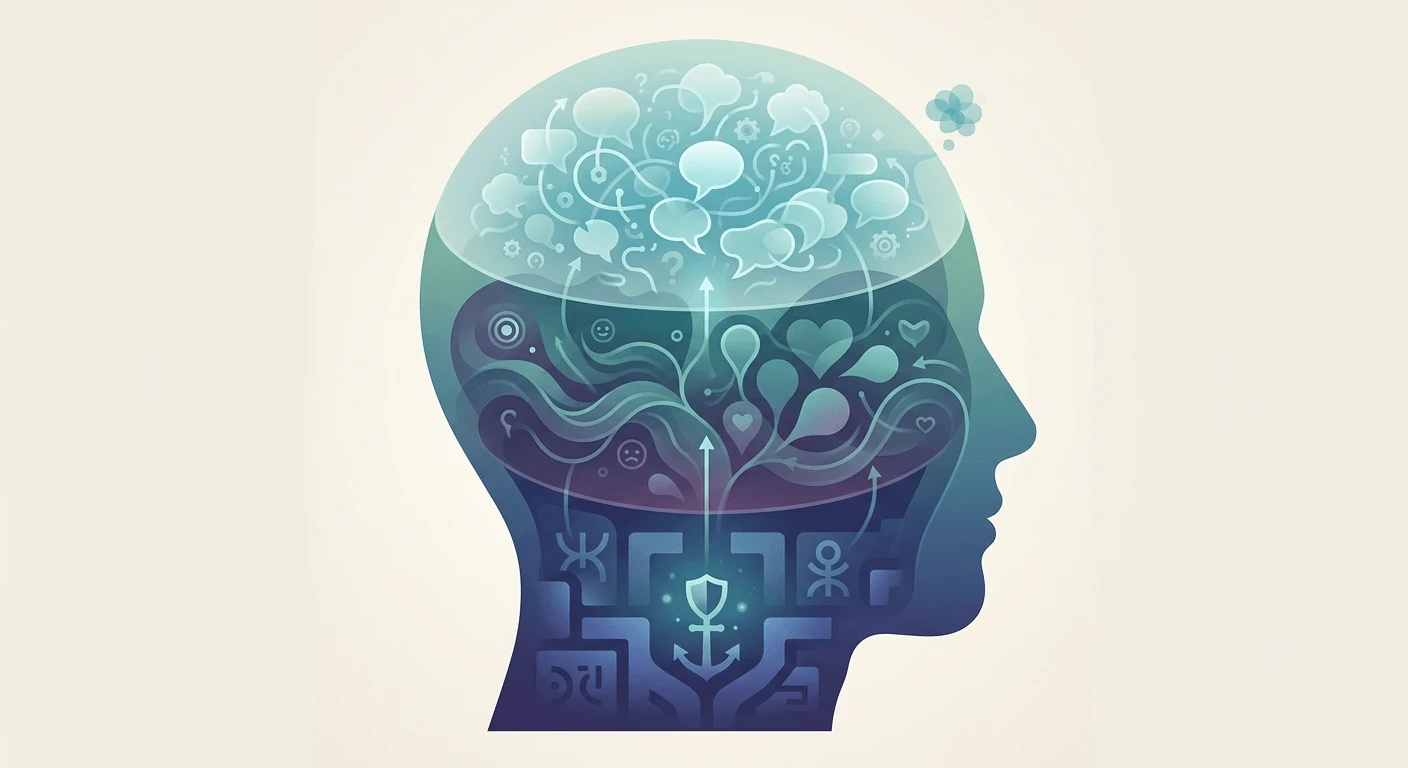
These self-discovery questions go beyond surface reflection and focus on identity structure, beliefs, and emotional conditioning.
This deeper identity exploration is closely connected to the process of self-understanding discussed in How to Find Yourself, which focuses on discovering personal direction and meaning in life.
Key areas:
- Core beliefs about self
- Emotional triggers and patterns
- Internal contradictions
- Self-image vs reality
Examples:
- What beliefs about myself might not be true?
- What thoughts do I avoid confronting?
- Where did my definition of success come from?
- What parts of myself do I hide in social situations?
Questions for Self Awareness and Emotional Clarity
Self-awareness questions help individuals recognize emotional responses and understand behavior patterns in real time.
Focus areas:
- Emotional triggers
- Reaction patterns
- Stress responses
- Relationship behavior
Examples:
- What situations trigger strong emotional reactions in me?
- How do I behave under stress or pressure?
- What do my reactions reveal about my insecurities?
- When do I feel most emotionally stable?
Things to Journal About (Structured Categories)
Structured journaling reduces confusion and improves consistency in self-reflection practice.
Common categories:
- Daily emotional check-ins
- Wins and setbacks
- Relationship dynamics
- Goal progress tracking
- Fear and limiting beliefs
Why structure matters:
- Reduces mental overwhelm
- Builds consistency
- Improves insight quality over time
Self Discovery Journal Prompts for Habitual Growth
Self discovery journal prompts become more powerful when integrated into a consistent routine rather than used occasionally. Building a consistent journaling routine is similar to habit formation strategies explained in How to Build Good Habits in 30 Days, where small daily actions gradually become automatic behaviors.
Habit integration:
- Morning: intention-setting prompts
- Evening: reflection and emotional review
- Weekly: pattern analysis
Example routine:
- What did I learn about myself today?
- Where did I act out of alignment with my values?
- What can I improve tomorrow?
Consistency transforms reflection into identity-level change over time.
Comparison: Surface Reflection vs Deep Self-Discovery

| Type | Focus | Outcome |
| Surface reflection | Daily events | Temporary awareness |
| Deep self-discovery | Identity + patterns | Long-term transformation |
| Journaling prompts | Structured guidance | Clear insights |
| Unstructured thinking | Random reflection | Inconsistent clarity |
Common Barriers in the Self Discovery Journey
Why people struggle:
- Avoidance of uncomfortable truths
- Inconsistent journaling habits
- Overthinking instead of writing
- Expecting immediate clarity
How to overcome:
- Start with simple prompts
- Focus on consistency over depth
- Keep reflections short and regular
- Accept uncertainty as part of growth
Most inconsistency comes from expecting emotional clarity too quickly.
Self Discovery Process: Step-by-Step Framework
- Start with basic self-reflection questions
- Observe emotional and behavioral patterns
- Identify repeated triggers or thoughts
- Explore deeper identity-based questions
- Adjust behavior based on insights
Over time, awareness shifts into behavioral change, not just insight.
Practical Example: Applying Self Discovery Questions in Real Life
A person feeling stuck in their career can use structured reflection to identify root causes.
Reflection process:
- What parts of my job feel draining?
- Do I prioritize stability over growth?
- What would I do without fear?
- What tasks feel naturally fulfilling?
Result:
This process clarifies whether dissatisfaction comes from misalignment or fear-based hesitation.
Science-Backed Insight
Self-reflection through writing improves cognitive clarity by engaging structured thinking pathways and reducing emotional overload. This allows individuals to evaluate experiences more objectively, improving decision-making under uncertainty.
Conclusion
Self discovery questions and journal prompts for self discovery are practical tools for improving self-awareness, emotional clarity, and long-term behavioral alignment. When used consistently, they transform thinking patterns from reactive to reflective, enabling more intentional life choices.
The core takeaway is simple: self-understanding is built through repeated reflection, not sudden insight.
FAQs
1. What are self discovery questions?
They are structured prompts that help individuals explore thoughts, emotions, values, and behavior patterns to improve self-awareness.
2. Why do journal prompts for self discovery work?
They provide structure that makes it easier to identify emotional and behavioral patterns over time.
3. How often should I use self reflection questions?
Daily or several times a week for consistent self-awareness development.
4. What should I journal about if I feel stuck?
Start with emotions, recent decisions, daily experiences, and personal reactions.
5. What is the difference between self-awareness and self-discovery?
Self-awareness focuses on understanding current behavior, while self-discovery explores deeper identity, beliefs, and long-term patterns.