

Introduction (100–120 words)
Learning how to find yourself is a structured process of rebuilding clarity when your identity feels unclear or fragmented. It involves understanding your values, emotional patterns, and daily behaviors to regain direction in life. Many people experience disconnection from themselves due to stress, routine pressure, or external expectations, which leads to confusion about purpose and identity. Self-discovery is not about becoming a different person but about removing layers of external influence that distort your real preferences. Through reflection, experimentation, and consistent awareness, you can gradually rebuild a stable sense of identity, improve decision-making, and create long-term personal direction aligned with your internal values.
If you want to go deeper into practical direction building, you can explore how to structure your life through how to live a better life, or learn mindset alignment in how to live your best life.
🔹 QUICK SUMMARY BLOCK
- Self-discovery helps reconnect identity, values, and emotional clarity
- People lose themselves due to stress, expectations, and routine overload
- Clarity develops through action, reflection, and behavioral feedback
- Small habits shape long-term identity more than motivation
- Emotional awareness improves decision-making and direction
What It Really Means to Find Yourself
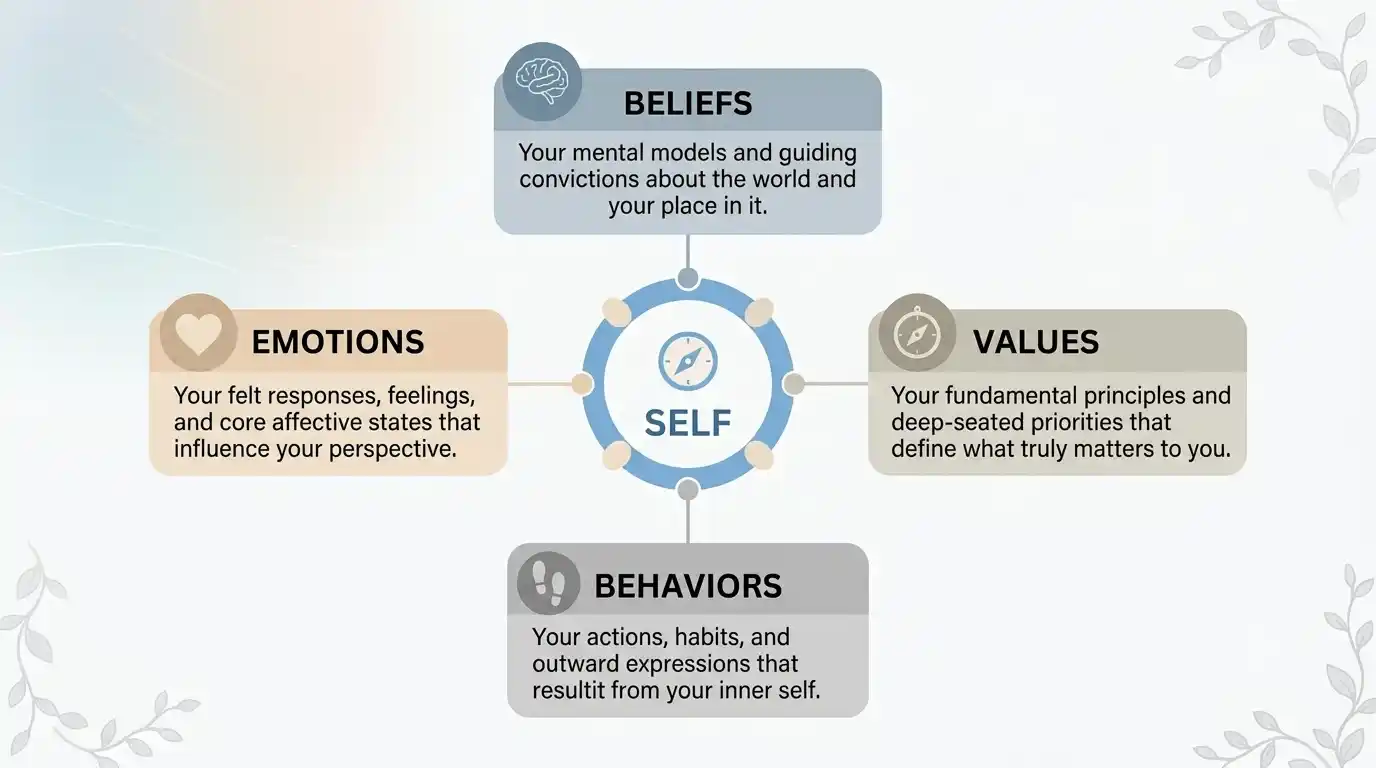
Finding yourself means understanding who you are beyond roles and external labels. Identity is formed through habits, beliefs, emotions, and repeated decisions. True self-awareness comes when your internal values guide behavior instead of outside pressure.
Core elements include:
- Values (what you prioritize in life)
- Emotions (what you consistently feel and why)
- Behaviors (what you repeatedly do)
- Self-beliefs (how you define yourself)
Why People Lose Themselves in Life
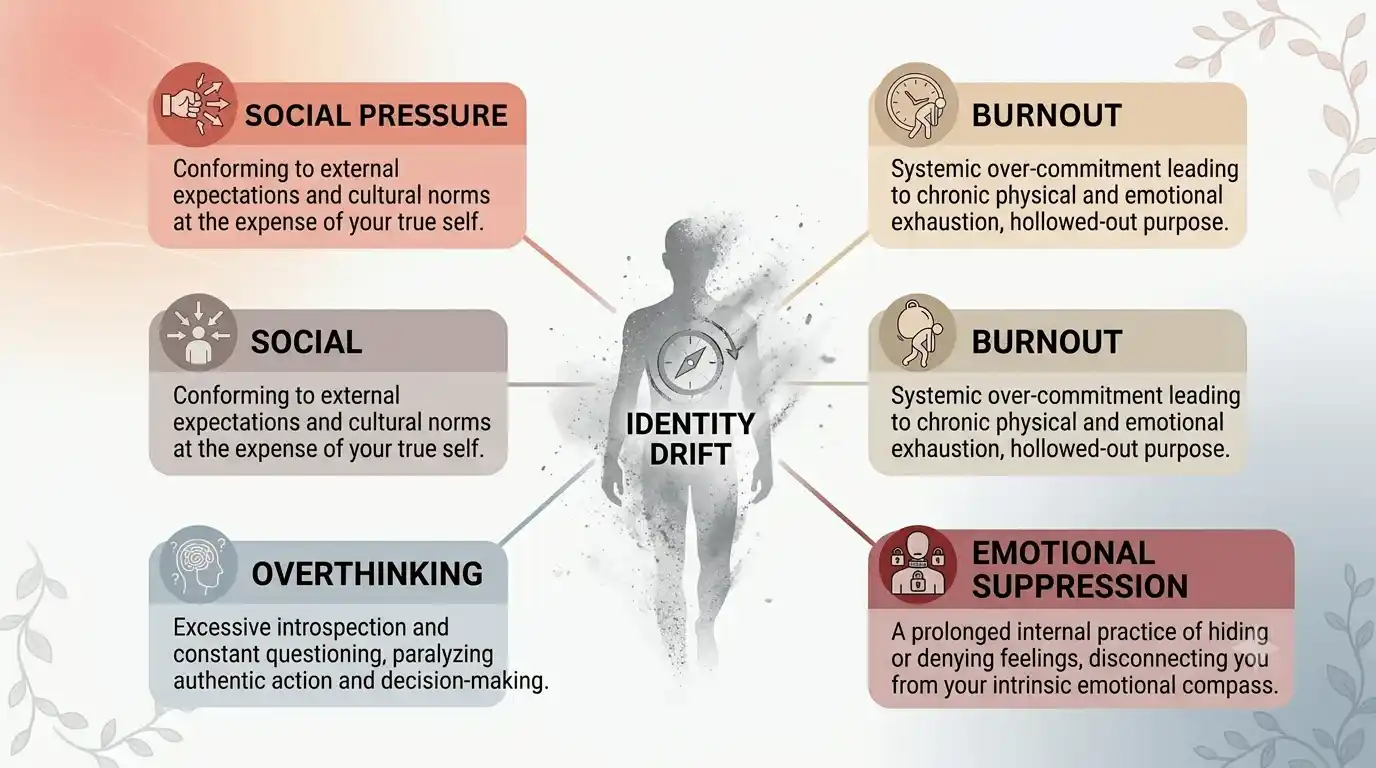
People lose their sense of identity when external expectations override internal awareness for long periods. Emotional disconnection and internal pressure often overlap with deeper behavioral patterns like micro-trauma effects on identity and emotional regulation struggles.
Common reasons:
- Social pressure and comparison culture
- Long-term stress or burnout cycles
- Over-identification with work or relationships
- Ignoring emotional needs
- Lack of self-reflection habits
This creates a disconnect between actions and authentic preferences.
Signs You’ve Lost Yourself
Loss of identity is usually gradual and shows up in behavior and emotional patterns.
Key signs:
- Feeling emotionally disconnected or numb
- Lack of motivation or direction
- Difficulty making simple decisions
- Losing interest in previously meaningful activities
- Feeling like life is on autopilot
These signals indicate weakened self-awareness and misaligned habits.
How to Find Yourself Again (Step-by-Step Framework)
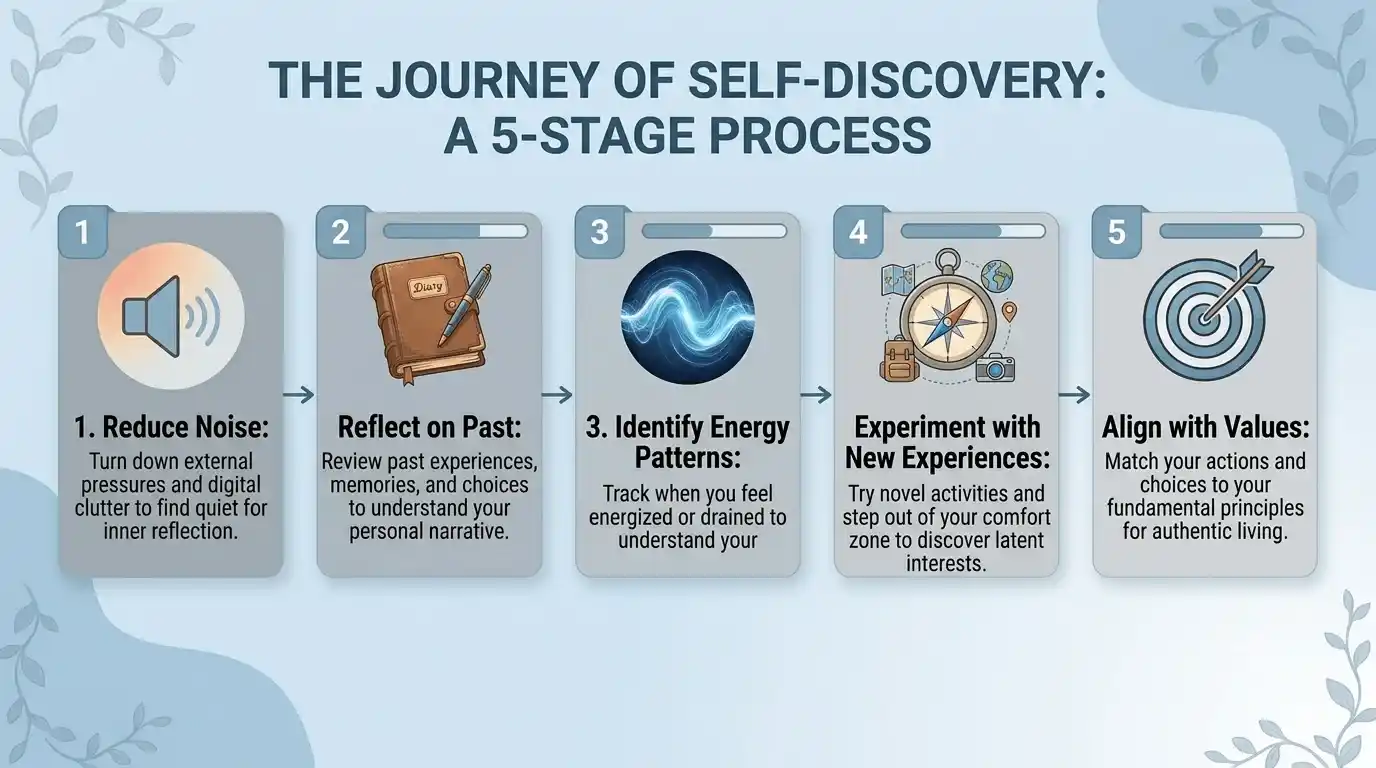
Self-discovery requires structured action combined with reflection. These steps become more powerful when combined with structured habit systems like how to build good habits in 30 days or emotional clarity tools such as how to change your thoughts.
Steps:
- Reduce external noise (social media, opinions, distractions)
- Reflect on past experiences that felt meaningful
- Identify activities that energize vs drain you
- Experiment with new habits and environments
- Align daily actions with observed values
This process works because behavior generates feedback, and feedback builds clarity.
Self-Discovery Methods That Actually Work
Effective self-discovery is based on action, not overthinking. A powerful self-discovery tool is guided reflection through journaling prompts for self-growth, which helps identify patterns you normally miss.
Methods:
- Daily journaling to track emotions and thoughts
- “What feels natural and energizing?” reflection practice
- Life timeline analysis (high and low points)
- Trying new skills, routines, or environments
- Gathering feedback from trusted people (without dependence)
Psychology shows identity strengthens through repeated behavior patterns.
Finding Your Passion and Direction in Life
Passion develops through exploration, not instant realization.
Key insights:
- Curiosity is a stronger guide than motivation
- Interest builds through repetition and exposure
- Action reveals preferences faster than thinking
Practical approach:
- Try small, low-pressure activities
- Observe emotional energy after each experience
- Repeat activities that feel engaging
How Loving Yourself Helps You Find Yourself
Self-love stabilizes identity by reducing internal conflict and criticism.
Effects:
- Improves emotional regulation
- Reduces dependence on external validation
- Strengthens decision clarity
- Builds internal trust
When self-judgment decreases, internal signals become easier to interpret.
Mental and Emotional Barriers That Block Self-Discovery
Many people struggle not due to lack of effort but due to internal resistance.
Common barriers:
- Fear of uncertainty and change
- Overthinking and decision paralysis
- Attachment to fixed identity (“I must stay this way”)
- Fear of judgment from others
- Comfort zone dependency
These barriers reduce experimentation, which slows clarity development.
Comparison — What Actually Helps You Find Yourself
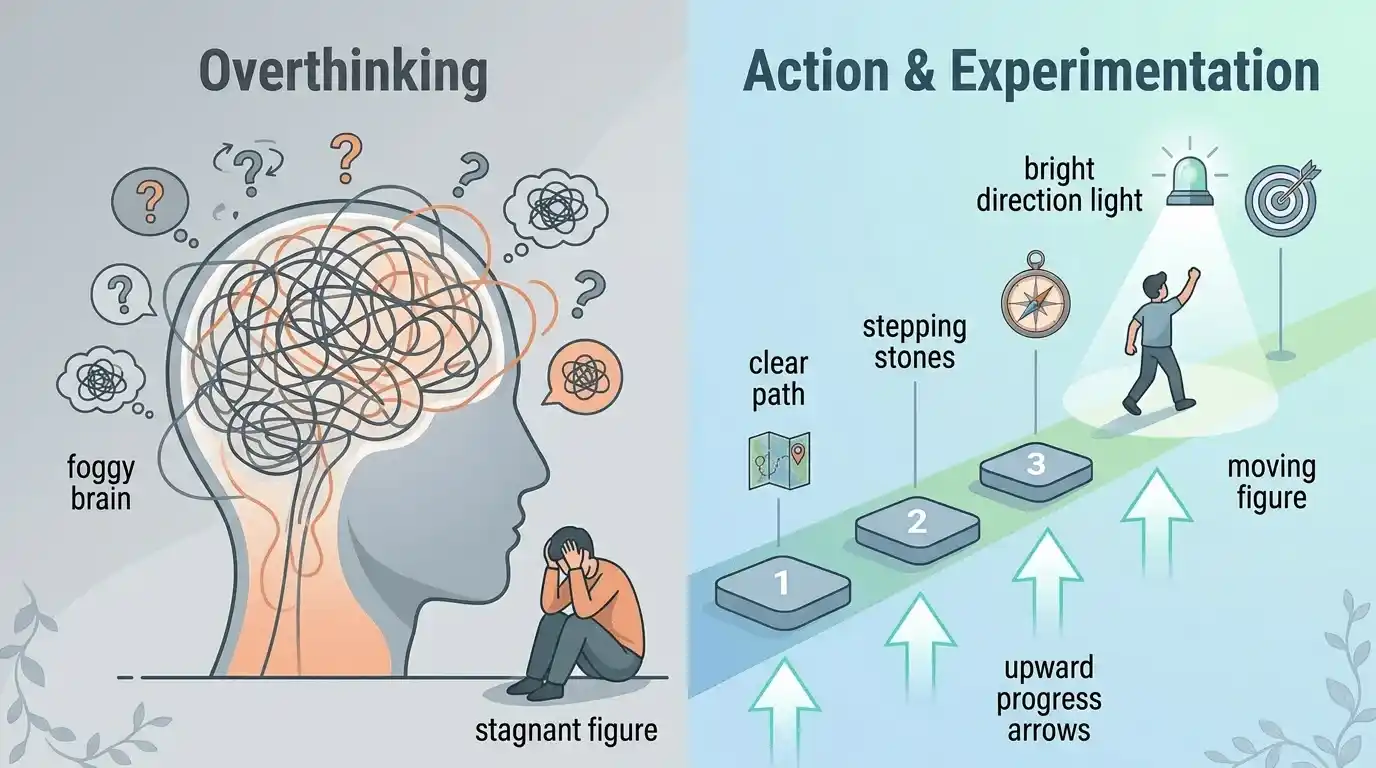
| Approach | Short-Term Effect | Long-Term Outcome |
|---|---|---|
| Motivation | Temporary boost | Inconsistency |
| Discipline | Stability | Sustainable clarity |
| Overthinking | Illusion of control | Stagnation |
| Action & experimentation | Real feedback | Identity clarity |
Habit & Routine Rebuilding for Self-Rediscovery
Identity is shaped through repeated daily actions.
Key habit areas:
- Morning reflection for awareness building
- Digital boundaries to reduce external noise
- Weekly new experiences for exploration
- Emotional check-ins to track internal states
Consistent habits build self-trust, which strengthens identity clarity over time.
Real-Life Scenarios of Finding Yourself
Self-discovery often becomes necessary during transitions:
- After breakup: rebuilding identity independently
- Career confusion: testing new skills and directions
- Burnout recovery: restoring emotional balance
- Life transitions: redefining values and priorities
Each situation requires experimentation, not just thinking.
Common Myths About Finding Yourself
- “You find yourself once” → Identity evolves continuously
- “Motivation is required first” → Action creates motivation
- “Tests define who you are” → They only show patterns
- “You must restart your life” → Small changes are enough
Self-discovery is ongoing and adaptive.
Conclusion
Finding yourself is a continuous process of aligning behavior with internal values through reflection and experimentation. Clarity does not come from thinking alone but from repeated real-world feedback. When habits, emotions, and actions become aligned, identity stabilizes naturally. Small consistent changes are more powerful than dramatic life shifts, making self-discovery a gradual but reliable process of personal growth.
FAQs
1. Why do I feel like I’ve lost myself?
Because long-term stress, routine pressure, or external expectations disconnect you from your internal values and emotions.
2. How do I start finding myself again?
Begin by reducing external noise and observing what activities and experiences feel meaningful.
3. How long does it take to find yourself?
It varies, but clarity builds gradually through consistent reflection and real-life experimentation.
4. What if I don’t know what I enjoy anymore?
Try different small activities and track your emotional response instead of forcing preferences.
5. Can I find myself without changing my entire life?
Yes, small behavioral shifts are often enough to rebuild identity clarity.
6. How does self-love help self-discovery?
It reduces self-criticism, making it easier to understand your true emotional signals.
7. Why do I feel lost again after improving?
Because identity is not fixed; without consistent reflection, old habits and patterns can return.









2 Responses