
Introduction
Growth mindset books for 10 year old are stories and guided resources that teach children that abilities, intelligence, and skills grow through effort, practice, and persistence rather than staying fixed from birth. This idea, popularized by psychologist Carol Dweck, gives children a practical framework for handling challenges in school, sports, friendships, and creative pursuits. At age 10, kids are old enough to understand abstract lessons about failure and effort but still benefit from relatable characters and clear storytelling. Well-chosen books in this category support reading development, social-emotional learning, and long-term resilience, making them a valuable tool for parents, teachers, and caregivers.
Quick Summary
- Growth mindset books teach children that abilities improve through effort, learning, and persistence.
- The best books for 10-year-olds combine engaging stories with meaningful life lessons.
- Fiction and non-fiction support growth mindset in different but complementary ways.
- Parents and teachers can reinforce growth mindset by discussing lessons beyond the story.
- Book selection should prioritize reading level, relatability, and practical takeaways over popularity.
What Is a Growth Mindset for a 10-Year-Old?
Explaining Growth Mindset in Simple Language
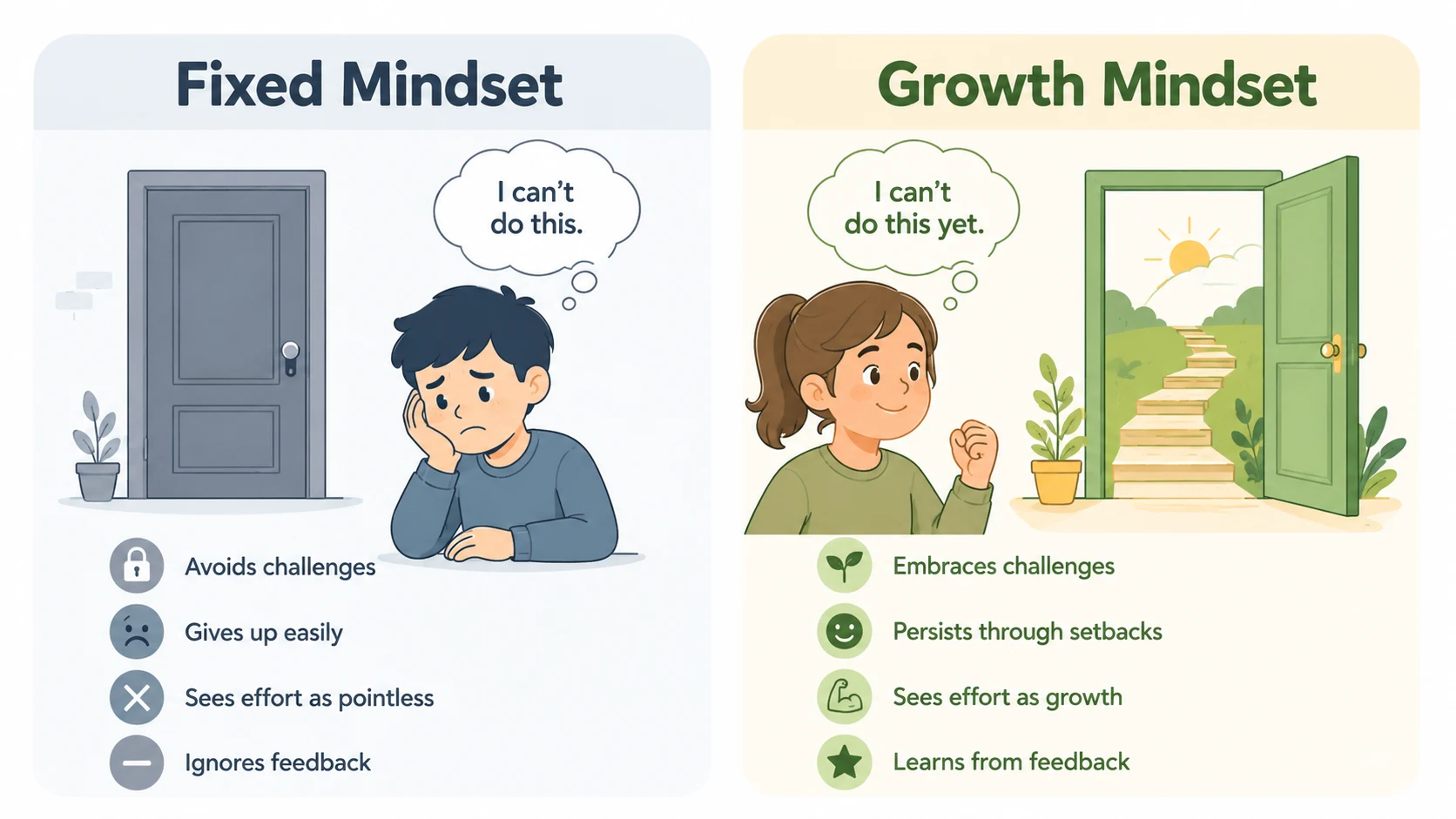
A growth mindset is the belief that skills and intelligence can be developed through effort, strategy, and practice, rather than being fixed traits a person is born with. A fixed mindset, by contrast, assumes ability is static — a child either “is” good at math or “isn’t.” For a 10-year-old, this distinction becomes visible in everyday moments: struggling with a tricky homework problem, missing a goal in soccer, or feeling discouraged after a piano recital that didn’t go as planned. To understand the bigger picture behind this shift in thinking, see our full breakdown of why growth mindset is important at every stage of life.
Children with a growth mindset are more likely to view these situations as opportunities to improve rather than as proof of a permanent limitation. Books that model this thinking help children internalize phrases like “I can’t do this yet” instead of “I can’t do this.” When explaining growth mindset to a child, it helps to use concrete, relatable examples from school, sports, hobbies, and friendships rather than abstract psychological terminology. Education-focused growth mindset books for 10 year old often use these familiar settings intentionally, since children learn concepts faster when they see them applied to situations they already recognize.
Why Age 10 Is an Important Stage for Mindset Development
Age 10 sits at a pivotal point in child development, making it an especially effective time to introduce growth mindset concepts through books. Several developmental factors converge at this stage:
- Emotional development: Children begin forming more complex emotional responses to failure and success.
- Academic confidence: School work becomes more demanding, and self-perception around ability starts to solidify.
- Independence: Kids increasingly navigate challenges without constant adult guidance.
- Problem-solving: Cognitive development allows for more abstract reasoning about cause and effect.
- Building resilience after setbacks: Peer comparison and competition (in sports, academics, and social settings) become more prominent, making resilience-building especially valuable.
Because these shifts happen simultaneously, books introduced around this age can have a lasting effect on how children interpret challenges for years to come.
Why Reading Growth Mindset Books Helps Children
Skills Children Develop Through Growth Mindset Stories
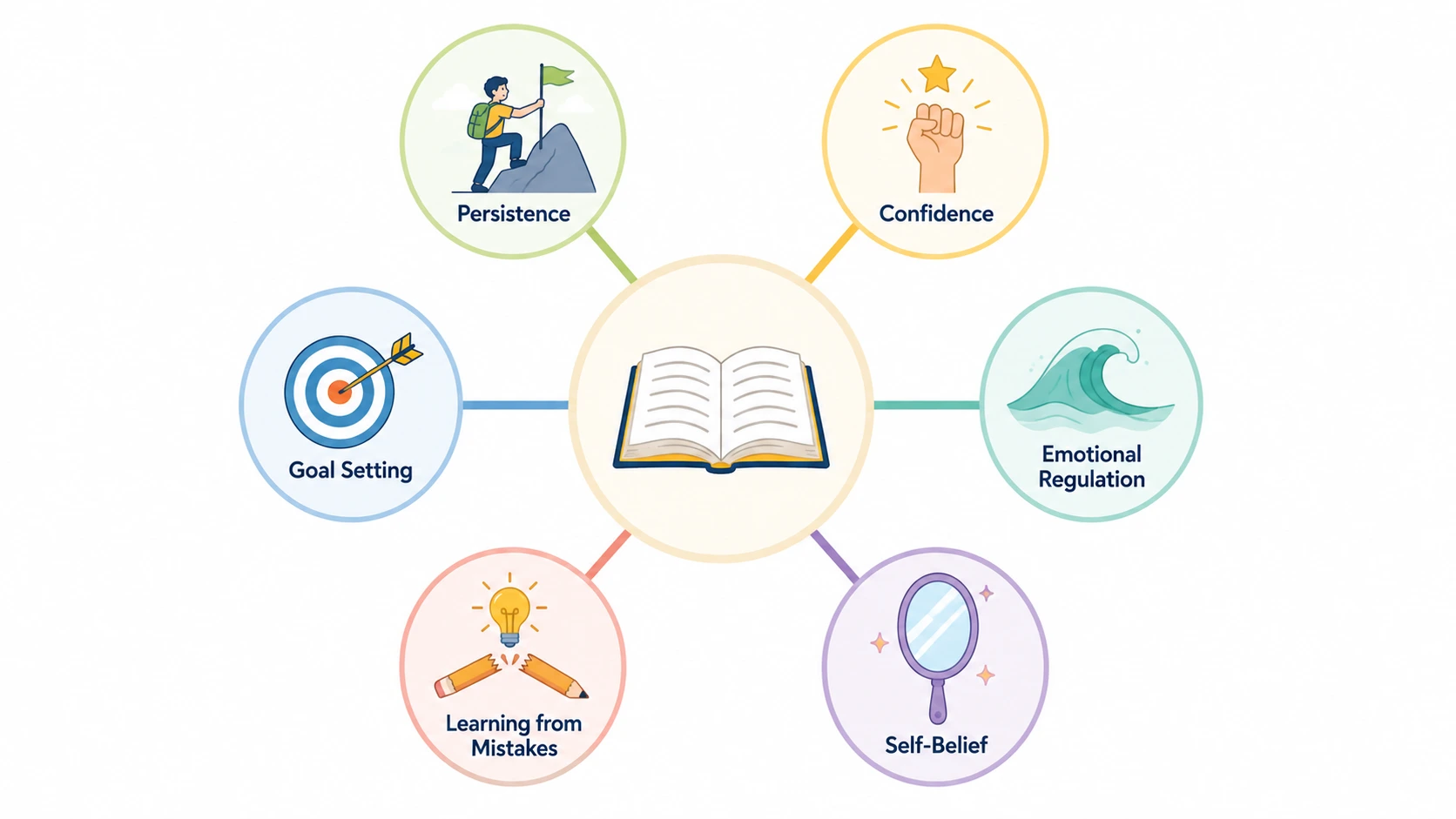
Growth mindset books are not just motivational — they build specific, measurable skills. In our experience helping readers build better habits in children, the most effective books consistently reinforce the following:
- Persistence: Learning to continue trying after initial failure.
- Confidence: Developing belief in one’s ability to improve over time.
- Emotional regulation: Managing frustration, disappointment, and anxiety productively.
- Self-belief: Internalizing the idea that effort leads to progress.
- Learning from mistakes: Reframing errors as informative rather than shameful.
- Goal setting: Practicing how to break big goals into achievable steps.
How Stories Influence Children’s Thinking
Stories influence mindset development through several psychological mechanisms rooted in behavioral science and child development research:
- Character modeling: Children often mimic the coping strategies used by relatable protagonists.
- Reflection: Well-written stories prompt children to pause and consider how they would respond in a similar situation.
- Empathy: Following a character through struggle builds emotional understanding of setbacks.
- Positive habits: Repeated exposure to persistence-themed narratives can reinforce habit formation.
- Long-term mindset development: Consistent reading over months, rather than a single book, produces the most durable mindset shifts.
Your Daily Thrive recommends pairing story time with brief discussion, since reflection is often what transforms a story from entertainment into a lasting lesson.
Types of Growth Mindset Books for 10-Year-Olds
Fiction Growth Mindset Books
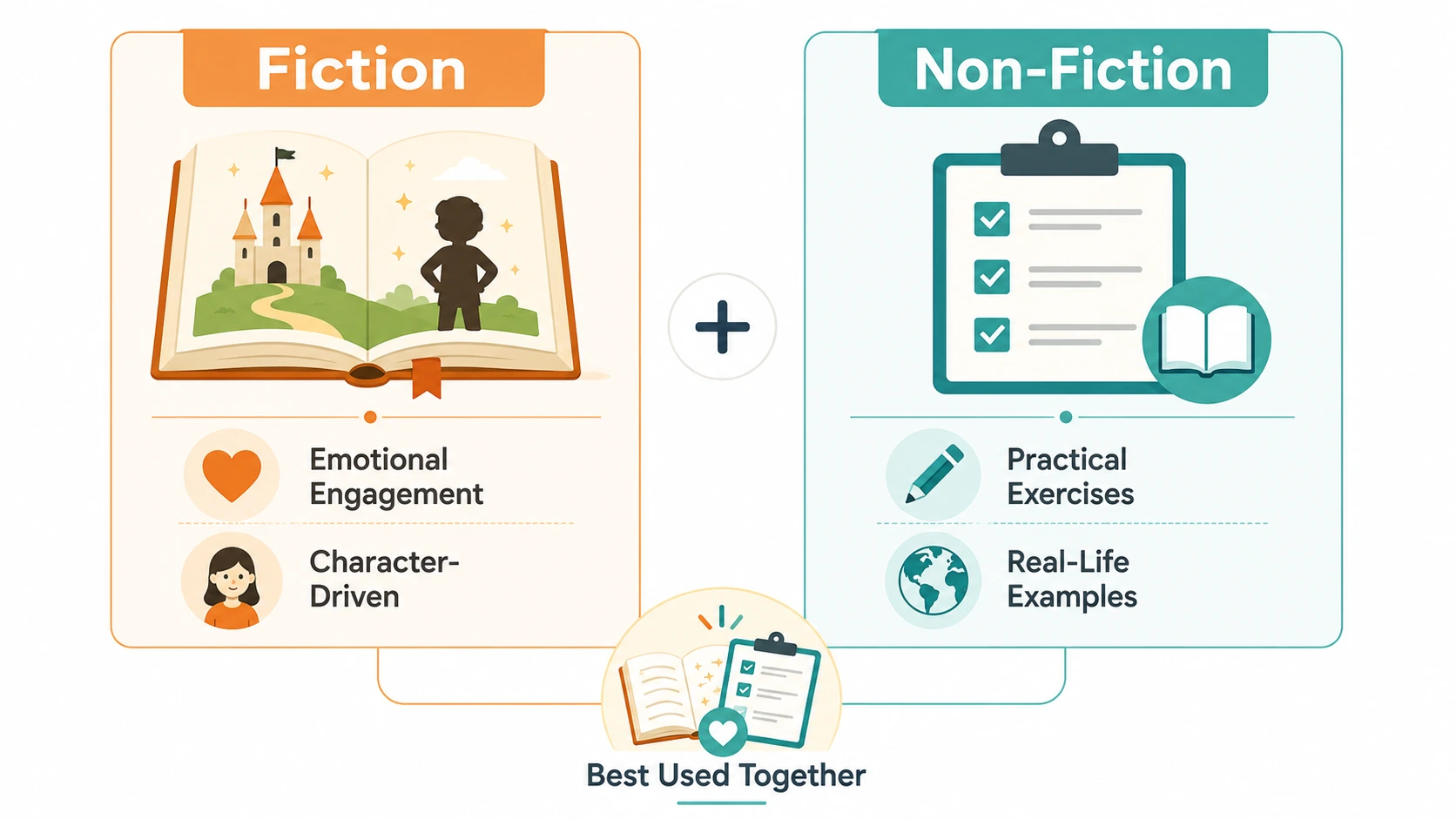
Fiction growth mindset books for 10 year old use narrative and character arcs to teach perseverance indirectly. Rather than stating lessons outright, fictional stories let children experience challenges alongside a character, which strengthens emotional learning and character development. A character who fails a test, feels discouraged, and eventually improves through effort demonstrates growth mindset principles more memorably than a direct instruction would.
Non-Fiction Growth Mindset Books
Non-fiction growth mindset books for 10 year old take a more direct, explanatory approach. These books typically include:
- Practical exercises for building resilience
- Real-life examples of people who overcame setbacks
- Inspirational stories framed around effort and improvement
Non-fiction titles work well for children who prefer clear, structured explanations over narrative storytelling.
Growth Mindset Workbooks
Workbook growth mindset books for 10 year old combine educational content with hands-on engagement. These typically include:
- Interactive activities that reinforce key concepts
- Reflection prompts to encourage self-awareness
- Goal-setting exercises that translate lessons into action
Workbooks are particularly effective for children who learn best through doing rather than reading alone.
Characteristics of the Best Growth Mindset Books for 10-Year-Olds
The best growth mindset books for 10 year old share several defining qualities, regardless of specific title or publisher. When evaluating kids’ books on growth mindset for 10 year old look for:
- Age-appropriate language: Vocabulary and sentence complexity suited to a 10-year-old’s reading level.
- Relatable characters: Protagonists facing realistic school, social, or family challenges.
- Positive role models: Characters who demonstrate effort, patience, and constructive responses to failure.
- Practical lessons: Takeaways children can apply to real situations, not just abstract encouragement.
- Engaging illustrations where appropriate: Visual elements that support comprehension without overwhelming the text.
- Realistic challenges: Struggles that mirror real childhood experiences rather than idealized outcomes.
- Encouraging messages: Tone that motivates without minimizing genuine difficulty.
Short growth mindset books for 10 year old can be just as effective as longer titles when they clearly demonstrate these qualities, and new growth mindset books for 10 year old continue to emerge each year as more authors incorporate behavioral science into children’s literature. A strong growth mindset book for kids does not need to be lengthy or complex — clarity and relatability matter more than page count.
Fiction vs Non-Fiction Growth Mindset Books
| Feature | Fiction | Non-Fiction |
|---|---|---|
| Learning style | Narrative-based, indirect | Explanation-based, direct |
| Emotional engagement | High, through character connection | Moderate, through real examples |
| Practical exercises | Rare, embedded in story context | Common, often structured |
| Real-life examples | Limited, fictionalized scenarios | Frequent, drawn from real people |
| Best for | Children who enjoy storytelling and imaginative learning | Children who prefer clear, structured guidance |
Fiction works best when a child needs emotional connection to internalize a lesson, while non-fiction works best when a child benefits from direct explanation and actionable steps. Many families find that combining both formats offers the most balanced growth mindset education, since fiction builds empathy and motivation while non-fiction reinforces practical strategy.
Choosing Books Based on a Child’s Interests
Matching a book’s theme to a child’s existing interests significantly increases engagement and motivation to read. Consider the following categories:
Adventure and Imagination
Adventure-themed books use exploration and problem-solving scenarios to model perseverance in exciting, high-stakes settings.
Science and Discovery
Science-focused titles often highlight experimentation and the idea that failure is a normal, expected part of the discovery process.
Art and Creativity
Art growth mindset books for 10 year old show characters improving their craft through repeated practice, reinforcing that creative skill develops over time rather than existing as innate talent.
Sports and Competition
Sports-themed stories frequently center on teamwork, practice routines, and recovering from losses, making them effective for children who relate to athletic contexts.
Matching a book to a child’s genuine interests, rather than choosing solely based on popularity, tends to produce stronger engagement and more lasting lessons.
Inclusive and Diverse Growth Mindset Books
Why Representation Matters
Books featuring diverse cultures, backgrounds, and experiences help children see themselves reflected in growth mindset narratives, which strengthens relatability and emotional connection. Representation also broadens perspective for children outside the featured culture, building empathy alongside resilience. Black growth mindset books for 10 year old, along with titles representing other underrepresented backgrounds, add important diversity to a child’s reading list and demonstrate that growth mindset principles apply universally across communities.
Should Books Be Chosen by Gender?
Growth mindset skills benefit every child regardless of gender, and books should generally be selected based on interest and relevance rather than gender-specific marketing. While some publishers market titles as boy growth mindset books for 10 year old or girl growth mindset books for 10 year old, the underlying lessons — persistence, resilience, self-belief — are universally applicable. Encouraging children to read across a range of protagonists, regardless of gender, broadens their exposure to different problem-solving styles and emotional responses.
How Parents and Teachers Can Use Growth Mindset Books Effectively
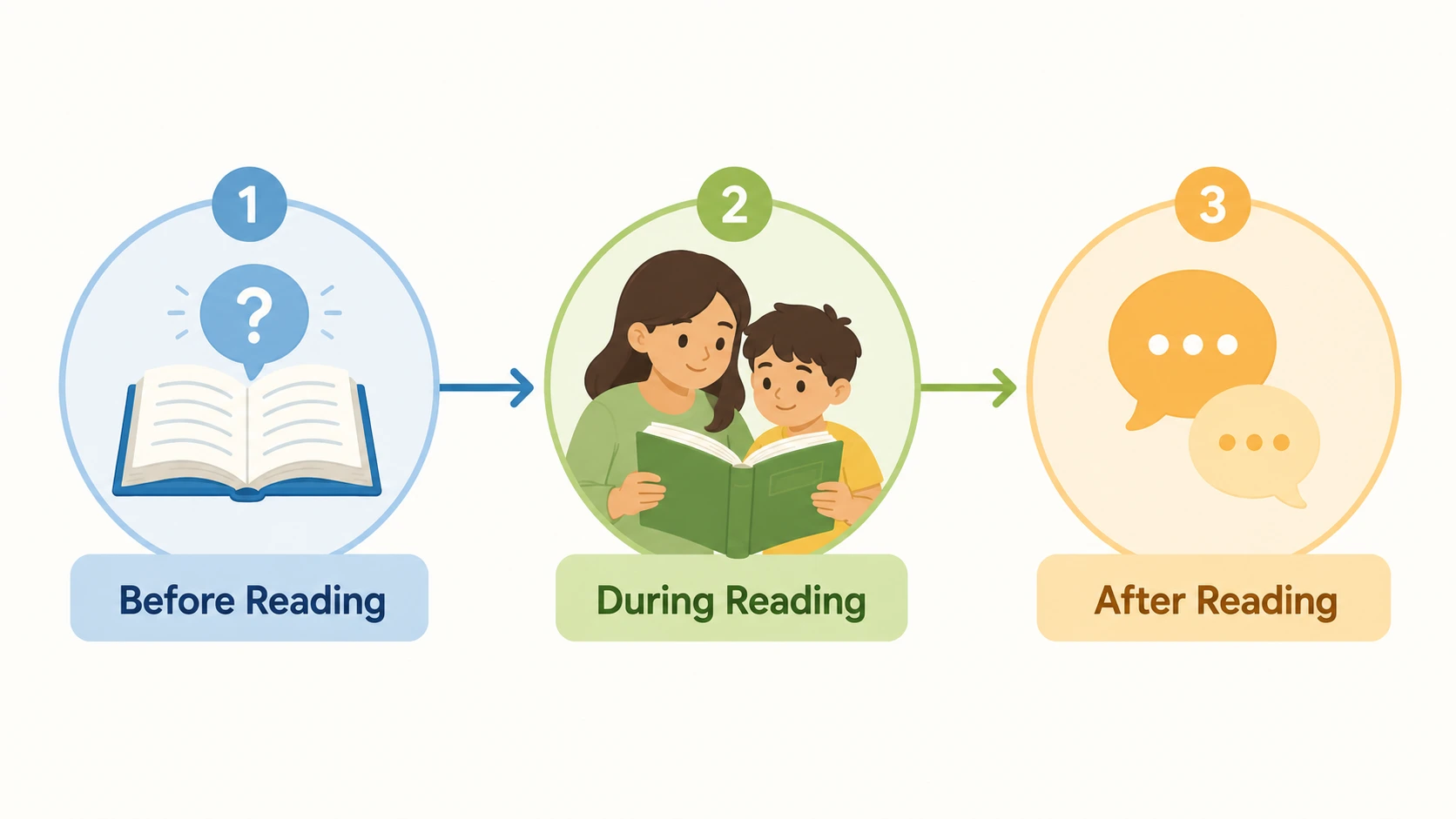
Before Reading
Set expectations by briefly discussing what growth mindset means and what the child might notice in the story.
During Reading
Pause at key moments to ask open-ended questions, such as how a character might be feeling or what they could try next.
After Reading
Reinforce the lesson through reflection. Effective after-reading strategies include:
- Asking open-ended questions about the character’s choices
- Guided reflection activities connecting the story to real life
- Encouraging discussion about times the child faced similar challenges
- Connecting lessons to everyday situations at school or home
Growth mindset books for parents and growth mindset books for students serve slightly different purposes — parent-facing resources often include guidance for facilitating discussion, while student-facing books focus on the story or lesson itself. Using both together can create a more consistent growth mindset environment at home and in the classroom.
Growth Mindset Books for Different Age Groups
| Age Group | Reading Focus | Typical Book Style |
|---|---|---|
| Kindergarten | Simple emotional vocabulary, basic effort-reward concepts | Picture books, short rhyming text |
| 10-Year-Olds | Relatable challenges, practical strategies, character growth | Illustrated chapter books, fiction and non-fiction hybrids |
| Middle School | Identity, peer pressure, academic pressure | Longer fiction, reflective non-fiction |
| Teens | Goal-setting, independence, long-term resilience | Memoir-style non-fiction, young adult fiction |
| Adults | Habit formation, career and personal development | Full-length non-fiction, practical guides |
Reading needs evolve as children mature, shifting from simple emotional vocabulary in early childhood toward more nuanced discussions of identity, pressure, and long-term goals in the teenage years. Growth mindset books for kindergarten typically rely on picture-based storytelling, while growth mindset books for middle schoolers and growth mindset books for teens introduce more complex emotional and social scenarios. Growth mindset books for adults, by comparison, tend to focus on habit formation and professional development rather than childhood-specific challenges.
Common Mistakes When Choosing Growth Mindset Books
Selecting the right growth mindset book involves avoiding a few common pitfalls:
- Choosing books that are too advanced: Overly complex vocabulary or themes can frustrate rather than motivate a 10-year-old. Choose titles matched to actual reading level, not just age.
- Prioritizing popularity over relevance: A bestselling title isn’t automatically the best fit for a specific child’s interests or challenges.
- Ignoring reading level: Mismatched reading levels reduce comprehension and engagement, undermining the book’s purpose.
- Focusing only on motivation instead of practical lessons: Books that rely solely on inspirational messaging without practical strategies offer limited lasting impact.
- Not discussing the book afterward: Skipping post-reading discussion significantly reduces how much a child retains and applies from the story.
Avoiding these mistakes typically involves assessing a child’s current reading level, discussing interests before selecting a title, and setting aside time for conversation after each reading session.
Practical Ways to Reinforce Growth Mindset Beyond Reading
Everyday Conversations
Use everyday moments — homework struggles, sports practice, or creative projects — as opportunities to reinforce growth mindset language, such as replacing “I’m not good at this” with “I’m still learning this.” Pairing story lessons with simple growth mindset affirmations can give children an easy phrase to return to when motivation dips.
Family Activities
Family projects that involve trial and error, like cooking, building, or gardening, give children hands-on practice applying persistence outside of a book.
School Projects
Teachers can integrate growth mindset language into feedback on assignments, emphasizing effort and strategy over innate ability.
Journaling and Reflection
Simple journaling prompts, such as writing about a recent challenge and what was learned from it, help children internalize lessons from books through personal reflection. If your child enjoys writing, these journal prompts for growth mindset make a natural follow-up activity after finishing a book.
As of 2026, educators increasingly recommend combining growth mindset reading with these everyday reinforcement practices, since books alone tend to have limited long-term impact without real-world application. These practices connect naturally to broader goals like habit formation, confidence building, goal setting, emotional resilience, and lifelong learning.
Frequently Asked Questions
What are the best growth mindset books for 10 year old?
The best growth mindset books for 10 year old combine age-appropriate language, relatable characters, and practical lessons about effort and persistence, rather than relying on generic encouragement or complex psychological terminology.
What is a growth mindset, and how can I explain it to a child?
A growth mindset is the belief that abilities improve through effort and practice. It can be explained to a child using simple examples, such as comparing learning a new skill to practicing a sport or instrument until it gets easier.
Are fiction or non-fiction growth mindset books better for children?
Neither format is universally better; fiction builds emotional connection through storytelling, while non-fiction offers direct explanations and practical exercises, making a combination of both the most balanced approach.
How often should children read growth mindset books?
Consistent, regular reading — such as a few times per week — tends to reinforce growth mindset concepts more effectively than occasional or one-time reading sessions.
Can growth mindset books improve confidence and resilience?
Yes, growth mindset books can improve confidence and resilience by modeling persistence and reframing setbacks as learning opportunities, particularly when paired with discussion and real-life application.
Are growth mindset books helpful for classroom learning?
Growth mindset books are commonly used in classrooms to support social-emotional learning, reinforce a positive response to academic setbacks, and complement teacher feedback focused on effort and strategy.
What makes a book suitable for a 10-year-old reader?
A suitable book for a 10-year-old reader matches their current reading level, features relatable characters and realistic challenges, and delivers practical, age-appropriate lessons.
Can parents and teachers use the same growth mindset books together?
Yes, many growth mindset books work well in both home and classroom settings, allowing parents and teachers to reinforce consistent language and lessons across environments.
Conclusion
Choosing the right growth mindset books for 10 year old involves more than picking a popular title — it requires matching reading level, interests, and learning goals to a child’s specific needs. Fiction and non-fiction each offer distinct benefits, and combining both formats, along with workbooks and discussion, tends to produce the most lasting results. Consistent reading, thoughtful conversation, and real-life reinforcement help children build the resilience, confidence, and love of learning that growth mindset books are designed to support. When selecting books, prioritize relevance and reading level over popularity alone, and treat each book as a starting point for ongoing conversation rather than a one-time lesson.