
Introduction
Figuring out how to find what you love is not about suddenly discovering a “perfect passion,” but about observing patterns in your curiosity, energy, and behavior over time. Most people struggle because they expect clarity before experience, instead of building clarity through exploration.
At its core, learning how to find what you love to do means understanding what consistently feels meaningful, engaging, and energizing—even when it is challenging. This process helps answer questions like what do i love, what do i love to do, and how to know what i like. It is a structured self-awareness skill, not a one-time realization.
Quick Summary Block
- You discover what you love through experimentation, not thinking alone
- Patterns in energy, curiosity, and focus reveal your real interests
- Confusion about what do i love is usually caused by overthinking and lack of exposure
- Small repeated actions help clarify what do i love to do over time
- Clarity emerges from behavior patterns, not instant insight
Understanding “How to Find What You Love”
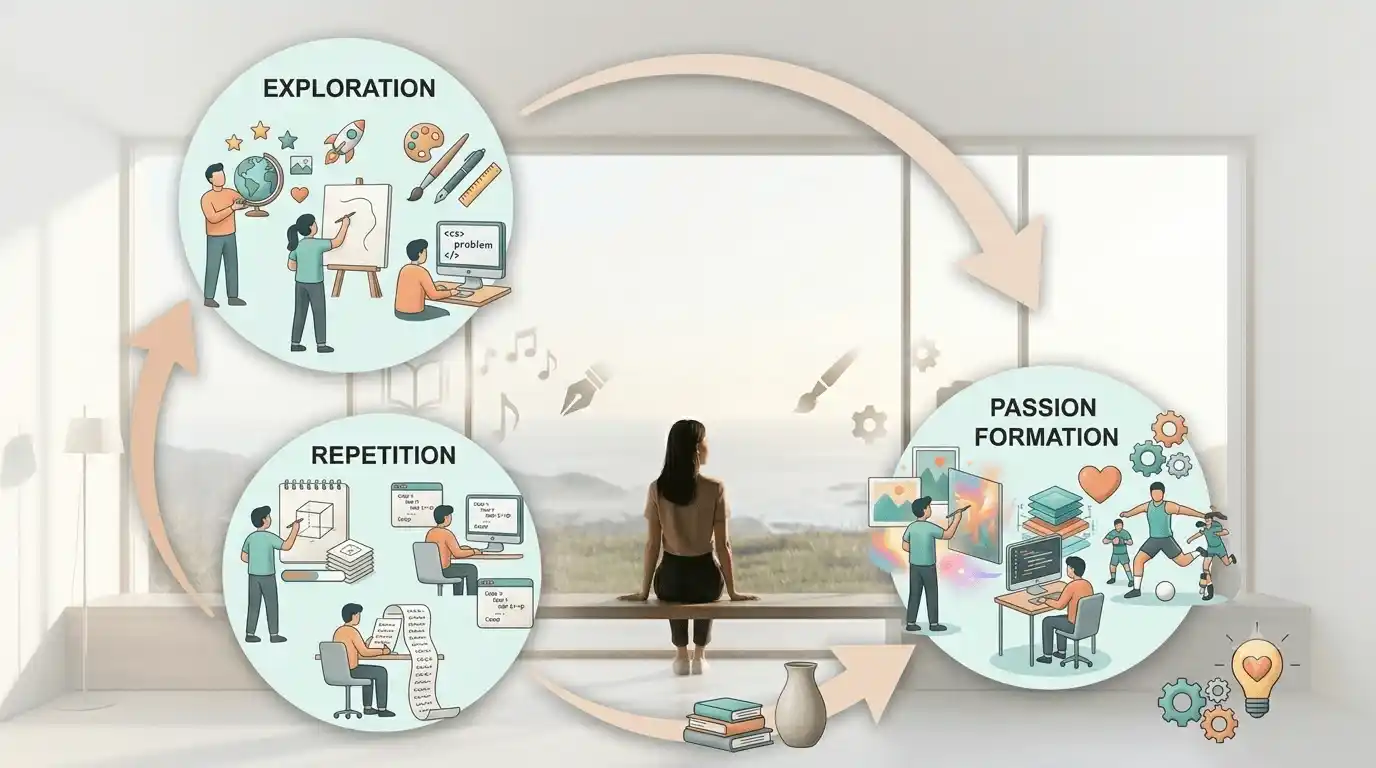
Finding what you love is the process of identifying activities that consistently hold your attention, create flow, and feel meaningful even when they are difficult. In practical terms, how to find what you love is not a decision-making process but a feedback loop built through experience.
Passion is often misunderstood as something you “discover,” but behavioral psychology suggests it is developed through repeated exposure and engagement. You do not instantly find passion—you build clarity through action, reflection, and repetition.
This process is closely connected to learning how to find yourself, since understanding your identity is often the foundation for recognizing what truly feels meaningful.
Why People Struggle with “What Do I Love?”

People struggle with what do i love because they face internal and external barriers that block exploration. The most common reasons include:
- Too many choices, leading to decision paralysis
- Fear of wasting time on the “wrong” path
- Social and family pressure influencing decisions
- Lack of real experimentation with activities
- Overthinking instead of taking action
In many cases, uncertainty is mistaken for lack of passion, when in reality it is lack of exposure.
The Psychology Behind Not Knowing What You Like
Understanding how to know what i like requires recognizing how the brain responds to uncertainty and novelty. Several psychological factors interfere with clarity:
- The brain prefers familiar and comfortable experiences
- New activities often feel awkward at first, discouraging continuation
- Past failures reduce willingness to try again
- Dopamine-driven habits bias people toward easy, low-effort stimulation
This creates a behavioral loop:
Avoid trying → fewer experiences → less feedback → more confusion → even more avoidance
Breaking this loop is essential for discovering real interests. Many people also struggle because their thought patterns reinforce doubt and overthinking, which is why learning how to change your thoughts can significantly improve clarity.
Practical Methods to Discover What You Love Doing
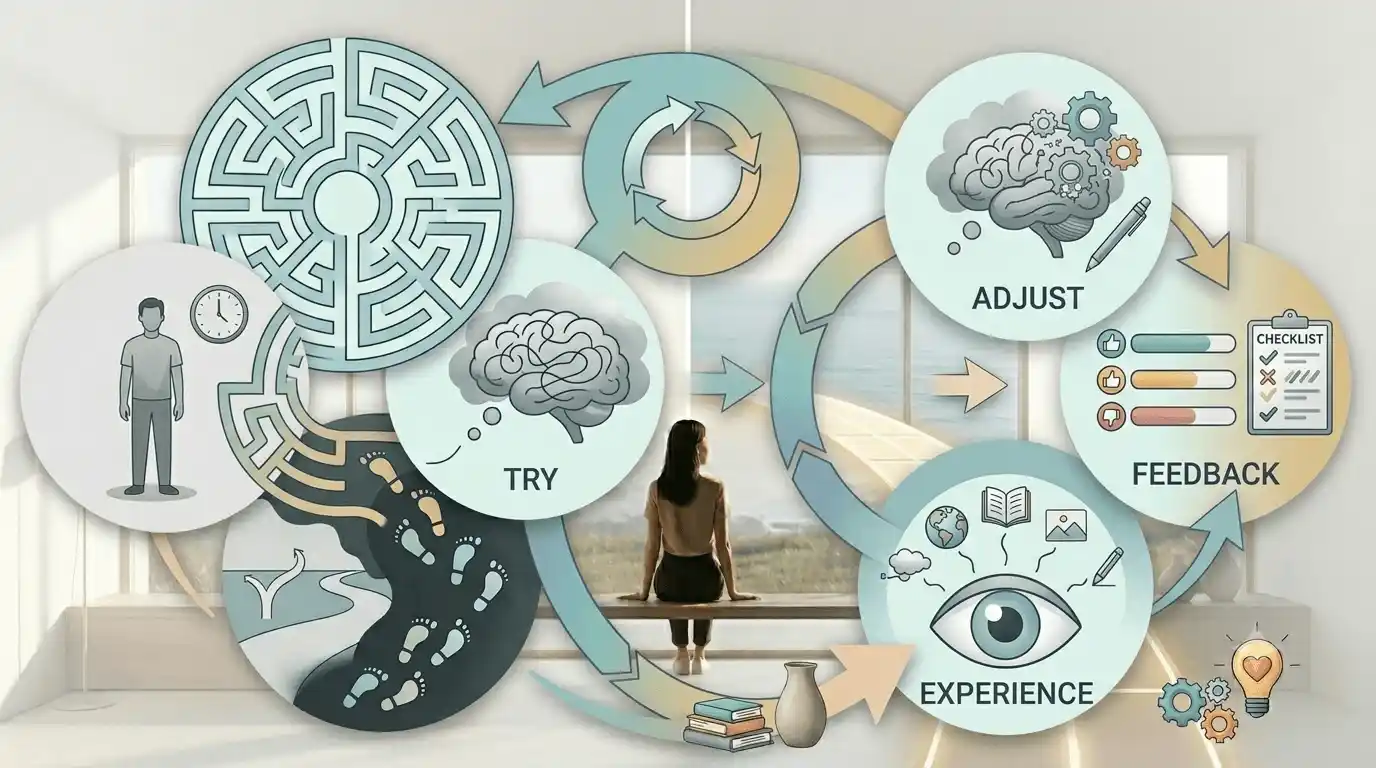
To understand what do i love to do, you need structured experimentation rather than guessing.
Key methods include:
- Low-commitment trials (1–7 days per activity)
- Tracking energy levels after each activity
- Noticing “flow states” where time feels distorted
- Comparing activities that feel draining vs energizing
- Repeating only what naturally draws you back
The core principle is simple: action creates data, and data creates clarity.
Exercises to Answer “What Do I Love?”
To explore what do i love, structured reflection is essential. Structured reflection exercises like journal prompts for self-discovery can help uncover hidden patterns in your interests and emotional responses.
Practical exercises:
- List 10 activities that feel naturally interesting
- Identify moments in the past year where you felt most engaged
- Compare tasks you procrastinate on vs tasks you rush toward
- Observe what you do when no one is watching
Reflection questions:
- What do i love doing when I feel completely free?
- What activities make me lose track of time?
- What feels meaningful even without reward or recognition?
Comparison — Interest vs Passion vs Skill
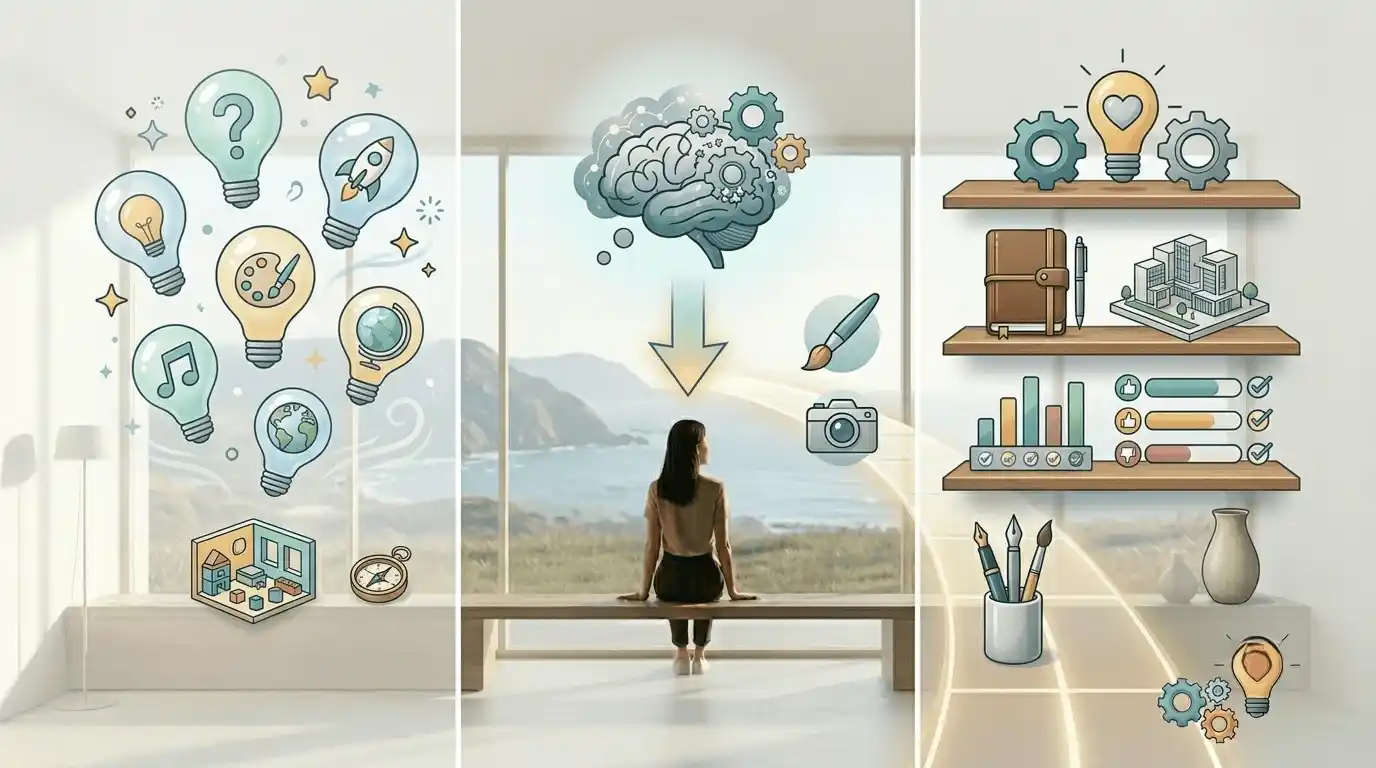
| Category | Definition | Stability | Emotional Response |
| Interest | Temporary curiosity | Low | Light excitement |
| Passion | Repeated engagement over time | High | Deep fulfillment |
| Skill | Learned ability | Neutral | Confidence/competence |
Key insight:
- Interest does not always become passion
- Passion forms when interest is reinforced through repetition
- Skill can exist without emotional connection
How to Test What You Might Love in Real Life
To understand how to find what you love to do, real-world testing is necessary.
Practical approach:
- Spend 1–2 hours daily trying different activities
- After each session, evaluate energy levels (up or down)
- Continue only activities that consistently feel engaging
Validation signals:
- You naturally return to the activity
- You want to improve without external pressure
- It feels rewarding even without rewards
Turning What You Love into Life Direction
Once patterns appear, how to find what you love to do for work becomes clearer through alignment.
Steps include:
- Combine overlapping interests into one direction
- Develop skills in areas that repeatedly attract you
- Explore small contribution or monetization experiments
The key shift is moving from:
- “What should I do with my life?”
to - “What patterns keep repeating in my behavior?”
Common Problems and How to Solve Them
1. Procrastination
- Why: fear of choosing wrong
- Fix: reduce stakes and start with small experiments
2. Lack of Motivation
- Why: no emotional connection yet
- Fix: increase exposure instead of forcing motivation
3. Overthinking
- Why: analysis replaces action
- Fix: prioritize experience over planning
4. Burnout from Trying Too Many Things
- Why: no reflection system
- Fix: track patterns and eliminate draining activities
Science-Backed Insight (Behavioral Principle)
Human preferences develop through repeated exposure and reinforcement. From a behavioral psychology perspective, clarity about what you love is not discovered instantly but shaped through experience loops, feedback, and emotional memory formation over time. Psychology often explains this through the concept of intrinsic motivation, where behavior is driven by internal satisfaction rather than external rewards.
Conclusion
Learning how to find what you love is a structured process of self-observation and experimentation rather than sudden insight. By exploring activities, tracking energy responses, and identifying behavioral patterns, you gradually understand what do i love, what do i love to do, and how to know what i like. The goal is not perfection but direction, built through consistent action.
FAQs
1. Why do I struggle to understand what I love?
Because you have not yet explored enough different experiences to identify clear behavioral patterns.
2. How do I find what I love to do in life?
By trying small activities, tracking your energy response, and repeating what feels naturally engaging.
3. What if I don’t know what I like at all?
Start with simple curiosity-based experiments instead of waiting for clarity.
4. Can what I love change over time?
Yes, interests naturally evolve as you gain new experiences and develop new skills.
5. How long does it take to find what you love?
It varies, but consistent experimentation over weeks or months usually reveals stable patterns.