
Introduction
Mindset healthcare is an approach to wellness that recognizes how thoughts, beliefs, emotions, and behaviors influence mental and overall health. It combines psychological understanding, behavioral strategies, and professional healthcare support to help individuals improve resilience, coping skills, and emotional well-being. Unlike simple positive thinking, mindset healthcare focuses on developing healthier patterns through awareness, practice, and evidence-based methods. Understanding the connection between mindset and health can help people make informed decisions about counseling, behavioral health support, and personal growth strategies.
By Your Daily Thrive | Self-Improvement & Personal Growth Expert
Quick Summary
- Mindset healthcare connects psychological patterns, behaviors, and emotional wellness with overall health outcomes.
- A healthy mindset supports resilience, stress management, and more effective responses to life challenges.
- Mindset-focused approaches may include counseling, psychiatry, behavioral health strategies, and daily wellness practices.
- Sustainable mindset improvement requires consistent habits, realistic expectations, and appropriate support when needed.
What Is Mindset Healthcare and How Does It Work?
Defining Mindset Healthcare in Modern Mental Health Care
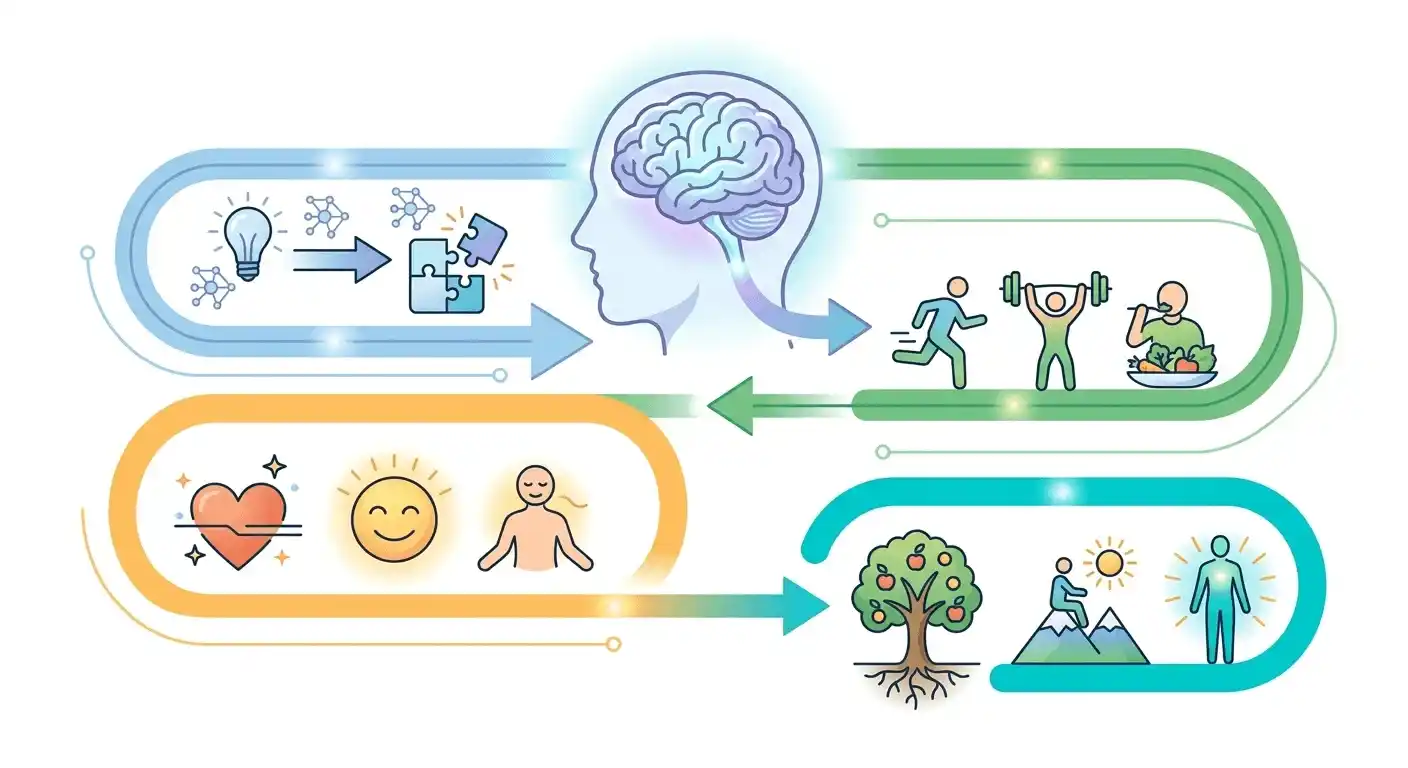
Mindset healthcare is a wellness approach that examines how a person’s thoughts, beliefs, attitudes, and behaviors affect their mental health and quality of life. It focuses on developing healthier mental patterns while recognizing that psychological well-being is connected to physical health, relationships, decision-making, and daily functioning.
One important principle is growth mindset concepts, which explain how beliefs about learning and improvement influence personal development.
Mindset healthcare does not mean ignoring medical care or replacing professional treatment. Instead, it can complement established mental health practices by helping individuals understand how their internal thought patterns influence their actions and emotional responses.
The concept is connected with several recognized psychological principles, including:
- Cognitive behavioral approaches: Understanding how thoughts influence emotions and behaviors.
- Self-efficacy theory: Building confidence in the ability to manage challenges.
- Growth mindset concepts: Developing the belief that skills and abilities can improve through learning and effort.
- Behavioral science frameworks: Using consistent actions and environmental changes to create healthier habits.
The broader idea of mindset health is that mental wellness is not only about reducing problems but also about building skills that support long-term functioning.
The Connection Between Mindset and Overall Health Outcomes
Mindset can influence healthcare experiences by affecting motivation, stress responses, and health-related behaviors. Research in psychology and behavioral medicine shows that beliefs about health can influence how people respond to challenges, follow treatment plans, and maintain lifestyle changes.
Stronger resilience during difficult periods by applying practical positive mindset tips and adaptive coping strategies.
A healthier mindset may support:
- Better stress regulation
- Improved problem-solving abilities
- Increased motivation for healthy behaviors
- Greater emotional awareness
- Stronger resilience during difficult periods
For example, someone who views setbacks as opportunities to learn may be more likely to continue working toward improvement rather than abandoning a goal after a challenge.
Your Daily Thrive’s practical experience helping readers develop sustainable habits shows that lasting change usually comes from combining mindset shifts with realistic routines rather than relying only on motivation.
Key Components of Mindset Healthcare
Mental Health Support and Counseling Approaches
Mindset counseling focuses on helping individuals understand their thoughts, emotions, and behavioral patterns. Counseling provides structured support for identifying challenges and developing strategies for improved emotional well-being.
A mindset-focused counseling approach may include:
- Recognizing unhelpful thinking patterns
- Developing emotional regulation skills
- Improving communication habits
- Creating realistic personal goals
- Strengthening coping strategies
Professional counseling can be useful for people experiencing stress, life transitions, relationship challenges, or personal development goals.
The term mindset mental health often refers to the connection between mental wellness and the beliefs people hold about themselves, their abilities, and their circumstances.
A qualified mental health professional can help determine which approach is appropriate based on individual needs.
Psychiatry and Clinical Mental Health Services
Psychiatry is a medical specialty focused on diagnosing and treating mental health conditions. A psychiatrist can evaluate symptoms, provide clinical guidance, and recommend treatments such as therapy approaches or medication management when appropriate.
Mindset psychiatry combines clinical mental healthcare with attention to psychological patterns that influence emotional well-being.
Someone may consider psychiatric support when experiencing:
- Persistent mood changes
- Severe anxiety symptoms
- Difficulty functioning daily
- Significant changes in sleep or appetite
- Symptoms that interfere with relationships or responsibilities
Local searches such as psychiatrist Fayetteville GA, walnut creek psychiatry, or psychiatrist walnut creek often reflect people looking for qualified professionals who can provide specialized mental health care in their area.
Behavioral Health and Lifestyle-Based Mindset Support
Behavioral health focuses on the connection between behaviors, emotions, and overall wellness. It recognizes that daily routines, environment, relationships, and habits influence mental health.
Many people improve these behaviors by learning how to build good habits through small, repeatable actions.
Mindset behavioral health strategies may include:
- Building consistent routines
- Improving sleep habits
- Increasing physical activity
- Developing stress-management skills
- Creating supportive environments
These strategies align with broader self-improvement principles such as habit formation, productivity, and resilience.
Updated approaches in behavioral science increasingly emphasize practical behavior design, where people create systems that make healthy choices easier instead of depending only on willpower.
Mindset Healthcare vs Traditional Mental Health Approaches
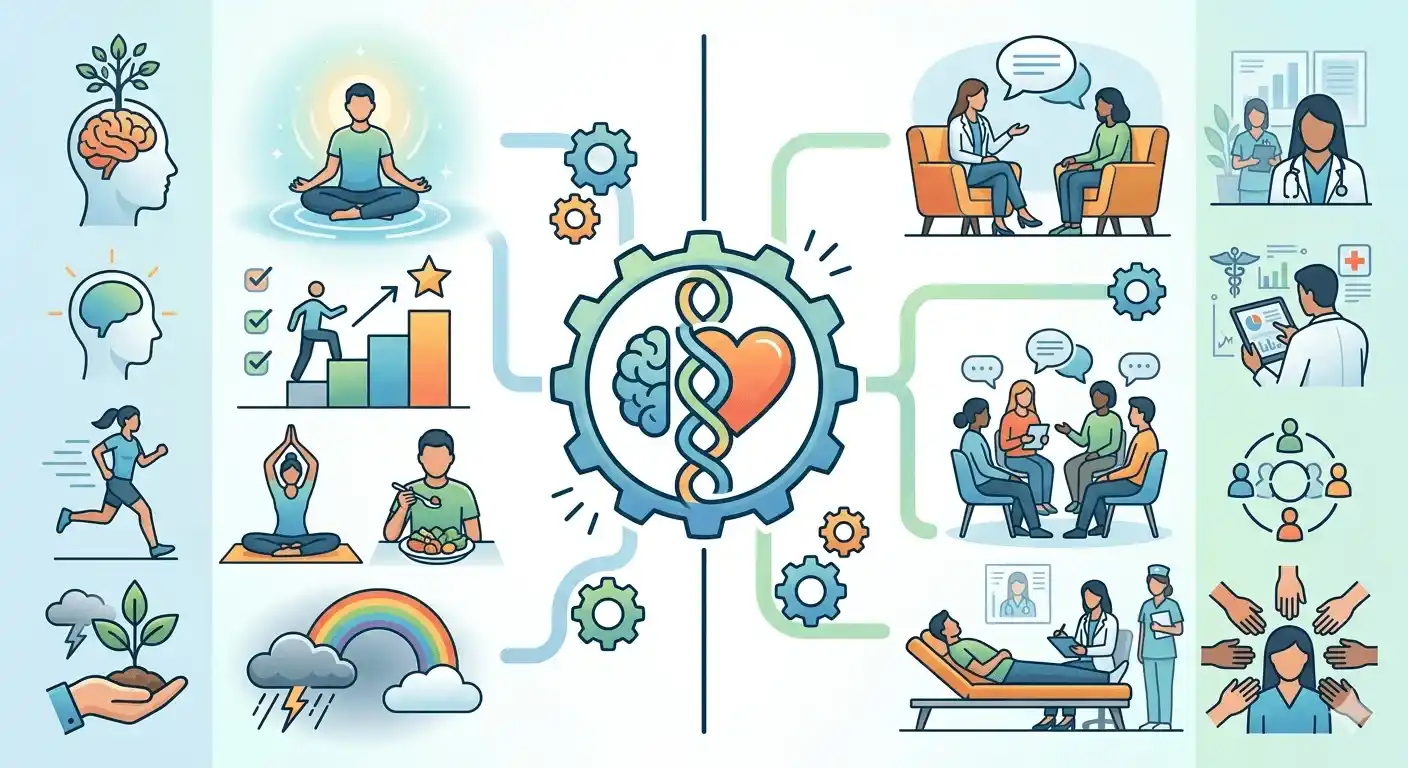
Mindset healthcare and traditional mental healthcare overlap but have different primary focuses. Mindset approaches often emphasize personal development, beliefs, and behavioral patterns, while clinical mental healthcare focuses more directly on diagnosis and treatment of mental health conditions.
| Approach | Main Focus | Common Methods | Best Suited For |
| Mindset healthcare | Thoughts, beliefs, behaviors, emotional wellness | Reflection, counseling strategies, behavioral changes | Personal growth and wellness improvement |
| Traditional mental healthcare | Diagnosis and treatment of mental health conditions | Therapy, psychiatry, medical treatment | Clinical mental health concerns |
| Wellness coaching | Goal achievement and lifestyle improvement | Accountability, planning, habit development | Personal performance goals |
Mindset healthcare can work alongside traditional approaches. A person receiving professional treatment may also benefit from developing healthier thinking patterns and daily habits.
Continuing the article:
How to Choose the Right Mindset Healthcare Provider
Factors to Consider Before Selecting Mental Health Support
Choosing the right mindset healthcare provider depends on personal needs, goals, and the type of support required. The most appropriate professional is someone whose training and approach match the individual’s circumstances.
Important factors to consider include:
- Type of support needed: Counseling, psychiatry, behavioral health services, or general wellness guidance may serve different purposes.
- Professional qualifications: Look for licensed professionals with appropriate education, clinical training, and experience.
- Treatment approach: Different providers may use different methods, including cognitive behavioral techniques, supportive counseling, or medication management when medically appropriate.
- Personal comfort and communication style: A strong working relationship can improve engagement and consistency.
A mindset healthcare approach works best when expectations are realistic. Professional support is not about finding a quick solution but developing skills, awareness, and strategies that can improve long-term mental wellness.
Local Mental Health Provider Searches and Healthcare Options
People often search for healthcare providers based on location and specialty. Queries such as psychiatrist Fayetteville GA, mindset healthcare Fayetteville, GA, walnut creek psychiatrist, and psychiatrist walnut creek typically represent people looking for accessible mental health resources.
When evaluating local options, consider:
- Provider credentials and licensing
- Available services
- Appointment accessibility
- Treatment philosophy
- Whether services match personal goals
Names connected with healthcare searches, such as Rusty Gillette, Caitlyn Russell, James Hartman MD, or Dr. Hartman psychiatrist, may represent specific professionals or organizations. Individuals should review verified professional information and determine whether a provider’s expertise fits their needs.
Examples of Mindset Healthcare Services and Related Resources
Digital Tools and Patient Support Platforms
Technology has expanded access to mental health resources through digital platforms, communication tools, and wellness applications. Digital solutions can support care coordination, education, tracking, and communication between individuals and healthcare providers.
Examples of technology-supported healthcare resources include:
- Online patient portals
- Appointment scheduling systems
- Mental wellness tracking tools
- Educational resources
- Digital therapy support platforms
Search terms such as mindset patient portal, mindset health app, and nerva app reflect growing interest in digital mental wellness solutions.
Digital tools can be helpful, but they are generally most effective when used as part of a broader wellness strategy that includes professional guidance when necessary.
Healthcare Professionals and Organizations Associated With Mindset-Based Care
Healthcare professionals may use mindset-focused principles in different ways depending on their specialty. A psychiatrist may focus on diagnosis and medical treatment, while a counselor may focus more on emotional skills, behavioral patterns, and coping strategies.
A comprehensive mindset healthcare approach may involve collaboration between:
- Psychiatrists
- Therapists
- Counselors
- Behavioral health specialists
- Primary care professionals
This team-based perspective recognizes that mental wellness can involve multiple factors, including biology, environment, habits, relationships, and personal beliefs.
Common Misunderstandings About Mindset Healthcare
Myth: Mindset Healthcare Means Only Positive Thinking
Mindset healthcare is not simply about forcing optimism or ignoring difficult emotions. It involves understanding thoughts, emotions, and behaviors through evidence-based psychological principles.
Healthy mindset development includes:
- Accepting difficult emotions
- Recognizing unhelpful patterns
- Developing practical coping skills
- Taking purposeful action despite challenges
A person can maintain a healthy mindset while experiencing stress, uncertainty, or emotional difficulty.
Myth: Mindset Approaches Replace Medical Mental Healthcare
Mindset approaches do not replace professional mental healthcare when someone has a condition requiring clinical attention.
Professional support may be important for concerns such as:
- Depression symptoms
- Anxiety disorders
- Trauma-related challenges
- Severe emotional distress
- Conditions requiring medical evaluation
Mindset practices can complement treatment by helping individuals build resilience and maintain healthy behaviors.
Beginner Mistakes When Improving Mental Health Through Mindset Changes
Many people begin mindset improvement with unrealistic expectations. Understanding common mistakes can help create a more sustainable approach.
Expecting Immediate Emotional Changes
Why it happens:
People often expect that changing their thoughts will instantly remove stress or negative emotions.
How to improve:
Treat mindset development as a skill-building process. Repeated practice, reflection, and behavioral changes create stronger results over time.
How to prevent it:
Measure progress through improved awareness, better responses, and healthier habits rather than expecting perfection.
Ignoring Professional Support When Needed
Why it happens:
Some individuals believe mindset practices alone should solve every emotional challenge.
How to improve:
Recognize when professional counseling or psychiatric support may be beneficial.
How to prevent it:
Seek guidance early when symptoms affect daily functioning, relationships, or overall quality of life.
Focusing Only on Thoughts Instead of Behaviors
Why it happens:
People may believe changing thoughts alone creates lasting transformation.
How to improve:
Connect mindset changes with practical actions, routines, and environmental adjustments.
How to prevent it:
Build systems that support healthier choices consistently.
Practical Ways to Develop a Healthier Mindset
Daily Practices That Support Mindset Health
Developing a healthier mindset requires consistent actions that strengthen awareness and emotional skills.
Helpful practices include:
- Self-reflection: Regularly reviewing thoughts, emotions, and reactions.
- Goal setting: Creating realistic objectives that provide direction.
- Mindfulness practices: Improving awareness of present experiences.
- Healthy routines: Supporting sleep, movement, nutrition, and recovery.
- Positive behavior reinforcement: Recognizing progress and maintaining motivation.
Your Daily Thrive recommends focusing on small improvements rather than major overnight changes. Behavioral science shows that consistent actions often become stronger habits through repetition and environmental support.
Creating Long-Term Mental Wellness Habits
Long-term mindset health depends on sustainability. Effective habits should fit a person’s lifestyle rather than require unrealistic effort.
Strategies include:
- Creating simple daily routines
- Tracking progress without judgment
- Adjusting goals during stressful periods
- Maintaining supportive relationships
- Practicing self-compassion
Progress may look different depending on life circumstances, responsibilities, and available support systems.
Difficulty and Time Investment for Mindset Improvement
Mindset improvement requires effort, but the difficulty level varies depending on individual circumstances.
Beginner-friendly approaches may include:
- Daily reflection exercises
- Basic stress-management practices
- Small habit adjustments
- Learning emotional awareness skills
More advanced approaches may involve:
- Structured counseling
- Cognitive behavioral strategies
- Long-term behavior change programs
- Professional mental health treatment
Factors that influence difficulty include:
- Existing stress levels
- Available support
- Personal motivation
- Previous experiences
- Environmental challenges
Building a healthier mindset is generally a gradual process rather than a single event.
Results Timeline: How Long Does Mindset Healthcare Take to Show Benefits?
Mindset healthcare results vary based on individual needs, goals, and consistency. Some changes, such as increased awareness, may appear relatively quickly, while deeper behavioral patterns often require longer practice.
Common progress patterns include:
- Early stages: Improved understanding of thoughts and emotions.
- Middle stages: Development of healthier coping responses and routines.
- Long-term stages: Greater resilience, emotional regulation, and sustainable habits.
Personal circumstances, professional support, and consistency can influence the pace of progress.
As of 2026, behavioral health professionals increasingly emphasize sustainable habit formation and personalized approaches rather than one-size-fits-all solutions.
Practice Guide: Building a Sustainable Mindset Healthcare Routine
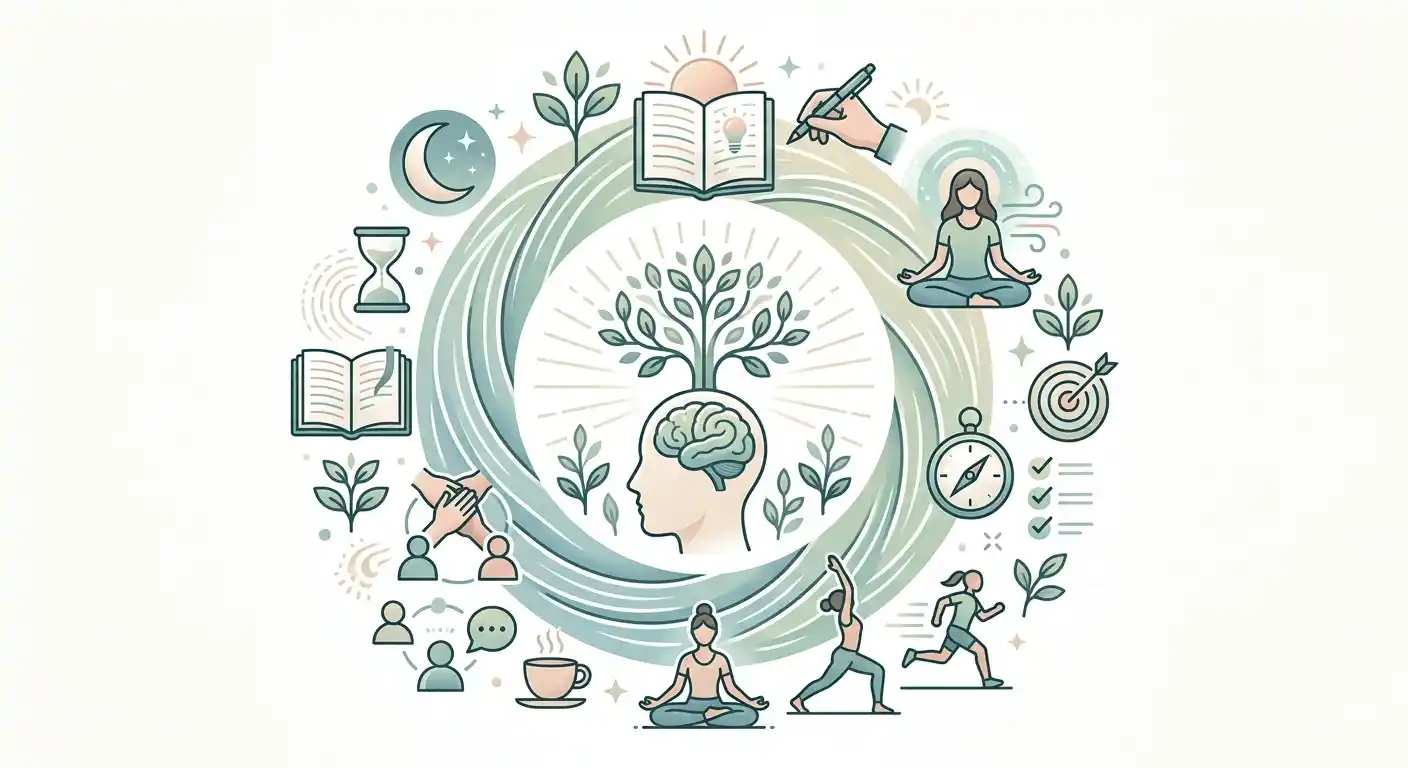
A practical mindset healthcare routine combines awareness, action, and consistency.
Daily or Weekly Practices
Examples include:
- Writing brief reflections
- Reviewing personal goals
- Practicing relaxation techniques
- Scheduling time for meaningful activities
- Monitoring emotional patterns
Mindset and Motivation Requirements
Sustainable progress requires:
- Patience with gradual change
- Willingness to learn from setbacks
- Realistic expectations
- Commitment to ongoing improvement
Tools and Accountability Methods
Helpful tools may include:
- Habit trackers
- Journals
- Wellness apps
- Support groups
- Professional guidance
Common Obstacles and Solutions
Common challenges include:
- Losing motivation → reconnect with meaningful goals.
- Feeling overwhelmed → simplify routines.
- Expecting perfection → focus on consistency.
Long-term sustainability comes from creating practices that can adapt to changing life circumstances.
How to Choose the Right Mindset Healthcare Provider
Factors to Consider Before Selecting Mental Health Support
Choosing the right mindset healthcare provider depends on personal needs, goals, and the type of support required. The most appropriate professional is someone whose training and approach match the individual’s circumstances.
Important factors to consider include:
- Type of support needed: Counseling, psychiatry, behavioral health services, or general wellness guidance may serve different purposes.
- Professional qualifications: Look for licensed professionals with appropriate education, clinical training, and experience.
- Treatment approach: Different providers may use different methods, including cognitive behavioral techniques, supportive counseling, or medication management when medically appropriate.
- Personal comfort and communication style: A strong working relationship can improve engagement and consistency.
A mindset healthcare approach works best when expectations are realistic. Professional support is not about finding a quick solution but developing skills, awareness, and strategies that can improve long-term mental wellness.
Local Mental Health Provider Searches and Healthcare Options
People often search for healthcare providers based on location and specialty. Queries such as psychiatrist Fayetteville GA, mindset healthcare Fayetteville, GA, walnut creek psychiatrist, and psychiatrist walnut creek typically represent people looking for accessible mental health resources.
When evaluating local options, consider:
- Provider credentials and licensing
- Available services
- Appointment accessibility
- Treatment philosophy
- Whether services match personal goals
Names connected with healthcare searches, such as Rusty Gillette, Caitlyn Russell, James Hartman MD, or Dr. Hartman psychiatrist, may represent specific professionals or organizations. Individuals should review verified professional information and determine whether a provider’s expertise fits their needs.
Examples of Mindset Healthcare Services and Related Resources
Digital Tools and Patient Support Platforms
Technology has expanded access to mental health resources through digital platforms, communication tools, and wellness applications. Digital solutions can support care coordination, education, tracking, and communication between individuals and healthcare providers.
Examples of technology-supported healthcare resources include:
- Online patient portals
- Appointment scheduling systems
- Mental wellness tracking tools
- Educational resources
- Digital therapy support platforms
Search terms such as mindset patient portal, mindset health app, and nerva app reflect growing interest in digital mental wellness solutions.
Digital tools can be helpful, but they are generally most effective when used as part of a broader wellness strategy that includes professional guidance when necessary.
Healthcare Professionals and Organizations Associated With Mindset-Based Care
Healthcare professionals may use mindset-focused principles in different ways depending on their specialty. A psychiatrist may focus on diagnosis and medical treatment, while a counselor may focus more on emotional skills, behavioral patterns, and coping strategies.
A comprehensive mindset healthcare approach may involve collaboration between:
- Psychiatrists
- Therapists
- Counselors
- Behavioral health specialists
- Primary care professionals
This team-based perspective recognizes that mental wellness can involve multiple factors, including biology, environment, habits, relationships, and personal beliefs.
Common Misunderstandings About Mindset Healthcare
Myth: Mindset Healthcare Means Only Positive Thinking
Mindset healthcare is not simply about forcing optimism or ignoring difficult emotions. It involves understanding thoughts, emotions, and behaviors through evidence-based psychological principles.
Healthy mindset development includes:
- Accepting difficult emotions
- Recognizing unhelpful patterns
- Developing practical coping skills
- Taking purposeful action despite challenges
A person can maintain a healthy mindset while experiencing stress, uncertainty, or emotional difficulty.
Myth: Mindset Approaches Replace Medical Mental Healthcare
Mindset approaches do not replace professional mental healthcare when someone has a condition requiring clinical attention.
Professional support may be important for concerns such as:
- Depression symptoms
- Anxiety disorders
- Trauma-related challenges
- Severe emotional distress
- Conditions requiring medical evaluation
Mindset practices can complement treatment by helping individuals build resilience and maintain healthy behaviors.
Beginner Mistakes When Improving Mental Health Through Mindset Changes
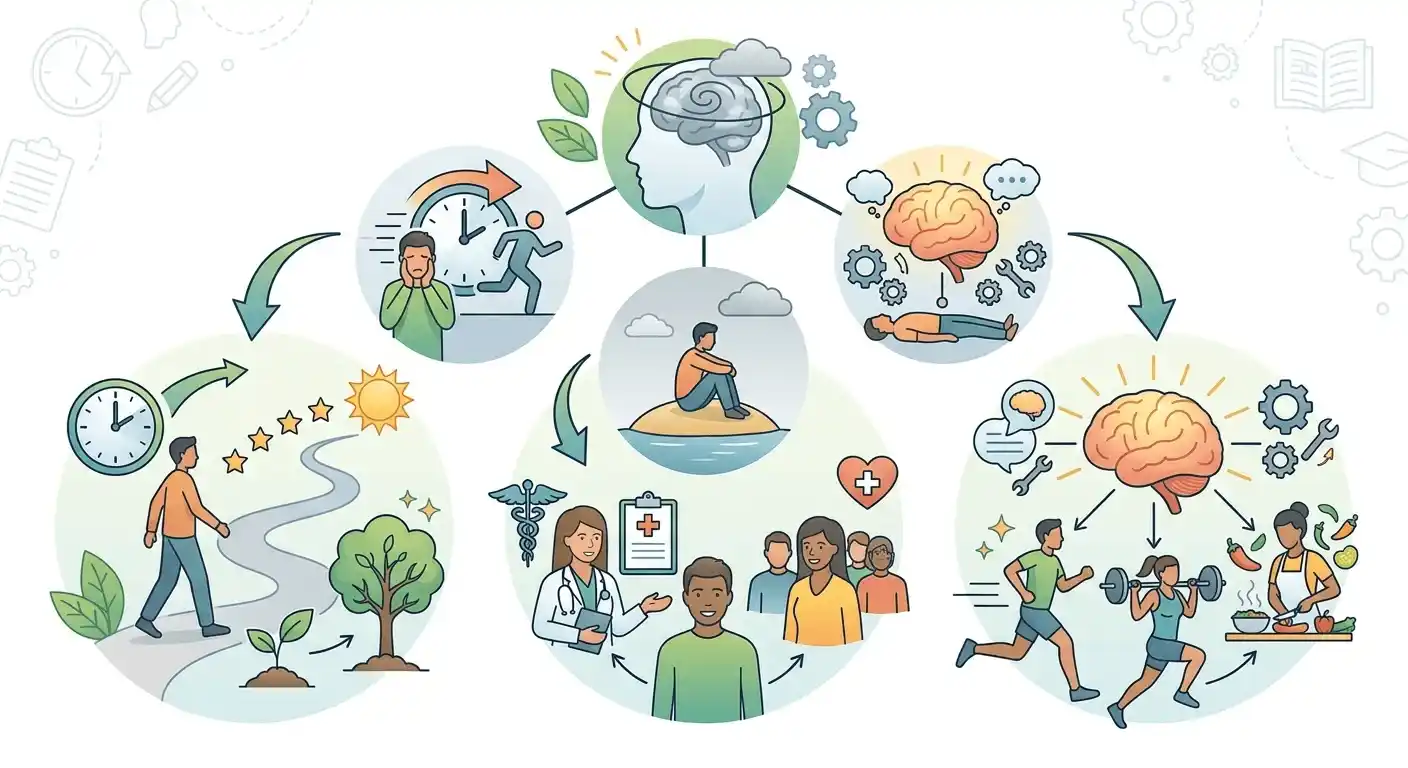
Many people begin mindset improvement with unrealistic expectations. Understanding common mistakes can help create a more sustainable approach.
Expecting Immediate Emotional Changes
Why it happens:
People often expect that changing their thoughts will instantly remove stress or negative emotions.
How to improve:
Treat mindset development as a skill-building process. Repeated practice, reflection, and behavioral changes create stronger results over time.
How to prevent it:
Measure progress through improved awareness, better responses, and healthier habits rather than expecting perfection.
Ignoring Professional Support When Needed
Why it happens:
Some individuals believe mindset practices alone should solve every emotional challenge.
How to improve:
Recognize when professional counseling or psychiatric support may be beneficial.
How to prevent it:
Seek guidance early when symptoms affect daily functioning, relationships, or overall quality of life.
Focusing Only on Thoughts Instead of Behaviors
Why it happens:
People may believe changing thoughts alone creates lasting transformation.
How to improve:
Connect mindset changes with practical actions, routines, and environmental adjustments.
How to prevent it:
Build systems that support healthier choices consistently.
Practical Ways to Develop a Healthier Mindset
Daily Practices That Support Mindset Health
Developing a healthier mindset requires consistent actions that strengthen awareness and emotional skills.
Helpful practices include:
- Self-reflection: Regularly reviewing thoughts, emotions, and reactions.
- Goal setting: Creating realistic objectives that provide direction.
- Mindfulness practices: Improving awareness of present experiences.
- Healthy routines: Supporting sleep, movement, nutrition, and recovery.
- Positive behavior reinforcement: Recognizing progress and maintaining motivation.
Your Daily Thrive recommends focusing on small improvements rather than major overnight changes. Behavioral science shows that consistent actions often become stronger habits through repetition and environmental support.
Creating Long-Term Mental Wellness Habits
Long-term mindset health depends on sustainability. Effective habits should fit a person’s lifestyle rather than require unrealistic effort.
Strategies include:
- Creating simple daily routines
- Tracking progress without judgment
- Adjusting goals during stressful periods
- Maintaining supportive relationships
- Practicing self-compassion
Progress may look different depending on life circumstances, responsibilities, and available support systems.
Difficulty and Time Investment for Mindset Improvement
Mindset improvement requires effort, but the difficulty level varies depending on individual circumstances.
Beginner-friendly approaches may include:
- Daily reflection exercises
- Basic stress-management practices
- Small habit adjustments
- Learning emotional awareness skills
More advanced approaches may involve:
- Structured counseling
- Cognitive behavioral strategies
- Long-term behavior change programs
- Professional mental health treatment
Factors that influence difficulty include:
- Existing stress levels
- Available support
- Personal motivation
- Previous experiences
- Environmental challenges
Building a healthier mindset is generally a gradual process rather than a single event.
Results Timeline: How Long Does Mindset Healthcare Take to Show Benefits?
Mindset healthcare results vary based on individual needs, goals, and consistency. Some changes, such as increased awareness, may appear relatively quickly, while deeper behavioral patterns often require longer practice.
Common progress patterns include:
- Early stages: Improved understanding of thoughts and emotions.
- Middle stages: Development of healthier coping responses and routines.
- Long-term stages: Greater resilience, emotional regulation, and sustainable habits.
Personal circumstances, professional support, and consistency can influence the pace of progress.
As of 2026, behavioral health professionals increasingly emphasize sustainable habit formation and personalized approaches rather than one-size-fits-all solutions.
Practice Guide: Building a Sustainable Mindset Healthcare Routine
A practical mindset healthcare routine combines awareness, action, and consistency.
Daily or Weekly Practices
Examples include:
- Writing brief reflections
- Reviewing personal goals
- Practicing relaxation techniques
- Scheduling time for meaningful activities
- Monitoring emotional patterns
Mindset and Motivation Requirements
Sustainable progress requires:
- Patience with gradual change
- Willingness to learn from setbacks
- Realistic expectations
- Commitment to ongoing improvement
Tools and Accountability Methods
Helpful tools may include:
- Habit trackers
- Journals
- Wellness apps
- Support groups
- Professional guidance
Common Obstacles and Solutions
Common challenges include:
- Losing motivation → reconnect with meaningful goals.
- Feeling overwhelmed → simplify routines.
- Expecting perfection → focus on consistency.
Long-term sustainability comes from creating practices that can adapt to changing life circumstances.
(Continuing next message with final sections: Context Applications, Conclusion, FAQs, Part 2 Metadata.)
OK
Continuing:
Context-Specific Applications of Mindset Healthcare
Mindset Healthcare for Students and Young Adults
Mindset healthcare can support students and young adults by helping them develop emotional awareness, coping skills, and healthier responses to academic and personal challenges.
Common areas where mindset-focused strategies may help include:
- Managing academic stress
- Building confidence
- Developing better study habits
- Improving emotional regulation
- Handling social pressure
Young adults often experience major transitions involving education, independence, relationships, and career decisions. A strong mindset can support adaptability and resilience during these periods.
Practical approaches may include setting realistic goals, maintaining supportive routines, and learning how thoughts influence emotions and actions.
Mindset Healthcare for Professionals
Professionals may use mindset healthcare principles to improve resilience, productivity, and emotional balance in demanding environments.
Work-related challenges that may benefit from mindset strategies include:
- Workplace stress
- Burnout prevention
- Time management difficulties
- Career transitions
- Maintaining work-life boundaries
A growth-oriented mindset can help individuals view challenges as opportunities for learning while still recognizing the importance of rest, recovery, and professional support.
Effective approaches often combine mindset practices with practical systems, such as:
- Prioritizing important tasks
- Creating healthy work boundaries
- Developing recovery routines
- Practicing stress-management techniques
Mindset Healthcare for Individuals Managing Life Changes
Major life changes can affect emotional well-being and require adjustments in thinking, habits, and expectations.
Examples include:
- Moving to a new environment
- Relationship changes
- Career transitions
- Personal setbacks
- Changes in health circumstances
During periods of uncertainty, mindset healthcare principles can help individuals focus on what they can control, develop adaptive coping strategies, and seek appropriate support.
The goal is not to eliminate all challenges but to improve the ability to respond effectively.
Conclusion: The Role of Mindset Healthcare in Long-Term Mental Wellness
Mindset healthcare provides a framework for understanding how thoughts, beliefs, emotions, and behaviors influence overall wellness. It connects psychological principles with practical strategies that support resilience, healthier habits, and improved emotional awareness.
A strong mindset does not mean avoiding challenges or maintaining constant positivity. Instead, it involves developing the skills needed to recognize patterns, manage emotions, make informed decisions, and adapt to changing circumstances.
Mindset healthcare can include counseling, psychiatry, behavioral health strategies, and daily wellness practices depending on individual needs. When combined with evidence-based mental health support, mindset-focused approaches can help people create sustainable improvements in their overall well-being.
The key takeaway is that mindset health is an ongoing process. Small, consistent actions supported by psychological knowledge and appropriate resources can contribute to stronger emotional resilience and healthier life patterns.
Frequently Asked Questions
What is mindset healthcare?
Mindset healthcare is an approach that focuses on how thoughts, beliefs, emotions, and behaviors influence mental wellness and overall health outcomes. It combines psychological understanding with practical strategies to improve coping skills, resilience, and healthier habits.
How does mindset affect mental health?
Mindset affects mental health by influencing how people interpret experiences, respond to challenges, and develop behaviors. Healthier thought patterns can support emotional regulation, motivation, and resilience, while unhelpful patterns may increase stress or difficulty managing challenges.
Is mindset healthcare the same as therapy?
Mindset healthcare is not exactly the same as therapy. Therapy is a professional treatment approach provided by qualified mental health professionals, while mindset healthcare may include therapeutic concepts, behavioral strategies, and personal development practices that support mental wellness.
When should someone consider mindset counseling or psychiatric support?
Someone may consider mindset counseling or psychiatric support when emotional challenges interfere with daily life, relationships, work, or personal goals. Professional guidance can help identify appropriate treatment options and provide structured support.
Can mindset healthcare improve overall wellness?
Yes, mindset healthcare can support overall wellness by helping individuals develop healthier habits, improve emotional awareness, manage stress, and build resilience. Results depend on consistency, personal circumstances, and the type of support used.
What is the difference between mindset health and mental health?
Mindset health focuses specifically on patterns of thinking, beliefs, attitudes, and behavioral approaches. Mental health is a broader concept that includes emotional, psychological, and social well-being.
How long does it take to develop a healthier mindset?
Developing a healthier mindset varies from person to person. Some awareness changes may happen quickly, while lasting behavioral and emotional improvements usually require consistent practice over weeks, months, or longer.