
Introduction
The question “Is kava allowed in the military” focuses on whether service members can legally and professionally consume kava under defense regulations. Kava is a plant-based drink made from the root of the kava plant, known for its calming effects. While it is legal in many countries and not typically classified as a controlled substance, military environments apply stricter rules than civilian law. These rules prioritize readiness, alertness, and operational safety, which means even legal substances can face restrictions depending on the context and command policies.
Quick Summary
- Kava is generally legal but may be restricted in military environments
- It is not usually classified as a controlled substance
- Standard military drug tests typically do not detect kava
- Restrictions are based on readiness, safety, and performance concerns
- Policies vary by country, branch, and operational duties
What Is Kava and How It Works in the Body
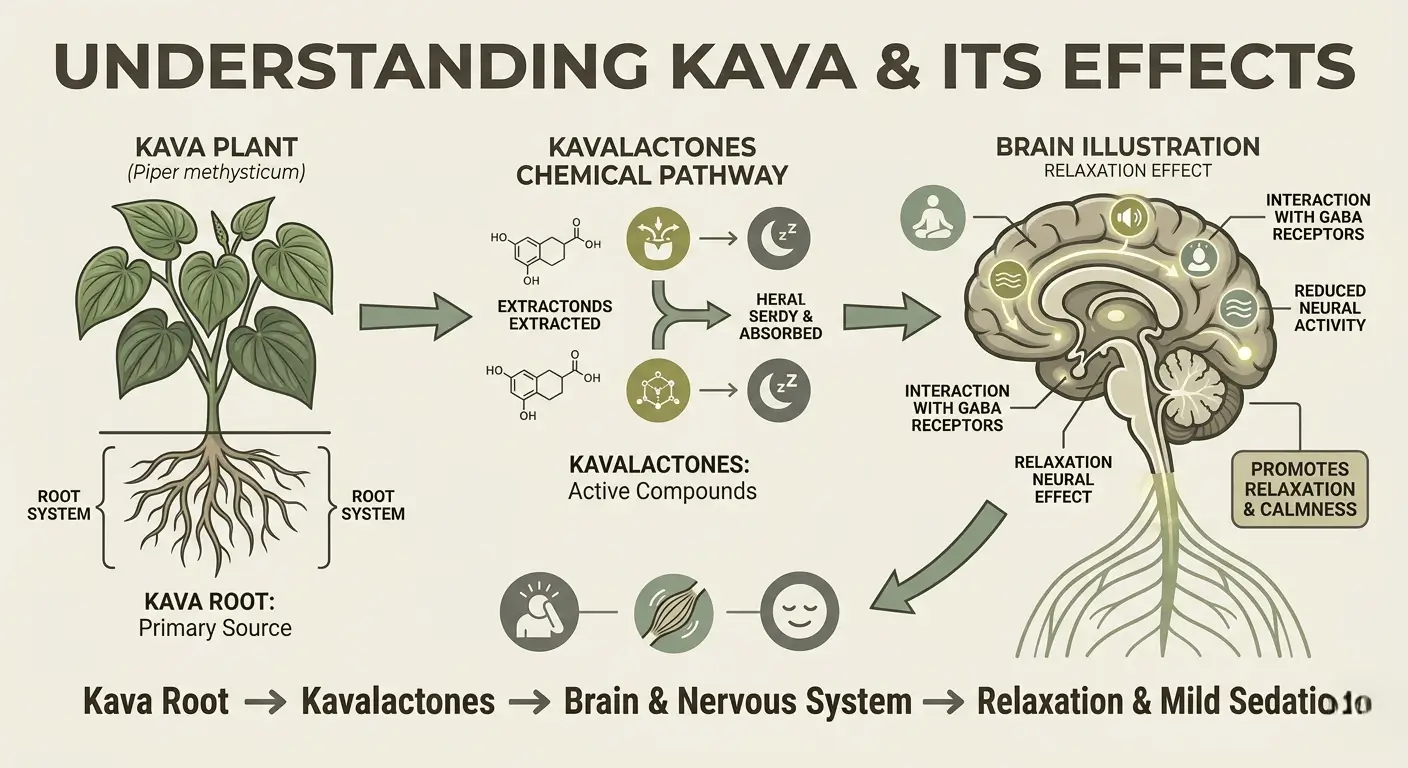
Kava (kava kava) is a traditional beverage made from the root of the Piper methysticum plant. It is commonly used in Pacific Island cultures for relaxation and social ceremonies.
How it works:
- Contains active compounds called kavalactones
- Affects brain signaling linked to anxiety and relaxation
- Produces calming and mildly sedative effects
Cause-effect relationship:
Kavalactones → interact with central nervous system → reduced anxiety → relaxation and mild sedation
At higher doses, kava may reduce coordination and alertness, although it does not typically cause hallucinations or strong intoxication.
Is Kava Allowed in the Military?
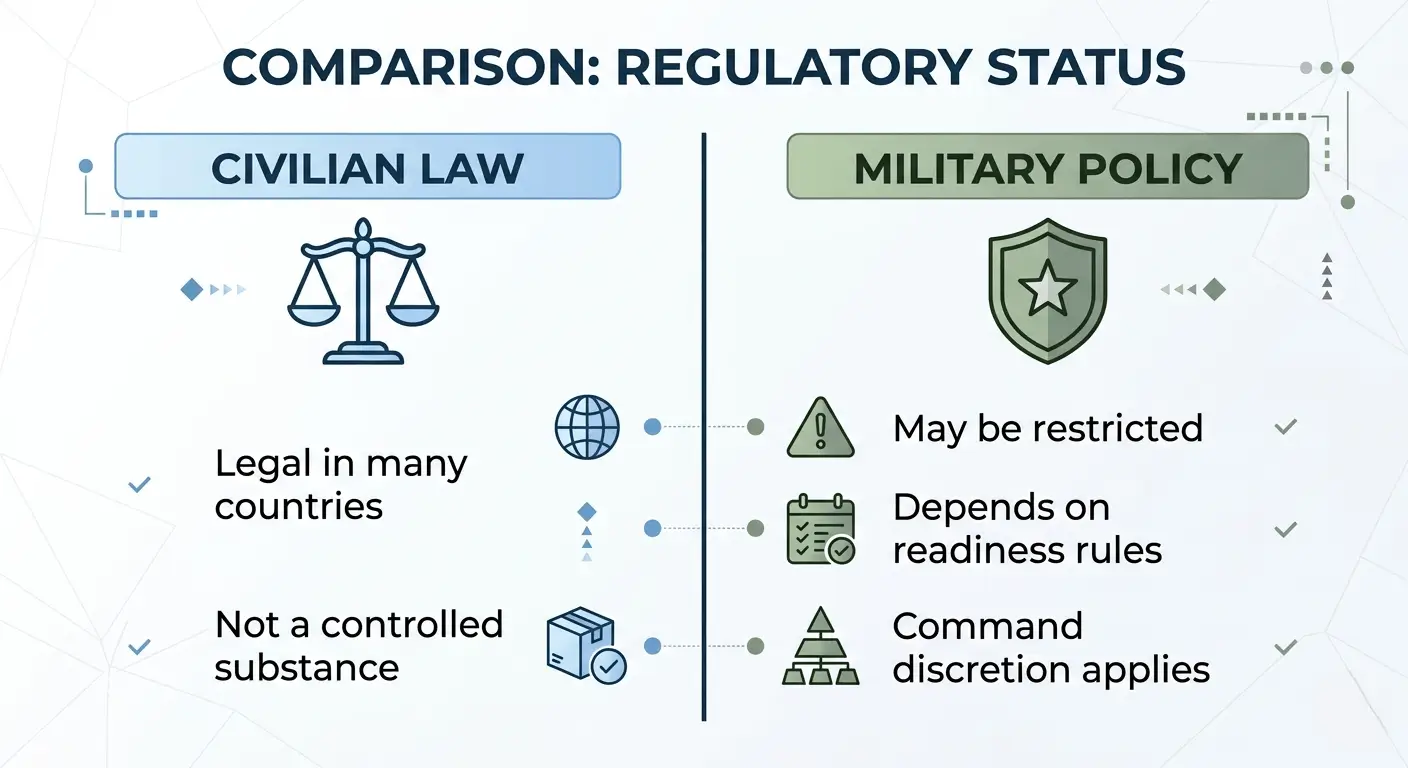
Kava is not universally banned in most military forces, but it is often restricted or discouraged.
Key realities:
- Usually not listed as an illegal controlled substance
- May still be restricted under conduct or readiness policies
- Commanding officers can prohibit its use in specific units
Why restrictions exist:
- Sedative effects may reduce reaction speed
- Unpredictable individual sensitivity
- Potential interaction with medications
- Military prioritizes maximum operational readiness
Military vs Federal Employee Rules on Kava
| Category | Kava Status | Explanation |
|---|---|---|
| Active-duty military | Often restricted or discouraged | Readiness and safety concerns |
| Federal employees | Usually not explicitly banned | Subject to workplace rules |
| Civilian contractors | Generally allowed | Depends on employer policy |
| Overseas deployments | Varies | Depends on host nation + military rules |
Even when legal, workplace or defense policies can override personal use rights.
Kava and Drug Testing: Will It Show Up?
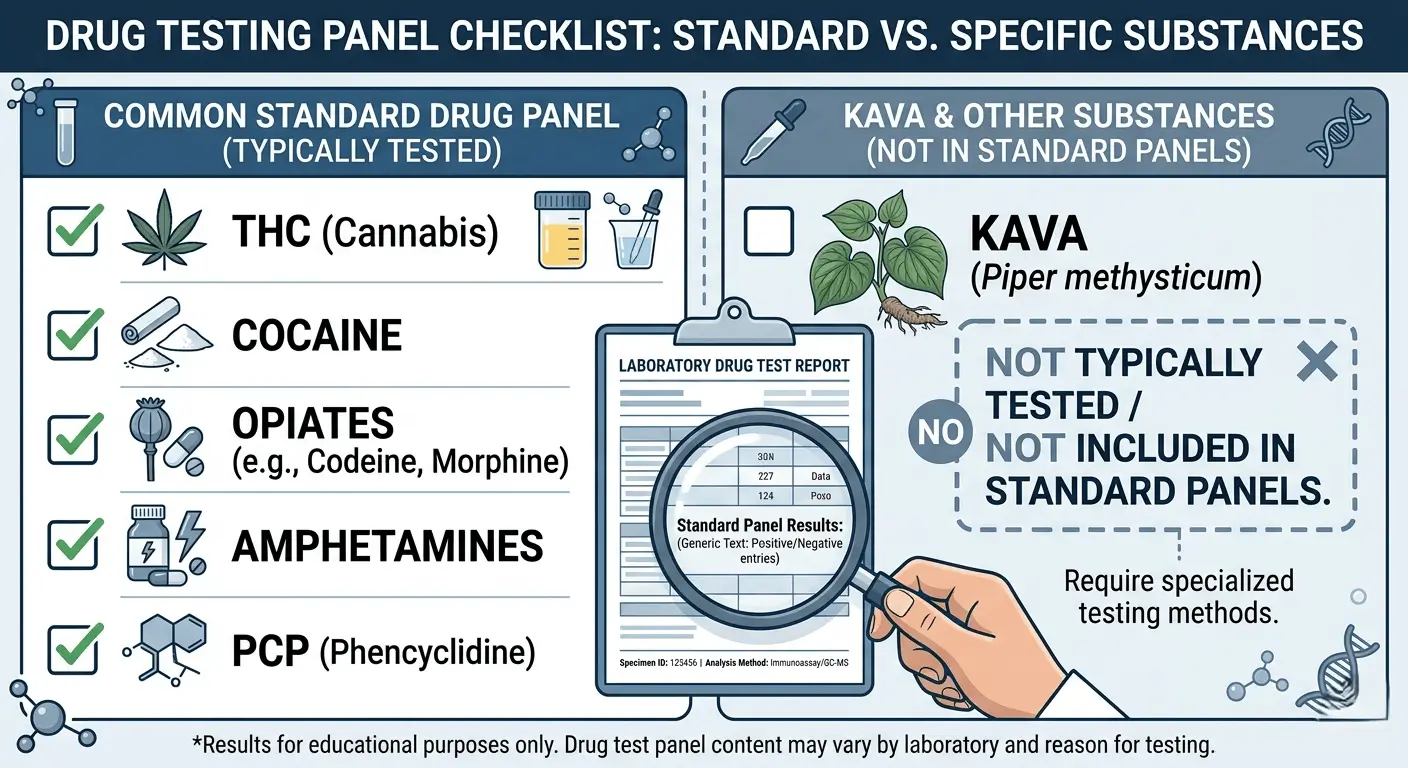
Kava is not typically included in standard military drug testing panels.
Standard tests usually screen for:
- THC (cannabis)
- Cocaine
- Opiates
- Amphetamines
- PCP
Kava testing facts:
- No common standardized test for kavalactones
- Not classified as an illicit drug in most testing systems
- Does not trigger typical military drug screens
However, policy violations can still occur even without test detection.
Does Kava Get You High or Intoxicated?
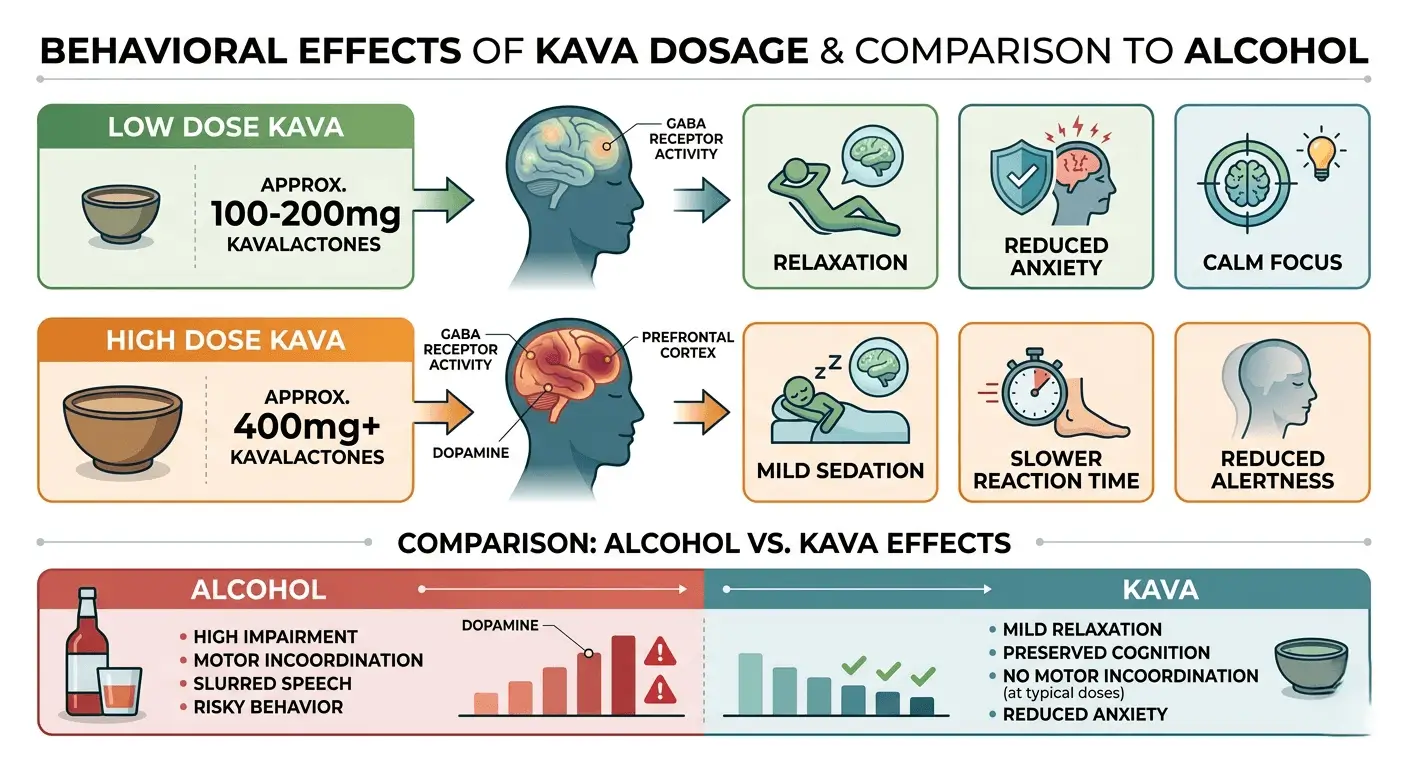
Kava does not produce a traditional “high.”
Common effects:
- Relaxation
- Reduced anxiety
- Mild sedation
- Calm mood state
It does NOT typically cause:
- Strong euphoria
- Hallucinations
- Alcohol-like intoxication
Comparison:
Alcohol → strong impairment and intoxication
Kava → mild relaxation and reduced anxiety
How Long Kava Stays in Your System
- Onset: 20–60 minutes
- Peak effects: 1–2 hours
- Duration: 2–6 hours
- Clearance: varies by metabolism and dose
Influencing factors:
- Body weight and metabolism
- Frequency of use
- Strength of preparation
- Whether taken on an empty stomach
Kava in Australia and the Australian Defence Force
In Australia, kava is regulated and has historically been restricted, though some controlled allowances exist for personal use.
Key points:
- Legal status is regulated, not fully unrestricted
- Civilian legality does not guarantee military approval
- The Australian Defence Force prioritizes operational safety
- Internal rules may restrict any impairing substances
Why Militaries Restrict Substances Like Kava
Military systems are designed around maximum reliability under pressure.
Key priorities:
- Fast reaction time
- Cognitive clarity
- Physical coordination
- Predictable performance
Behavioral reasoning:
- Even mild sedation increases operational risk
- Individual sensitivity varies widely
- High-risk environments require conservative rules
Common Myths vs Reality
| Myth | Reality |
|---|---|
| Kava is a controlled drug | It is generally legal in many countries |
| Kava shows up on drug tests | It is not part of standard panels |
| Kava causes a strong “high” | It causes mild relaxation, not intoxication |
| Legal = allowed in military | Military rules can still restrict it |
Problem-Solution Section: Real-World Confusions
1. “It’s legal, so I can use it”
Problem: Confusing civilian law with military rules
Solution: Always check branch-specific regulations
2. “Will I fail a drug test?”
Problem: Misunderstanding test coverage
Solution: Kava is not included in standard drug panels
3. “Rules are unclear”
Problem: Different countries and units have different policies
Solution: Follow local command guidance instead of assumptions
Conclusion
The question “Is kava allowed in the military” has no single universal answer. While kava is generally legal and not classified as a controlled substance, military organizations often restrict or discourage its use due to potential sedative effects and concerns about operational readiness. It is also not typically detected in standard drug tests, but compliance depends on military policy rather than civilian legality. In defense environments, performance and safety standards always take priority over personal substance choices.
FAQs
1. Is kava allowed in the military?
It depends on the country and branch, but it is often restricted or discouraged due to sedative effects.
2. Does kava show up on military drug tests?
No, it is not part of standard military drug screening panels.
3. Can kava affect military performance?
Yes, it may reduce alertness and coordination in some users.
4. Is kava legal for federal employees?
Generally yes, but workplace policies may still regulate its use.
5. How long do kava effects last?
Typically 2 to 6 hours depending on dosage and metabolism.
6. Does kava get you intoxicated like alcohol?
No, it produces relaxation rather than strong intoxication.
7. Why might the military restrict a legal substance like kava?
Because military policy prioritizes readiness and safety over civilian legality.