

Introduction
Changing mindset books are designed to help readers reshape limiting beliefs, thinking patterns, habits, and decision-making processes. Mindset shapes how people interpret setbacks, pursue goals, and build resilience, which makes it a central factor in personal growth, career success, discipline, and overall well-being. Some books rely on psychology and neuroscience, while others focus on habits, leadership, or general self-improvement. Because approaches vary widely, choosing the right changing mindset books depends on individual goals, current challenges, and preferred learning style. This guide breaks down the categories, benefits, and practical strategies for applying what these books teach.
A mindset is the set of beliefs and mental frameworks a person uses to interpret experiences and make decisions. Changing thoughts involves shifting internal beliefs and self-talk, while changing behaviors involves altering the actions built on those beliefs — lasting change typically requires addressing both.
Quick Summary
- Mindset books help readers recognize and replace limiting beliefs with healthier ways of thinking.
- Different books focus on psychology, habits, discipline, resilience, success, or personal growth.
- The best book depends on your goals, learning style, and current challenges.
- Applying lessons consistently matters more than simply reading more books.
What Are Changing Mindset Books?
What Is a Mindset?
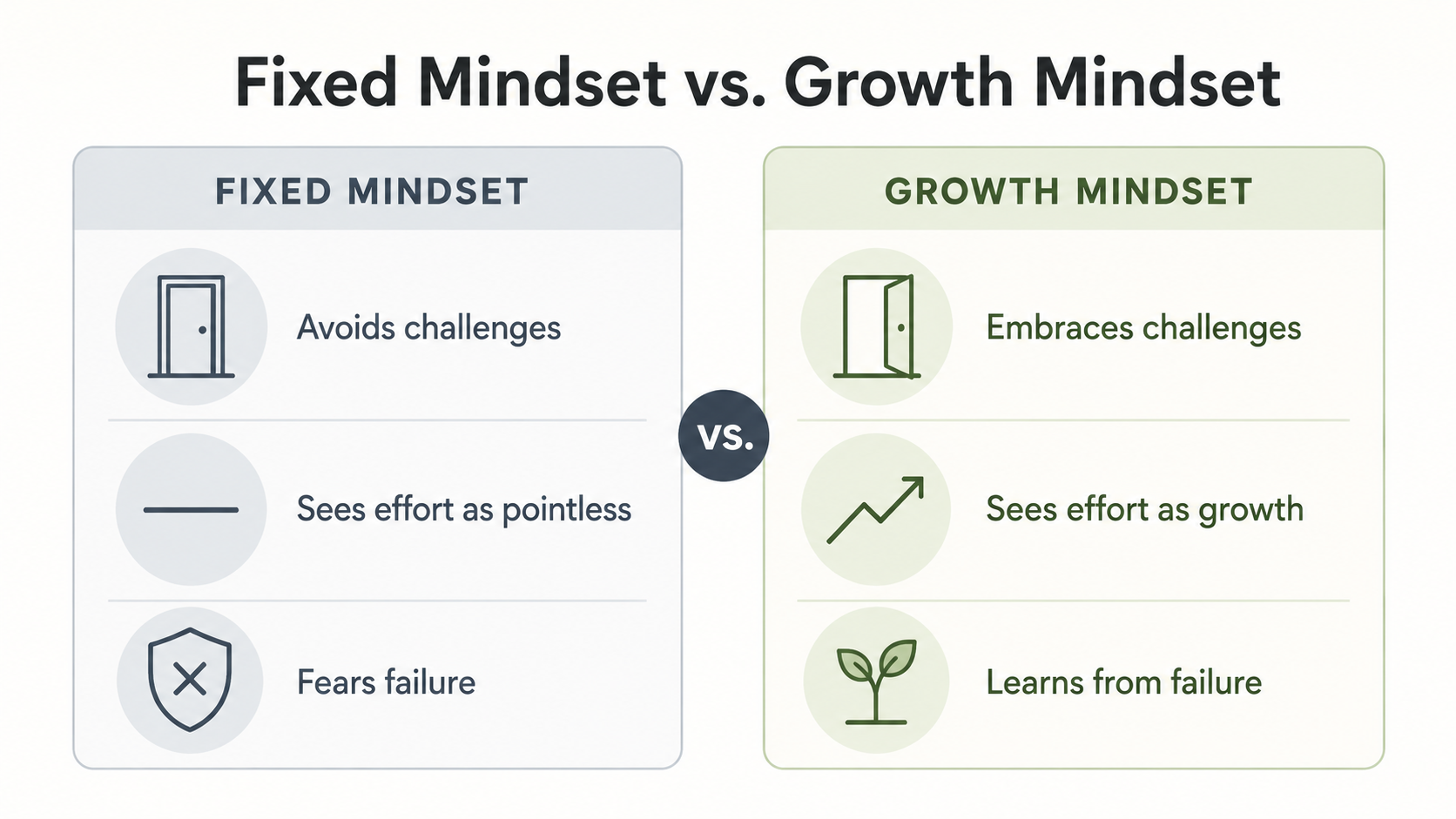
A mindset is a collection of beliefs and mental models that shape how a person perceives challenges, effort, and ability. A fixed mindset treats intelligence and talent as static traits, while a growth mindset treats them as skills that develop through effort and learning. These underlying mental models influence which options a person notices, how they interpret failure, and what actions they take next. A fixed mindset treats intelligence and talent as static traits, while a growth mindset treats them as skills that develop through effort and learning — a distinction popularized by Carol Dweck’s research on growth mindset.
How Can Books Help Change Your Mindset?
Books about changing your mindset work by combining explanation with reflection, giving readers frameworks they can apply to their own circumstances. Common mechanisms include:
- Reflection — prompting readers to examine their own beliefs and assumptions
- Cognitive restructuring — identifying and replacing distorted or limiting thought patterns
- Behavioral reinforcement — connecting new beliefs to repeated actions
- Habit formation — turning insights into consistent daily routines
- Real-world examples — illustrating abstract concepts through relatable scenarios
Changing mindset books are most effective when readers treat them as a starting point for practice rather than a one-time read. Books about changing your mindset and changing your mindset books in general tend to combine these elements in different proportions depending on the author’s background.
Benefits of Reading Books That Change Your Mindset
Personal Growth
Mindset books encourage readers to examine self-limiting beliefs and replace them with frameworks that support continued learning and adaptability. Understanding why growth mindset matters helps explain why mindset books remain one of the most requested categories in personal development.
Career and Professional Success
A growth-oriented mindset supports better handling of feedback, adaptability to change, and persistence through setbacks — all valuable in professional settings.
Better Emotional Resilience
Reframing setbacks as learning opportunities, rather than personal failures, reduces the emotional impact of difficult experiences.
Improved Decision-Making
Recognizing cognitive biases and limiting beliefs allows for clearer, more objective decision-making.
Stronger Self-Discipline
Many mindset books connect belief change to consistent daily systems, which strengthens the ability to follow through on long-term goals.
Additional benefits include:
- Increased confidence
- Better problem-solving
- Healthier habits
- Improved relationships
- Long-term motivation
In our experience helping readers build better habits, the benefits above compound over time — mindset improvements in one area, such as discipline, often carry over into others, such as resilience and decision-making.
Types of Changing Mindset Books
Psychology-Based Books
These rely on evidence-based research from cognitive and behavioral psychology to explain how beliefs form and change. Psychology changing mindset books are often grounded in peer-reviewed studies and clinical frameworks such as cognitive behavioral therapy (CBT).
Self-Help Books
Self-help changing mindset books emphasize motivational and practical frameworks, often combining personal anecdotes with actionable exercises designed for immediate application.
Success-Oriented Books
Books on mindset and success and life changing mindset books in this category focus on achievement, productivity, leadership, and wealth-building mindsets, typically written by entrepreneurs, executives, or performance coaches.
Discipline-Focused Books
Books on mindset and discipline address consistency, routines, delayed gratification, and self-control, often drawing on habit-formation research.
Fiction That Inspires Mindset Change
Fiction changing mindset books use narrative and character development to illustrate mindset shifts indirectly, allowing readers to internalize lessons through story rather than direct instruction.
Faith-Based Perspective
Christian books on changing your mindset approach transformation through spiritual practices, scripture-based reflection, and faith-centered frameworks for renewing thought patterns.
How to Choose the Right Mindset Book
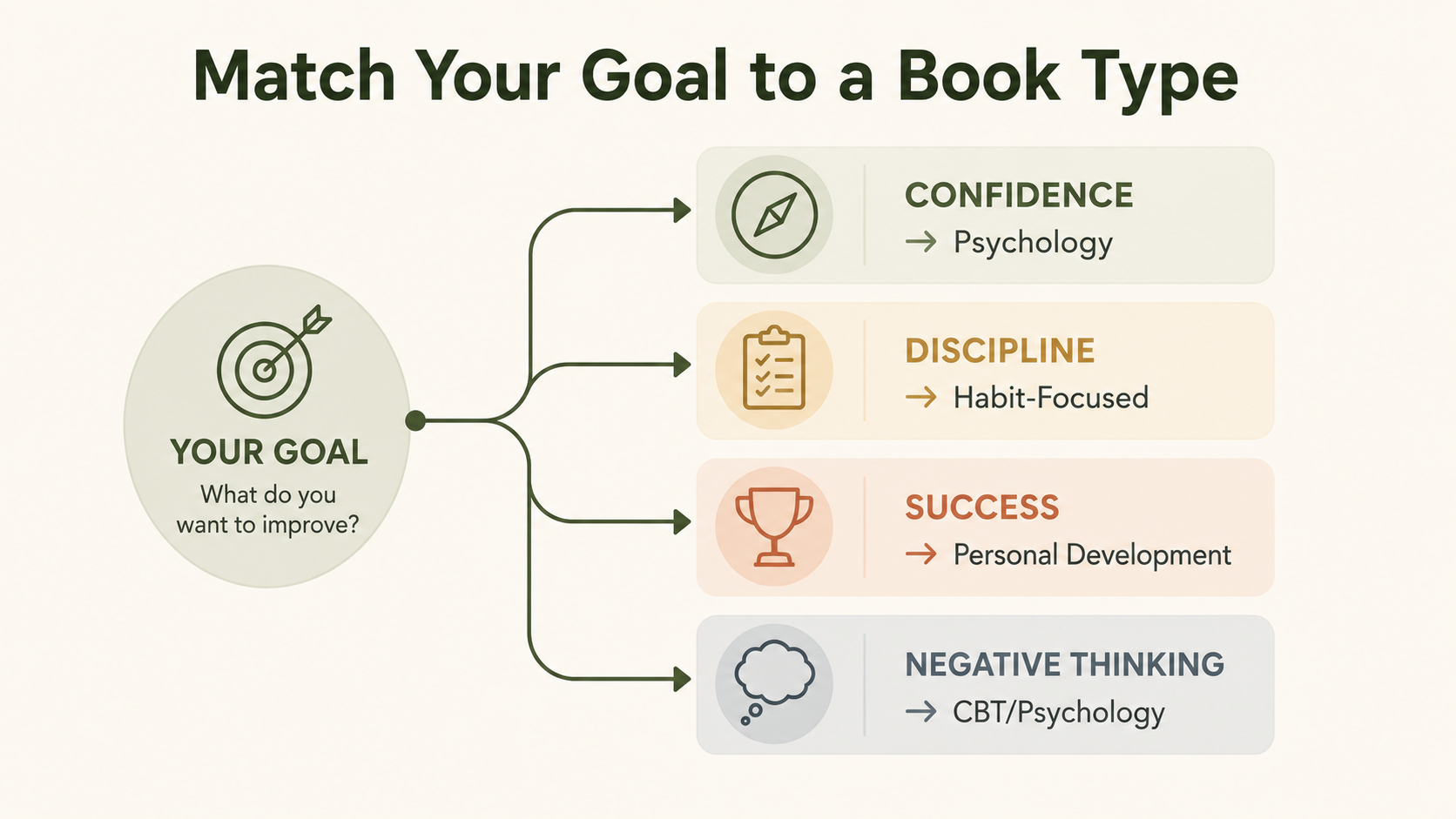
Identify Your Primary Goal
Common goals readers bring to mindset books include:
- Confidence
- Anxiety management
- Success and achievement
- Leadership development
- Habit building
- Discipline
- Resilience
Consider the Author’s Background
An author’s background — whether in psychology, coaching, academic research, or personal experience — shapes the tone, depth, and type of evidence used throughout the book.
Match the Book to Your Reading Style
Readers benefit from choosing a format that fits how they learn best:
- Practical workbook
- Scientific and research-based
- Inspirational and motivational
- Story-driven
- Action-oriented
Table: Choosing the Right Mindset Book
| Goal | Recommended Book Type | Best For |
|---|---|---|
| Confidence | Psychology | Beginners |
| Discipline | Habit-focused | Professionals |
| Success | Personal development | Entrepreneurs |
| Negative thinking | CBT/Psychology | General readers |
Best Categories of Changing Mindset Books
Rather than ranking specific titles, it is more useful to understand which category fits a given goal.
Growth Mindset
Focuses on reframing ability and intelligence as skills that develop through effort — useful for readers facing new challenges or learning curves.
Habit Building
Centers on the mechanics of forming and sustaining behaviors — ideal for readers who understand what to do but struggle with consistency.
Productivity
Addresses time management, focus, and prioritization alongside the mindset shifts needed to sustain them.
Mental Toughness
Explores resilience under pressure, often drawing on sports psychology and high-performance training.
Emotional Intelligence
Covers self-awareness, empathy, and emotional regulation as foundations for healthier thinking patterns.
Leadership
Applies mindset principles to decision-making, influence, and managing others.
Positive Psychology
Draws on the scientific study of well-being, strengths, and optimism rather than a deficit-based approach to change.
Resilience
Focuses specifically on recovering from setbacks and adapting to adversity.
Each category serves a different starting point — beginners often benefit most from growth mindset and habit-building books, while readers with more experience may look to leadership or mental toughness titles.
Psychology Behind Mindset Change
Neuroplasticity
The brain’s ability to reorganize itself by forming new neural connections is the biological basis for why repeated practice can change thought patterns over time.
Cognitive Behavioral Principles
Cognitive behavioral frameworks explain how thoughts, feelings, and behaviors influence one another, and how modifying thought patterns can change emotional and behavioral outcomes.
Habit Loops
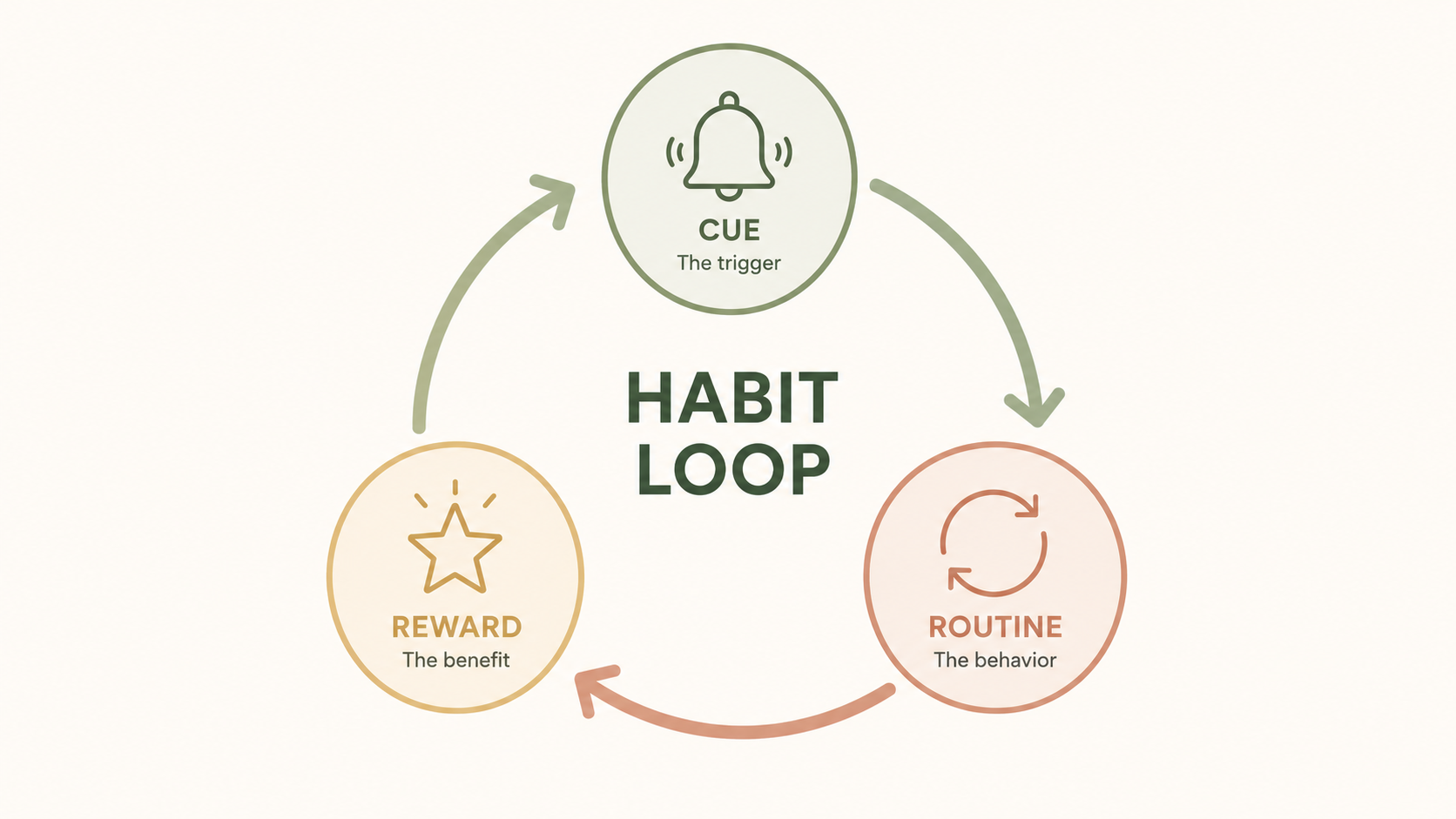
A habit loop consists of a cue, a routine, and a reward — understanding this structure helps readers replace unproductive habits with more constructive ones.
Identity-Based Change
Change that is framed around identity (“I am someone who reads daily”) tends to be more durable than change framed only around outcomes (“I want to read more”).
Motivation vs. Systems
Sustainable mindset change relies on repeated behaviors and systems rather than motivation alone, since motivation naturally fluctuates while systems provide consistency regardless of mood.
Comparing Different Types of Mindset Books
| Category | Focus | Best For | Typical Approach |
|---|---|---|---|
| Psychology | Thinking patterns | Evidence seekers | Research |
| Self-help | Action | Beginners | Practical exercises |
| Success | Achievement | Professionals | Strategies |
| Discipline | Consistency | Habit builders | Systems |
| Fiction | Perspective | Casual readers | Storytelling |
| Faith-based | Spiritual growth | Religious readers | Reflection |
Each category has distinct strengths and limitations. Psychology-based books offer strong evidence but can feel academic; self-help books are accessible but vary in rigor; fiction is engaging but less direct in its guidance. Matching the category to a reader’s preferences improves the likelihood of consistent engagement.
How to Get the Most Value from Reading Mindset Books
Read Actively
Engaging with the material — asking questions, relating concepts to personal experience — improves retention compared to passive reading.
Take Notes
Recording key ideas creates a reference point for later review and reinforces learning.
Apply One Lesson at a Time
Focusing on a single principle before moving to the next avoids overwhelm and supports deeper integration.
Review Key Ideas Regularly
Periodic review strengthens memory and keeps concepts active in daily decision-making.
Track Personal Progress
Monitoring change over time helps confirm which strategies are working.
Practical methods include:
- Journaling
- Reflection
- Weekly reviews
- Action plans
- Habit tracking
Common Mistakes When Reading Mindset Books
Reading Without Taking Action
Many readers absorb information without applying it, which limits real-world change. The correction is to select one actionable step from each chapter and implement it before moving on.
Expecting Immediate Transformation
Mindset change is gradual. Expecting instant results often leads to premature abandonment of otherwise effective strategies.
Reading Too Many Books at Once
Spreading attention across multiple books at once dilutes focus. Finishing and applying one book before starting another improves retention.
Ignoring Personal Context
Advice that works for one person’s circumstances may not translate directly to another’s. Readers benefit from adapting general principles to their specific situation.
Confusing Motivation with Lasting Change
Motivation from reading can feel like progress, but lasting change requires sustained behavior beyond the initial inspiration.
Common Challenges in Changing Your Mindset
Losing Motivation
This typically happens when progress feels slow. Building small, consistent systems reduces reliance on motivation alone.
Negative Self-Talk
Automatic negative thoughts can undermine progress. Identifying and reframing these thoughts through cognitive restructuring techniques helps interrupt the pattern.
Lack of Consistency
Inconsistent effort often stems from unclear routines. Scheduling specific times for practice improves follow-through.
Fear of Failure
Fear of failure can prevent readers from applying new ideas. Reframing failure as feedback rather than a final outcome reduces this barrier.
Slow Progress
Mindset change is often gradual and non-linear. Tracking progress over weeks rather than days provides a more accurate picture of growth.
Different Approaches to Mindset Development
Readers can pursue mindset change through several complementary approaches:
- Psychology-based learning — structured, research-backed frameworks
- Habit-based learning — focus on repeatable daily actions
- Coaching methods — guided, personalized support
- Reflective journaling — self-directed exploration of beliefs
- Faith-based approaches — spiritual practices and reflection
- Storytelling through fiction — indirect learning through narrative
Choosing an approach depends on personality, goals, and preferred learning style. Readers who prefer structure often gravitate toward psychology-based or habit-based learning, while those who value personal reflection may prefer journaling or faith-based approaches.
Practical Guide to Building a Better Mindset Through Reading
Create a Weekly Reading Routine
Setting aside consistent time each week for reading builds momentum and prevents books from being abandoned partway through.
Apply One Principle Each Week
Focusing on a single concept at a time allows for meaningful practice before introducing new ideas.
Discuss Ideas with Others
Conversations about book concepts reinforce understanding and introduce new perspectives.
Combine Reading with Journaling
Writing about how concepts apply to personal circumstances deepens comprehension and retention.
Revisit Important Books
Rereading key chapters after time has passed often reveals insights that were missed on the first read, especially once new context has been gained through practice.
Your Daily Thrive recommends pairing each reading session with a short reflection period — even five minutes of writing about how a concept applies to a current situation meaningfully improves follow-through.
Difficulty & Time Investment
Changing mindset books are generally beginner-friendly, requiring no prior background in psychology or self-improvement. Most readers can complete a single book in one to three weeks with moderate daily reading. However, the reading itself is only part of the process — applying the concepts consistently typically requires ongoing effort over several months. Difficulty varies based on the complexity of the material: psychology-based books with academic language may take longer to process than practical, action-oriented guides. Personal factors such as available time, current stress levels, and prior familiarity with self-improvement concepts also influence how quickly a reader can apply what they learn.
Results Timeline
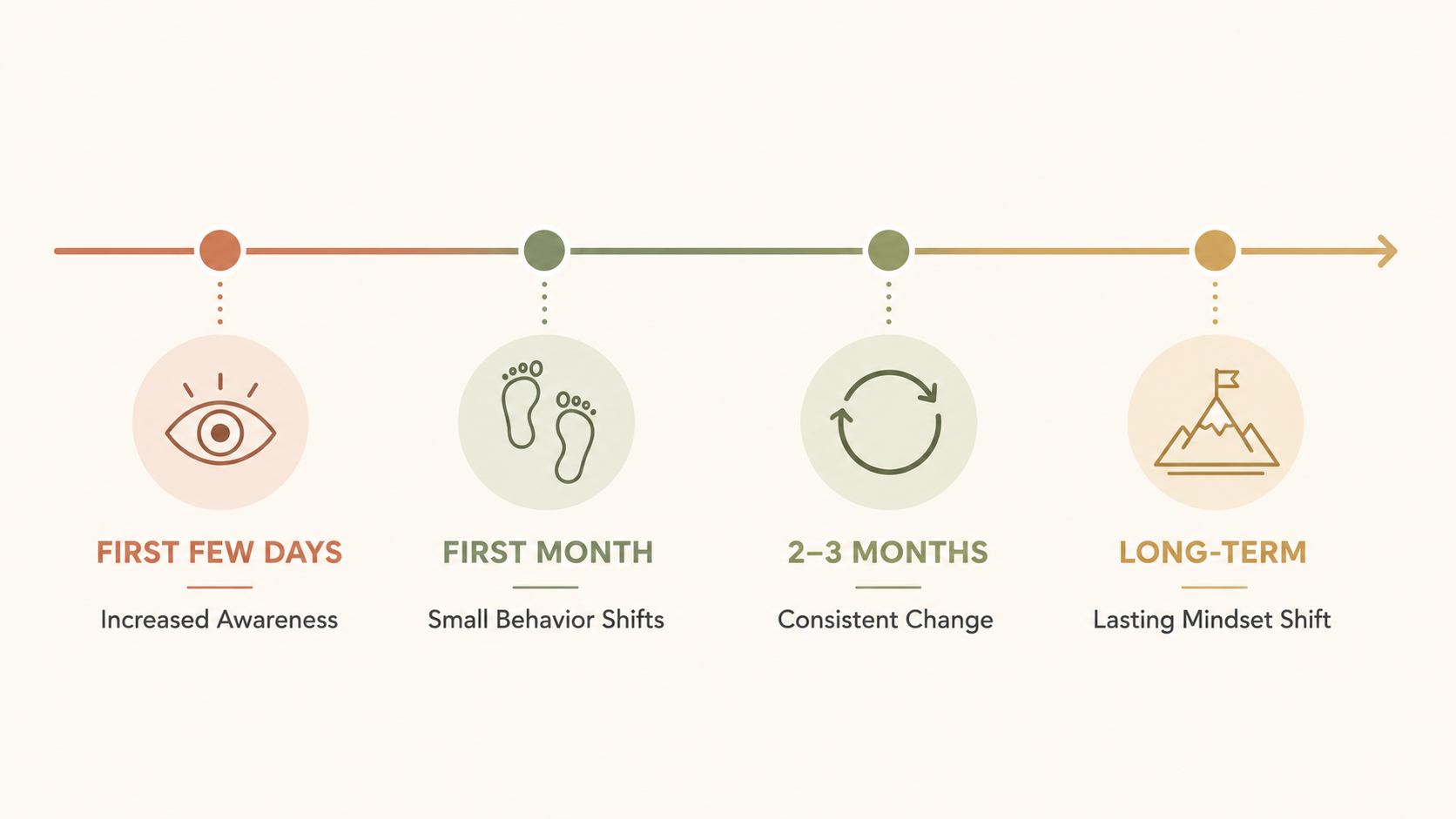
Progress from mindset books typically unfolds gradually rather than instantly.
- First few days: Readers often notice increased awareness of their own thought patterns and self-talk.
- First month: Small behavioral shifts may begin to appear as new habits are tested and refined.
- Two to three months: More consistent changes in decision-making and emotional response patterns tend to emerge with regular practice.
- Long-term development: Sustained application over six months or more typically produces the most noticeable shifts in overall mindset and behavior.
As of 2026, behavioral science research continues to emphasize that consistency and repeated application — rather than reading volume — are the strongest predictors of lasting mindset change. Readers who apply concepts through journaling, tracking, and regular review generally see faster and more durable progress than those who read passively.
Conclusion
Changing mindset books remain valuable tools for personal growth because they combine psychological insight with practical frameworks for reshaping beliefs and behaviors. Different categories — from psychology-based and self-help titles to discipline-focused and faith-based books — serve different goals, which makes it important to match the book to individual objectives and learning style. Ultimately, the value of changing mindset books comes not from how many are read, but from how consistently their lessons are applied through reflection, practice, and habit formation. Readers who approach these books as ongoing tools for growth, rather than one-time reads, are the ones most likely to experience lasting change.
Frequently Asked Questions
What are changing mindset books?
Changing mindset books are books designed to help readers identify limiting beliefs and replace them with healthier thinking patterns that support personal growth, resilience, and better decision-making.
Which types of mindset books are best for beginners?
Psychology-based and self-help books are generally best for beginners because they explain foundational concepts clearly and often include practical exercises for immediate application.
Can reading mindset books really change the way people think?
Yes, reading mindset books can influence thinking patterns when paired with active reflection and consistent application, since repeated practice supports the brain’s capacity for change through neuroplasticity. Psychology Behind Mindset Change — this is the one purely scientific/factual term in the article that benefits from an authoritative external citation.
How long does it take to notice results from mindset books?
Initial awareness often develops within days, small behavioral changes may appear within a month, and more consistent shifts typically emerge after two to three months of regular practice.
Are psychology-based mindset books better than self-help books?
Neither is universally better; psychology-based books offer stronger research grounding, while self-help books tend to be more accessible and immediately actionable, so the right choice depends on reader preference.
What is the difference between mindset books and motivational books?
Mindset books focus on reshaping underlying beliefs and thought patterns for lasting change, while motivational books primarily aim to inspire short-term action and energy.
How can I apply the lessons from mindset books in daily life?
Lessons can be applied by selecting one principle at a time, practicing it consistently, journaling about progress, and reviewing key ideas regularly to reinforce new thought patterns.