
Introduction
The best books for changing mindset work by reshaping how people interpret setbacks, opportunities, and their own potential. A mindset is the underlying set of beliefs and assumptions a person holds about their abilities, worth, and place in the world — and it quietly directs decision-making, emotional resilience, and long-term personal growth. Books influence this internal framework by introducing new mental models, challenging outdated beliefs, and offering repeatable frameworks for behavior change. Not every book serves the same purpose: some are built around confidence, others around happiness, productivity, leadership, or success. This guide breaks down what mindset actually means, how reading changes thinking patterns, and which books align with specific personal growth goals.
Quick Summary
- Mindset books help reshape beliefs, habits, and decision-making through practical principles and psychological insights.
- The best book depends on your goal, such as building confidence, achieving success, or improving happiness.
- Consistent application of lessons matters more than simply reading multiple books.
- Combining mindset reading with daily practice produces more sustainable personal growth.
- Beginners benefit most from action-oriented titles before moving to research-heavy books.
What Does It Mean to Change Your Mindset?
Understanding Fixed and Growth Mindsets
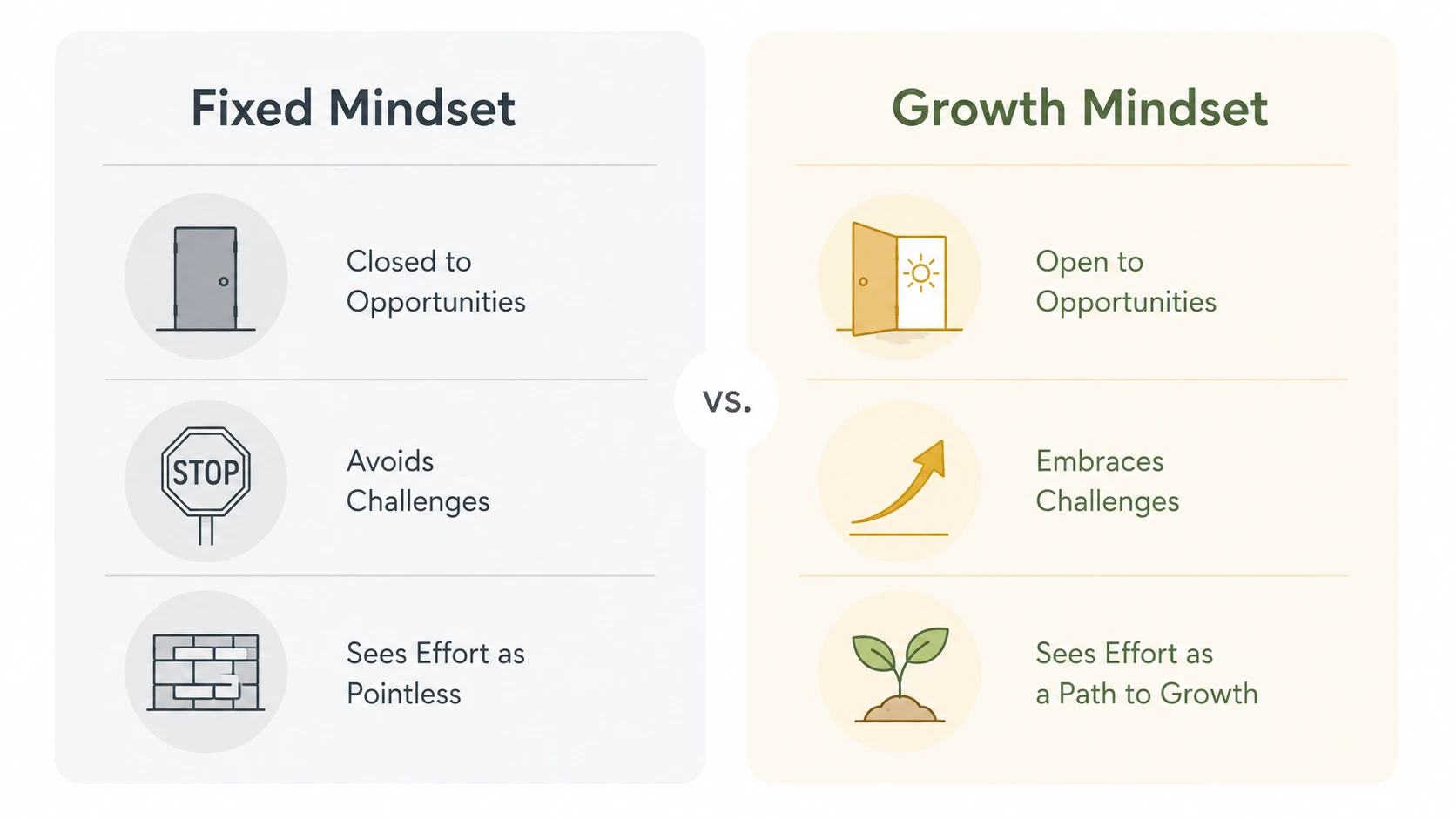
A fixed mindset is the belief that intelligence, talent, and ability are static traits, while a growth mindset holds that these qualities can be developed through effort, strategy, and learning. This distinction, popularized in behavioral psychology, shapes how people respond to failure: a fixed mindset treats mistakes as evidence of limitation, while a growth mindset treats them as data for improvement. Beliefs formed early in life — about intelligence, worth, or capability — directly influence behavior patterns, learning speed, and emotional resilience under pressure. In our experience helping readers build better habits, the shift from fixed to growth thinking is usually the single biggest unlock behind lasting personal change. This distinction, popularized in behavioral psychology, shapes how people respond to failure — a concept explored further in these growth mindset quotes from Carol Dweck.
Why Mindset Influences Long-Term Success
Mindset shapes outcomes across nearly every area of life:
- Career growth — a growth mindset encourages skill development and openness to feedback.
- Learning — belief in improvability increases persistence through difficult material.
- Relationships — a flexible mindset supports empathy and conflict resolution.
- Financial decisions — resilience and delayed gratification improve long-term planning.
- Emotional resilience — reframing setbacks reduces anxiety and burnout.
These connections don’t guarantee success, but they consistently correlate with better decision-making and sustained effort over time.
How Books Help Change Your Mindset
Why Reading Can Influence Thinking Patterns
Reading influences thinking patterns because it introduces repeated exposure to new frameworks, which supports cognitive reframing over time. Books allow readers to encounter structured psychological concepts, learn from the documented experiences of experts, and engage in self-reflection that everyday routines rarely prompt. This repeated exposure functions similarly to habit formation: the more consistently a concept is revisited, the more likely it is to influence real behavior rather than remain abstract knowledge.
What Makes a Mindset Book Effective?
Effective mindset books share several traits:
- Practical exercises readers can apply immediately
- Grounding in scientific or behavioral research
- Real-life examples that illustrate abstract concepts
- Actionable advice rather than vague motivation
- Clear, accessible writing
- Long-term applicability beyond a single read
Books lacking these elements tend to produce short-term inspiration without measurable behavior change.
Best Books for Changing Mindset
Recommendations are organized by purpose rather than popularity, since the best books for changing mindset depend heavily on individual goals.
Books for Personal Growth
These titles emphasize self-awareness, habit-building, and continuous improvement as the foundation for broader mindset change. They typically focus on identity-level shifts — how a person sees themselves — rather than quick behavioral fixes.
Books for Success Mindset
Books on mindset and success generally connect discipline, long-term thinking, and resilience to achievement. The best books on mindset and success avoid promising guaranteed outcomes and instead focus on how to change mindset for success through incremental, repeatable habits like goal-setting and deliberate practice.
Books for Confidence
The best books on mindset and confidence address self-belief, overcoming fear, resilience, and practical confidence-building exercises. These books often combine cognitive techniques (challenging negative self-talk) with behavioral ones (taking small, confidence-building actions).
Books for Adults Seeking Personal Change
Best books for changing mindset adults often need to address entrenched habits, established identities, and competing responsibilities like career and family. Adults typically face different mindset challenges than younger readers because behavior patterns are more deeply reinforced and require more deliberate unlearning.
Recommended Mindset Books
| Book | Primary Focus | Best For | Key Takeaway | Difficulty Level |
|---|---|---|---|---|
| Mindset: The New Psychology of Success — Carol Dweck | Growth vs. fixed mindset | Beginners and educators | Abilities can be developed through effort | Beginner |
| Atomic Habits — James Clear | Habit formation | Anyone building routines | Small habits compound into major change | Beginner |
| The Confidence Code — Kay & Shipman | Confidence building | Readers working on self-belief | Confidence is built through action, not just thought | Intermediate |
| Grit — Angela Duckworth | Success and perseverance | Goal-driven readers | Sustained passion and persistence predict achievement | Intermediate |
| The Happiness Advantage — Shawn Achor | Positive psychology | Readers seeking happiness and productivity | Positive mindset drives performance, not just the reverse | Beginner |
| Man’s Search for Meaning — Viktor Frankl | Resilience and purpose | Readers facing adversity | Meaning can be found even in extreme hardship | Advanced |
How to Choose the Right Mindset Book
Match Books to Your Goals
Choosing a mindset book should start with a specific goal rather than general curiosity:
- Success — books focused on discipline, goal-setting, and long-term achievement
- Confidence — books addressing self-belief and fear management
- Happiness — books on gratitude, optimism, and emotional regulation
- Productivity — books on habits and focus
- Leadership — books on influence, communication, and decision-making
- Emotional resilience — books on stress management and adaptability
Beginner vs Advanced Readers
Beginners generally benefit from easier, introductory books with clear frameworks and minimal jargon, while advanced readers may prefer research-heavy titles with deeper psychological detail. Practical, exercise-based books suit readers who want immediate application, while theoretical books suit readers who want a deeper conceptual foundation before acting.
Mindset Books for Different Goals
Developing a Success-Oriented Mindset
Success-oriented mindset books typically emphasize goal achievement, discipline, resilience, and long-term thinking. They frame success as a byproduct of consistent systems rather than isolated bursts of motivation.
Building Confidence Through Reading
Confidence-focused books target self-esteem, positive self-talk, courage, and emotional strength, often through structured exercises that gradually expand a reader’s comfort zone.
Learning How to Become Happier
Understanding how to change your mindset to be happy generally involves connecting gratitude, optimism, and emotional regulation to daily behavior. Books in this category typically link small, repeatable practices — such as gratitude journaling — to measurable improvements in mood and outlook over time.
Comparison of Popular Mindset Book Approaches
| Approach | Main Focus | Ideal Reader | Strengths | Limitations |
|---|---|---|---|---|
| Psychology-based books | Research and cognitive science | Readers who want evidence-backed explanations | High credibility, deep understanding | Can feel academic or slow-paced |
| Habit-focused books | Behavior and routine design | Readers wanting practical systems | Highly actionable, easy to apply | Less focus on deeper emotional work |
| Success philosophy books | Achievement and discipline | Goal-driven readers | Motivating, big-picture thinking | Can lack scientific grounding |
| Memoirs | Personal experience and reflection | Readers who learn through storytelling | Relatable, emotionally engaging | Less structured, harder to apply directly |
| Practical workbooks | Guided exercises | Readers who prefer step-by-step formats | Immediate application, structured practice | May require more hands-on effort |
How to Apply Lessons From Mindset Books
Turning Ideas into Daily Habits
Applying lessons from mindset books effectively usually involves:
- Journaling to reinforce key concepts
- Regular reflection on progress and setbacks
- Habit tracking to maintain consistency
- Periodic goal reviews
- Concrete action planning for each new concept learned For a structured approach to building consistency, see how to build good habits in 30 days
Measuring Personal Progress
Progress from mindset work is best measured through behavioral changes, improved emotional resilience, better decision-making under pressure, and long-term consistency rather than short-term motivation spikes.
Common Mistakes When Reading Mindset Books
Reading Without Taking Action
Passive learning — reading without implementation — is one of the most common reasons mindset books fail to produce change. Information overload from consuming too many ideas at once can also prevent readers from applying any single concept deeply enough to see results.
Expecting Immediate Transformation
Mindset change is rarely immediate. Realistic timelines involve repetition and habit reinforcement over weeks or months, not overnight shifts after a single reading session.
Reading Too Many Books at Once
Your Daily Thrive recommends focusing on implementation over quantity. Building depth with one book at a time tends to produce more measurable change than collecting recommendations without applying them.
Practical Tips for Getting the Most Value From Mindset Books
- Take notes while reading rather than after finishing
- Highlight specific, actionable lessons instead of general themes
- Apply one concept per week to avoid overwhelm
- Discuss key ideas with others to reinforce understanding
- Revisit books periodically to reinforce lessons
- Combine reading with habit tracking to measure real behavior change
Difficulty & Time Investment
Reading one mindset book typically requires a moderate time commitment, usually a few hours spread across one to three weeks depending on reading pace. Personal change itself develops gradually through consistent application rather than the act of reading alone. Beginners can start with simpler, action-oriented books before exploring research-heavy titles that require more background knowledge. Individual motivation, available time, and willingness to practice new behaviors all influence how quickly results appear.
Results Timeline
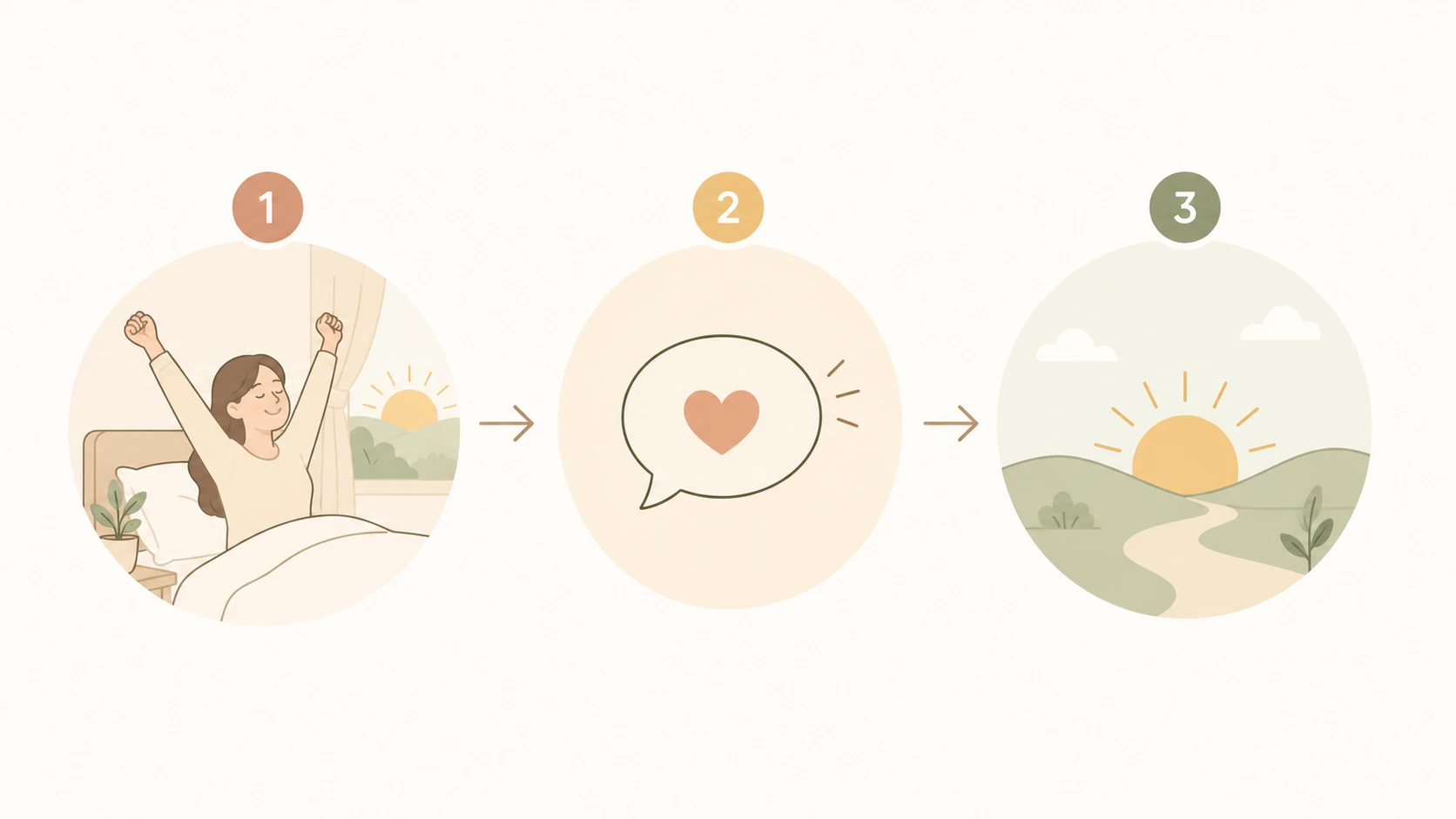
Initial mindset shifts may occur within days simply through increased awareness of fixed patterns of thinking. Behavioral changes usually develop over several weeks of consistent practice, as new responses gradually replace old habits. Lasting mindset transformation often requires months of applying new habits consistently across different situations. As of 2026, behavioral scientists increasingly emphasize that progress varies significantly based on personal circumstances, existing habits, and consistency rather than the specific book chosen.
Practice Guide
Weekly Reading Routine
A sustainable routine typically includes short daily reading sessions, a weekly reflection period, periodic goal reviews, and a dedicated time for implementing at least one lesson from the week’s reading. Pairing reading with reflection works best with a consistent set of journaling prompts for self growth.
Staying Consistent
Consistency improves through habit stacking (attaching reading to an existing routine), accountability with another person, ongoing progress tracking, and periodically reviewing previously learned lessons. Routines should be adjusted for different lifestyles and schedules rather than following a rigid, one-size-fits-all structure.
Frequently Asked Questions
What is the best book for changing mindset?
The best book for changing mindset depends on individual goals and learning preferences, since books focused on confidence, success, or happiness each use different frameworks and exercises.
Which books are best for mindset and success?
Books best suited for a success mindset typically emphasize discipline, resilience, and long-term thinking, framing achievement as the result of consistent systems rather than isolated motivation.
Can reading books really change your mindset?
Reading can meaningfully influence mindset when paired with consistent action, since books introduce new frameworks but require real-world application to produce lasting behavioral change.
How long does it take to change your mindset?
Mindset change timelines vary, with initial awareness often appearing within days, behavioral shifts developing over weeks, and lasting transformation typically requiring several months of consistent practice.
Are mindset books suitable for beginners?
Mindset books are suitable for beginners when they choose accessible, practical titles with clear frameworks before moving on to more research-heavy or theoretical books.
Should I read one mindset book or several?
Readers generally benefit more from focusing on one book at a time, applying its lessons fully, before moving to additional titles, since depth of application matters more than the number of books read.
Conclusion
Choosing the best books for changing mindset starts with identifying a clear personal goal — whether that’s confidence, success, happiness, or resilience — rather than selecting a book based on popularity alone. Lasting mindset change comes from applying ideas consistently, not from simply reading more titles. The most effective approach is to select one book, implement its lessons through daily habits and reflection, and build sustainable practices that support long-term confidence, happiness, and success.