
Introduction
A growth mindset is the belief that abilities, intelligence, and skills can improve through effort, strategy, and persistence rather than staying fixed from birth. Finding the best book for growth mindset isn’t about picking one universal title—it depends on the reader’s goals, age, and experience level. A student building study habits needs different guidance than a professional navigating career growth or a parent raising resilient children. This article draws on psychology, education research, and self-help practice to help readers understand the different types of mindset books available and how to select one that genuinely fits their needs, whether they’re new to the concept or looking to deepen an existing practice. Parents searching for growth mindset books for 10 year olds or other kids’ books on this topic should look for titles that translate psychological concepts into relatable, concrete examples children can understand.
Quick Summary
- A growth mindset book helps readers develop resilience, continuous learning, and a belief that abilities can improve with effort.
- The best choice varies depending on whether you’re a student, professional, parent, or lifelong learner.
- Psychology, scientific research, practical exercises, and real-world examples all contribute to an effective mindset book.
- Reading alone isn’t enough—consistent practice is essential for lasting mindset change.
What Is a Growth Mindset?
Definition of a Growth Mindset
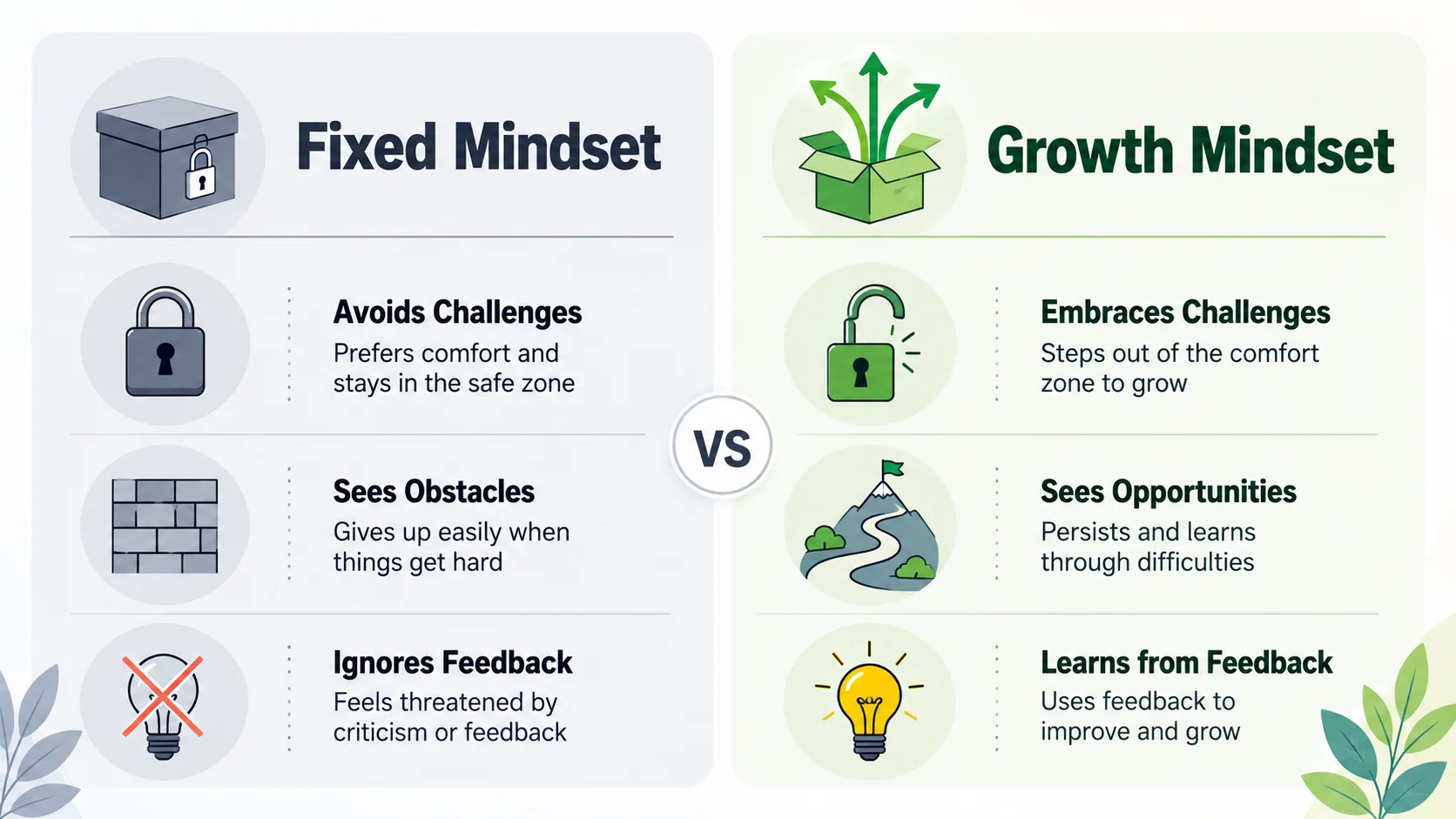
A growth mindset is the psychological belief that intelligence, talent, and abilities can be developed through dedication, effort, and learning from mistakes. It stands in contrast to a fixed mindset, which assumes that abilities are static traits a person either has or lacks. This distinction, rooted in developmental psychology, is the foundation of nearly every psychology best book for growth mindset on the market today.
The concept emerged from decades of research into motivation and learning behavior, and it has since expanded into education, business, and personal development. A science best book for growth mindset typically explains how the brain responds to challenge and effort, giving readers a factual basis for why mindset shifts are possible rather than simply motivational.
Why Growth Mindset Matters
A growth mindset influences nearly every area of life, including learning, career development, relationships, confidence, and long-term success. People who approach challenges with a growth-oriented perspective tend to persist longer, recover faster from setbacks, and remain open to feedback. A growth mindset influences nearly every area of life, including learning, career development, relationships, confidence, and long-term success — which is exactly why is growth mindset important to understand before choosing a book on the subject.
Key benefits include:
- Improved resilience when facing obstacles
- Better learning habits and information retention
- Higher motivation to pursue difficult goals
- Greater adaptability in changing circumstances
- Increased confidence when tackling new skills
What Makes the Best Book for Growth Mindset?
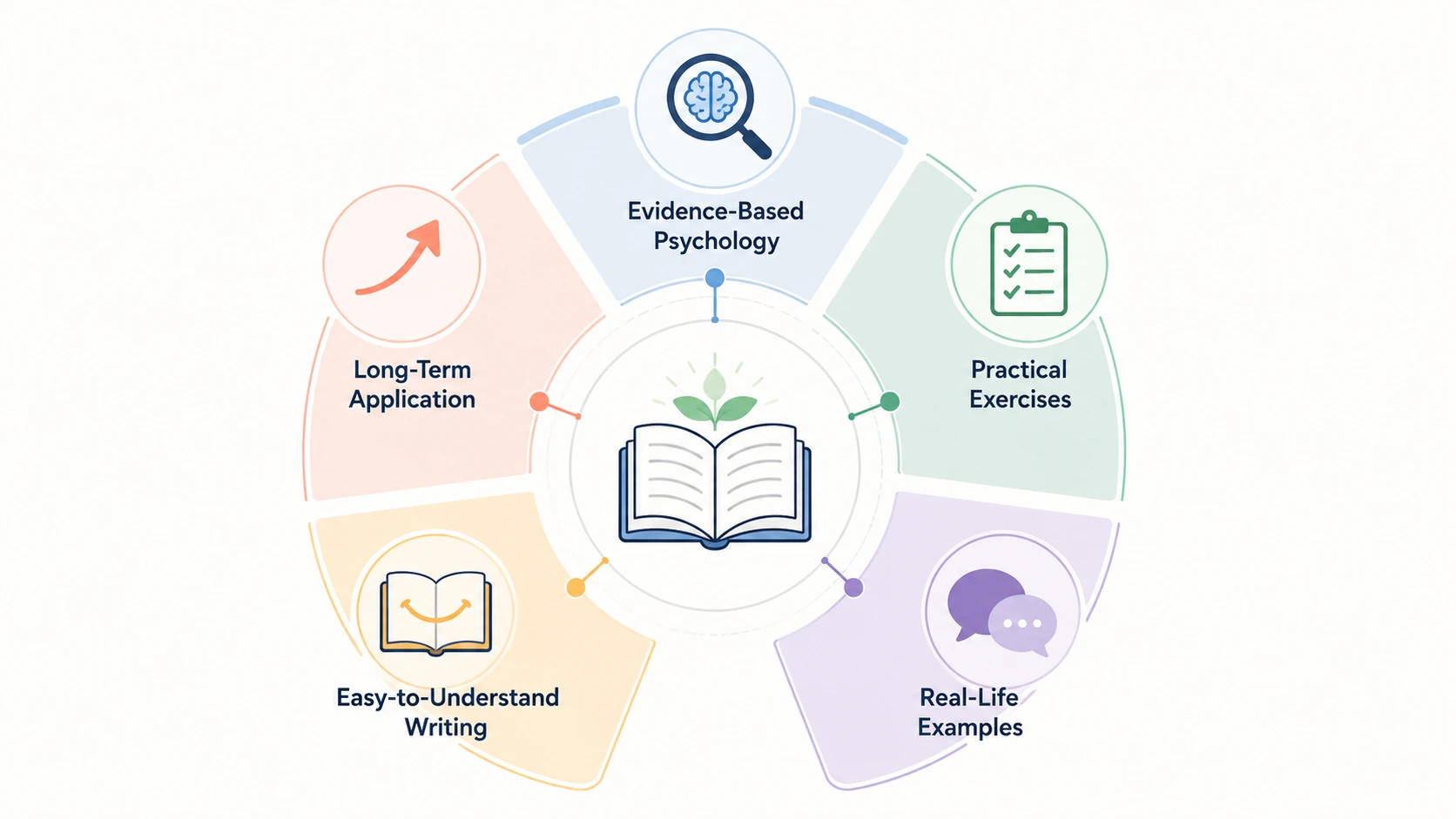
The best book for growth mindset is defined by specific, measurable qualities rather than popularity alone. Evaluating a book against clear criteria helps readers avoid titles that offer motivation without substance.
Evidence-Based Psychology
Strong mindset books ground their claims in psychological research rather than personal opinion. This gives readers confidence that the strategies described are supported by data, not just anecdote.
Practical Exercises and Reflection
Books that include exercises, journaling prompts, or self-assessment tools help readers move from understanding a concept to applying it in daily life.
Real-Life Examples
Case studies and real-world scenarios make abstract psychological concepts easier to understand and relate to personal circumstances.
Easy-to-Understand Writing Style
Readability matters. A book that is accessible without oversimplifying the science is more likely to be finished and applied consistently.
Long-Term Application
The most useful books extend beyond initial motivation, offering guidance for maintaining mindset shifts over months or years.
| Evaluation Criteria | Why It Matters |
|---|---|
| Scientific research | Builds credibility |
| Exercises | Encourages practice |
| Case studies | Improves understanding |
| Readability | Easier implementation |
| Action plans | Supports behavior change |
Different Types of Growth Mindset Books
Understanding the different categories of mindset books helps readers match a title to their specific goals rather than choosing based on general popularity.
Psychology-Based Books
These books focus on the science behind mindset, drawing on psychology and cognitive research to explain why belief systems shape behavior and performance.
Self-Help Books
A self-help best book for growth mindset typically emphasizes personal transformation, motivation, and actionable strategies for everyday life.
Educational Books
An education best book for growth mindset is often written for teachers, parents, or students, focusing on how mindset affects learning outcomes in academic settings.
Success and Achievement Books
Many books on mindset and success blend growth mindset principles with goal-setting and achievement frameworks. Lists of the best books on mindset and success or a top 10 books on mindset roundup often fall into this category, combining psychological insight with performance-oriented strategies.
Business Mindset Books
Mindset books for business apply growth mindset principles to leadership, team development, innovation, and workplace resilience.
Best Growth Mindset Books for Different Readers
Students
The best book for growth mindset for students typically focuses on study habits, academic resilience, and reframing failure as part of the learning process. These books help students approach exams, grades, and setbacks with a more constructive perspective.
Adults
For working adults, the best book for growth mindset for adults often centers on career growth and personal development, addressing challenges like career transitions, skill-building, and long-term goal pursuit.
Children
A best growth mindset book for kids uses age-appropriate language and storytelling techniques to introduce the concept early. Parents searching for growth mindset books for 10 year old or other kids’ books on this topic should look for titles that translate psychological concepts into relatable, concrete examples children can understand. Parents looking specifically at growth mindset picture books will find that visual storytelling helps younger children grasp abstract psychological ideas more easily than text-heavy explanations.
Lifelong Learners
Readers who are simply looking for books to read for growth mindset as an ongoing practice benefit from broader growth mindset books and general books for better mindset that emphasize continuous, incremental improvement over time.
Growth Mindset Books vs Success Mindset Book
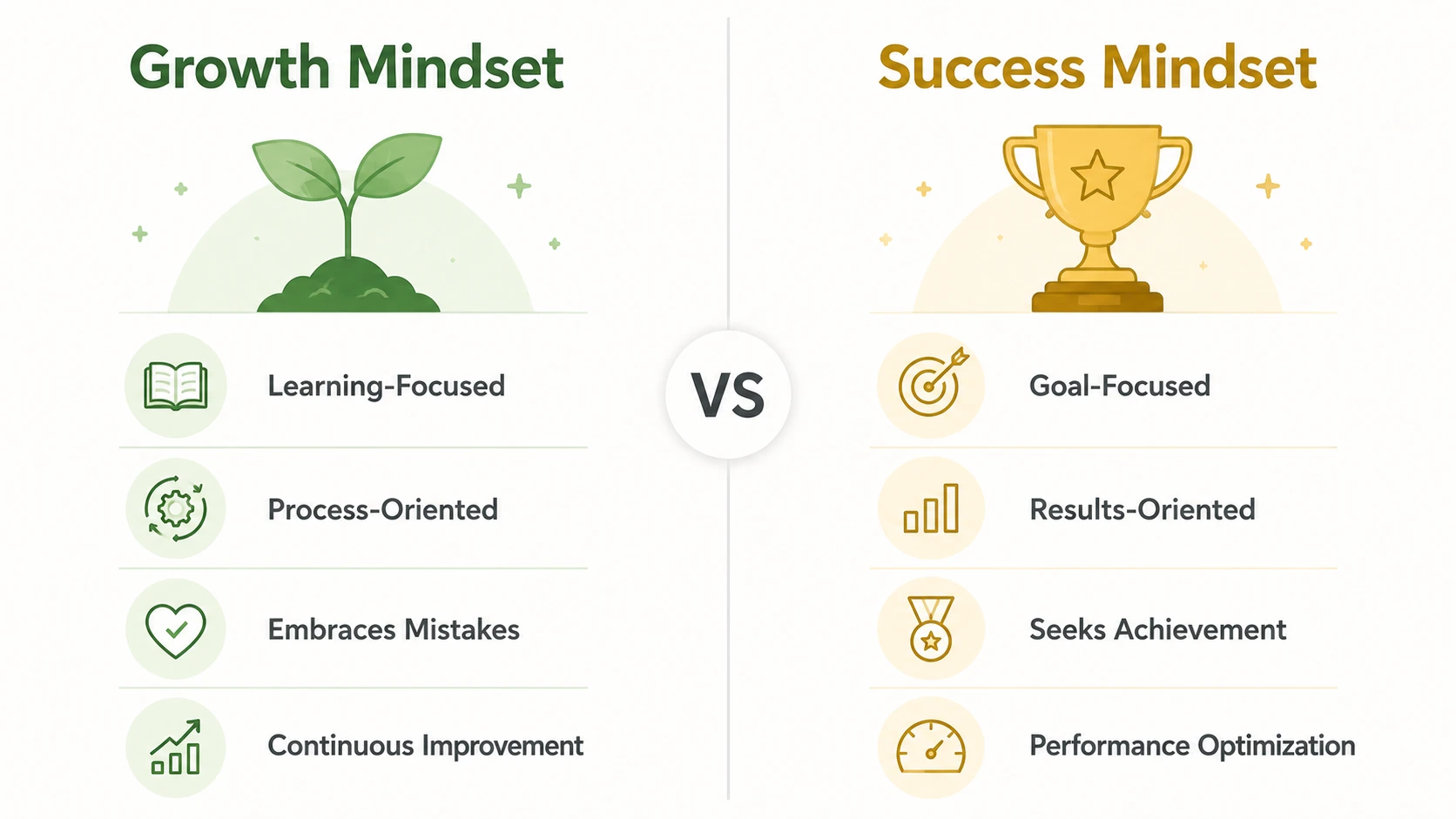
These two categories are often confused, but they emphasize different priorities.
| Growth Mindset | Success Mindset |
|---|---|
| Learning focused | Goal focused |
| Process oriented | Results oriented |
| Embraces mistakes | Seeks achievement |
| Continuous improvement | Performance optimization |
A growth mindset book prioritizes the process of learning and improving, while a success mindset book tends to prioritize achieving specific outcomes. Many readers benefit from both, but understanding the distinction helps set accurate expectations before choosing a book.
Psychology and Science Behind Growth Mindset Books
The psychology behind growth mindset books draws on several established areas of research:
- Neuroplasticity — the brain’s capacity to reorganize and form new neural connections through practice and learning
- Learning theory — frameworks explaining how people acquire and retain new skills and knowledge
- Motivation — the psychological drivers that influence effort and persistence
- Habit formation — the behavioral science of how repeated actions become automatic
- Cognitive psychology — the study of how beliefs and thought patterns shape behavior
A credible science best book for growth mindset will reference these areas directly, giving readers a factual foundation rather than relying solely on inspirational language.
How to Choose the Right Growth Mindset Book
Based on Your Goals
Readers pursuing academic success, career advancement, parenting guidance, or general personal growth will benefit from different books tailored to those specific outcomes.
Based on Your Experience Level
Beginners often benefit from foundational, definition-first books, while readers already familiar with the concept may prefer advanced or specialized titles.
Based on Learning Style
Some readers absorb information best through structured exercises, while others prefer narrative case studies or data-driven explanations.
Based on Practicality
Books with clear action steps tend to produce better outcomes than those focused purely on theory.
Common reader profiles include:
- Beginners exploring the concept for the first time
- Professionals seeking career-focused strategies
- Students building academic resilience
- Parents guiding children’s development
- Entrepreneurs applying mindset principles to business challenges
How to Read a Growth Mindset Book Effectively
Reading a growth mindset book effectively requires active engagement rather than passive consumption.
Take Notes
Writing down key concepts reinforces retention and makes it easier to revisit important ideas later.
Practice Reflection
Pausing after each chapter to consider how the concepts apply to personal circumstances strengthens understanding.
Apply One Lesson Weekly
Focusing on a single actionable lesson per week prevents information overload and supports gradual behavior change.
Review Progress Regularly
Periodically revisiting notes and reflections helps readers track how their mindset is shifting over time.
How to Maintain a Growth Mindset After Reading
Understanding how to maintain a growth mindset after finishing a book is often more important than the reading itself. Long-term maintenance depends on consistent daily habits, reflection, and accountability rather than a single motivational boost.
Key components of learning how to have a great mindset over time include:
- Daily habits — small, repeated actions that reinforce growth-oriented thinking
- Reflection — regularly reviewing successes, setbacks, and lessons learned
- Feedback — seeking input from others to identify blind spots
- Continuous learning — treating personal development as an ongoing process rather than a fixed destination
- Accountability — using systems, partners, or trackers to stay consistent
Common Mistakes When Developing a Growth Mindset
Expecting Immediate Results
Mindset change is gradual. Readers who expect instant transformation often abandon the practice prematurely.
Reading Without Practice
Understanding growth mindset concepts intellectually does not automatically translate into behavior change without deliberate practice.
Avoiding Difficult Challenges
Ironically, avoiding discomfort undermines the core principle of a growth mindset, which depends on engaging with challenges rather than sidestepping them.
Giving Up After Setbacks
Treating a single failure as proof that growth isn’t working contradicts the process-oriented nature of the mindset itself.
Confusing Positive Thinking with Growth Mindset
A growth mindset is not the same as optimism or positive self-talk. It specifically involves the belief that abilities can be developed through effort, not simply thinking positively about outcomes.
Practical Growth Mindset Routine
Turning book concepts into lasting change requires a structured routine built around daily reading, weekly reflection, journaling, goal review, and habit tracking.
A sample routine structure might include:
- Morning routine — a few minutes of reading or reviewing a key concept
- Evening reflection — journaling about challenges faced and how they were approached
- Weekly review — assessing progress and adjusting goals
- Monthly assessment — evaluating overall mindset shifts and identifying areas needing more attention
Difficulty & Time Investment
Developing a growth mindset through reading is beginner-friendly and does not require advanced psychological knowledge to get started. Most books are designed for a general audience, with more advanced titles available for readers who want deeper scientific detail.
Time commitment varies by individual, but most readers can complete a foundational growth mindset book within a few weeks when reading in short daily sessions. Reading pace and practice requirements depend on personal schedules, existing habits, and how much time is dedicated to reflection versus reading alone. Individual differences, such as prior exposure to psychology or personal development content, also influence how quickly the material feels applicable.
Results Timeline
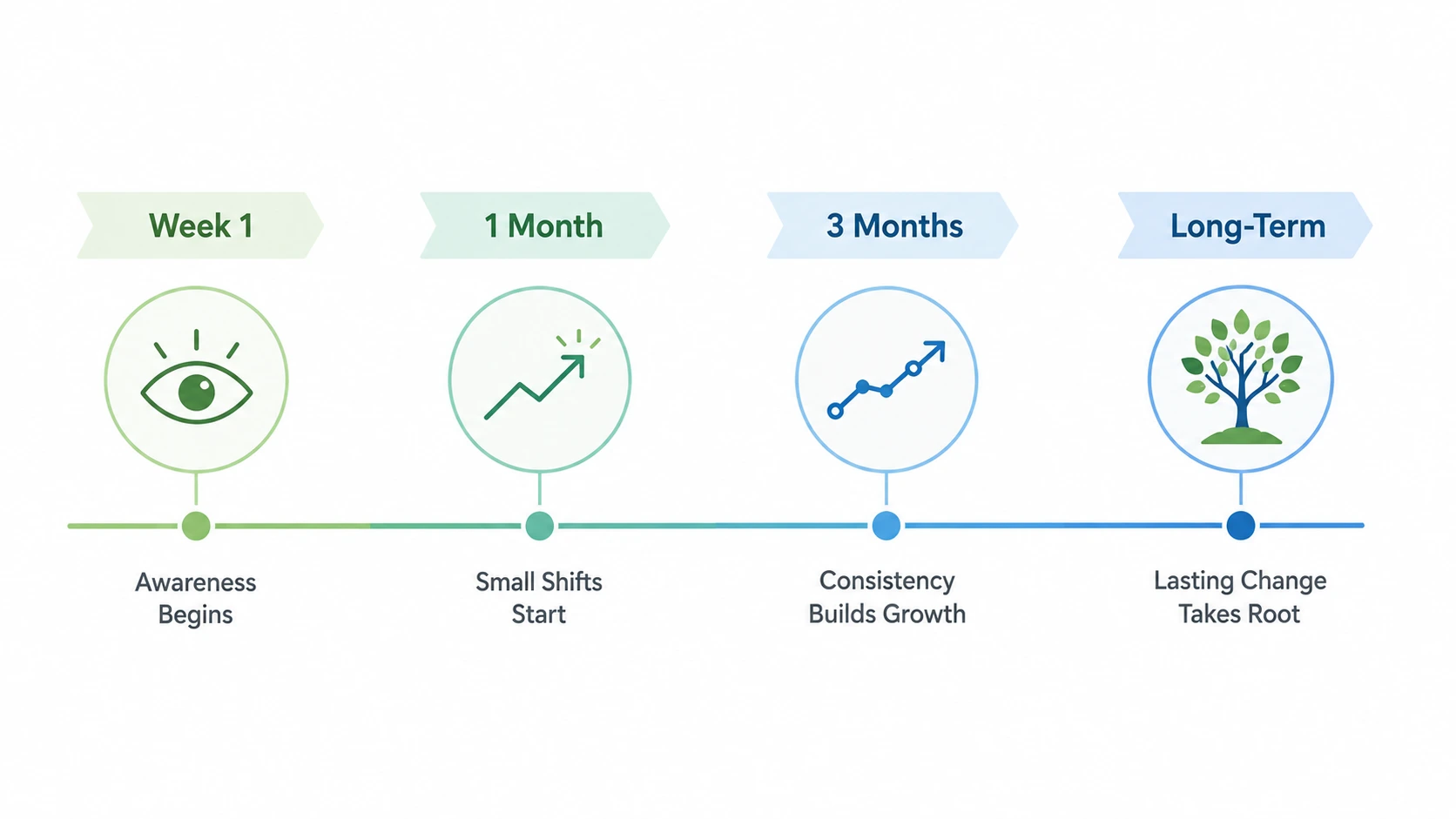
Mindset shifts typically follow a gradual, non-linear pattern rather than appearing overnight.
- First week — readers often notice increased awareness of fixed-mindset thoughts but little behavioral change yet
- One month — small, noticeable shifts in how challenges and setbacks are approached
- Three months — more consistent application of growth-oriented thinking in daily decisions
- Long-term development — sustained mindset change typically solidifies over six months to a year of consistent practice
Factors influencing progress include consistency of practice, willingness to engage with discomfort, and the presence of accountability systems.
Practice Guide
Sustained growth mindset development depends on consistent, structured practice rather than reading alone.
- Daily reading schedule — short, consistent sessions rather than infrequent long ones
- Reflection exercises — journaling prompts tied to specific chapters or concepts
- Habit tracking — logging daily actions that reinforce growth-oriented behavior
- Accountability methods — sharing goals with a mentor, coach, or peer group
- Motivation strategies — connecting mindset work to a clear, personally meaningful goal
- Long-term consistency — building mindset practice into an existing routine rather than treating it as a separate task
- Lifestyle adjustments — adapting practice intensity based on workload, stress, or major life changes
In our experience helping readers build better habits, the readers who succeed are rarely the ones who read the most books—they’re the ones who apply a single concept consistently over weeks and months.
Common Challenges and How to Overcome Them
Losing Motivation
Why it happens: Initial enthusiasm fades once the novelty of a new book wears off. How to fix it: Reconnect practice to a specific, personally meaningful goal. How to prevent it: Build small, sustainable habits rather than relying on bursts of motivation.
Lack of Consistency
Why it happens: Busy schedules or competing priorities crowd out reflection time. How to fix it: Anchor practice to an existing daily habit, such as morning coffee or a commute. How to prevent it: Set realistic, minimal daily commitments rather than ambitious ones.
Information Overload
Why it happens: Reading multiple books or resources at once without applying any of them. How to fix it: Focus on one book and one actionable lesson at a time. How to prevent it: Limit intake and prioritize application over accumulation of new material.
No Visible Progress
Why it happens: Mindset change is gradual and often invisible day-to-day. How to fix it: Track specific behaviors rather than expecting dramatic shifts in feeling. How to prevent it: Set measurable, behavior-based milestones instead of vague emotional goals.
Returning to Old Habits
Why it happens: Stress or unfamiliar situations can trigger a reversion to fixed-mindset thinking. How to fix it: Use reflection to identify triggers and consciously reframe the response. How to prevent it: Build ongoing accountability systems that catch setbacks early.
Beyond Books: Other Ways to Build a Growth Mindset
Books are one of several tools for developing a growth mindset, and combining them with other resources often produces stronger results.
- Courses — structured, guided instruction on mindset and behavior change
- Journaling — ongoing self-reflection independent of any single book
- Mentorship — guidance from someone with direct experience applying growth mindset principles
- Coaching — personalized accountability and feedback
- Podcasts — ongoing exposure to mindset concepts in an accessible, recurring format
- Reflection groups — peer accountability and shared learning
- Practical experience — direct application of mindset principles through real challenges
Frequently Overlooked Factors When Choosing a Growth Mindset Book
Readers often focus on popularity or ratings while overlooking factors that more directly determine whether a book will be useful.
- Author expertise — whether the author has a background in psychology, education, or relevant research
- Research quality — whether claims are supported by credible studies rather than anecdote
- Practical exercises — whether the book includes actionable tools, not just theory
- Reader goals — whether the book aligns with a specific personal or professional objective
- Reading difficulty — whether the writing style matches the reader’s comfort level
- Long-term usefulness — whether the book supports ongoing practice or only initial motivation
- Personal learning preferences — whether the format (narrative, structured, exercise-based) matches how the reader learns best
Conclusion
The best book for growth mindset is not a single universal title but one that matches a reader’s goals, experience level, and learning style. Strong mindset books share common traits: evidence-based psychology, practical exercises, relatable examples, and guidance for long-term application. Whether the reader is a student building academic resilience, a professional pursuing career growth, a parent introducing the concept to a child, or a lifelong learner seeking continuous improvement, the right book should be paired with consistent practice. Reading alone builds awareness, but reflection, application, and accountability are what turn a growth mindset from a concept into a lasting habit.
Frequently Asked Questions
What is the best book for developing a growth mindset?
The best book for developing a growth mindset depends on the reader’s goals and background, but effective options share common traits: evidence-based psychology, practical exercises, and real-world examples that support long-term application rather than short-term motivation.
Which growth mindset book is best for students?
The best growth mindset book for students focuses on study habits, academic resilience, and reframing failure as part of the learning process, helping students approach schoolwork with a more constructive mindset.
Are growth mindset books backed by psychology?
Yes, credible growth mindset books are grounded in psychology, particularly research on neuroplasticity, learning theory, and motivation, which explains why abilities and beliefs can change through effort and practice.
Can adults develop a growth mindset by reading books?
Adults can develop a growth mindset through reading, but lasting change requires combining book concepts with consistent practice, reflection, and real-world application rather than reading alone.
What is the difference between a growth mindset book and a success mindset book?
A growth mindset book emphasizes learning and process, while a success mindset book emphasizes goals and results; growth mindset books focus on improvement over time, while success mindset books focus on achieving specific outcomes.
How long does it take to see results from practicing a growth mindset?
Most readers notice small shifts within the first month, more consistent changes by three months, and sustained mindset development after six months to a year of regular practice, depending on individual consistency.
What habits help maintain a growth mindset after reading a book?
Maintaining a growth mindset after reading depends on daily habits, regular reflection, seeking feedback, continuous learning, and accountability systems that reinforce growth-oriented thinking over time.
Are children’s growth mindset books different from books written for adults?
Yes, children’s growth mindset books use age-appropriate language, storytelling, and concrete examples to introduce the concept, while adult-focused books tend to rely more heavily on psychological research and abstract application.