
Introduction
The 2B Mindset before and after comparison is one of the most common ways people evaluate whether Ilana Muhlsteins nutrition approach actually works. Because the program is built around habit change rather than a fixed meal plan, results differ from person to person depending on consistency, food choices, activity level, sleep, stress, and individual health circumstances. This article explains how the 2B Mindset works, what realistic before-and-after outcomes tend to look like, and which factors most strongly influence progress. Instead of promising specific results, it focuses on the program’s principles, healthy weight management concepts, and the behavior-change strategies that support sustainable, long-term habits.
Quick Summary
- The 2B Mindset focuses on sustainable eating habits instead of restrictive dieting.
- Before-and-after results differ based on consistency, food choices, activity level, and individual circumstances.
- Understanding the program’s core principles helps set realistic expectations.
- Long-term lifestyle changes generally produce more sustainable outcomes than short-term dieting.
What Is the 2B Mindset?
The 2B Mindset is a nutrition and behavior-change program created by registered dietitian nutritionist Ilana Muhlstein, MS, RDN, and distributed through BODi (formerly Beachbody). Rather than assigning calorie targets or restrictive meal plans, the program teaches participants how to structure meals, manage cravings, and build habits that support weight management over time.
The core philosophy centers on behavior change rather than deprivation. Instead of eliminating food groups or counting every calorie, the approach emphasizes what to eat first, how to build satisfying plates, and how to stay consistent in real-world situations like restaurants, travel, and social events.
The Core Principles of 2B Mindset
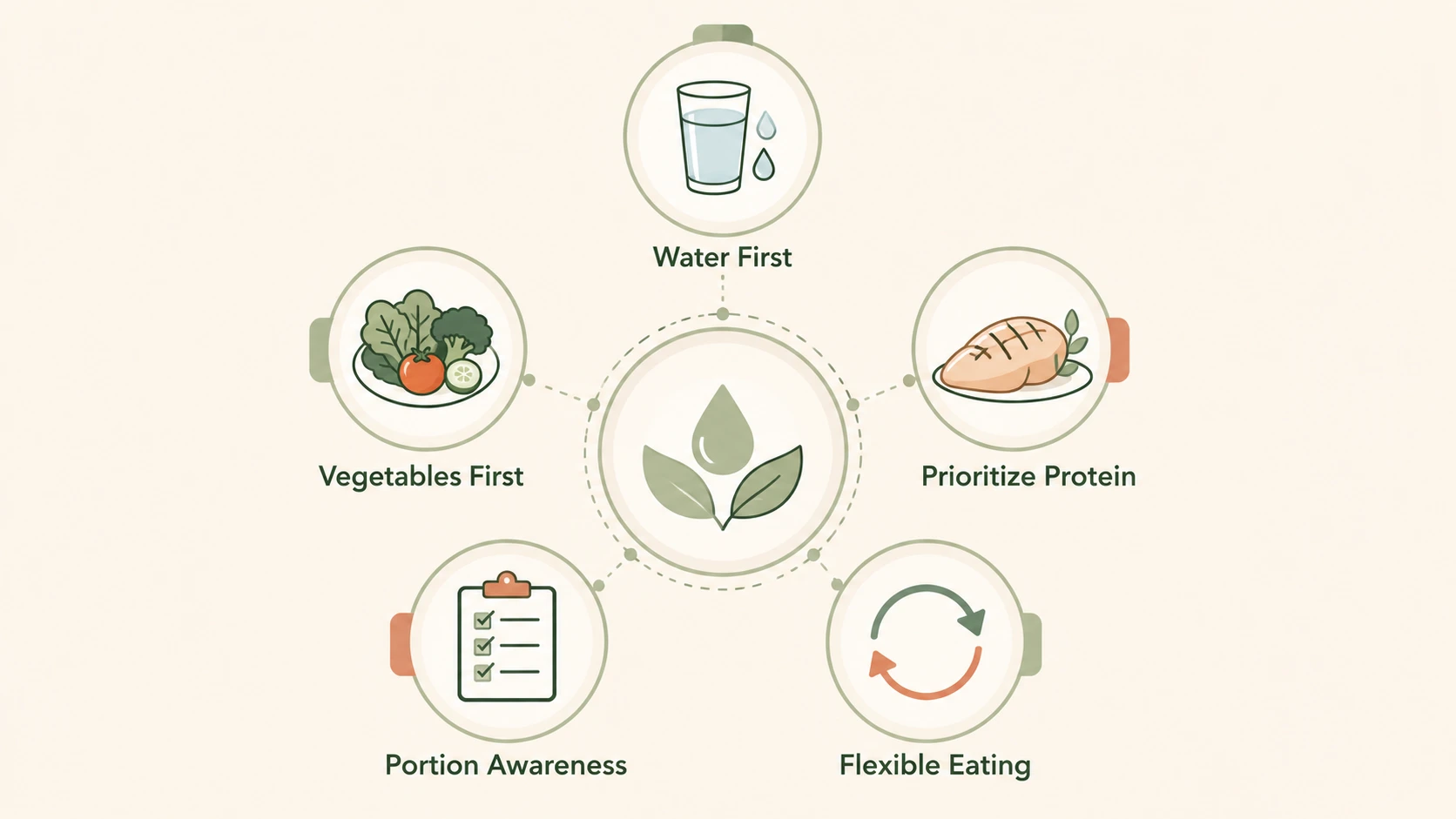
The program is generally organized around a few consistent habits:
- Water first — drinking water before meals to support hydration and fullness cues
- Vegetables first — filling a significant portion of the plate with vegetables before other foods
- Prioritizing protein — building meals around protein-rich foods to support satiety
- Portion awareness — using food tracking and regular self-weighing to build awareness rather than rigid rules
- Flexible eating habits — avoiding “off-limits” foods in favor of moderation and planning
These habits are designed to be repeatable in everyday circumstances, which is a core reason the program markets itself as a mindset shift rather than a temporary diet.
What Does “2B Mindset Before and After” Really Mean?
A 2B Mindset before-and-after comparison typically refers to more than a visual transformation. While photos are the most shared format online, the underlying changes usually span several categories.
- Physical changes — shifts in body composition, energy levels, or clothing fit
- Habit changes — more consistent meal planning, hydration, and vegetable intake
- Behavioral improvements — reduced emotional eating and improved self-monitoring
- Lifestyle improvements — better routines around groceries, meal prep, and eating out
- Personal confidence — increased comfort with food choices and social eating situations
Visual transformations alone don’t capture the complete picture, since two people following similar principles can experience very different physical results depending on their starting point, health status, and consistency.
How the 2B Mindset Program Works
The 2B Mindset is structured around a repeatable daily framework rather than a fixed menu. Participants are guided through video lessons, food lists, and tracking tools that reinforce the same core habits across different situations — at home, at work, or while traveling.
Daily Eating Framework
A typical day under the 2B Mindset approach involves:
- Drinking water before each meal
- Filling roughly half the plate with vegetables first
- Choosing a protein source to support fullness
- Adding balanced carbohydrates and fats around those two priorities
- Spacing meals to support consistent energy and reduce impulsive snacking
Why the Program Focuses on Habits Instead of Restriction
The 2B Mindset avoids labeling foods as “off-limits,” which is intended to reduce food guilt and support long-term adherence. This approach reflects a broader principle in behavioral nutrition: programs built around flexibility and consistency tend to be easier to sustain than those built around strict elimination, because they don’t require an all-or-nothing mindset to stay on track.
Factors That Influence Before-and-After Results
No two people experience identical before-and-after outcomes, even when following the same principles. Several evidence-based lifestyle variables shape how quickly and how significantly results appear.
Consistency
How regularly someone applies the core habits — water first, vegetables first, tracking — has a direct effect on outcomes. Occasional effort produces occasional results.
Food Quality
The overall nutritional quality of meals, not just portion size, influences energy levels, satiety, and long-term progress.
Physical Activity
While the 2B Mindset is a nutrition-focused program, activity level can meaningfully affect body composition and overall results when combined with consistent eating habits.
Sleep and Stress
Both sleep quality and chronic stress influence appetite regulation, cravings, and motivation, which in turn affect how consistently someone follows the program.
Individual Health Conditions
Personal health factors can also shape the pace and type of results a person experiences, including:
- Age
- Metabolism
- Medical conditions
- Existing habits
- Lifestyle
Typical Changes People May Notice Over Time
Rather than guaranteed outcomes, most participants report a general progression of changes as habits become more established.
Early Changes
- Improved hydration
- Better meal planning
- Reduced overeating
Medium-Term Changes
- Improved eating habits
- Increased consistency
- Better portion awareness
Long-Term Changes
- More sustainable routines
- A healthier relationship with food
- Long-term weight management habits
Understanding Realistic Weight-Loss Expectations
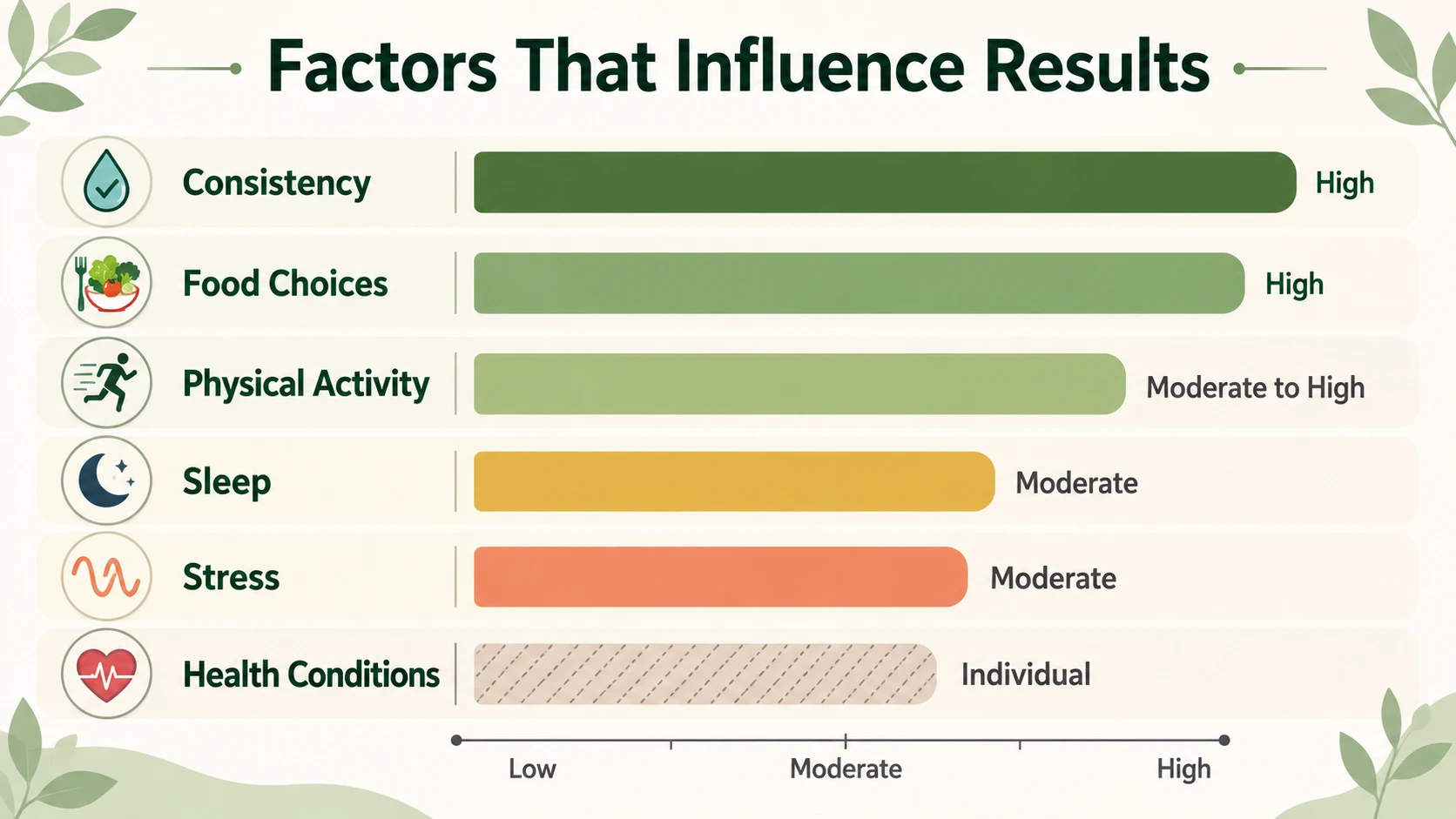
Healthy, sustainable weight management typically develops gradually rather than through rapid transformation. Rapid changes are uncommon and, when they do occur, are often harder to maintain long term. Individual variation means the same set of habits can produce different paces of progress from person to person.
| Factor | May Influence Progress |
|---|---|
| Consistency | High |
| Food choices | High |
| Physical activity | Moderate to High |
| Sleep | Moderate |
| Stress | Moderate |
| Health conditions | Individual |
Common Habits Shared by Successful 2B Mindset Participants
Certain behavioral patterns tend to recur among people who report positive, sustained results:
- Planning meals in advance
- Drinking water regularly throughout the day
- Eating vegetables first at meals
- Choosing protein-rich foods
- Tracking habits and progress
- Staying consistent even after setbacks
In our experience helping readers build better habits, small, repeatable actions — rather than occasional intense effort — tend to produce the most durable change. These patterns echo a broader theme in behavior change — often it’s small habits that changed my life, not dramatic overhauls, that produce lasting results.
Common Challenges and How to Overcome Them
Several implementation issues commonly affect people trying to build new nutrition habits.
Unrealistic Expectations
Expecting fast, dramatic results can lead to discouragement. Setting incremental, habit-based goals tends to support better follow-through.
Inconsistent Habits
Skipping steps like water-first or vegetable-first meals reduces the compounding effect of the program’s core principles. Building a simple daily checklist can help reinforce consistency.
Emotional Eating
Stress-driven or emotional eating patterns can undermine progress. Identifying triggers and building non-food coping strategies is a widely recognized behavioral approach to reducing this pattern.
Losing Motivation
Motivation naturally fluctuates. Anchoring habits to routine (rather than relying on motivation alone) is a standard behavior-change strategy that supports consistency during low-motivation periods.
Social Situations
Restaurants, parties, and travel can disrupt routines. Planning ahead — such as reviewing menus or prioritizing vegetables and protein when dining out — helps maintain consistency without requiring rigid restriction.
2B Mindset Compared With Traditional Dieting
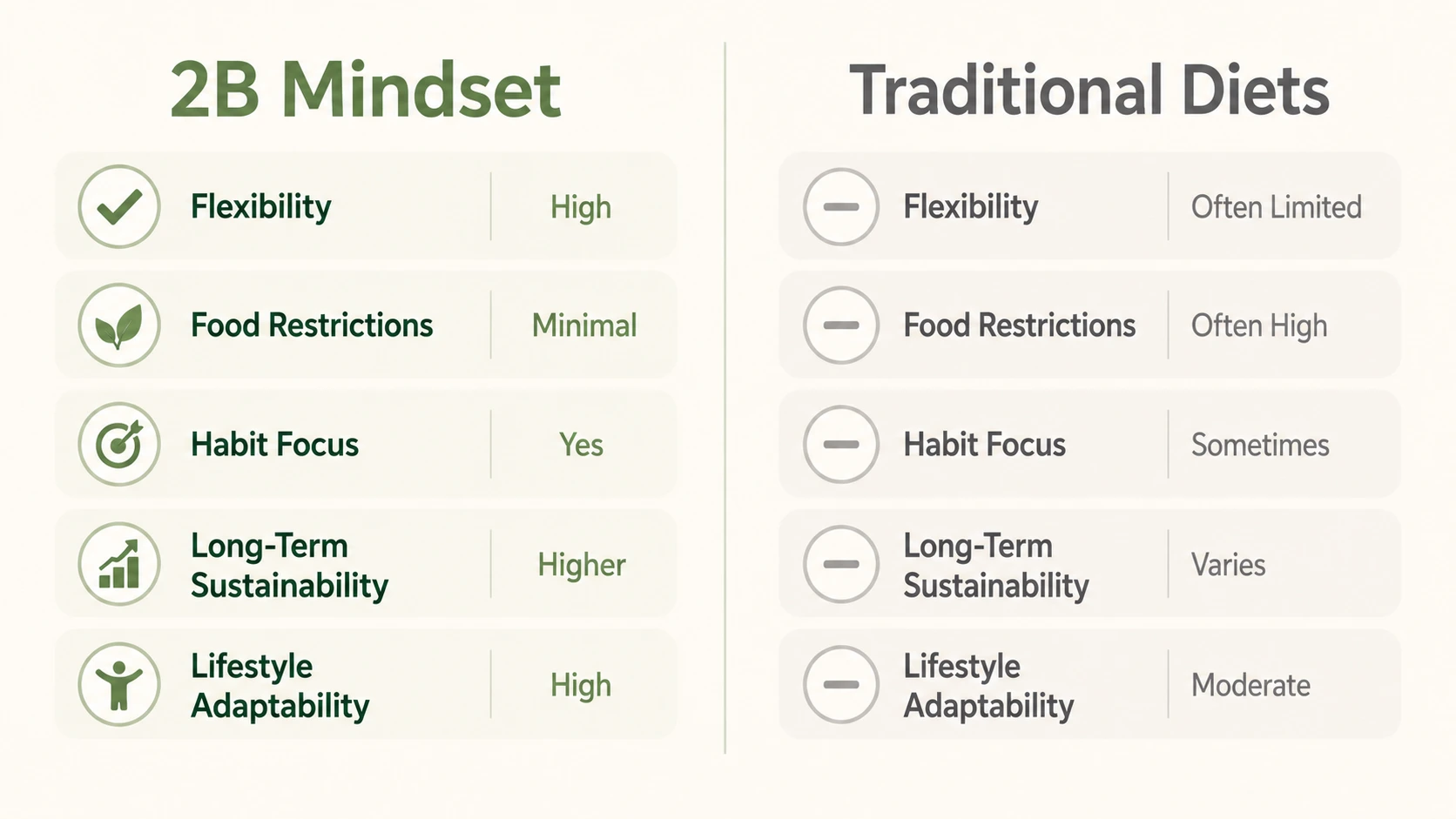
| Feature | 2B Mindset | Traditional Diets |
|---|---|---|
| Flexibility | High | Often Limited |
| Food Restrictions | Minimal | Often High |
| Habit Focus | Yes | Sometimes |
| Long-Term Sustainability | Higher | Varies |
| Lifestyle Adaptability | High | Moderate |
Your Daily Thrive recommends evaluating any nutrition approach based on how sustainable it is for your specific lifestyle, rather than solely on the speed of initial results.
Resources That Support the 2B Mindset Program
Several supplementary materials are designed to help participants apply the program’s core habits.
Food Lists
Food lists support meal planning by organizing vegetables, proteins, and other categories in a way that simplifies daily decision-making.
Book
Ilana Muhlstein’s book outlines the program’s philosophy and core strategies, offering readers a foundational understanding of the mindset behind the habits.
Workbook
A workbook typically supports habit tracking, personal reflection, and goal setting, reinforcing the behavioral side of the program.
Quick Start Guide
Quick start materials are designed to orient beginners and help them build initial routines without feeling overwhelmed.
Program Summaries
Summary resources allow participants to review core concepts and refresh their understanding of the program’s principles over time.
Difficulty and Time Investment
The 2B Mindset is generally considered beginner-friendly, since it does not require calorie counting or specialized cooking skills. That said, several factors affect the actual time and effort involved:
- Meal planning and grocery preparation require an ongoing weekly time commitment
- Building new habits takes conscious effort, especially in the first few weeks
- Routines often need adjustment as schedules, seasons, or circumstances change
- Personal factors — such as cooking experience or access to fresh produce — can affect how much effort implementation requires
Results Timeline
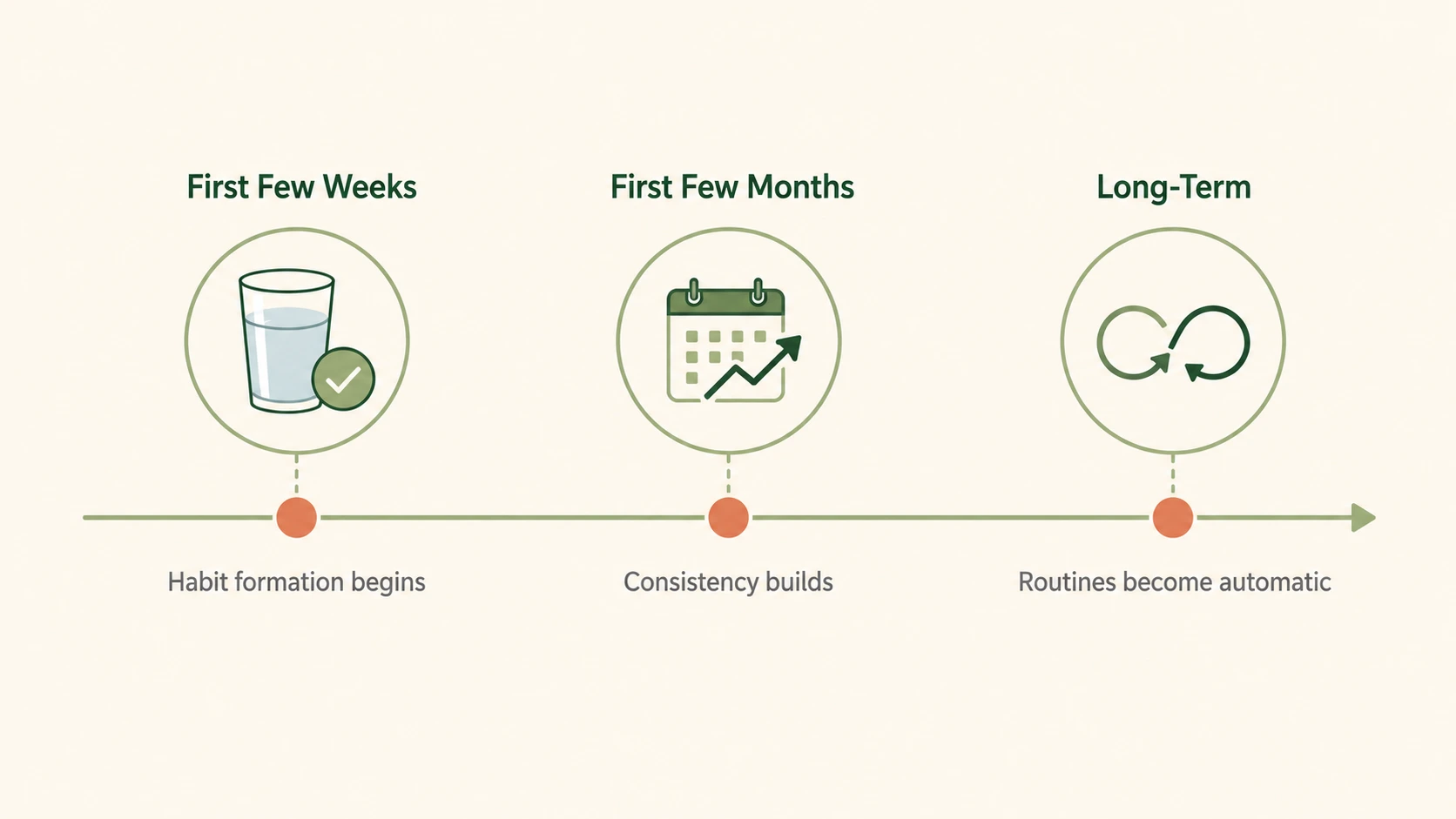
Progress under the 2B Mindset generally unfolds gradually and depends heavily on individual adherence and circumstances.
First Few Weeks
Early changes tend to center on habit formation — such as more consistent hydration and more structured meals — rather than dramatic physical change.
First Few Months
With continued consistency, many participants report improved portion awareness, more stable eating patterns, and early shifts in body composition.
Long-Term Lifestyle Maintenance
Over the long term, the habits are designed to become automatic, supporting maintenance rather than requiring ongoing active effort.
Practice Guide for Long-Term Success
Daily practices:
- Meal planning
- Hydration
- Grocery preparation
- Vegetable-first meals
Weekly practices:
- Reviewing progress
- Adjusting habits as needed
- Tracking consistency
Long-term practices:
- Building sustainable routines
- Managing setbacks without abandoning progress
- Maintaining motivation through routine and accountability For a more structured approach to building these routines, see our guide on how to build good habits in 30 days
Beginner Mistakes to Avoid
- Expecting rapid transformations
- Skipping vegetables at meals
- Ignoring hydration
- Comparing personal progress to others
- Being overly restrictive despite the program’s flexible design
- Giving up after a single setback
Situational Factors That Affect Results
Life circumstances shape how easily someone can apply the program’s principles.
Busy Professionals
Time constraints often make batch meal prep and simplified grocery lists especially useful.
Parents
Family meal planning can be adapted by incorporating vegetable-first principles into shared meals rather than preparing separate dishes.
Frequent Travelers
Consistency while traveling often relies on planning ahead — such as reviewing restaurant menus or prioritizing protein and vegetables when dining out.
Older Adults
Metabolic and activity-level differences may mean progress unfolds more gradually, making consistency and patience especially important.
People Returning After Previous Diets
Those who have tried restrictive diets in the past may need to unlearn all-or-nothing thinking, since the 2B Mindset’s flexible structure works differently from calorie-restrictive approaches.
Understanding Mindsets Beyond Nutrition
The behavior-change principles behind the 2B Mindset connect to broader concepts in psychology and personal development. A growth mindset — the belief that habits and abilities can be developed through effort — supports the program’s emphasis on gradual improvement rather than instant results. Habit formation research suggests that consistent, small actions repeated over time are more likely to become automatic than large, infrequent efforts. Self-awareness, built through tracking and reflection, helps participants recognize patterns in their eating behavior, while consistency and long-term behavior change remain the foundation for lasting results in nearly any self-improvement context, not just nutrition. A growth mindset — the belief that habits and abilities can be developed through effort — supports the program’s emphasis on gradual improvement rather than instant results. (Learn more about why is growth mindset important in personal development more broadly
Conclusion
The 2B Mindset before and after journey extends well beyond physical appearance. While visual results are the most commonly shared outcome, the underlying changes typically involve habit formation, improved food-related confidence, and a more sustainable relationship with eating. Consistency, food quality, activity level, sleep, stress, and individual health factors all shape how quickly and significantly someone progresses. Because the program is built on flexible, repeatable habits rather than rigid restriction, it’s generally associated with better long-term adherence than traditional dieting approaches. Readers considering the 2B Mindset are best served by focusing on sustainable lifestyle improvements — such as consistent hydration, vegetable-first meals, and realistic expectations — rather than expecting a fast or guaranteed transformation.
Frequently Asked Questions
What is the 2B Mindset program? The 2B Mindset is a nutrition and behavior-change program created by registered dietitian Ilana Muhlstein that emphasizes habits like drinking water first, prioritizing vegetables, and food tracking instead of calorie restriction.
How long does it usually take to notice 2B Mindset results? Early habit-related changes, such as improved hydration and meal structure, are often noticed within the first few weeks, while more significant changes typically develop over several months of consistent practice.
Does 2B Mindset focus only on weight loss? No. The program also emphasizes behavioral improvements, such as reduced emotional eating, better portion awareness, and a healthier overall relationship with food.
What are the main principles behind the 2B Mindset approach? The program centers on drinking water first, prioritizing vegetables, choosing protein-rich foods, building portion awareness through tracking, and maintaining flexibility instead of eliminating specific foods.
Is the 2B Mindset suitable for beginners? Yes. The program is generally considered beginner-friendly because it doesn’t require calorie counting or advanced cooking skills, though building new habits still requires consistent effort.
What factors influence before-and-after results? Consistency, food quality, physical activity, sleep, stress, and individual health conditions all play a role in shaping how before-and-after results develop.
How does 2B Mindset differ from traditional diets? Unlike many traditional diets that rely on strict food restrictions, the 2B Mindset emphasizes flexibility, habit-building, and minimal food elimination, which is generally associated with higher long-term sustainability.
Can the 2B Mindset support long-term healthy habits? Yes. Because the program is built around repeatable daily and weekly habits rather than short-term restriction, it is designed to support sustainable, long-term behavior change.