
Introduction
God affirmations are faith-based declarations grounded in biblical truth that help shape mindset, emotional stability, and spiritual identity. They combine positive self-talk with spiritual principles to reinforce belief, peace, and purpose. Unlike general affirmations, god affirmations focus on aligning thoughts with scripture and faith-based identity. People use them to reduce anxiety, strengthen discipline, and build emotional resilience. Over time, repeated affirmations influence thought patterns, emotional responses, and behavior. This happens because the mind gradually accepts repeated beliefs as internal truth, shaping actions and habits in daily life.
Quick Summary
- God affirmations are faith-based statements rooted in biblical truth and spiritual identity.
- They help reinforce peace, confidence, gratitude, discipline, and emotional resilience.
- Biblical affirmations work best when paired with consistent reflection, prayer, and action.
- Repeating scripture-based affirmations can improve mindset, reduce negative thinking, and strengthen spiritual focus.
What Are God Affirmations?
God affirmations are structured statements that express faith-based truths about identity, purpose, and spiritual strength. They are often derived from scripture and used to reshape internal dialogue toward hope and clarity.
The Meaning of Faith-Based Affirmations
From a psychological perspective, affirmations are repeated cognitive statements that influence neural pathways linked to belief and behavior. From a spiritual perspective, godly affirmations align personal thoughts with divine truth and spiritual identity.
Affirmations in this context often include:
- spiritual affirmations from the bible
- affirmation scriptures
- biblical affirmations to decree over your life
- words of affirmation from god
These statements help reinforce stable thinking patterns and emotional regulation through repetition and belief alignment.
Are Affirmations Biblical?
Affirmations are biblical when they are grounded in scripture rather than self-generated ideology. The difference lies in source and intention.
Biblical affirmations focus on:
- Identity in God
- Faith and trust
- Gratitude and obedience
- Hope and spiritual alignment
| Biblical Affirmations | Secular Affirmations |
|---|---|
| Rooted in scripture | Rooted in self-belief |
| Focus on identity in God | Focus on personal identity |
| Encourages faith and surrender | Encourages self-reliance |
| Often paired with prayer | Often paired with visualization |
Why God Affirmations Can Improve Mindset and Emotional Well-Being
God affirmations improve mindset by reshaping internal dialogue and replacing negative thought loops with structured truth-based repetition.
This process is closely related to learning how to focus on what you can control and develop emotional awareness in daily thinking patterns.
How Repeated Thoughts Shape Behavior
Repeated thoughts influence emotional conditioning. Over time, thoughts shape emotions, emotions shape habits, and habits shape long-term behavior.
This cycle often looks like:
- Thought → Emotion → Action → Habit
God affirmations interrupt cycles of:
- self-doubt
- fear
- overthinking
- hopelessness
- emotional exhaustion
By repeating structured faith-based statements, the brain gradually forms new associations.
The Spiritual and Psychological Benefits of God Affirmations
- Encourages gratitude and emotional stability
- Reinforces identity and self-worth
- Reduces anxious thinking patterns
- Builds consistency in spiritual habits
- Creates mental focus during stress
- Encourages hope and resilience
Additional expressions often include gratitude to God affirmations, thank you God affirmations, and affirmation of God’s blessings.
Different Types of God Affirmations and When to Use Them
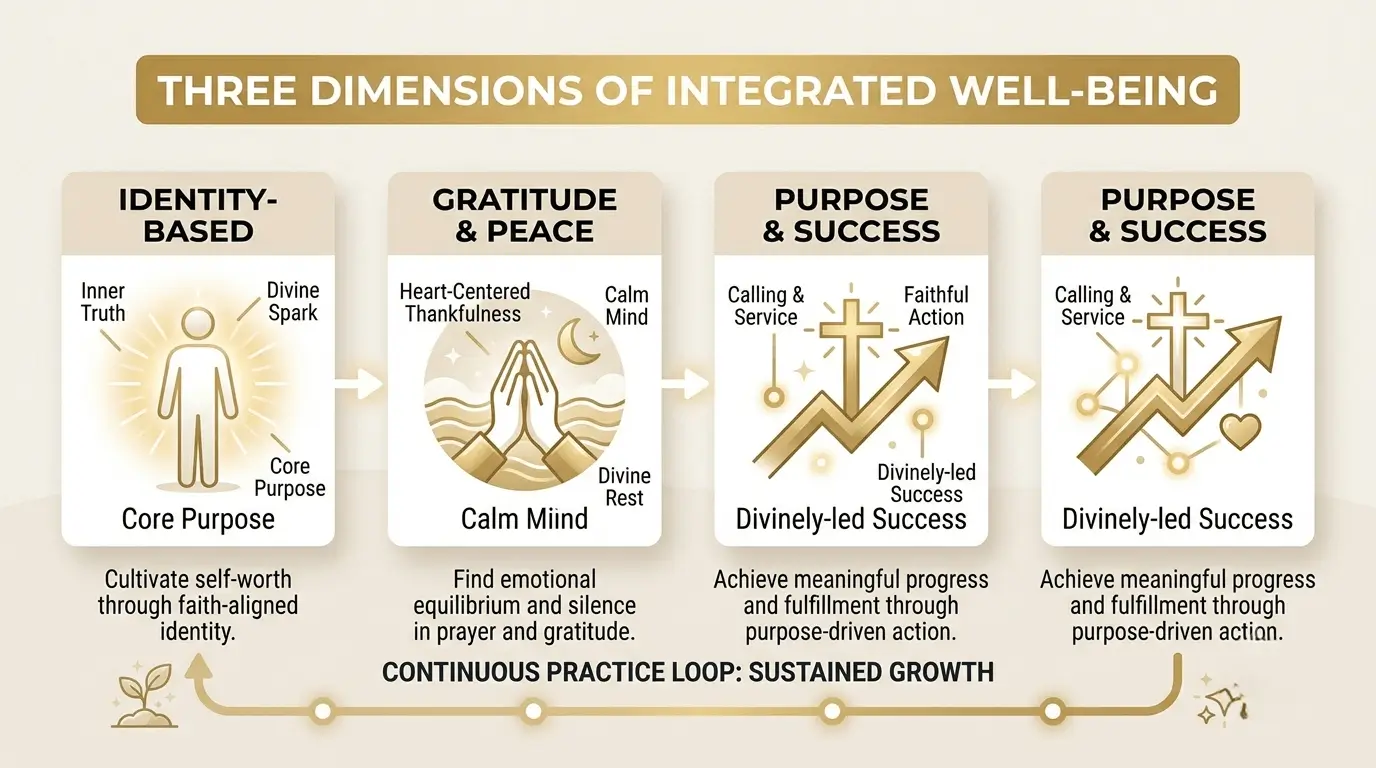
Identity-Based Affirmations
Identity affirmations strengthen self-perception and spiritual confidence.
Examples:
- “I am a child of God.”
- “I am loved and guided by God.”
- “God gives me strength and wisdom.”
These connect with i am a child of god affirmations and god says i am affirmations.
Gratitude and Peace Affirmations
These focus on emotional calm and appreciation during stressful seasons.
Examples:
- “I thank God for today and His guidance.”
- “God’s peace protects my mind.”
- “I am grateful for God’s blessings in my life.”
Often used as daily god affirmations and god affirmations for today.
Success and Purpose Affirmations
Biblical success focuses on discipline, stewardship, and purpose.
Examples:
- “God guides my purpose and decisions.”
- “I grow in discipline and wisdom daily.”
- “I walk in God’s plan for my life.”
Includes bible affirmations for success and godly positive affirmations.
God Affirmations for Different Life Stages and Groups
God Affirmations for Women
Focus on identity, confidence, and emotional strength:
- god affirmations for women
- godly affirmations for women
- woman of god affirmations
Examples:
- “I am strong in God’s purpose.”
- “I am valued and guided by faith.”
God Affirmations for Men
Focus on responsibility and leadership:
- god affirmations for men
- godly affirmations for men
Examples:
- “I lead with wisdom and discipline.”
- “I remain strong under pressure.”
God Affirmations for Kids
Focus on emotional security and kindness:
- god affirmations for kids
- godly affirmations for kids
Examples:
- “I am safe and loved by God.”
- “I choose kindness and faith daily.”
How to Create Effective Biblical Affirmations
Start With Scripture and Core Truths
Step-by-step process:
- Choose a Bible verse
- Identify the core message
- Convert it into first-person language
- Keep it simple and realistic
- Repeat consistently
Includes bible affirmations scriptures and spiritual affirmations from the bible.
Common Mistakes People Make With Affirmations
| Mistake | Better Alternative |
|---|---|
| Repeating without reflection | Connect belief with meaning |
| Unrealistic statements | Use scripture-based truth |
| Expecting instant change | Build consistency over time |
| Ignoring emotions | Combine with prayer |
| Motivation-only approach | Create structured routine |
Motivation vs Discipline in Daily Affirmation Practice
| Motivation-Based | Discipline-Based |
|---|---|
| Emotion-driven | Routine-driven |
| Inconsistent | Stable repetition |
| Short-term effort | Long-term habit |
| Mood-dependent | System-based |
Many people stop affirmations early due to lack of structure. Habit stacking and routine triggers improve consistency.
How to Build a Daily God Affirmation Routine
Morning Affirmation Routine
- Prayer and breathing
- Reading scripture
- Speaking affirmations aloud
- Journaling thoughts
- Setting intentions
Includes godly morning affirmations rising higher and god affirmations for today.
Habit Integration Strategies
- Attach affirmations to daily habits
- Use reminders or visual cues
- Keep statements short
- Track weekly mindset changes
- Combine with reflection routines
Common Mental Barriers That Prevent Affirmations From Working
Overthinking and Self-Doubt
Negative internal dialogue weakens consistency and creates resistance.
Fear of Failure and Spiritual Guilt
Perfectionism and shame cycles reduce emotional stability and routine adherence.
Burnout and Emotional Exhaustion
Forced positivity can lead to mental fatigue. Balance is required through rest and honesty.
God Affirmations vs Secular Affirmations
| God Affirmations | Secular Affirmations |
|---|---|
| Rooted in scripture | Rooted in self-belief |
| Focus on faith | Focus on personal power |
| Encourages surrender | Encourages control |
| Prayer-based | Visualization-based |
Both can support mindset growth, but god affirmations emphasize spiritual alignment.
Real-Life Examples of God Affirmations That Support Daily Growth
Anxiety and Stress:
- “God gives me peace beyond understanding.”
Confidence and Self-Worth:
- “I am created with purpose and value.”
Discipline and Consistency:
- “God strengthens my discipline daily.”
Gratitude and Peace:
- “I thank God for every blessing in my life.”
Includes godly daily affirmations and positive god affirmations.
What Actually Makes Affirmations Effective Long-Term
- Consistency over intensity
- Emotional connection to meaning
- Repetition with reflection
- Identity-based habit formation
- Supportive environment
- Action aligned with belief
Neuroscience suggests repeated thoughts strengthen neural pathways, making behaviors more automatic over time.
True transformation goes beyond affirmations and becomes part of a broader journey of how to become the best version of yourself through consistent personal growth habits and mindset change.
Conclusion
God affirmations are most effective when rooted in scripture, consistent practice, emotional honesty, and daily action. They help reshape mindset, improve emotional resilience, and strengthen spiritual identity. When combined with discipline and reflection, they support long-term personal and spiritual growth. The key is not perfection but daily repetition aligned with faith and behavior.
FAQs
1. What are god affirmations?
God affirmations are faith-based statements rooted in scripture that strengthen mindset, identity, and emotional resilience.
2. Are affirmations biblical or unchristian?
They are biblical when grounded in scripture and used to reinforce spiritual truth rather than self-centered thinking.
3. How do biblical affirmations affect mindset and emotions?
They reshape thought patterns, reduce negative thinking, and improve emotional stability through repetition.
4. Why do I struggle to stay consistent with affirmations?
Most people lack routine structure, rely on motivation, or expect immediate results.
5. What are the best daily god affirmations for anxiety and stress?
Statements focused on peace, trust, and God’s guidance are most effective.
6. How can I create affirmations using Bible verses?
Select a verse, extract its meaning, and rewrite it in first-person present tense.
7. Do affirmations work without action or habit change?
No, affirmations work best when combined with consistent behavior and routines.
8. What is the difference between god affirmations and secular affirmations?
God affirmations are scripture-based, while secular affirmations focus on self-belief.
9. How long does it take for affirmations to influence mindset?
It varies, but consistent daily repetition typically shows noticeable change over weeks to months.
10. Can children use biblical affirmations daily?
Yes, simple faith-based affirmations help build confidence, kindness, and emotional security in children.