

Introduction
A mindset summit is a broad category of educational conferences, workshops, and leadership events centered on personal growth, resilience, business thinking, productivity, innovation, and mental performance. These events bring together speakers, coaches, and attendees who want to strengthen how they think, lead, and perform. Because mindset summits vary widely by organizer, audience, location, and theme, understanding what a specific event offers is essential before registering. Some focus on entrepreneurship, others on artificial intelligence, financial psychology, or high-performance resilience. This guide explains what a mindset summit is, who benefits most, the main event types, and how to choose the right one based on your goals.
Quick Summary
- A mindset summit is an event focused on developing thinking patterns, leadership skills, and personal or professional growth.
- Different mindset summits specialize in areas such as entrepreneurship, AI, resilience, finance, or executive leadership.
- Choosing the right summit depends on your goals, experience level, speakers, agenda, and learning outcomes.
- Understanding event themes helps attendees select the most relevant conference.
What Is a Mindset Summit?
Definition of a Mindset Summit
A mindset summit is an educational event designed to help attendees develop stronger thinking patterns, leadership capabilities, and personal or professional growth strategies. Unlike a single-topic seminar, a mindset summit typically covers multiple interconnected themes — such as resilience, goal setting, and decision-making — through keynotes, workshops, and interactive sessions. Because the terms are often used interchangeably, it can help to understand the distinction between mindset vs attitude before exploring how summits are structured to shift both.
Mindset summits differ from standard business conferences in a key way: conferences often center on industry news or networking, while mindset summits prioritize internal development — how attendees think, respond to challenges, and lead others. Workshops within a summit tend to be hands-on and skills-based, while retreats emphasize immersive, longer-format learning, often in a single location over several days. A summit typically blends all three formats into one structured program.
Common Goals of Mindset Summits
Most mindset summits are built around a shared set of outcomes:
- Personal growth — building self-awareness and adaptive thinking
- Leadership development — strengthening decision-making and influence
- Mental resilience — improving stress tolerance and recovery from setbacks
- Innovation — encouraging creative and forward-thinking problem-solving
- Career advancement — equipping attendees with applicable professional skills
- Networking — connecting attendees with peers, mentors, and industry leaders
Who Should Attend a Mindset Summit?
Professionals and Business Leaders
Mid-level and senior professionals often attend to sharpen strategic thinking and leadership communication, particularly when preparing for expanded responsibilities.
Entrepreneurs and Startup Founders
Founders benefit from sessions on resilience, decision-making under uncertainty, and scaling a growth-oriented mindset alongside a growing business.
Students and Lifelong Learners
Students and early-career learners use mindset summits to build foundational habits around goal setting, discipline, and continuous learning before entering competitive fields.
Coaches, Trainers, and Consultants
Coaches and consultants attend to stay current on behavioral science frameworks and to bring updated tools back to their own clients.
Beginners typically benefit most from foundational, growth-mindset-focused events, while experienced attendees often seek specialized summits — such as those focused on AI adoption or executive leadership — that address more advanced challenges.
Different Types of Mindset Summits
Growth Mindset Summit
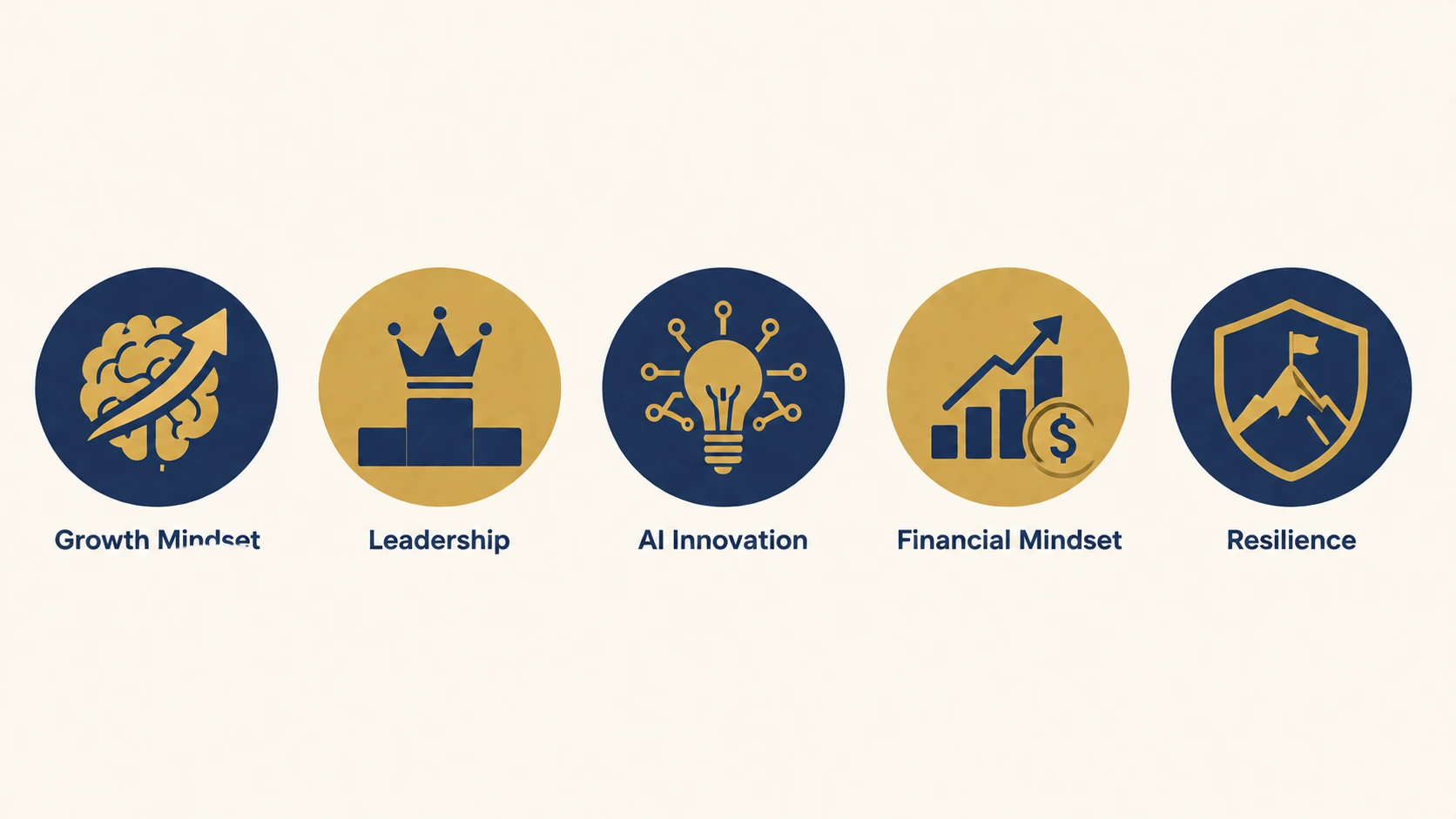
A Growth Mindset Summit centers on the psychological concept of growth mindset — the belief that abilities can be developed through effort and learning. These events typically cover learning psychology and strategies for continuous improvement, often referencing established research on how mindset influences achievement. These events typically cover learning psychology and strategies for continuous improvement, building on the same principles explored in why growth mindset is important, often referencing established research on how mindset influences achievement.
Leadership and CEO Mindset Summits
Events such as a Mindset CEO Summit focus on executive-level thinking, including strategic leadership and organizational decision-making. These summits are designed for attendees managing teams or entire organizations.
AI and Innovation Mindset Summits
A Mindset Summit AI event addresses how artificial intelligence is reshaping business and personal productivity. Topics typically include AI adoption strategies, building an innovation-friendly culture, and preparing for future workplace skills.
Financial and Wealth Mindset Events
Programs like the Money Mastery and Mindset Summit focus on the psychological side of money — examining financial behavior, money psychology, and the habits that support long-term wealth building.
High-Performance and Resilience Summits
Events such as the Mindset Under Pressure Summit emphasize stress management, mental toughness, and maintaining performance during high-stakes situations.
How Mindset Summits Are Structured
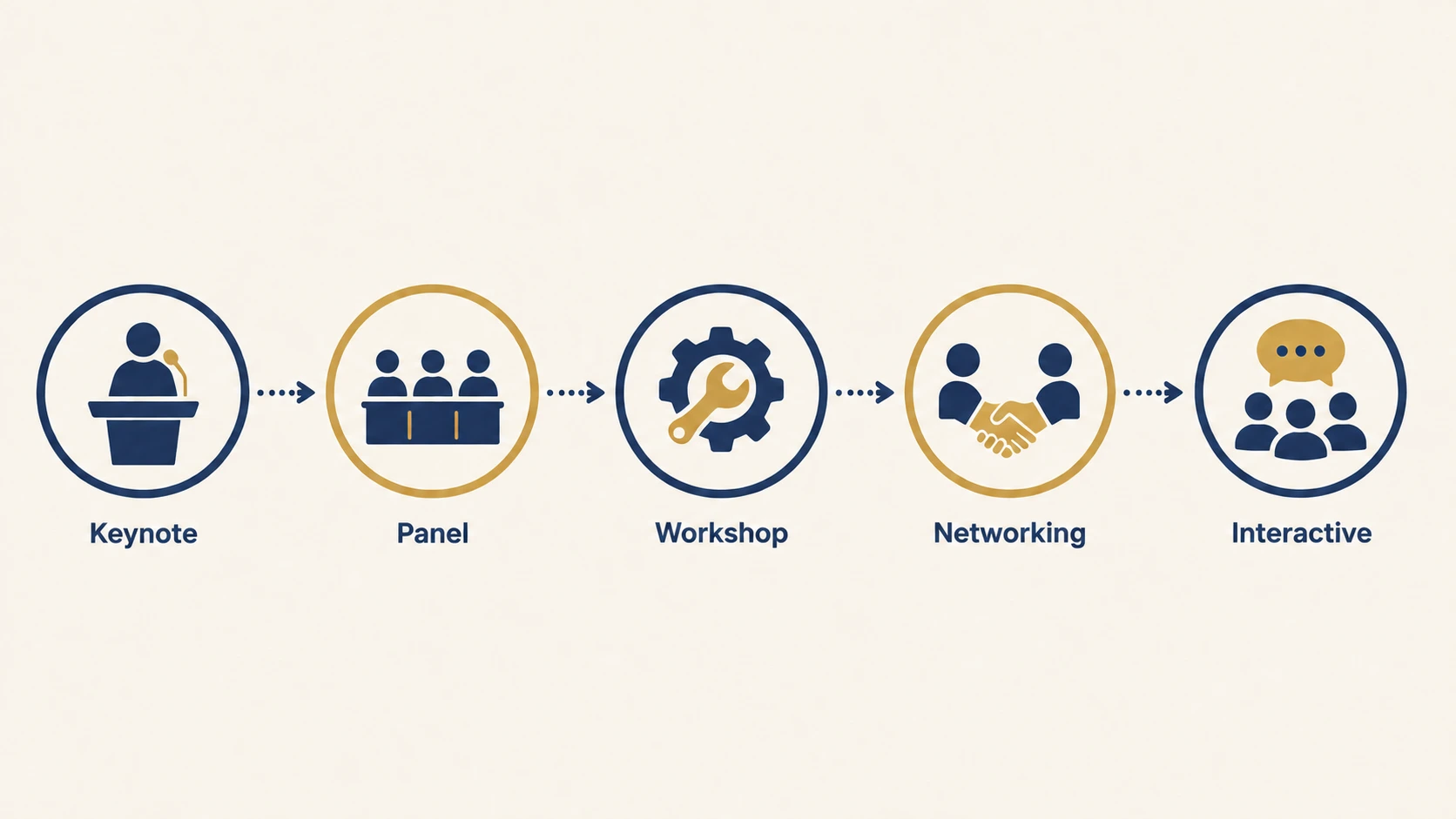
Most mindset summits follow a structured format designed to balance learning with interaction:
- Learning sessions — keynote presentations from experts and thought leaders
- Panel discussions — multiple speakers debating or exploring a shared topic
- Workshops — hands-on sessions focused on applying specific skills
- Networking — structured or informal opportunities to connect with other attendees
- Q&A — direct interaction between speakers and the audience
- Practical exercises and group activities — interactive formats that reinforce concepts through application
This structure allows attendees to absorb concepts through multiple formats rather than passive listening alone.
What Topics Are Commonly Covered?
Mindset summits typically integrate a wide range of interconnected topics, including:
- Growth mindset
- Leadership
- Emotional intelligence
- Productivity
- Goal setting
- Resilience
- Communication
- Innovation
- Entrepreneurship
- Decision making
- Team management
- AI adoption
- Personal development
The specific mix of topics depends on the summit’s core theme, but most events touch on several of these areas even when one is the primary focus.
Comparing Different Mindset Summit Themes
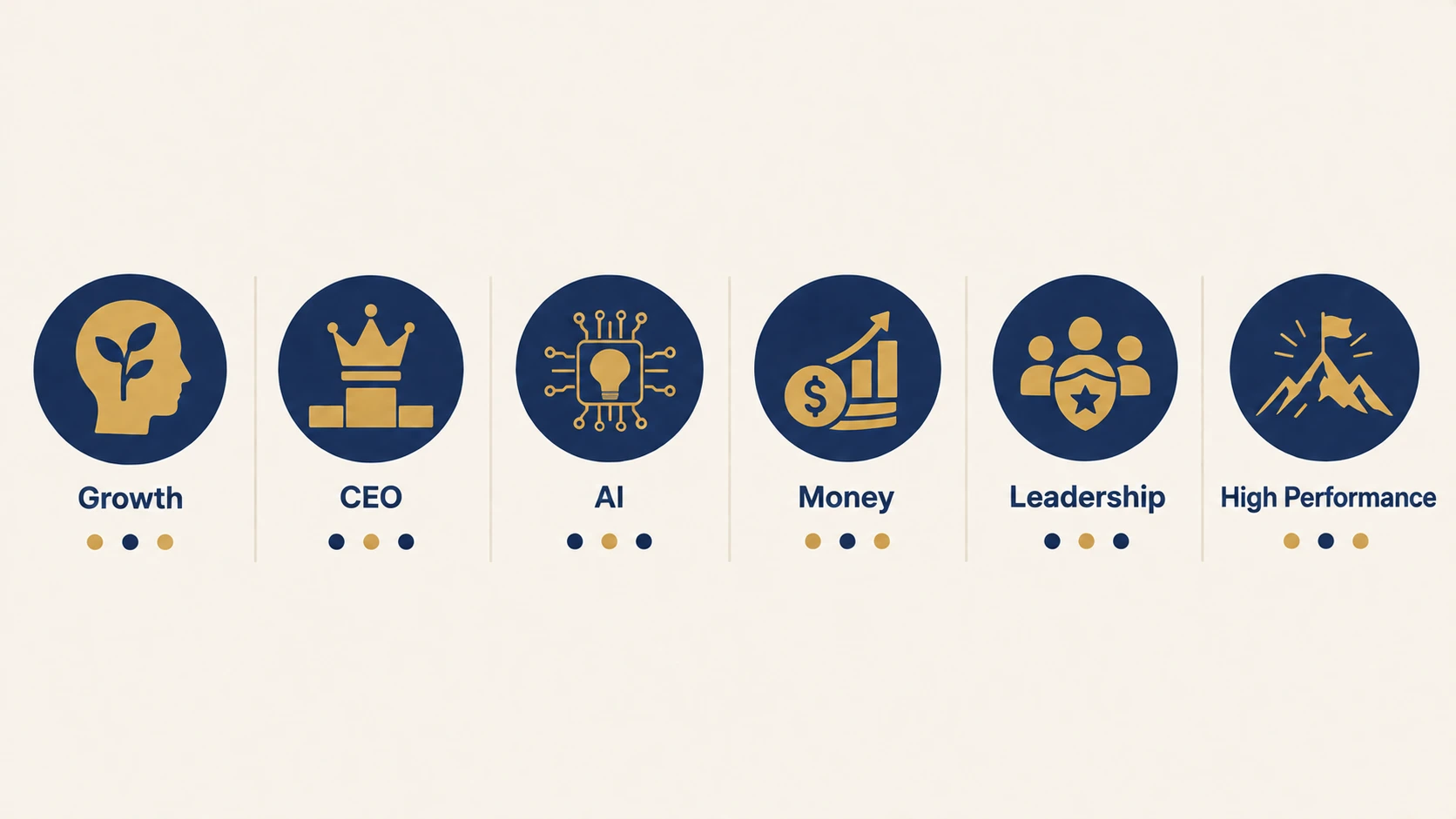
| Summit Theme | Primary Focus | Best For | Typical Outcomes |
|---|---|---|---|
| Growth Mindset Summit | Learning psychology, continuous improvement | Beginners, students, general professionals | Stronger self-awareness and adaptive thinking |
| CEO Mindset Summit | Executive strategy and leadership | Senior leaders and executives | Improved organizational decision-making |
| AI Mindset Summit | AI adoption and innovation culture | Business leaders, innovators | Readiness for AI-driven workplace change |
| Money Mindset Summit | Financial psychology and habits | Individuals building wealth habits | Improved financial decision-making |
| Leadership Summit | Team management and influence | Managers and team leads | Stronger leadership communication |
| High Performance Summit | Stress management and mental toughness | High-pressure professionals, athletes | Better performance under pressure |
Rather than ranking these events, this comparison is meant to help readers match a summit’s focus to their specific goals. Attendees looking to go deeper on these concepts before or after the event often pair a summit with reading from our list of best growth mindset books.
Popular Mindset Summit Locations
Mindset Summit Las Vegas
Las Vegas hosts a range of large-scale mindset and business events, often chosen for accessibility and venue capacity.
Mindset Summit San Diego
San Diego events often attract attendees seeking a smaller, more focused summit environment with strong networking opportunities.
Mindset Summit Phoenix
Phoenix-based summits frequently draw regional professionals and entrepreneurs looking for accessible, mid-sized events.
International Mindset Summits
International events, such as the Future Mindset Summit Thailand, appeal to attendees seeking an immersive experience combined with global networking and cross-industry perspectives.
Location matters because it affects accessibility, the composition of the attending audience, networking potential, and sometimes the industry focus of the event — international summits, for example, often draw a more globally diverse audience than regional ones.
Annual Mindset Summit Events
Mindset Summit 2025
Past annual editions provide a baseline for how themes and speaker lineups evolve year over year.
Mindset Summit 2026
Current-year events typically reflect the latest developments in leadership thinking, AI adoption, and workplace trends.
Future Mindset Summit
Ongoing and upcoming editions of mindset summits continue to adapt their agendas to emerging challenges in business and personal development.
Mindset Matters Summit
Recurring events under this and similar names often build a returning audience by refreshing speakers and content each year.
Annual editions of mindset summits typically evolve through new speaker lineups, updated themes, and content that reflects emerging trends and industry changes from the previous year.
How to Evaluate a Mindset Summit Before Registering
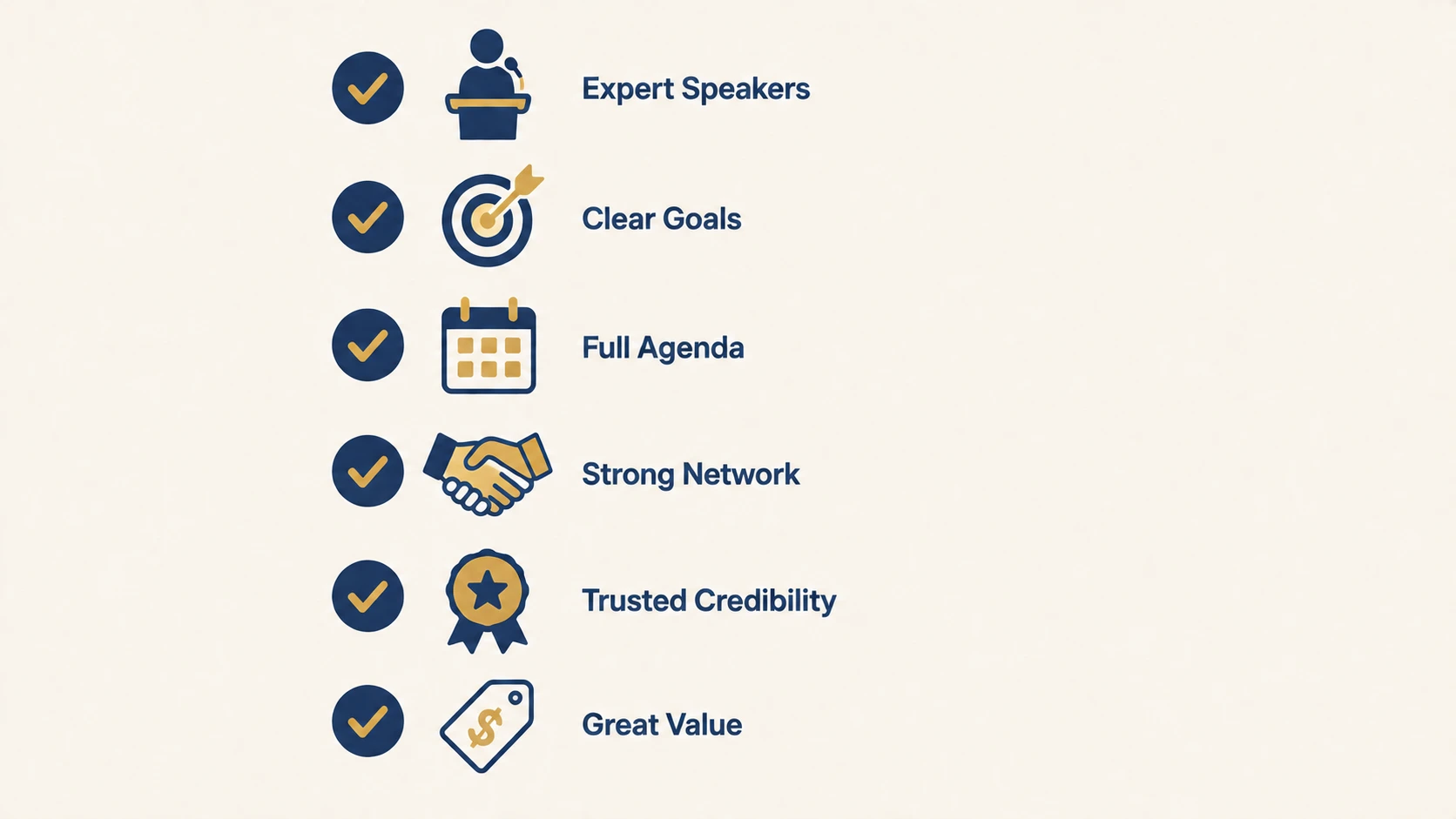
Before registering for a mindset summit, consider the following decision factors:
- Speaker expertise — Do speakers have verifiable experience in the subject matter?
- Learning objectives — Are the stated outcomes aligned with your goals?
- Agenda quality — Is the schedule detailed, balanced, and relevant?
- Networking opportunities — Does the event structure allow meaningful connection with peers?
- Event credibility — Does the organizer have a track record of past events?
- Cost versus learning value — Does the Mindset Summit Cost align with the depth and quality of content offered?
Evaluating these factors helps attendees avoid summits that prioritize marketing over substantive content.
Benefits of Attending a Mindset Summit
Attending a mindset summit can provide several measurable benefits:
- New perspectives on leadership, growth, and problem-solving
- Practical strategies that can be applied immediately
- Professional networking with peers and industry leaders
- Personal motivation through exposure to real-world success stories
- Leadership development through structured skill-building sessions
- Skill building in communication, decision-making, and resilience
- Career advancement opportunities through new connections and knowledge
- Exposure to industry trends, including AI adoption and evolving workplace practices
In our experience helping readers build better habits, the attendees who benefit most are those who arrive with clear, specific goals rather than a vague intention to “get inspired.”
Common Mistakes When Choosing a Mindset Summit
Several common mistakes can reduce the value of attending a mindset summit:
- Choosing based only on celebrity speakers rather than substantive content
- Ignoring learning objectives and attending without a clear purpose
- Not reviewing the agenda in detail before registering
- Holding unrealistic expectations about immediate transformation
- Skipping networking opportunities during the event
- Failing to apply what was learned afterward, which undermines long-term value
Your Daily Thrive recommends reviewing at least one full agenda session in detail before registering, since generic marketing materials often overstate the depth of specific sessions.
How to Apply What You Learn After a Mindset Summit
Creating an Action Plan
Translating summit content into results starts with converting key takeaways into a written, specific action plan rather than relying on memory alone.
Setting Measurable Goals
Goals tied to clear metrics — such as a specific habit frequency or measurable outcome — are more likely to be sustained after the event ends.
Maintaining Accountability
Sharing goals with a colleague, coach, or accountability partner increases the likelihood of following through on summit takeaways.
Continuing Learning After the Event
Reinforcing summit content through follow-up reading, coaching, or peer discussion helps prevent the common drop-off in motivation that occurs weeks after an event.
Current Trends Shaping Modern Mindset Summits
Modern mindset summits continue to evolve alongside broader shifts in work and technology. As of 2026, several trends are shaping how these events are designed and delivered:
- AI integration into leadership and productivity content
- Hybrid events combining in-person and virtual attendance
- Virtual attendance options that expand accessibility
- Personalized learning paths based on attendee goals
- Wellness integration, including mental health and stress management content
- Data-driven leadership approaches supported by analytics
- Future workplace skills, particularly those related to AI adoption and adaptability
Conclusion
A mindset summit is an educational event designed to improve thinking, leadership, resilience, innovation, and professional development. Because mindset summits vary significantly by theme, audience, and format, selecting the right one depends on individual goals, the event’s specific focus, the quality of its speakers, its stated learning outcomes, and how effectively attendees apply what they learn afterward. Approaching summit selection with a clear purpose — and following through with a concrete action plan — is what separates attendees who see lasting change from those who simply attend another conference.
Frequently Asked Questions
What is a mindset summit?
A mindset summit is an educational event focused on developing thinking patterns, leadership skills, resilience, and personal or professional growth through keynotes, workshops, and interactive sessions.
Who should attend a mindset summit?
Professionals, entrepreneurs, students, and coaches benefit most, with beginners typically suited to foundational growth-mindset events and experienced attendees suited to specialized summits like AI or executive leadership events.
How is a mindset summit different from a conference or workshop?
A mindset summit blends keynote-style conferences with hands-on workshop formats, prioritizing internal development — such as leadership thinking and resilience — over industry news alone.
What topics are usually covered at mindset summits?
Common topics include growth mindset, leadership, emotional intelligence, productivity, goal setting, resilience, communication, innovation, entrepreneurship, and AI adoption.
How do I choose the best mindset summit for my goals?
Evaluate speaker expertise, learning objectives, agenda quality, networking opportunities, event credibility, and cost relative to the depth of content offered.
Are mindset summits suitable for beginners?
Yes, beginners typically benefit most from foundational, growth-mindset-focused summits before attending more specialized or advanced events.
What should I expect from a typical mindset summit agenda?
Most agendas include keynote presentations, panel discussions, hands-on workshops, networking sessions, and interactive exercises spread across one or more days.
How can I maximize the value of attending a mindset summit?
Create a written action plan, set measurable goals, maintain accountability with a peer or coach, and continue learning after the event to reinforce what was taught.