
Introduction
Mindset psychiatry refers to the intersection of psychological mindset—how a person thinks about themselves, challenges, and change—and the clinical field of psychiatry, which focuses on evidence-based assessment, diagnosis, and treatment of mental health conditions. While mindset shapes emotional responses and coping behavior, psychiatric care relies on medical training, diagnostic criteria, and structured treatment planning. In our experience helping readers build better habits, we’ve found that lasting mental wellness comes from combining a healthy, adaptable mindset with appropriate psychiatric support when needed. This article explains how mindset and psychiatric care relate, and when professional treatment is the right next step.
Quick Summary
- Mindset psychiatry explores how thinking patterns interact with psychiatric assessment and treatment.
- A healthy mindset can support recovery but does not replace professional psychiatric care.
- Psychiatrists combine medical expertise with psychological and lifestyle approaches when appropriate.
- Understanding common mental health conditions helps individuals seek timely and appropriate support.
What Is Mindset Psychiatry?
Mindset psychiatry is the study of how thinking patterns—such as optimism, self-criticism, or resilience—interact with clinical psychiatric care rather than a separate branch of medicine. Mindset is one component of overall mental health, not a substitute for diagnosis or treatment. Psychiatrists, as licensed medical doctors, evaluate biological, psychological, and social factors together, using mindset as contextual information rather than the sole basis for care decisions.
What Does “Mindset” Mean in Mental Health?
In mental health contexts, mindset refers to the underlying beliefs a person holds about their ability to grow and change. Psychologists often distinguish between a growth mindset, the belief that abilities and emotional skills can improve with effort, and a fixed mindset, the belief that traits are static. Mindset also encompasses:
- Cognitive patterns, such as habitual ways of interpreting events
- Emotional resilience, or the capacity to recover from setbacks
- Behavioral responses, including how a person acts under stress
These factors influence day-to-day functioning but are assessed alongside clinical symptoms, not in place of them.
How Psychiatry Differs from Psychology and Counseling
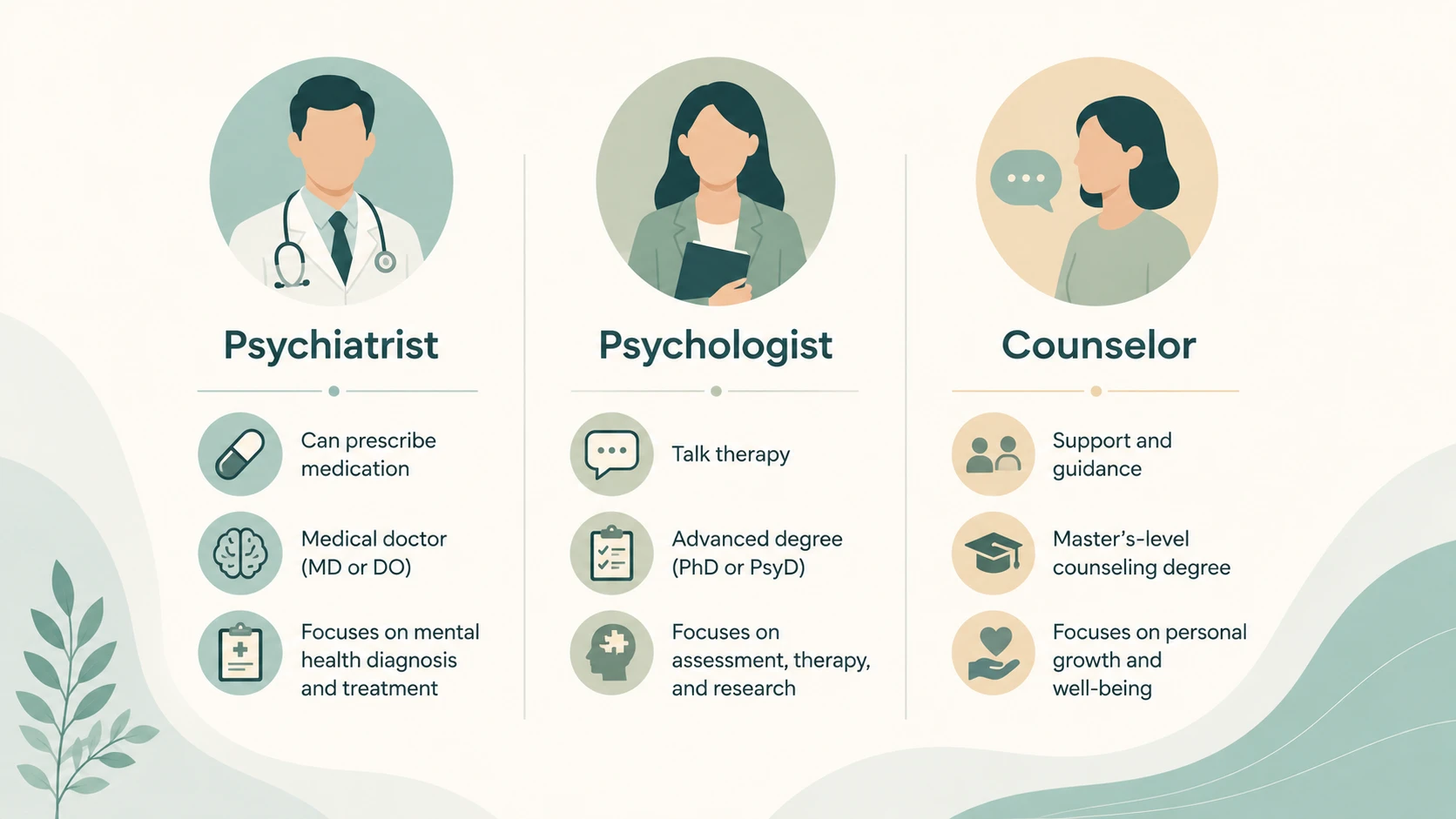
Psychiatrists, psychologists, and licensed counselors all support mental health, but their training and scope differ significantly. Psychiatrists are medical doctors who can diagnose conditions, order medical tests, and prescribe medication. Psychologists typically hold doctoral degrees in psychology and specialize in testing and psychotherapy. Licensed counselors often provide talk therapy for specific concerns, such as relationship or life-adjustment issues.
- Education differences: Psychiatrists complete medical school and residency; psychologists complete doctoral programs; counselors typically hold master’s degrees.
- Treatment methods: Psychiatrists manage medication and coordinate overall care; psychologists and counselors focus primarily on psychotherapy.
- When each professional may be appropriate: Complex symptoms, medication needs, or co-occurring medical issues often call for psychiatric involvement, while talk-therapy-focused concerns may start with a psychologist or counselor.
How Mindset Influences Mental Health
Thinking patterns influence emotional regulation, stress response, and coping behavior, which is why mindset is a relevant factor in mental health discussions. A tendency toward catastrophizing, for example, can heighten anxiety, while a habit of reframing setbacks constructively can support recovery. Mindset does not cause or cure psychiatric conditions on its own, but it interacts with biological and environmental factors that do.
The Relationship Between Thoughts, Emotions, and Behaviors
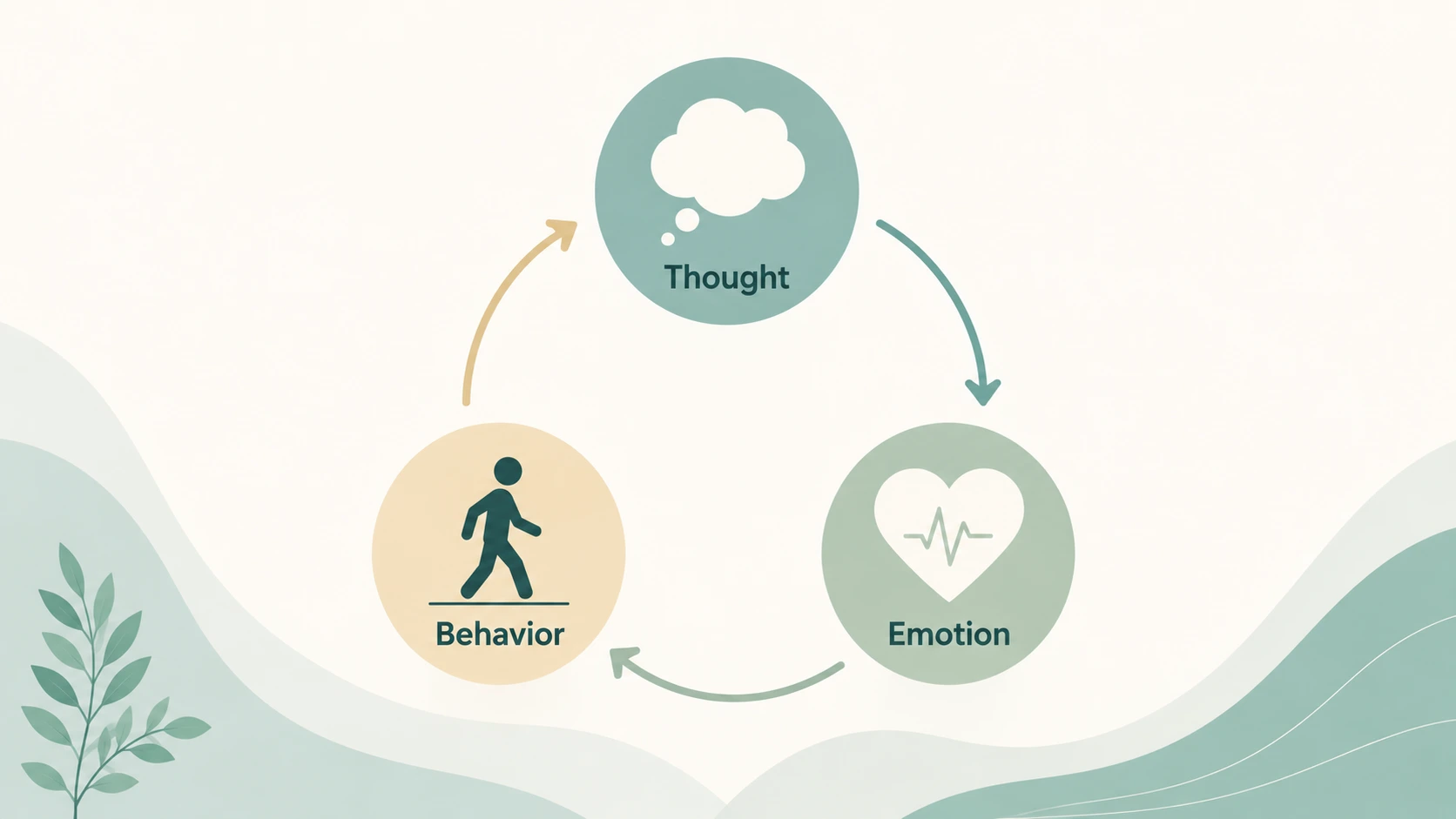
Cognitive-behavioral principles describe a cycle in which thoughts influence emotions, which in turn influence behaviors, and behaviors reinforce thoughts. For example, a thought like “I always fail” can trigger discouragement, leading to avoidance, which then reinforces the original belief. Recognizing this cycle is a foundational concept in psychotherapy and helps distinguish healthy thinking patterns from unhelpful ones that may benefit from clinical support.
Can Changing Your Mindset Improve Mental Health?
Changing your mindset can improve day-to-day coping and emotional resilience, but it has limitations and does not replace professional treatment for diagnosable conditions. Mindset shifts, such as practicing self-compassion or realistic self-talk, can reduce stress and support recovery alongside psychiatric care. However, conditions involving biological or neurochemical factors typically require medical evaluation and, in many cases, medication or structured therapy in addition to mindset work. For readers looking for practical techniques, our guide on how to change your thoughts offers additional cognitive reframing strategies that complement professional treatment.
Common Mental Health Conditions Associated With Negative Thinking Patterns
Certain mind mental health conditions are closely linked to persistent negative thinking patterns, and recognizing these connections can support earlier, more effective care. The following conditions are commonly associated with unhelpful cognitive patterns.
Anxiety Disorders
Anxiety disorders involve excessive worry or fear that interferes with daily functioning, often reinforced by catastrophic thinking patterns.
Depression
Depression is marked by persistent low mood, loss of interest, and often negative self-referential thoughts that can worsen without treatment.
Bipolar Disorder
Bipolar disorder involves alternating periods of depression and mania or hypomania, with mindset and mood closely intertwined during each phase.
Trauma-Related Conditions
Conditions such as post-traumatic stress disorder involve intrusive thoughts and heightened threat perception that shape ongoing mindset patterns.
Obsessive-Compulsive Disorder
Obsessive-compulsive disorder involves intrusive thoughts paired with compulsive behaviors intended to reduce distress, often reinforcing rigid thinking patterns.
| Mental Health Condition | Common Symptoms | How Mindset May Influence Coping | When Professional Care Is Important |
|---|---|---|---|
| Anxiety Disorders | Excessive worry, restlessness, physical tension | Catastrophizing can worsen symptoms; reframing may ease distress | Symptoms interfere with daily life or relationships |
| Depression | Low mood, fatigue, loss of interest | Negative self-talk can deepen low mood | Symptoms persist beyond two weeks or affect functioning |
| Bipolar Disorder | Mood swings between depression and mania | Mindset shifts rapidly with mood state | Any suspected mood episode requires evaluation |
| Trauma-Related Conditions | Flashbacks, avoidance, hypervigilance | Threat-focused thinking patterns are common | Symptoms follow a traumatic event and persist |
| Obsessive-Compulsive Disorder | Intrusive thoughts, compulsions | Rigid or all-or-nothing thinking is common | Compulsions consume significant daily time |
How Psychiatrists Assess Mental Health
Psychiatrists use structured, evidence-based methods to assess mental health rather than relying on mindset alone. Assessment typically includes:
- Clinical interviews to understand symptoms and history
- Review of medical history to rule out physical causes
- Application of diagnostic criteria for accuracy
- Risk assessment for safety concerns
- Collaborative treatment planning based on findings
Why Psychiatric Evaluations Go Beyond Positive Thinking
A psychiatric evaluation considers biological, psychological, and social factors together, because positive thinking alone cannot address underlying medical or neurochemical contributors to a condition. Misconceptions that a good attitude is sufficient to resolve serious symptoms can delay appropriate care and are addressed directly during clinical evaluation.
Understanding Psychiatric Diagnosis and the DSM
Psychiatric diagnosis relies on standardized criteria outlined in the Diagnostic and Statistical Manual of Mental Disorders (DSM), published by the American Psychiatric Association, often referenced as the psychiatry org DSM standard. The DSM provides consistent definitions for mental health conditions used across the field.
Standardized diagnostic criteria matter because they support:
- Consistency in diagnosis across different providers
- Research that advances understanding of mental health conditions
- Clinical decision-making grounded in established evidence
- Communication among professionals treating the same individual
Common Treatment Approaches in Modern Psychiatry
Modern psychiatry relies on evidence-based care that often combines multiple approaches tailored to the individual.
Medication Management
Medication management involves prescribing and monitoring psychiatric medications to address symptoms rooted in neurochemical factors.
Psychotherapy
Psychotherapy, including cognitive-behavioral therapy, helps individuals identify and adjust unhelpful thinking and behavior patterns.
Lifestyle and Behavioral Strategies
Lifestyle and behavioral strategies, such as sleep regulation and structured routines, support overall treatment outcomes.
Collaborative Care
Collaborative care involves coordination between psychiatrists, therapists, and primary care providers for comprehensive treatment.
| Treatment | Primary Purpose | Best Used For | Often Combined With |
|---|---|---|---|
| Medication Management | Address biological/neurochemical symptoms | Moderate to severe conditions | Psychotherapy |
| Psychotherapy | Address thought and behavior patterns | Mild to severe conditions | Medication, lifestyle strategies |
| Lifestyle and Behavioral Strategies | Support overall functioning | All severity levels as an adjunct | Medication and/or psychotherapy |
| Collaborative Care | Coordinate comprehensive treatment | Complex or co-occurring conditions | All of the above |
Developing a Healthier Mindset Alongside Psychiatric Treatment
Mindset-focused strategies work best as a supportive complement to psychiatric treatment, not a replacement for it.
Building Emotional Resilience
Emotional resilience develops through practicing realistic self-talk and gradually facing challenges rather than avoiding them.
Stress Management Techniques
Stress management techniques, such as structured breathing exercises and time management, help regulate the body’s stress response.
Healthy Daily Habits
Healthy daily habits support the biological foundation of mental wellness and treatment effectiveness.
Self-Reflection Without Self-Blame
Self-reflection without self-blame involves examining patterns honestly while avoiding harsh self-criticism that can worsen mood.
Your Daily Thrive recommends focusing on the following supportive habits:
- Consistent sleep schedules
- Regular physical exercise
- Mindfulness practice
- Reliable social support
- Predictable daily routines
Psychiatry Resources for Learning and Support
Reliable psychiatry resources and psychiatry learning materials help individuals and families understand mental health conditions accurately. Useful resource categories include:
- Educational materials from accredited medical and psychiatric organizations
- Established mental health organizations offering guidance and referrals
- Crisis resources for urgent situations
- Continuing education for professionals staying current on best practices
- Reliable information sources that rely on peer-reviewed research rather than anecdote
Common Myths About Mindset and Psychiatry
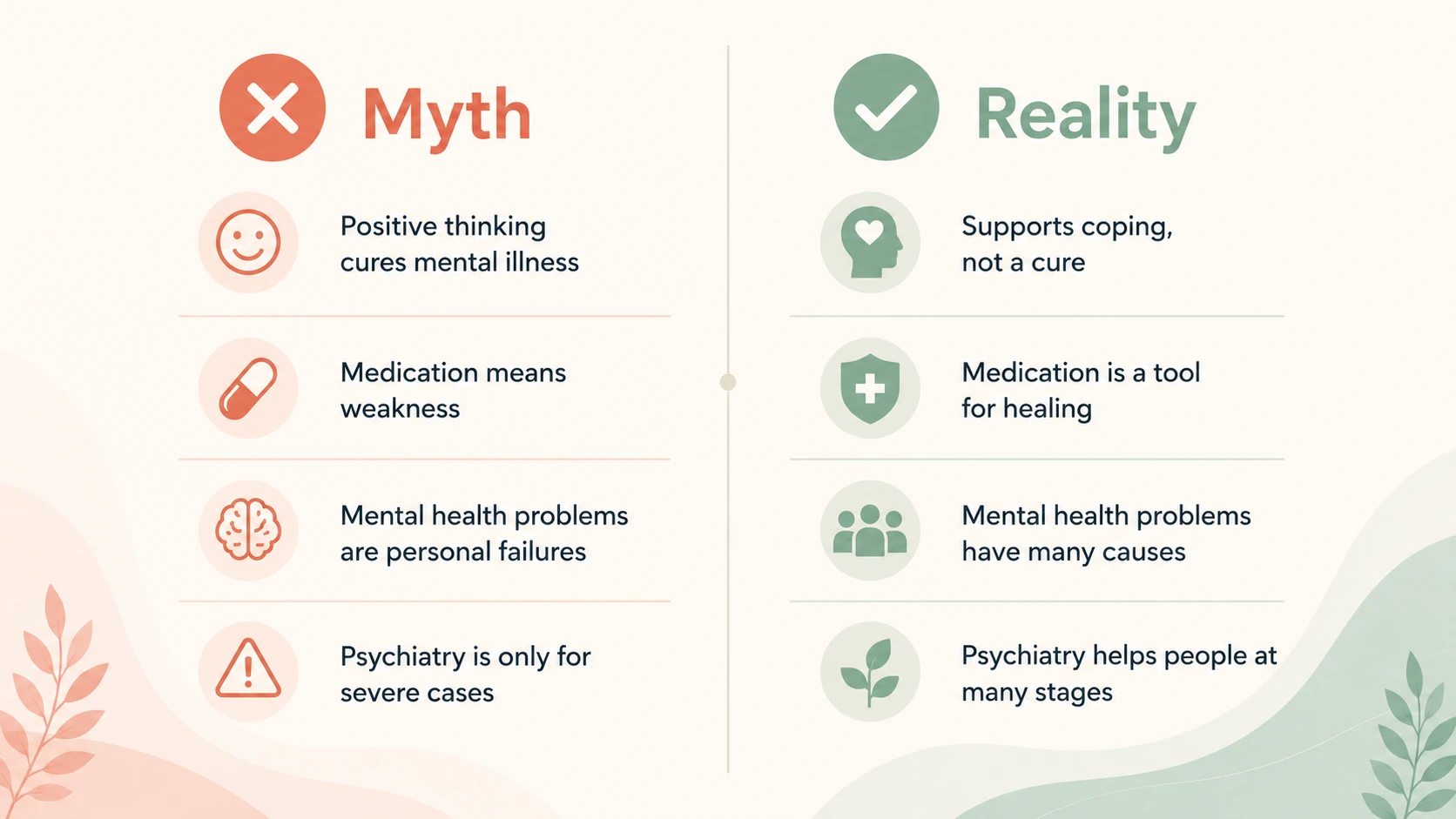
Misinformation about mindset and psychiatric care can prevent people from seeking timely help.
Myth: Positive Thinking Can Cure Mental Illness
Positive thinking can support coping but cannot resolve conditions rooted in biological or neurochemical factors.
Myth: Medication Means Weakness
Medication addresses measurable physiological factors and reflects appropriate treatment, not personal weakness.
Myth: Mental Health Problems Are Personal Failures
Mental health conditions result from a combination of genetic, environmental, and biological factors, not personal shortcomings.
Myth: Psychiatry Is Only for Severe Illness
Psychiatric care supports a wide range of concerns, including mild and moderate symptoms, not only severe illness.
| Myth | Reality |
|---|---|
| Positive thinking cures mental illness | Positive thinking supports coping but doesn’t replace treatment |
| Medication means weakness | Medication addresses physiological factors, similar to other medical care |
| Mental health problems are personal failures | Conditions result from genetic, environmental, and biological factors |
| Psychiatry is only for severe illness | Psychiatric support is appropriate across a range of symptom severity |
Beginner Mistakes When Trying to Improve Mental Health
As of mid-2026, updated behavioral health guidance continues to highlight several common mistakes that can slow progress or delay appropriate treatment:
- Expecting immediate results from mindset changes alone
- Avoiding professional evaluation out of uncertainty or stigma
- Relying solely on motivational content rather than structured support
- Ignoring physical health factors such as sleep and nutrition
- Stopping treatment too early once symptoms partially improve If low motivation is a recurring struggle, our article on why do I lack motivation explores common underlying causes beyond willpower.
Practical Tips for Supporting Mental Wellness Every Day
Consistent daily habits reinforce both mindset and psychiatric treatment outcomes.
- Create predictable daily and weekly routines
- Track moods to identify patterns over time
- Practice realistic, balanced self-talk
- Maintain healthy relationships and social connections
- Seek help early rather than waiting for symptoms to worsen
- Learn common warning signs of worsening mental health
Situational Factors That Influence Mental Health
Mental health is shaped by situational and environmental factors, which is why treatment plans should be individualized rather than one-size-fits-all. Common contributing factors include:
- Work-related stress and demands
- Family responsibilities and caregiving
- Financial challenges
- Physical illness or chronic health conditions
- Major life transitions, such as relocation or career change
- Social isolation or lack of support networks
Because these factors vary widely between individuals, psychiatrists tailor treatment plans to each person’s specific circumstances rather than applying a generic approach.
Understanding Mental Health Statistics and Why They Matter
Mind mental health statistics help illustrate how common mental health conditions are and why early intervention matters. Understanding prevalence data supports public awareness and reduces stigma around seeking care.
| Topic | Why It Matters |
|---|---|
| Prevalence of common conditions | Shows how widespread mental health conditions are across the population |
| Importance of early intervention | Demonstrates that earlier treatment is generally associated with better outcomes |
| Public awareness | Encourages informed conversations and reduces misinformation |
| Reducing stigma | Supports more people seeking help without fear of judgment |
How to Know When It’s Time to See a Psychiatrist
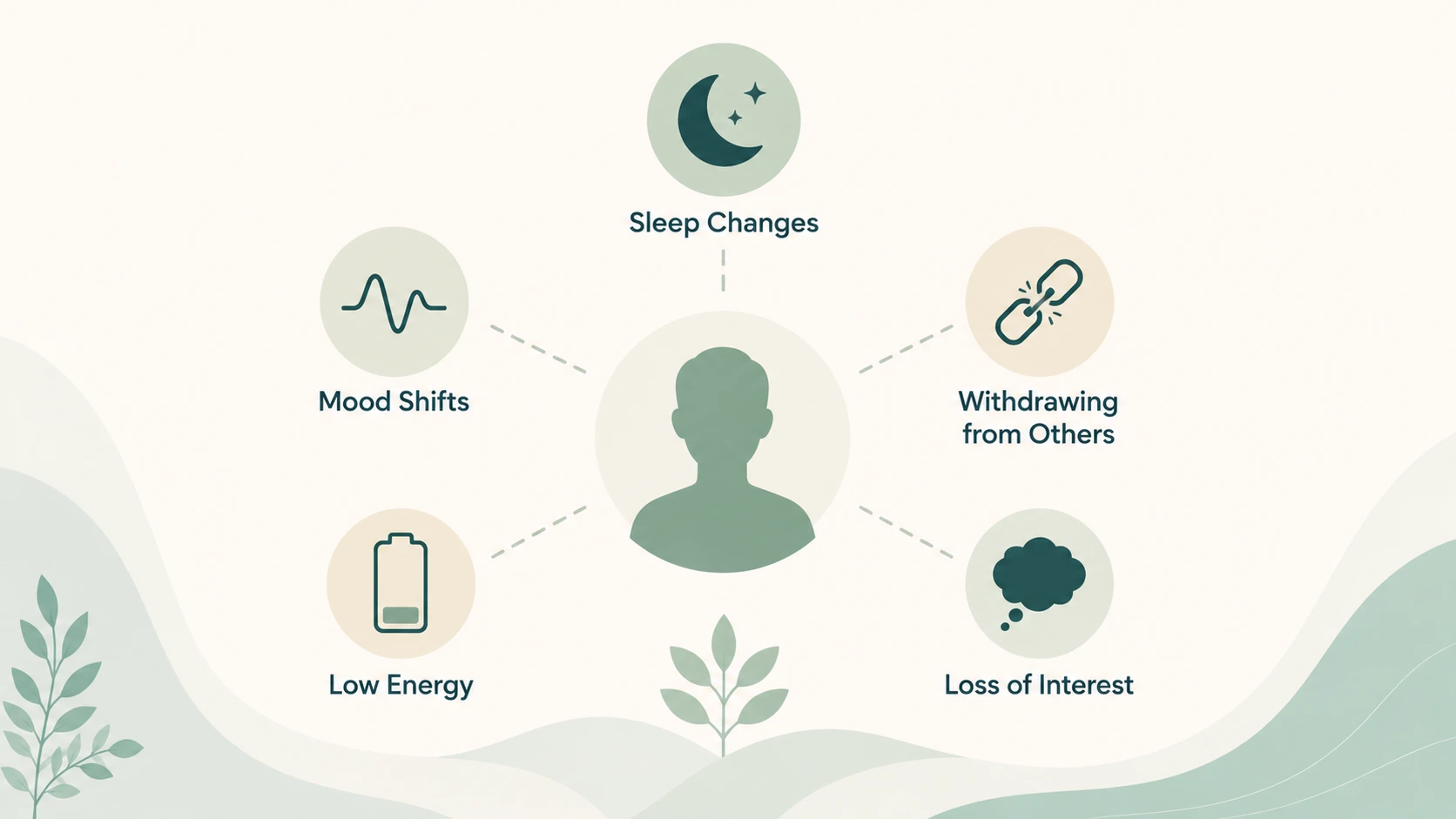
It’s time to see a psychiatrist when symptoms persist, worsen, or interfere with daily functioning despite personal coping efforts.
Warning Signs
Warning signs include persistent low mood, excessive worry, sleep disruption, withdrawal from relationships, and difficulty completing daily tasks.
What Happens During Your First Appointment
A first psychiatric appointment typically involves a clinical interview, review of medical and psychological history, and discussion of symptoms to guide diagnosis and treatment planning.
Questions to Ask Your Psychiatrist
Helpful questions include asking about diagnosis reasoning, treatment options, expected timelines, potential medication side effects, and how progress will be monitored.
Conclusion
Mindset psychiatry highlights the connection between psychological mindset and clinical psychiatric care, showing that thinking patterns influence—but do not replace—evidence-based treatment. A growth-oriented, resilient mindset can support recovery and daily coping, while psychiatrists provide diagnosis, medication management, and structured therapy grounded in medical evidence. Combining healthy daily habits with appropriate psychiatric support, guided by standardized diagnostic tools like the DSM, offers the most reliable path toward lasting mental wellness. Individuals experiencing persistent symptoms should prioritize informed decision-making and seek professional evaluation early rather than relying on mindset changes alone.
Frequently Asked Questions
What is mindset psychiatry?
Mindset psychiatry refers to the relationship between psychological thinking patterns and clinical psychiatric assessment and treatment, rather than a distinct medical specialty. This connects closely to broader mindset psychology, which examines how belief systems and thought patterns shape behavior more generally.
How does mindset affect mental health?
Mindset affects emotional regulation, stress response, and coping behavior, which can influence how symptoms are experienced and managed alongside clinical treatment.
Can changing your mindset improve anxiety or depression?
Changing your mindset can improve coping and resilience, but conditions like anxiety and depression often require professional evaluation and evidence-based treatment for full recovery.
What is the difference between psychiatry and psychology?
Psychiatrists are medical doctors who can prescribe medication and diagnose conditions, while psychologists focus on psychotherapy and psychological testing without prescribing medication.
How do psychiatrists diagnose mental health conditions?
Psychiatrists diagnose mental health conditions through clinical interviews, medical history review, standardized diagnostic criteria, and risk assessment.
What is the DSM and why is it important?
The DSM is the Diagnostic and Statistical Manual of Mental Disorders, providing standardized criteria that ensure consistent diagnosis, research, and communication among mental health professionals.
When should someone see a psychiatrist instead of a counselor?
Someone should see a psychiatrist instead of a counselor when symptoms are severe, involve potential need for medication, or require medical evaluation alongside psychological support.
Can medication and mindset strategies be used together?
Medication and mindset strategies can be used together, with medication addressing physiological factors while mindset strategies support daily coping and resilience.