
Introduction
A tech mindset is the ongoing ability to learn, adapt, and solve problems using technology, rather than simply knowing how to operate specific tools. It differs from basic technology use because it focuses on how a person thinks about change, not just what software they can run. In modern work, education, and innovation, a tech mindset determines how quickly someone adjusts to new systems, automation, and digital transformation. Related concepts — digital mindset, technical mindset, technology mindset, and technopreneurial mindset — all describe different angles of this same underlying capability: thinking effectively in a technology-driven world.
Quick Summary
- A tech mindset is the ability to continuously learn, adapt, and solve problems using technology.
- Developing a digital mindset helps individuals remain competitive in rapidly changing industries.
- Technical knowledge alone is not enough; curiosity, adaptability, and innovation are equally important.
- A strong tech mindset supports career growth, collaboration, and better decision-making.
What Is a Tech Mindset?
Tech Mindset Definition
A tech mindset is a way of thinking that treats technology as a tool for continuous learning and problem-solving rather than a fixed skill set. This tech mindset definition distinguishes skills (what a person can currently do) from mindset (how a person approaches new and unfamiliar technology). A technology mindset assumes tools will keep changing, so the priority is adaptability, not memorization. In practical terms, technical mindset meaning centers on curiosity about how systems work and confidence in figuring out new ones without needing every answer upfront.
The distinction matters because skills expire — a specific app, language, or platform can become outdated within a few years. Mindset, by contrast, transfers across every new technology a person encounters.
Why Mindset Matters More Than Technology Alone
A growth mindset in technology assumes ability can be developed through effort and exposure, while a fixed mindset assumes technical ability is innate — “I’m just not a tech person.” Research in behavioral science, including Carol Dweck’s growth mindset framework, supports the idea that people who view abilities as improvable tend to persist longer through difficulty and learn faster.
- Adaptability allows someone to remain useful as tools change.
- Learning and innovation are linked: people who expect to keep learning are more likely to experiment, and experimentation is where most practical innovation originates.
- Mindset, not tool familiarity, predicts long-term success with technology.
What Is a Digital Mindset?
How a Digital Mindset Differs From a Tech Mindset
A digital mindset is a broader orientation toward using digital tools, data, and connectivity to rethink how work and decisions get done, while a tech mindset is more focused on personal adaptability with technology itself. In scope, a digital mindset often applies at the organizational or strategic level — how a company approaches digital transformation — while a tech mindset applies more to an individual’s day-to-day learning approach. The two overlap significantly: both rely on curiosity, comfort with automation and AI, and a commitment to lifelong learning as digital transformation and innovation reshape entire industries.
Why a Digital Mindset Is Necessary for Professional Success
A digital mindset is necessary for professional success because most modern roles now involve some interaction with software, data, or automated systems, regardless of industry. Organizations value employees who can evaluate new digital tools quickly, contribute to process improvements, and adapt as workflows shift toward AI-assisted work. Without this orientation, professionals risk relying on outdated methods while colleagues and competitors move faster.
The Core Characteristics of a Tech Mindset
The 7 Characteristics of a Digital Mindset
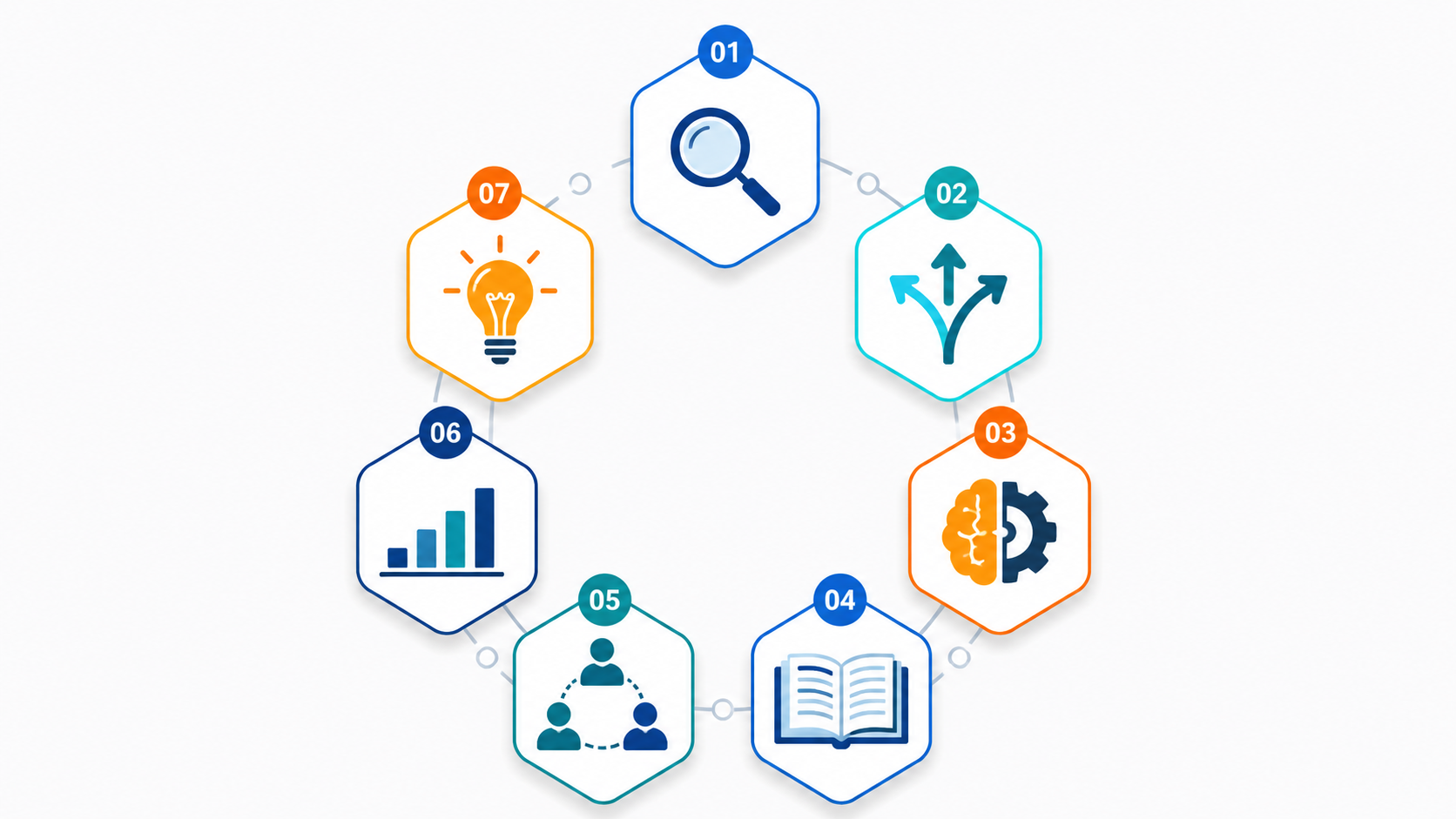
The 7 characteristics of a digital mindset commonly cited in behavioral and organizational research include:
- Curiosity — a consistent interest in how new tools and systems work.
- Adaptability — comfort adjusting habits and workflows as technology changes.
- Critical thinking — evaluating information and tools rather than accepting them at face value.
- Continuous learning — treating skill development as ongoing, not a one-time event.
- Collaboration — working effectively with others, including cross-functional and remote teams.
- Data-informed decision making — using available data to guide choices instead of relying solely on intuition.
- Innovation — actively looking for better ways to solve problems, not just accepting the status quo.
Additional Traits That Strengthen a Technical Mindset
Beyond the seven core characteristics, several additional traits reinforce a strong technical mindset and technology mindset overall:
- Problem solving — breaking down complex issues into manageable parts.
- Systems thinking — understanding how individual components affect a larger process.
- Creativity — applying tools in unconventional or novel ways.
- Resilience — recovering from failed attempts or technical setbacks without losing motivation.
- Experimentation — testing ideas in low-stakes ways before full implementation.
- Digital confidence — a general comfort level navigating unfamiliar interfaces and platforms.
How a Tech Mindset Encourages Innovation and Creative Problem Solving
Why Innovative Thinking Matters
A digital mindset encourages creative solutions to complex problems by nurturing innovative thinking that questions existing processes instead of accepting them as fixed. When people approach a challenge assuming a better method might exist, they are more likely to test alternatives, combine ideas from different fields, and identify inefficiencies others overlook. This orientation turns everyday obstacles into opportunities for improvement rather than fixed limitations.
Examples Across Different Industries
- Healthcare — clinicians using data dashboards and telehealth tools to improve patient outcomes and reduce administrative delays.
- Education — teachers adapting curricula using digital platforms and adaptive learning software.
- Finance — analysts applying automation and predictive models to detect risk faster.
- Marketing — teams using AI-assisted content tools and analytics to personalize campaigns.
- Manufacturing — engineers integrating sensors and automation to reduce downtime.
- Software development — teams adopting new frameworks and AI coding assistants to ship features faster.
Developing a Tech Mindset
Practical Steps to Build a Digital Mindset
Developing a digital mindset is a gradual process built on consistent small habits rather than a single course or certification. In our experience helping readers build better habits, the most effective approach combines structured learning with real practice.
- Continuous learning — set aside regular time for skill-building, even in short sessions.
- Feedback — seek input from peers, mentors, or users to identify blind spots.
- Experimentation — try new tools in low-risk settings before relying on them for important tasks.
- Curiosity — ask “how does this work” before asking “how do I avoid this.”
- Digital literacy — build a working understanding of common digital concepts (cloud storage, data privacy, basic automation).
- AI literacy — learn how AI tools generate output and where their limitations lie.
Shifting a tech mindset from fixed to growth-oriented usually starts with small, repeated wins rather than one dramatic change.
Daily Habits That Reinforce Long-Term Growth
- Reading industry news or explainer articles for 10–15 minutes daily.
- Building small personal projects to apply new skills.
- Learning one new tool or feature per week rather than many at once.
- Reflecting briefly on what worked and what didn’t after trying something new.
- Networking with others who are further along in similar learning paths.
- Practicing consistently, even in short sessions, rather than in occasional long bursts.
AI Tools and the Modern Tech Mindset
How AI Is Changing Digital Thinking
AI is reshaping digital thinking by shifting some tasks from manual execution to human-AI collaboration, where people supervise, refine, and direct AI output rather than doing every step manually. Common areas of change include AI assistants for research and drafting, automation of repetitive tasks, AI-supported decision support systems, and prompt engineering as a practical skill for getting useful results from AI tools. Your Daily Thrive recommends treating AI tools as collaborators to verify and refine, not as replacements for independent judgment.
Balancing Technology With Human Skills
- Ethics — considering the fairness, privacy, and accuracy implications of AI-assisted decisions.
- Creativity — using AI to support original ideas rather than replace them.
- Communication — clearly explaining technical decisions to non-technical stakeholders.
- Judgment — knowing when to trust automated output and when to apply human oversight.
Tech Mindset Careers
Careers That Benefit Most From a Tech Mindset
Tech mindset careers are not limited to engineering roles. Professionals across many fields benefit from strong adaptability and digital thinking:
- Software developer
- Data analyst
- Product manager
- UX designer
- Cybersecurity specialist
- Digital marketer
- Business analyst
- Entrepreneur
Skills Employers Commonly Expect
| Skill | Why It Matters |
|---|---|
| Adaptability | Enables quick adjustment to new tools and processes |
| Collaboration | Supports cross-functional and remote teamwork |
| AI literacy | Helps employees use AI tools responsibly and effectively |
| Analytical thinking | Supports data-informed decisions |
| Communication | Bridges technical and non-technical teams |
| Problem solving | Addresses unexpected technical or process issues |
Technical Mindset in Data Analysis
Why Data Professionals Need a Technical Mindset
A technical mindset in data analysis combines analytical thinking, statistical literacy, visualization skills, and business understanding to turn raw data into usable insight. A technical mindset in data analytics also supports automation of repetitive reporting tasks, freeing analysts to focus on interpretation rather than manual data preparation. Without this mindset, technical tools alone cannot translate numbers into decisions that make sense for a business.
Comparing Different Technology-Oriented Mindsets
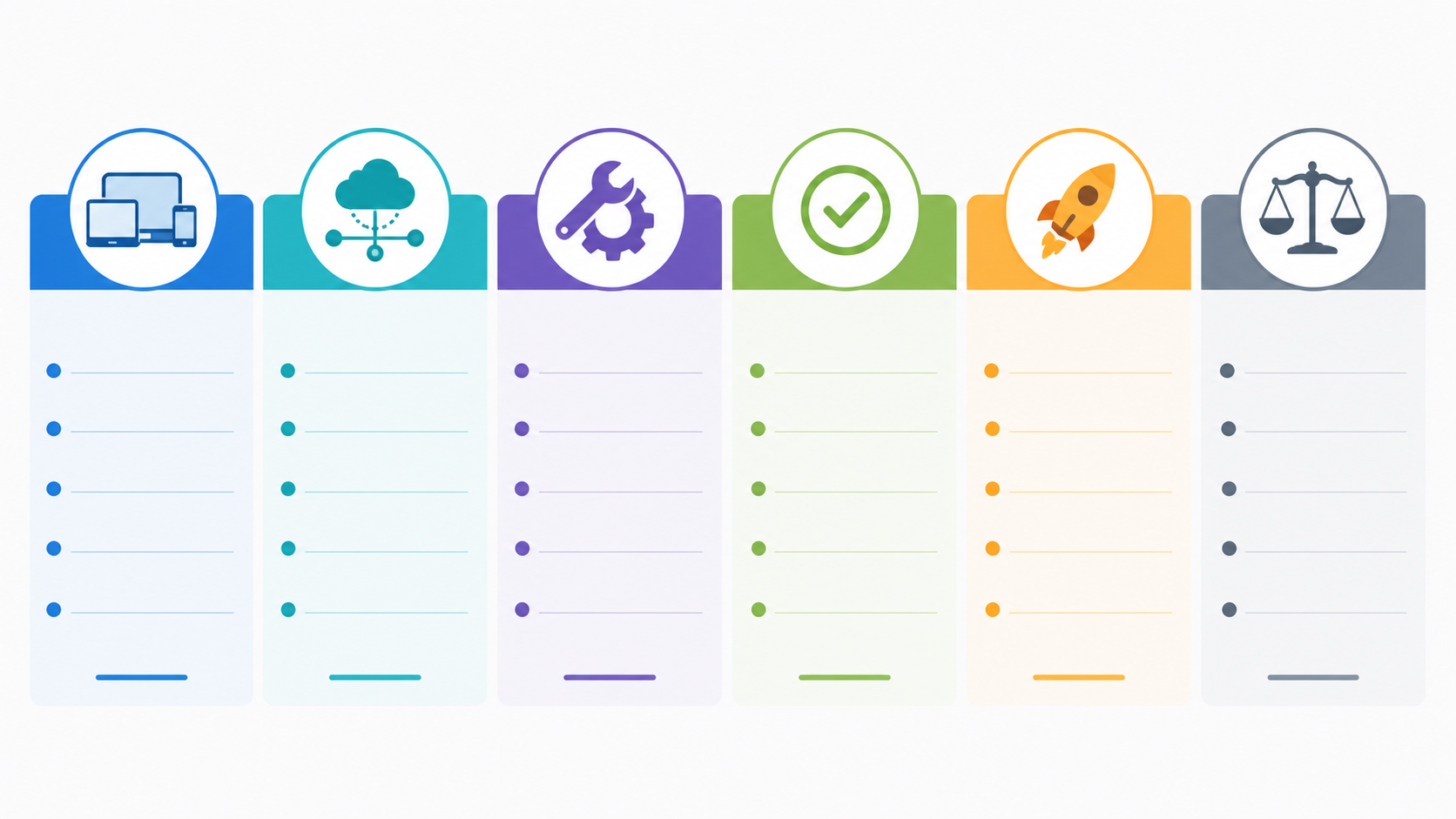
| Mindset | Primary Focus | Best Use Cases | Key Strength |
|---|---|---|---|
| Tech Mindset | Technology adoption | Modern workplaces | Adaptability |
| Digital Mindset | Digital transformation | Organizations | Innovation |
| Technical Mindset | Technical problem solving | Engineering & analytics | Precision |
| Tech-Savvy Mindset | Efficient technology use | Everyday work | Productivity |
| Technopreneurial Mindset | Innovation + business | Startups | Opportunity recognition |
| Technocratic Mindset | Technical expertise in governance | Policy & leadership | Evidence-based decisions |
A tech-savvy mindset focuses on efficient everyday use of tools, while a technopreneurial mindset applies technological thinking to identify and act on business opportunities. A technocratic mindset, by contrast, applies technical expertise to policy and governance decisions. Each variation shares a common foundation in adaptability and continuous learning, even though the technology mindset expresses itself differently depending on context.
Common Misconceptions About a Tech Mindset
Myths vs Reality
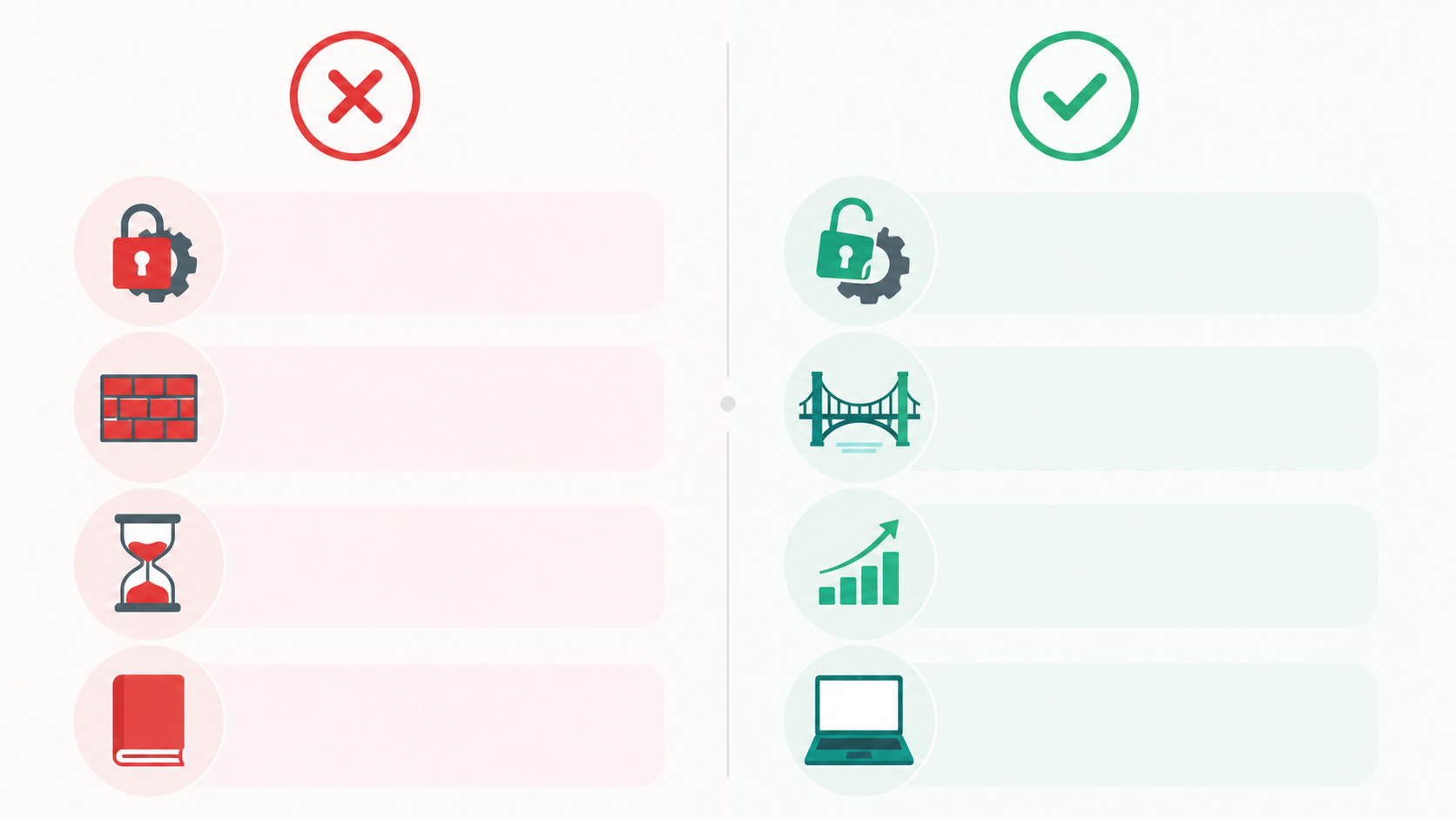
| Myth | Reality |
|---|---|
| Only programmers need a tech mindset | Nearly every modern role benefits from digital adaptability |
| Technology replaces creativity | Technology often expands creative options rather than limiting them |
| Older professionals cannot develop it | Mindset shifts are possible at any age with consistent practice |
| It requires advanced coding skills | Most roles need digital literacy and adaptability, not programming expertise |
Common Challenges When Developing a Tech Mindset
Why People Struggle
- Fear of change — discomfort with unfamiliar tools or processes.
- Information overload — too many tools, trends, and updates to track at once.
- Imposter syndrome — feeling unqualified compared to more experienced peers.
- Lack of confidence — hesitation to try new tools without guaranteed success.
- Rapid technological change — tools and best practices shifting faster than habits can adjust.
How to Overcome These Challenges
- Set small, specific learning goals instead of broad ones.
- Practice regularly in low-pressure settings.
- Seek mentorship from someone further along in their learning path.
- Join community learning groups or forums for accountability.
- Prioritize consistency over intensity.
- Maintain a growth mindset by treating setbacks as information, not failure.
Beginner Mistakes to Avoid
- Learning specific tools without understanding the underlying concepts.
- Chasing every new technology trend instead of building depth in a few areas.
- Ignoring soft skills like communication and collaboration.
- Avoiding experimentation out of fear of making mistakes.
- Depending entirely on AI tools without verifying or understanding the output.
- Not applying new knowledge to real, hands-on projects.
Applying a Tech Mindset in Different Contexts
Students
Students benefit from building digital literacy and AI literacy early, using coursework and personal projects as low-stakes practice environments.
Working Professionals
Working professionals typically focus on applying a tech mindset to improve efficiency in current roles while preparing for shifts in job requirements.
Managers and Leaders
Managers and leaders need a digital mindset to guide teams through change, model adaptability, and make informed decisions about adopting new tools.
Entrepreneurs
Entrepreneurs often rely on a technopreneurial mindset, combining innovation with business judgment to identify opportunities technology creates.
Career Changers
Career changers benefit from focusing on transferable traits — curiosity, adaptability, and problem solving — rather than trying to master every technical skill at once.
Difficulty and Time Investment
Developing a tech mindset is generally moderate in difficulty and highly dependent on consistency rather than natural talent. Beginners without prior technical exposure may need more structured learning paths, while those with workplace exposure to digital tools often progress faster. Personal motivation, available time, and access to mentorship or community support all influence how quickly the mindset shift takes hold. Most people can expect steady, incremental progress with regular practice rather than immediate mastery.
Results Timeline
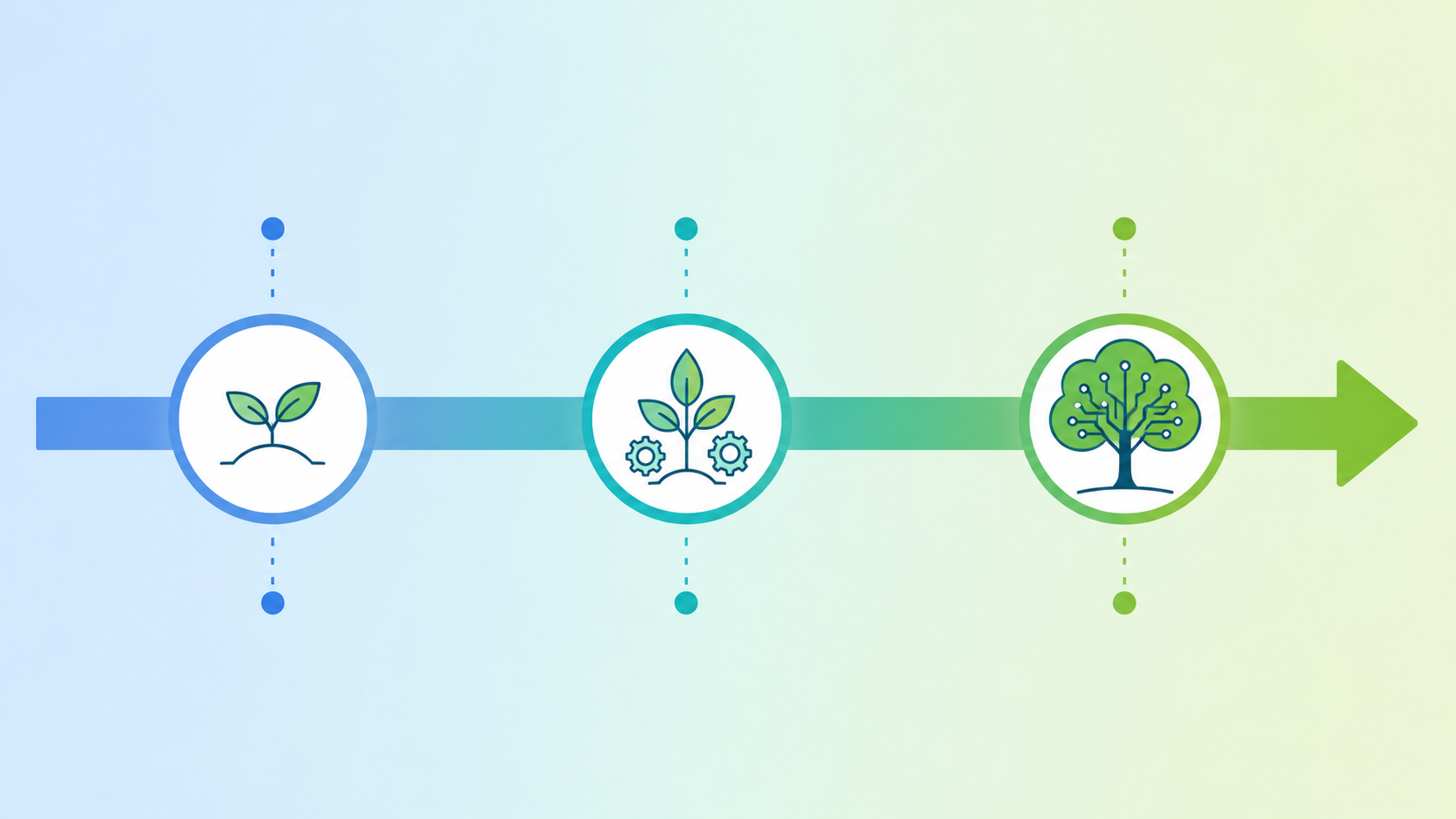
Progress in developing a tech mindset typically follows a gradual pattern rather than sudden change. In the first few weeks, most people notice reduced hesitation around trying new tools. Between one and three months, adaptability and confidence with unfamiliar systems tend to improve noticeably. Long-term development — including stronger critical thinking and innovation habits — usually builds over six months to a year of consistent practice. Factors such as prior exposure, available learning time, and workplace support can speed up or slow down this timeline.
Practice Guide
Building a sustainable tech mindset works best with a structured, repeatable routine:
- Weekly learning plan — dedicate consistent time blocks to learning one concept or tool.
- Building projects — apply new skills to small, real projects rather than only tutorials.
- Following industry trends — review credible sources regularly without chasing every trend.
- Using AI tools responsibly — verify outputs and understand tool limitations.
- Tracking progress — keep a simple log of skills learned and challenges overcome.
- Accountability methods — share goals with a peer, mentor, or community group.
- Maintaining long-term consistency — prioritize steady, smaller efforts over infrequent intense sessions. On days when enthusiasm fades, the same principles behind how to build discipline without motivation apply directly to sticking with your tech-learning routine.
Recommended Resources for Continued Learning
Books
Widely referenced titles on digital transformation and technology mindset topics include Carol Dweck’s Mindset, which introduced the growth mindset framework applied broadly across technology adoption, and various digital transformation guides published by business schools and consulting firms. A well-regarded digital mindset book typically covers adaptability, continuous learning, and organizational change together.
Frameworks
A common digital mindset framework includes several recurring components: continuous learning, experimentation, customer focus, data-driven decisions, collaboration, and adaptability. Many organizational frameworks structure these elements into stages, moving from awareness to consistent practice across teams.
Research Papers, Guides, and PDFs
Rather than relying on any single source, evaluate downloadable guides and research documents by checking the publisher’s credibility, publication date, and whether claims are supported by data or established behavioral science. A digital mindset PDF from a university, research institution, or established consulting firm is generally more reliable than uncredited downloadable guides circulating without clear authorship.
Conclusion
A tech mindset is the ability to continuously learn, adapt, and solve problems using technology, and it matters more than any single technical skill because tools change while adaptable thinking transfers across every new system encountered. Adaptability, continuous learning, and innovation are essential in the AI era, where automation and AI tools are reshaping how work gets done across nearly every industry. Rather than focusing only on mastering specific tools, readers benefit most from building consistent habits — curiosity, experimentation, reflection, and steady practice. A strong tech mindset ultimately supports better decision-making, stronger collaboration, and long-term career resilience in a rapidly changing digital world. Reflecting briefly on what worked and what didn’t — using resources like journaling prompts for self growth — helps turn scattered learning into lasting progress.
Frequently Asked Questions (FAQs)
What is a tech mindset?
A tech mindset is the ongoing ability to learn, adapt, and solve problems using technology, rather than simply knowing how to use specific tools or software.
How is a tech mindset different from a digital mindset?
A tech mindset focuses on individual adaptability with technology, while a digital mindset often applies more broadly to organizational approaches toward digital transformation and innovation.
Can anyone develop a tech mindset?
Yes, a tech mindset can be developed at any age through consistent practice, curiosity, and a willingness to learn from setbacks rather than avoid them.
Why is a digital mindset important in today’s workplace?
A digital mindset is important because most modern roles involve digital tools, data, or automation, and employees who adapt quickly remain more competitive and effective.
What are the seven characteristics of a digital mindset?
The seven characteristics are curiosity, adaptability, critical thinking, continuous learning, collaboration, data-informed decision making, and innovation.
Does a tech mindset require programming skills?
No, a tech mindset primarily requires digital literacy, adaptability, and problem-solving ability; programming skills are only necessary for specific technical roles.
How can AI tools help build a tech mindset?
AI tools support a tech mindset by handling repetitive tasks, offering decision support, and giving individuals practice in supervising and refining automated output.
What careers benefit the most from a tech mindset?
Careers such as software development, data analysis, product management, UX design, cybersecurity, digital marketing, and entrepreneurship all benefit significantly from a strong tech mindset.
How long does it take to develop a tech mindset?
Noticeable improvements often appear within a few weeks, with stronger adaptability developing over one to three months and deeper growth continuing over six months to a year of consistent practice.
What habits help maintain a future-ready technology mindset?
Helpful habits include regular reading, hands-on project building, learning new tools incrementally, reflecting on progress, networking with peers, and practicing consistently over time.