
Introduction
A future mindset is a way of thinking that helps people focus on possibilities, long-term outcomes, and intentional progress instead of only reacting to current situations. It involves using future thinking to make better decisions, adapt to change, and create meaningful personal growth. A future mindset connects imagination with action by helping individuals consider where they want to go and what steps are needed to get there. In a rapidly changing world, developing future-oriented thinking can support resilience, creativity, goal achievement, and continuous improvement.
Quick Summary
- A future mindset helps people think beyond immediate circumstances and make decisions based on long-term goals.
- Future thinking involves anticipating possibilities, adapting to change, and preparing for different outcomes.
- Building a future mindset requires clear goals, continuous learning, reflection, and consistent action.
- A future-focused approach supports personal development, career growth, creativity, and resilience.
Understanding the Meaning of a Future Mindset
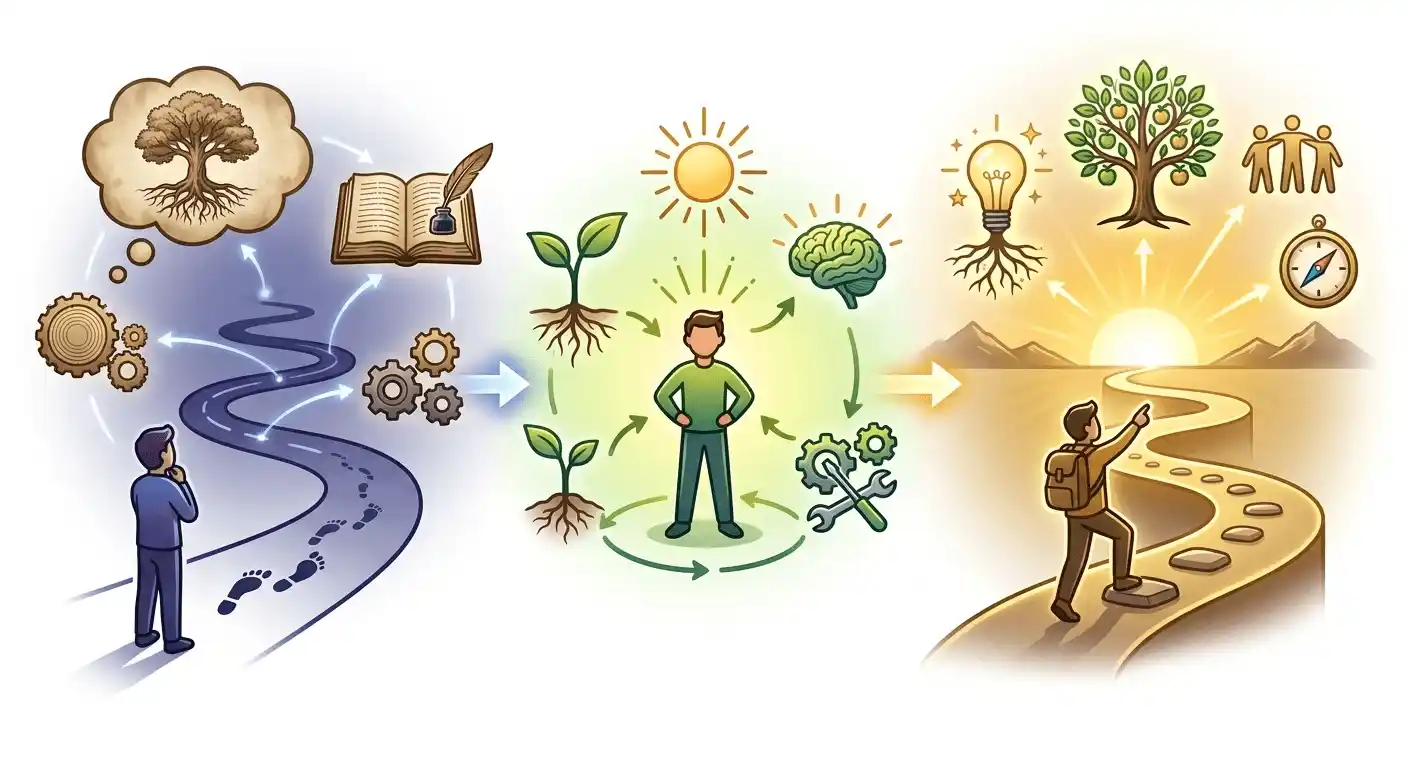
A future mindset is the ability to consider future possibilities and use that perspective to guide present choices. Unlike simple planning, it involves a deeper mental framework where people evaluate how current actions influence future outcomes.
The future mindset meaning goes beyond having goals. It includes developing awareness of trends, understanding consequences, preparing for uncertainty, and intentionally creating a better future. People with this mindset do not only ask, “What should I do today?” They also ask, “How will this decision affect my future?”
The future-focused meaning refers to directing attention toward improvement, opportunities, and long-term results. Similarly, a future-oriented definition describes someone who considers future consequences and possibilities when making decisions.
Being future-oriented does not mean ignoring the present. Instead, it means using the present as a foundation for future success.
What Does Being Future-Oriented Mean?
Being future-oriented means thinking ahead and making choices based on desired future outcomes. A future-oriented person balances current responsibilities with long-term priorities.
Common characteristics include:
- Thinking about consequences before acting
- Setting meaningful long-term goals
- Looking for opportunities instead of only reacting to problems
- Preparing for change and uncertainty
- Investing time in learning and improvement
For example, a student who learns a valuable skill before entering the job market demonstrates future-oriented thinking. A professional who updates their knowledge because their industry is changing also shows a future mindset.
Future Mindset vs Present-Focused and Past-Focused Thinking
Different thinking styles influence how people approach decisions and growth.
| Thinking Style | Main Focus | Common Behavior | Potential Outcome |
| Past-focused thinking | Previous experiences | Repeating patterns or analyzing mistakes | Learning or becoming stuck |
| Present-focused thinking | Current needs | Making immediate decisions | Short-term benefits |
| Future mindset | Future possibilities | Planning and adapting | Long-term growth |
A balanced person can learn from the past, manage the present, and prepare for the future. The difference is that a future mindset gives greater attention to how today’s choices shape tomorrow.
The Core Principles Behind Future Thinking
Future thinking is a mental framework that combines imagination, planning, adaptability, and action. It allows individuals to explore possible futures rather than simply respond to current events.
A future thinking synonym may include terms such as forward-thinking, long-term thinking, strategic thinking, or future-oriented planning. These concepts share the idea of considering what may happen next and preparing accordingly.
Future thinking is not about predicting the future perfectly. It is about developing the ability to recognize possibilities and make informed choices.
Anticipating Possibilities Instead of Predicting Certainty
Future thinking focuses on preparation rather than prediction. Since the future is uncertain, effective thinkers consider multiple possible outcomes.
Important practices include:
- Scenario planning
- Preparing for different situations
- Identifying emerging opportunities
- Evaluating risks before making decisions
For example, a business leader cannot know exactly how an industry will change, but they can prepare by monitoring trends, improving skills, and creating flexible strategies.
Connecting Present Actions With Future Outcomes
A future mindset recognizes that small actions accumulate over time. Daily decisions influence future health, skills, relationships, and career opportunities.
Examples include:
- Learning new skills to increase future opportunities
- Building healthy habits that support long-term well-being
- Creating financial plans for future stability
- Developing professional abilities before they become necessary
Your Daily Thrive recommends focusing on consistent progress rather than expecting immediate transformation. Behavioral science shows that repeated actions strengthen habits through processes such as behavioral reinforcement and routine formation.
What Are the Different Types of Mindsets Related to Future Thinking?
Mindset categories vary depending on the framework being used. However, several types of thinking are closely connected with developing a future mindset.
Common examples include:
| Mindset Type | Description | Connection to Future Mindset |
| Growth mindset | Belief that abilities can improve | Encourages future development |
| Learning mindset | Focus on gaining knowledge | Supports adaptation |
| Creative mindset | Generates new possibilities | Helps imagine future solutions |
| Resilient mindset | Recovers from challenges | Maintains progress during setbacks |
These mindsets support future thinking because they encourage improvement, flexibility, and problem-solving.
How Future Mindset Connects With Growth Mindset
A growth mindset, a concept popularized in educational psychology, describes the belief that abilities can develop through effort, learning, and feedback.
A growth mindset describes the belief that abilities can develop through effort, learning, and feedback.
Future mindset and growth mindset work together because both focus on improvement.
The connection includes:
- Learning from failure instead of avoiding challenges
- Improving skills through practice
- Remaining adaptable when circumstances change
- Viewing obstacles as opportunities for development
Someone with both mindsets understands that the future can be influenced through intentional action.
The 6 Pillars of Future Thinking
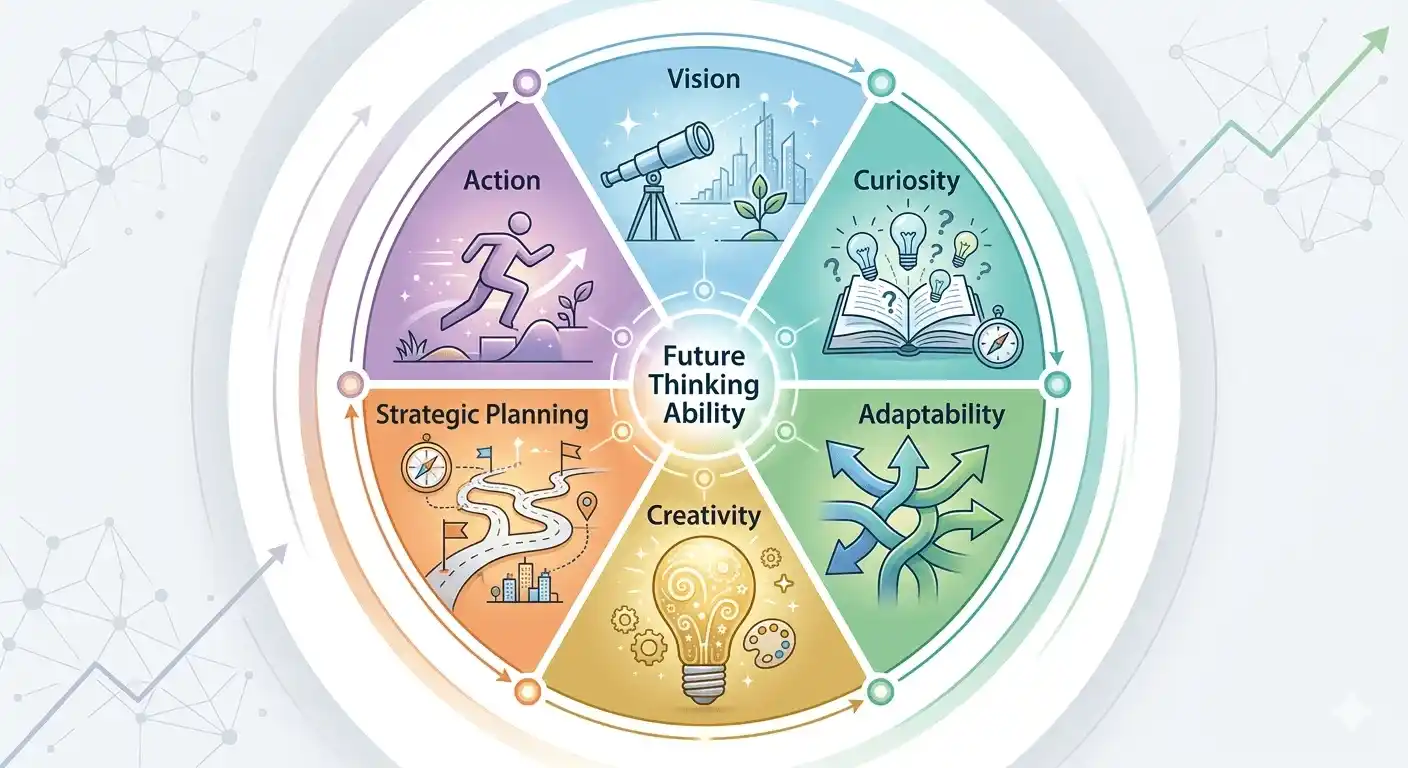
The question “What are the 6 pillars of futures thinking?” is often answered through frameworks that focus on developing the ability to imagine, evaluate, and create possible futures.
The six practical pillars are:
Vision and Long-Term Direction
A clear vision provides direction. Without understanding what someone wants to achieve, future planning becomes difficult.
A future vision helps people:
- Define meaningful goals
- Prioritize important actions
- Make decisions aligned with future outcomes
Curiosity and Continuous Learning
Curiosity allows people to discover new information and adapt to change.
Continuous learning becomes more powerful when combined with intentional personal growth actions that help individuals improve their skills, habits, and decision-making over time.
Continuous learning supports future thinking by helping individuals:
- Develop new skills
- Understand changing environments
- Discover new opportunities
Adaptability and Flexibility
The future often changes unexpectedly. Adaptability helps people adjust strategies without abandoning their goals.
Flexible thinkers can:
- Respond to new challenges
- Learn from changing circumstances
- Modify plans when necessary
Creativity and Innovation
Creativity helps people imagine alternatives and solve future problems.
Innovative thinking encourages:
- Exploring new approaches
- Creating better solutions
- Challenging existing assumptions
Strategic Planning
Strategic planning turns ideas into structured actions.
It involves:
- Breaking large goals into smaller steps
- Setting priorities
- Measuring progress
Action and Execution
Future thinking requires action. Ideas become valuable only when they influence behavior.
Execution involves:
- Taking consistent steps
- Reviewing progress
- Adjusting strategies when needed
Examples of Future Thinking in Everyday Life
Future thinking becomes meaningful when it influences real decisions and everyday behavior. A future mindset is not limited to major life choices; it appears in small actions that create better long-term outcomes. People use future thinking when they prepare for challenges, develop skills, improve relationships, and make choices based on future consequences.
A practical example of future thinking is investing time today in something that creates value later. This could include learning a new skill, improving health habits, saving money, or building professional knowledge.
Future Mindset Examples for Students
Students with a future mindset focus on preparing themselves for future opportunities rather than only completing immediate tasks. They understand that education is not only about grades but also about developing abilities that remain valuable over time.
Examples include:
- Developing skills before they are needed in the workplace
- Exploring possible career paths
- Creating effective learning habits
- Building communication and problem-solving abilities
- Seeking knowledge beyond required coursework
A student with future-oriented thinking may learn digital skills, improve language abilities, or develop critical thinking because these skills can create future opportunities.
Future mindset also helps students manage challenges. Instead of viewing difficulties as permanent failures, they can see them as feedback that helps them improve.
Future Mindset Examples for Professionals
In professional environments, future thinking helps individuals remain competitive and adaptable. Industries continue to evolve because of technological changes, economic shifts, and changing customer needs.
Professionals demonstrate a future mindset by:
- Developing new skills before their current skills become outdated
- Monitoring changes in their industry
- Creating long-term career goals
- Building professional relationships
- Seeking continuous improvement
For example, an employee who learns emerging tools related to their field before they become required is practicing future-oriented thinking.
Your Daily Thrive recommends viewing career development as an ongoing process rather than a single achievement. Continuous learning and adaptability are important behaviors in long-term professional growth.
Future Mindset Examples in Personal Life
Future thinking also affects personal decisions. Many daily choices influence future health, relationships, and overall quality of life.
Examples include:
- Choosing healthy habits that support long-term well-being
- Maintaining relationships through consistent effort
- Creating financial plans for future security
- Setting personal goals and reviewing progress
A person with a future mindset understands that small actions repeated consistently can create significant changes over time.
How to Develop a Future Mindset Step by Step
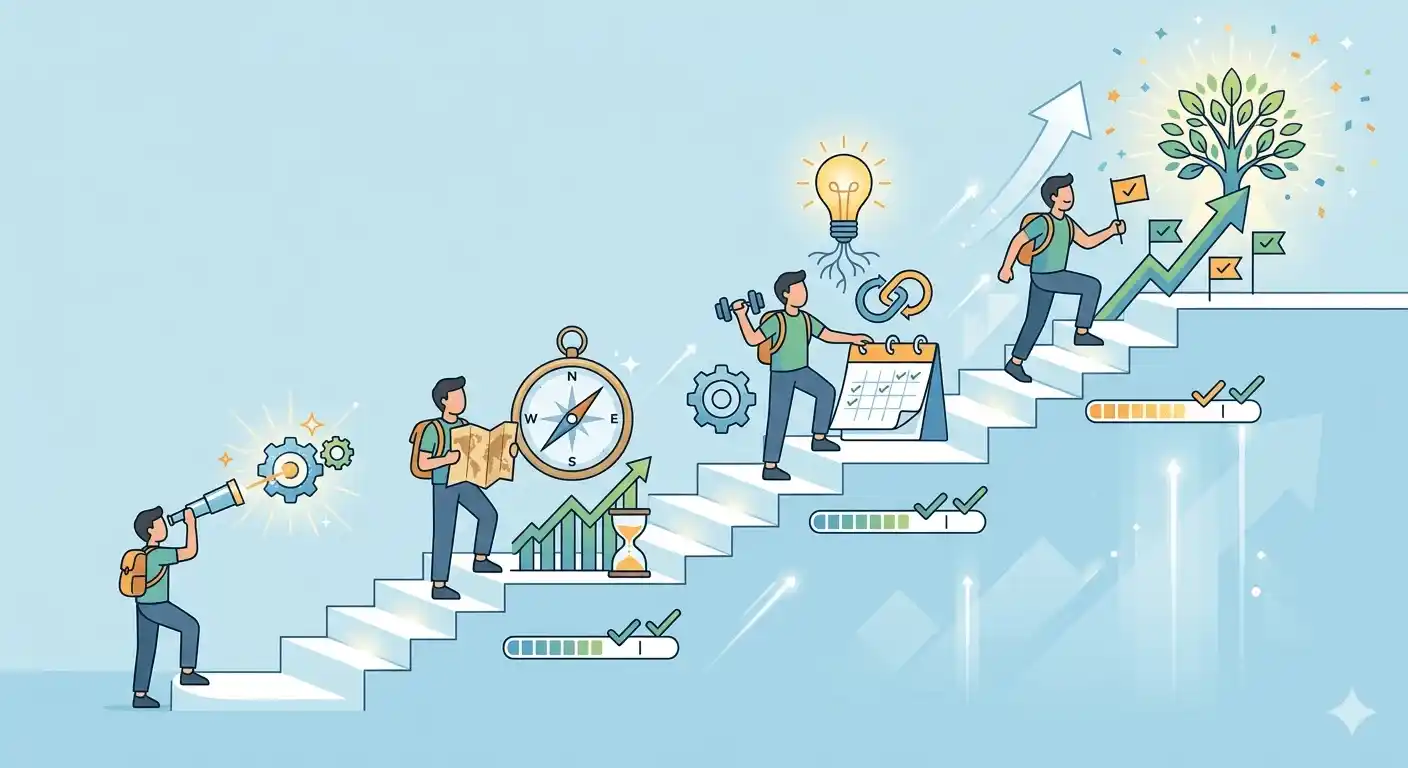
Developing a future mindset requires intentional practice. It is not a fixed personality trait; it can be strengthened through habits, reflection, and improved decision-making.
Behavioral science suggests that repeated behaviors and thought patterns can gradually reshape how people approach challenges and opportunities.
Create a Clear Future Vision
A clear future vision provides direction and purpose. Without a defined destination, it becomes difficult to decide which actions are valuable.
Creating a future vision involves:
- Identifying important personal and professional goals
- Defining what success means personally
- Considering the type of person you want to become
- Connecting daily actions with future outcomes
A useful practice is asking:
- Where do I want to be in the next few years?
- What skills will help me reach that future?
- What actions today support that direction?
A vision does not need to be a perfect prediction. It acts as a guide that helps people make better choices.
Replace Short-Term Reactions With Long-Term Thinking
Many decisions are influenced by immediate emotions or short-term rewards. A future mindset encourages people to consider broader consequences.
Methods for developing this approach include:
- Asking future-impact questions before making decisions
- Considering possible consequences
- Prioritizing important goals over temporary comfort
- Evaluating whether actions support long-term values
For example, choosing to study instead of spending unnecessary time on distractions requires focusing on future benefits rather than immediate enjoyment.
Build Habits That Support Future Growth
Long-term thinking becomes stronger when supported by consistent habits.
Long-term thinking becomes stronger when supported by consistent habit-building practices that create steady progress over time.
Helpful practices include:
- Daily learning through reading, courses, or skill development
- Reflection practices such as reviewing progress and lessons learned
- Tracking goals and improvements
- Developing routines that support personal growth
Common habit-building principles include starting with manageable actions, creating consistency, and adjusting routines based on personal circumstances.
A future mindset grows through repeated practice rather than one-time motivation.
Common Challenges That Prevent a Future Mindset
Although future thinking offers many benefits, several challenges can make it difficult to maintain. Understanding these barriers helps people develop better strategies for overcoming them.
Focusing Too Much on Immediate Results
A common challenge is prioritizing short-term rewards over long-term benefits. Human behavior is often influenced by immediate satisfaction, which can make future goals feel less important.
This can lead to:
- Avoiding difficult but valuable tasks
- Losing patience with slow progress
- Abandoning goals too quickly
To overcome this challenge:
- Break large goals into smaller steps
- Track progress regularly
- Focus on improvement rather than perfection
Building patience and consistency helps strengthen future-oriented behavior.
Fear of Uncertainty and Change
Uncertainty can create resistance because people naturally prefer familiar situations. However, future thinking requires accepting that change is part of growth.
Fear of change may cause people to:
- Avoid new opportunities
- Resist learning new skills
- Stay in situations that no longer support growth
Preparation and adaptability reduce uncertainty. Instead of trying to control every future outcome, future-oriented people focus on building the skills needed to respond effectively.
Lack of Direction or Clear Goals
Without clear goals, future planning becomes difficult. People may work hard but lack a sense of direction.
A lack of direction can result in:
- Unfocused effort
- Poor prioritization
- Difficulty measuring progress
Vision-setting improves focus by helping people identify what matters most and organize their actions accordingly.
Future Mindset Compared With Similar Concepts
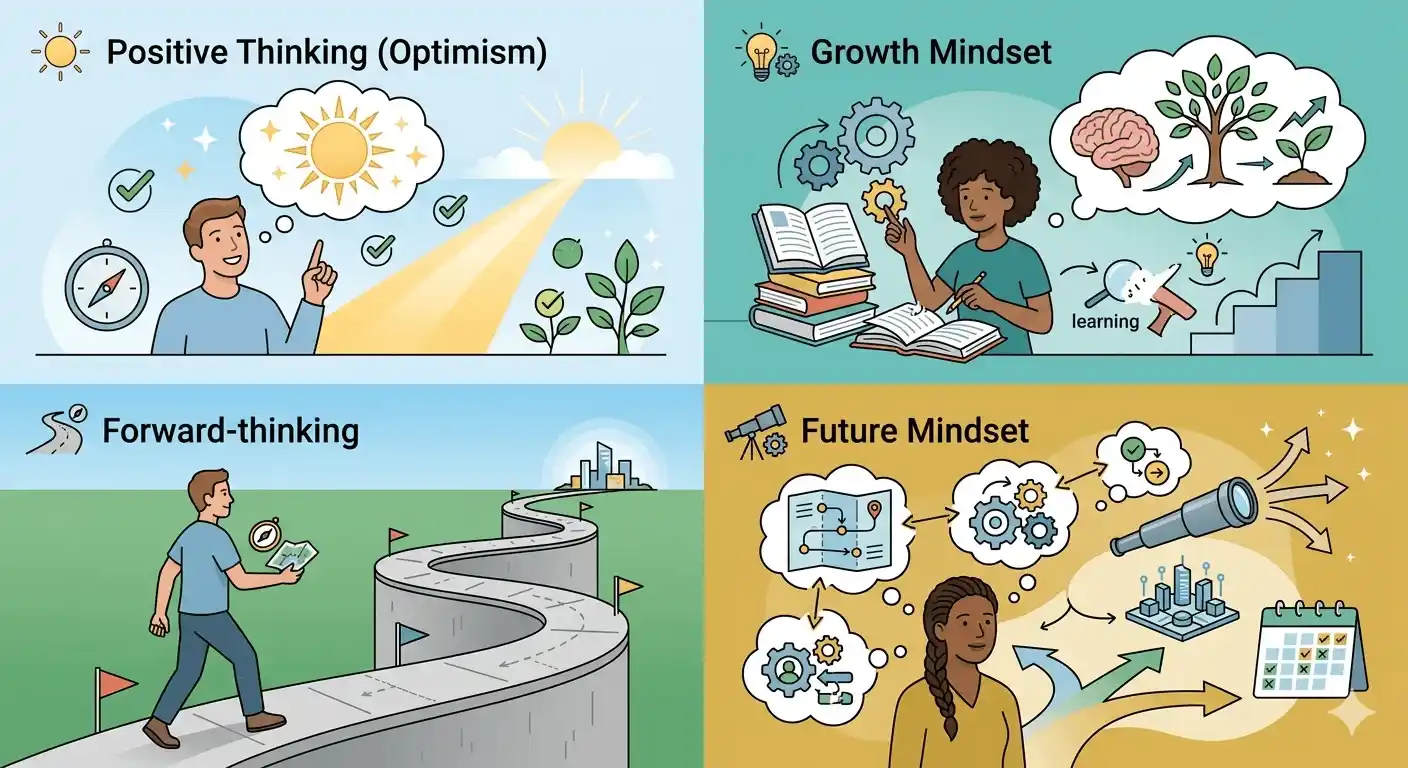
A future mindset shares similarities with other personal development concepts, but each approach has a different focus.
| Concept | Main Focus | Difference From Future Mindset |
| Positive thinking | Optimistic perspective | May not include strategic planning |
| Growth mindset | Improving abilities | Focuses more on learning and development |
| Forward-thinking | Considering future possibilities | Similar but broader in application |
| Future mindset | Long-term vision and action | Combines thinking, planning, and execution |
Understanding these differences prevents confusion between simply having an optimistic attitude and actively preparing for the future.
A future mindset combines positive expectations with practical action. It is not only about believing things can improve; it is about creating conditions that make improvement more likely.
The Role of Future Mindset in Success, Creativity, and Resilience
A future mindset influences how people approach success, challenges, and innovation. By focusing on long-term outcomes, individuals become more prepared to learn, adapt, and improve.
Future-oriented thinking supports:
- Productivity through better prioritization
- Goal achievement through consistent action
- Creativity through exploring possibilities
- Mental resilience through adaptability
In our experience helping readers build better habits, one common pattern is that sustainable progress comes from connecting daily routines with meaningful long-term goals.
Future Mindset and Career Growth
Future-oriented thinking is valuable in changing workplaces because skills, technologies, and professional expectations continue to evolve.
Being future oriented in a job context means:
- Developing relevant skills continuously
- Preparing for industry changes
- Seeking feedback and improvement
- Remaining adaptable
Employees who think ahead are often better prepared for new responsibilities because they actively develop themselves before change becomes necessary.
Future Mindset and Personal Transformation
A future mindset can influence personal identity and behavior. When people begin seeing themselves as capable of growth, their choices often become more aligned with their desired future.
Personal transformation involves:
- Changing unhelpful thought patterns
- Building stronger habits
- Developing emotional resilience
- Taking responsibility for future outcomes
The way people think about their future can influence the actions they take in the present.
Cultural and Creative Examples of Future Thinking
Future thinking appears across cultures, creative fields, science, and innovation. Many creators and innovators demonstrate future-oriented thinking by imagining possibilities that do not yet exist and working toward making them real.
Creative individuals often share qualities such as curiosity, experimentation, and willingness to explore uncertain paths.
Learning From Creative Thinkers and Risk-Takers
The phrase “a man of the adventure” can represent a person who approaches life with curiosity, exploration, and willingness to discover new possibilities.
A future-oriented creative thinker often:
- Explores unfamiliar ideas
- Accepts calculated risks
- Learns from experiments
- Searches for new solutions
Adventure in this context does not only mean physical exploration. It can also describe intellectual and personal exploration—the willingness to grow beyond current limitations.
Conclusion: Building a Future Mindset for Long-Term Growth
A future mindset is the ability to think beyond immediate circumstances and make decisions based on long-term possibilities. It combines future thinking, adaptability, planning, and intentional action.
Developing this mindset requires creating a clear vision, learning continuously, building supportive habits, and accepting uncertainty as part of growth. Future-oriented people do not simply wait for change; they prepare for it.
The most important takeaway is that a future mindset is developed through intentional choices. By connecting daily actions with meaningful goals, individuals can create better opportunities for personal growth, career development, creativity, and resilience.
Frequently Asked Questions About Future Mindset
What is a future mindset in simple terms?
A future mindset is a way of thinking that focuses on long-term goals, future possibilities, and the impact of present decisions. It helps people prepare for change and make choices that support future growth.
What is an example of future thinking?
An example of future thinking is learning a new skill today because it may create better career opportunities in the future. Other examples include saving money, developing healthy habits, and planning long-term goals.
What is the difference between future mindset and future-oriented thinking?
Future mindset and future-oriented thinking are closely related. Future-oriented thinking describes the habit of considering future outcomes, while a future mindset includes this thinking style along with planning, action, and personal development.
How can someone develop a future mindset?
Someone can develop a future mindset by creating clear goals, practicing reflection, learning continuously, building productive habits, and making decisions based on long-term consequences.
What are the main characteristics of a future-oriented person?
A future-oriented person usually demonstrates adaptability, curiosity, long-term planning, resilience, and willingness to learn. They consider future possibilities while making present decisions.
What are the pillars of futures thinking?
The pillars of futures thinking generally include vision, curiosity, adaptability, creativity, strategic planning, and action. Together, these elements help people imagine possibilities and prepare for future challenges.