
Introduction
A mindset is the collection of beliefs and mental habits that shape how a person interprets challenges, makes decisions, and responds to setbacks. The books to change mindset that readers choose can directly influence emotional resilience, long-term behavior, and the quality of everyday decision-making, because reading introduces new mental models and reframes existing beliefs. Not every mindset book serves the same purpose: some focus on psychology and cognitive patterns, others on habit formation, success principles, money beliefs, or general personal growth. Rather than choosing a book based on popularity alone, readers get better results when they select titles aligned with a specific goal, whether that goal is building confidence, improving discipline, or developing a healthier relationship with money.
Quick Summary
- The best books to change mindset help reshape beliefs, habits, and decision-making through evidence-based ideas and practical lessons.
- Different categories of mindset books serve different goals, including success, wealth, confidence, and resilience.
- Fiction and non-fiction can both influence mindset, but they work through different mechanisms.
- Consistent reflection and application matter more than simply finishing more books.
- Matching a book to a specific life goal produces stronger, longer-lasting results than choosing titles based on popularity alone.
What Does It Mean to Change Your Mindset?
Understanding Mindset
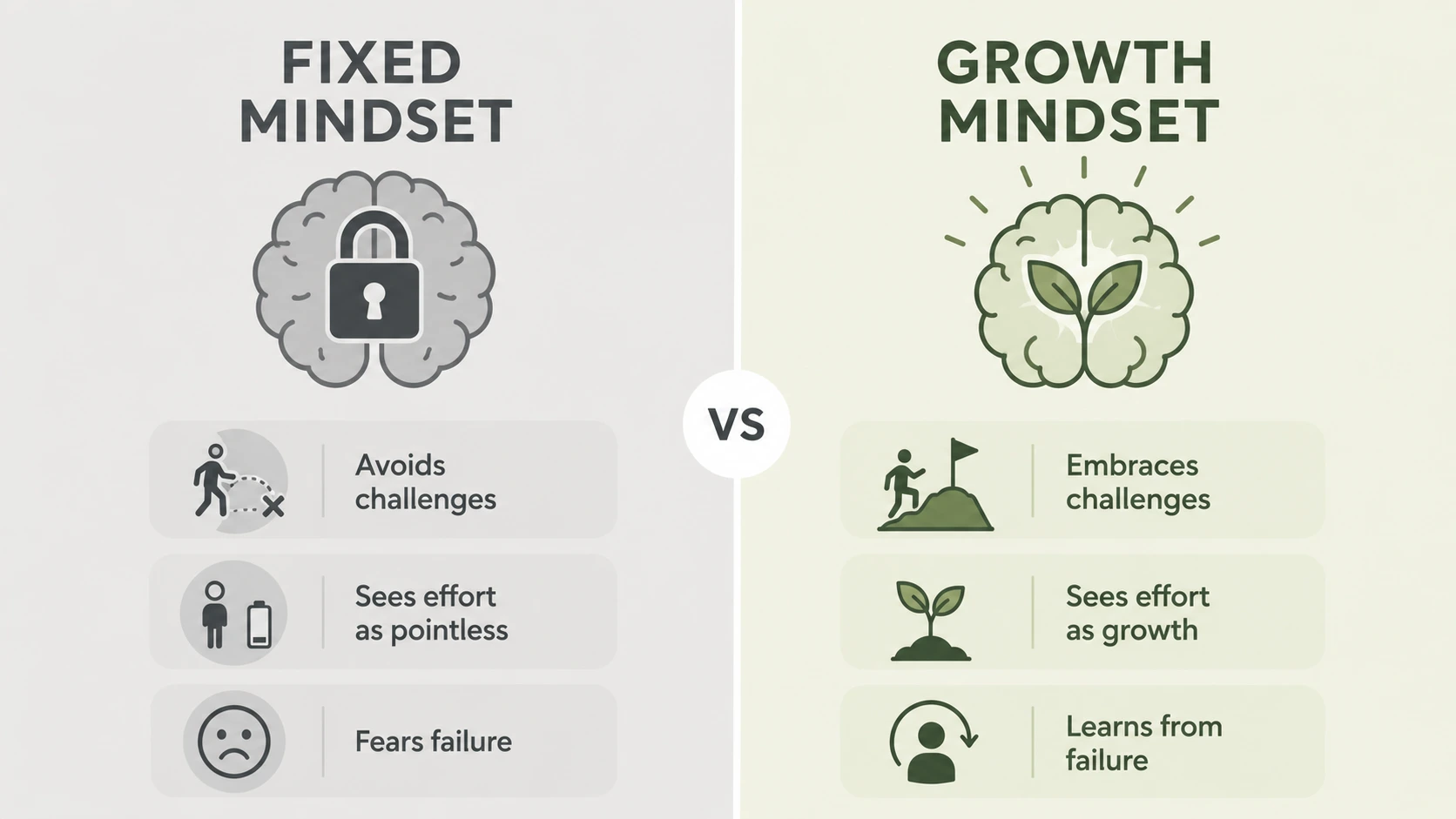
Mindset refers to the underlying set of beliefs and assumptions a person holds about their own abilities, potential, and circumstances. Psychologist Carol Dweck’s research popularized the distinction between a fixed mindset, the belief that intelligence and talent are static traits, and a growth mindset, the belief that abilities can be developed through effort and learning. Books to change mindset and books on mindset and success typically work by directly challenging fixed beliefs and replacing them with evidence-based growth-oriented thinking patterns.
Cognitive patterns are the recurring mental shortcuts a person uses to interpret events. Because these patterns often operate automatically, reading is one of the most accessible tools for surfacing and revising them, since a well-structured book slows down thinking long enough for a reader to notice a pattern and consider an alternative.
Why Reading Changes Thinking
Reading changes thinking because the brain remains adaptable throughout life, a property known as neuroplasticity. Repeated exposure to new ideas, frameworks, and language can strengthen new neural pathways while weakening reliance on old, less useful ones. Several mechanisms explain why this happens: This is closely tied to broader strategies for how to change your thoughts, which rely on the same neuroplastic principles that make mindset books effective.
- Learning through stories: Narratives activate emotional engagement, which improves memory retention of the lessons embedded in them.
- Behavioral psychology: Many mindset books draw on established behavioral science to explain why certain habits form and how they can be redirected.
- Habit formation: Books that outline small, repeatable actions help translate abstract mindset shifts into concrete daily behavior.
- Long-term perspective shifts: Sustained reading over months, rather than a single book, tends to produce the most durable changes in outlook.
Benefits of Reading Books That Change Your Mindset
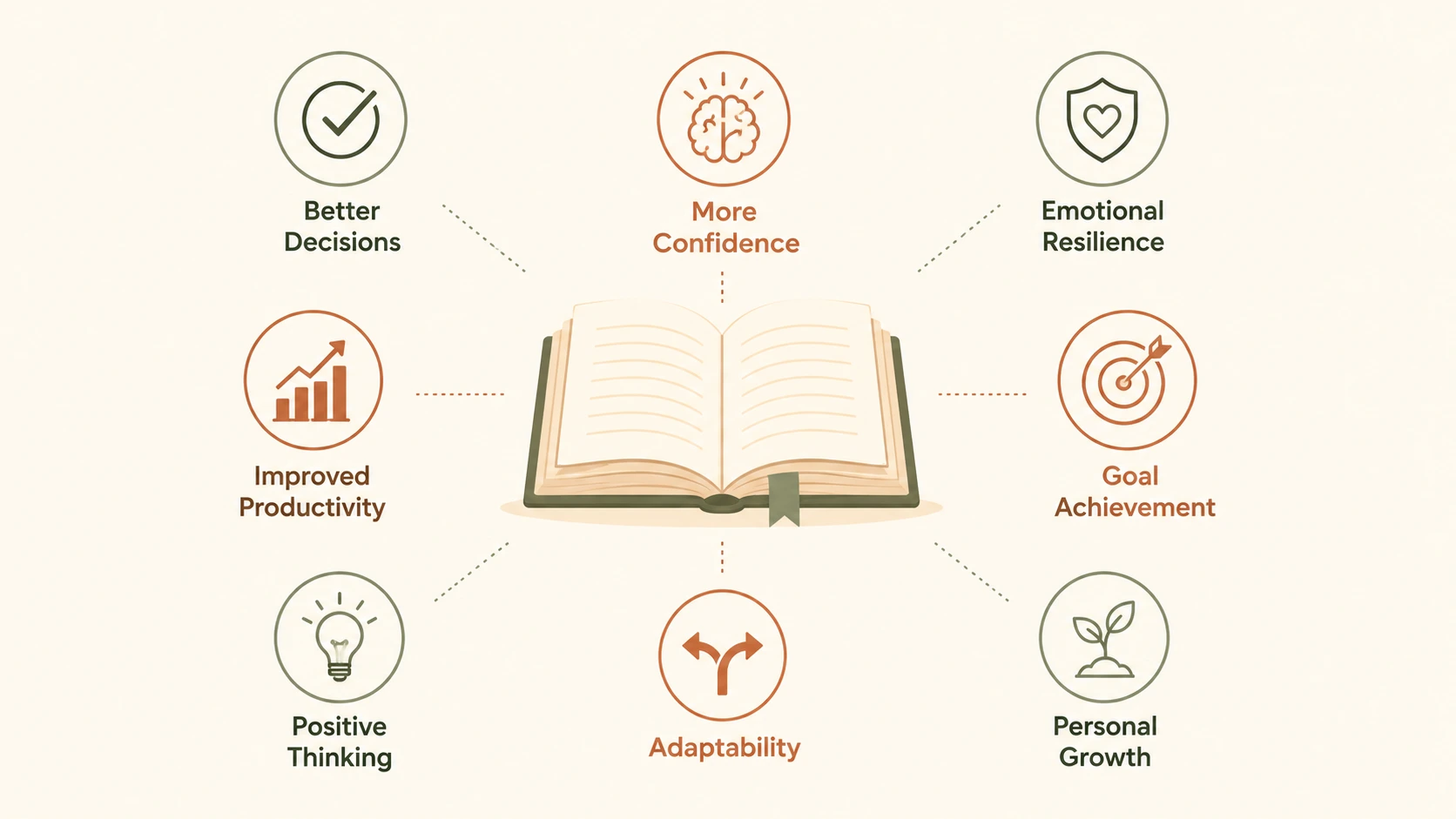
Books to read to change your mindset offer benefits that extend beyond motivation. In our experience helping readers build better habits, the effects tend to compound gradually rather than appearing overnight. Books to read to change mindset commonly deliver the following benefits:
- Better decision-making through clearer mental frameworks
- Increased confidence from understanding personal strengths and growth areas
- Emotional resilience built through exposure to coping strategies and reframing techniques
- Improved productivity via structured habit and goal-setting systems
- Goal achievement supported by proven planning methods
- Positive thinking cultivated through repeated exposure to constructive framing
- Adaptability strengthened by learning how others navigated change
- Personal growth across career, relationships, and self-awareness
Types of Mindset Books and Who They Help
Self-Help Books
Self-help books to change mindset focus on action-oriented advice, offering concrete steps for habit formation, motivation, and personal responsibility. The best self help books to change mindset typically combine a clear framework with exercises that push readers toward immediate application rather than passive reading.
Psychology Books
Psychology books to change mindset are grounded in scientific research on behavior. They typically cover cognitive biases, emotional regulation, and mental models, giving readers a research-based explanation for why certain thought patterns persist and how they can be interrupted.
Books on Mindset and Success
Books on mindset and success emphasize principles like long-term thinking, discipline, leadership, and performance psychology. These titles are often written by or about high performers and focus on the mental habits that separate consistent achievers from those who struggle with follow-through.
Fiction Books That Inspire New Perspectives
Fiction books to change mindset work differently than non-fiction. Rather than presenting direct instructions, they build empathy and perspective through character growth and storytelling, allowing readers to internalize lessons about resilience, ambition, or change indirectly through narrative.
Best Categories of Books to Change Your Mindset
The best books to change mindset are usually organized around a specific purpose rather than a single universal list. The best books to change your mindset, good books to change mindset, and must read books to change mindset generally fall into these categories:
- Personal growth
- Success
- Money mindset
- Confidence
- Relationships
- Productivity
- Emotional intelligence
- Leadership
Choosing from the category that matches a current life goal produces more relevant and actionable results than reading broadly without a target outcome.
Books That Help Build a Success Mindset
Books on mindset and success share several defining characteristics. They typically emphasize:
- Goal setting using specific, measurable frameworks
- Discipline as a trainable skill rather than a fixed trait
- Consistency over short bursts of motivation
- Resilience in the face of setbacks and failure
- Long-term thinking that prioritizes sustainable progress over quick wins
These books are especially useful for readers focused on career advancement, entrepreneurship, or performance-driven goals. Readers who struggle to stay consistent may also benefit from learning how to build discipline without motivation, since success-mindset books often assume a baseline of self-discipline that not everyone starts with.
Books That Help Improve Your Money Mindset
Books to change mindset about money address the psychological beliefs that shape financial behavior. Common themes include:
- Financial beliefs formed early in life, often inherited from family attitudes toward money
- Scarcity vs. abundance mindset, or the difference between fear-based and opportunity-based financial thinking
- Wealth psychology, including how emotions influence spending, saving, and investing decisions
- Financial habits, such as budgeting consistency and long-term planning
Because financial behavior is heavily influenced by belief systems formed in childhood, money mindset books often start by identifying and challenging those inherited assumptions.
Fiction vs. Non-Fiction Mindset Books
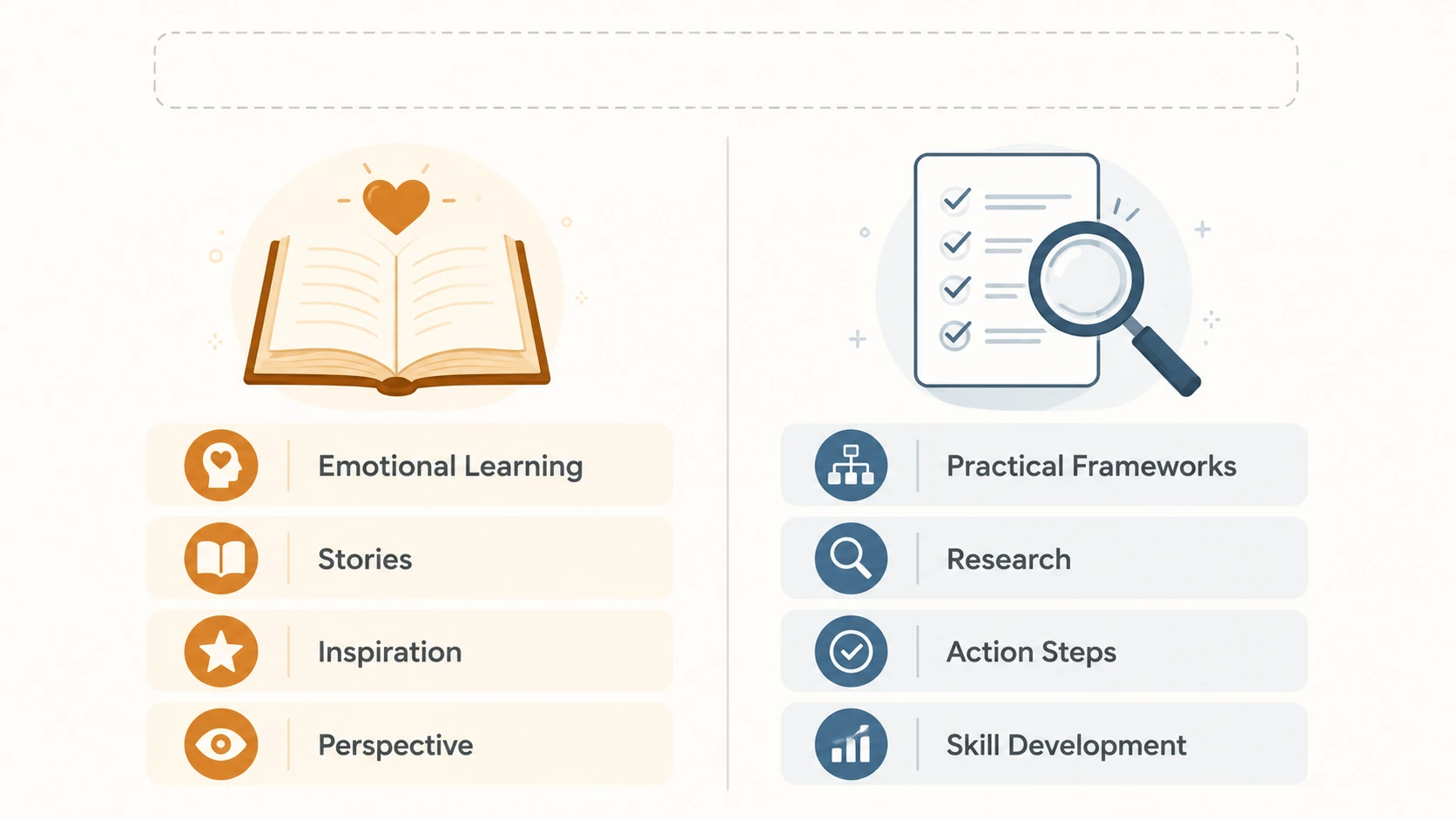
Fiction books to change mindset and non-fiction books to change mindset both influence thinking, but they work through different mechanisms.
| Fiction | Non-Fiction |
|---|---|
| Emotional learning | Practical frameworks |
| Stories | Research |
| Inspiration | Action steps |
| Perspective | Skill development |
Non-fiction tends to deliver faster, more directly applicable guidance, while fiction builds slower, deeper shifts in empathy and perspective. A balanced reading approach often includes both.
Choosing the Right Mindset Book for Your Goals
Beginners
Readers new to mindset-focused reading benefit most from approachable, concise books that introduce one core concept clearly rather than dense, research-heavy texts that can feel overwhelming.
Adults Seeking Personal Growth
Books to change mindset for adults and adult books to change mindset often address career pressure, family responsibilities, confidence, and stress management. These readers typically benefit from books that acknowledge competing life demands rather than assuming unlimited free time for reflection.
Children and Young Readers
Kids’ books to change mindset introduce age-appropriate lessons about resilience and curiosity. Early exposure to growth-oriented thinking through simple, relatable stories can help build a foundation for handling setbacks and embracing learning later in life.
Common Traits Found in Great Mindset Books
The strongest mindset books tend to share several qualities:
- Practical exercises readers can apply immediately
- Scientific evidence supporting the core claims
- Real-life examples that illustrate abstract concepts
- Reflection prompts that encourage self-assessment
- Clear action plans rather than vague advice
- Clear, accessible writing
- Memorable stories that reinforce key lessons
How to Read Mindset Books for Lasting Change
Read With Intention
Active reading means approaching a book with a specific question or goal in mind, rather than passively consuming chapters without a clear purpose.
Take Notes
Writing down key ideas improves retention and makes it easier to revisit and apply lessons later, rather than relying on memory alone.
Apply One Lesson at a Time
Implementation matters more than consumption. Focusing on a single actionable lesson before moving to the next prevents the common trap of collecting ideas without ever putting them into practice.
Review Regularly
Spaced repetition, or reviewing material at increasing intervals, strengthens long-term retention and helps convert temporary insight into lasting behavioral change.
Common Mistakes People Make When Reading Self-Improvement Books
| Mistake | Why It Happens | How to Fix and Prevent It |
|---|---|---|
| Reading without action | Consumption feels productive on its own | Set one implementation goal per book |
| Consuming too many books | Motivation-seeking replaces application | Limit to one active book at a time |
| Chasing motivation | Motivation feels good but fades quickly | Build systems that don’t depend on motivation |
| Ignoring consistency | Progress feels slow, so effort drops off | Track small daily actions instead of outcomes |
| Unrealistic expectations | Books can overstate speed of results | Expect gradual, compounding change |
Beginner Tips That Most Articles Miss
Your Daily Thrive recommends the following practices, which are often overlooked in standard mindset-book guides: Pairing daily reading with growth mindset affirmations can reinforce lessons between reading sessions.
- Reading fewer books more deeply instead of maximizing volume
- Journaling after each chapter to capture immediate reactions
- Building habits gradually rather than overhauling routines all at once
- Discussing ideas with others to reinforce understanding
- Revisiting favorite books annually as perspective shifts with experience
- Measuring behavioral change instead of pages read
Different Approaches to Developing a Better Mindset
Reading is one of several effective methods for mindset development, and each approach serves a slightly different purpose.
| Method | Best For |
|---|---|
| Books | Deep, self-paced learning |
| Courses | Structured, sequential learning |
| Coaching | Personalized guidance and accountability |
| Journaling | Reflection and self-awareness |
| Meditation | Present-moment awareness |
| Podcasts | Ongoing, passive learning |
Combining books with one or two complementary methods, such as journaling or coaching, often produces stronger results than relying on reading alone.
Difficulty & Time Investment
Reading mindset books is a beginner-friendly practice that requires no special equipment or prior training. Typical reading commitment ranges from 15 to 30 minutes per day, though frequency matters more than session length. As of mid-2026, many readers favor shorter, more frequent sessions supported by note-taking apps over long, infrequent reading blocks. Consistency over speed remains the primary factor in outcomes: a reader who finishes one book slowly while applying its lessons will typically see more change than one who rushes through several books without reflection. Lifestyle considerations, such as work schedule and family responsibilities, should guide how reading time is structured, and readers should balance time spent reading with time spent implementing what they learn.
Results Timeline
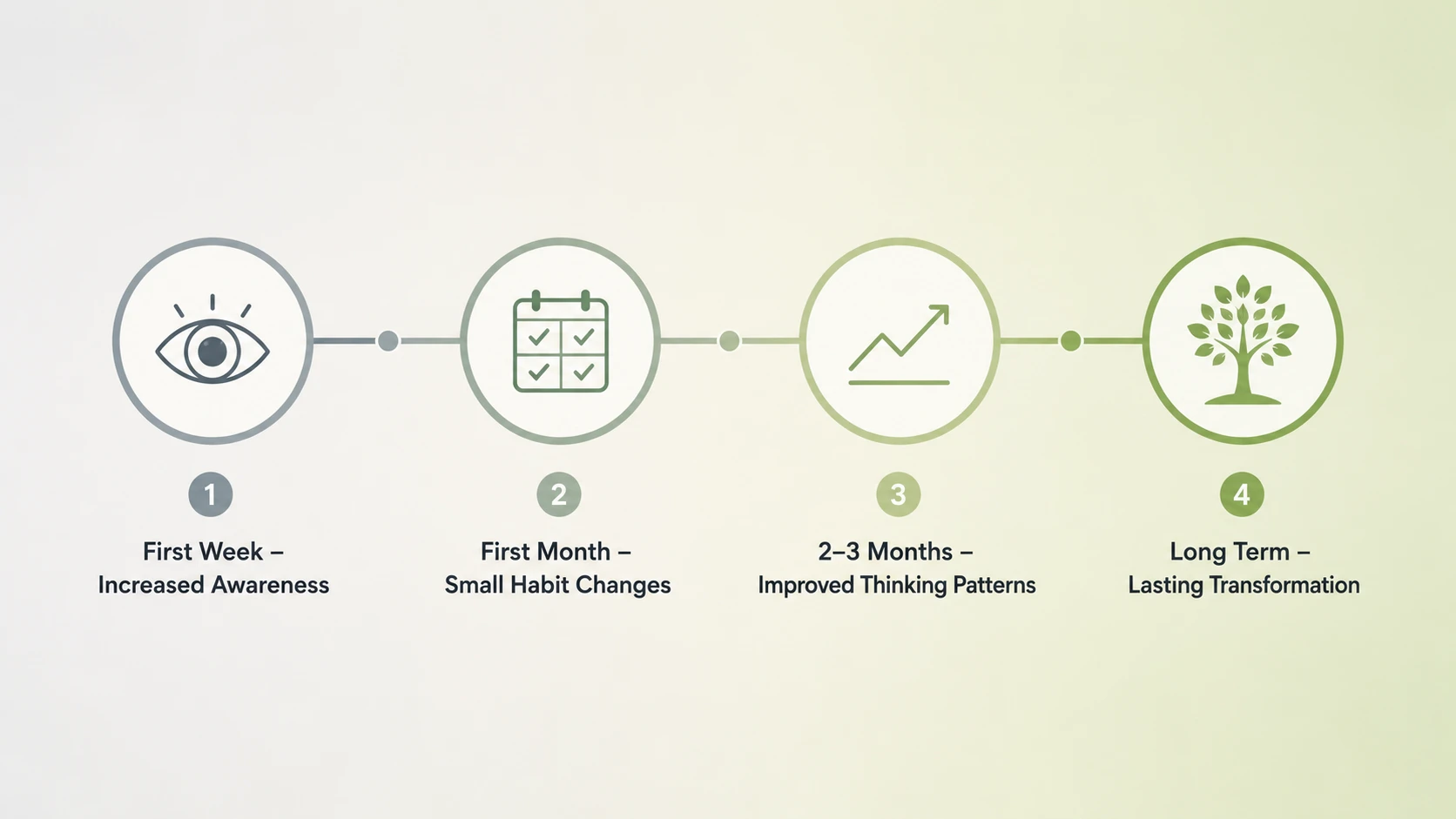
Mindset change through reading tends to follow a gradual pattern rather than a sudden shift.
| Time | Typical Changes |
|---|---|
| First week | Increased awareness of existing thought patterns |
| First month | Small, noticeable habit changes |
| 2–3 months | Improved and more consistent thinking patterns |
| Long term | Lasting mindset transformation |
Several factors influence this pace, including how consistently a reader applies lessons, the complexity of the beliefs being addressed, and external circumstances such as stress levels or major life changes.
Practical Guide to Applying Lessons From Mindset Books
Turning insights into lasting change requires a structured approach:
- Daily reading routine: A short, consistent reading habit builds momentum over time.
- Weekly review: Revisiting notes and key takeaways reinforces retention.
- Goal tracking: Recording progress toward specific, book-inspired goals keeps application visible.
- Habit stacking: Attaching a new mindset practice to an existing routine increases follow-through.
- Accountability: Sharing goals with another person or group increases consistency.
- Reflection journal: Regularly writing about applied lessons deepens understanding.
- Long-term sustainability: Adjusting practices as life circumstances change keeps the habit realistic.
- Adjustments for different schedules: Busy periods may call for shorter sessions rather than skipped ones entirely.
Conclusion
Books to change mindset offer one of the most accessible and evidence-supported paths toward better decision-making, emotional resilience, and long-term personal growth. Because different books serve different goals, choosing titles based on a specific objective, whether that is building confidence, improving a money mindset, or developing a success-oriented outlook, produces stronger results than selecting books based on popularity alone. Fiction and non-fiction both contribute to mindset change, but through different mechanisms, and combining reading with note-taking, reflection, and consistent application converts temporary insight into lasting behavioral change. The clearest takeaway is this: the right mindset book, read with intention and applied consistently, can meaningfully reshape how a person thinks, decides, and grows over time.
Frequently Asked Questions
What are the best books to change mindset?
The best books to change mindset are those matched to a specific goal, such as building confidence, improving discipline, or developing a healthier money mindset, rather than a single universal list, since different categories of books serve different personal growth objectives.
Can books really change your mindset?
Yes, books can change mindset by introducing new mental models and challenging existing beliefs, a process supported by neuroplasticity, though lasting change typically requires consistent application rather than reading alone.
Are fiction books effective for mindset development?
Fiction books can be effective for mindset development because they build empathy and perspective through storytelling and character growth, complementing the direct, action-oriented guidance found in non-fiction titles.
Which mindset books are best for adults?
The best mindset books for adults typically address career pressure, confidence, family responsibilities, and stress management, since these are common challenges adults face while balancing personal growth with existing life demands.
What is the difference between psychology books and self-help books?
Psychology books explain the scientific reasoning behind behavior, covering cognitive biases and mental models, while self-help books focus on actionable, step-by-step advice for building habits and taking action.
How long does it take for mindset books to make a difference?
Mindset change typically follows a gradual timeline: increased awareness in the first week, small habit changes within a month, improved thinking patterns within two to three months, and lasting transformation over the long term.
Should I read multiple mindset books at the same time?
Reading one mindset book at a time is generally more effective than reading several simultaneously, since focused application of a single book’s lessons produces stronger, more consistent behavioral change than spreading attention across multiple titles.