
Introduction
Feeling “I hate my mom” can be intense, confusing, and often filled with guilt. In most cases, this feeling isn’t true hatred—it’s a signal of deeper emotional conflict, unmet needs, or unresolved tension in the relationship. Many people who think “I think I hate my mom” or even “I really hate my mom” are reacting to repeated frustration, not permanent emotion. Understanding the root causes helps you respond in a healthier, more constructive way instead of reacting impulsively. This article breaks down what these feelings actually mean and how to manage them with clarity and control.
Quick Summary
- Feeling like you hate your mom often comes from unresolved emotional pain, not actual hatred
- Common causes include conflict, lack of understanding, control issues, or past experiences
- You can improve the situation through boundaries, communication, and emotional awareness
- Managing your reaction matters more than trying to “fix” your mom
What Does “I Hate My Mom” Really Mean Emotionally?
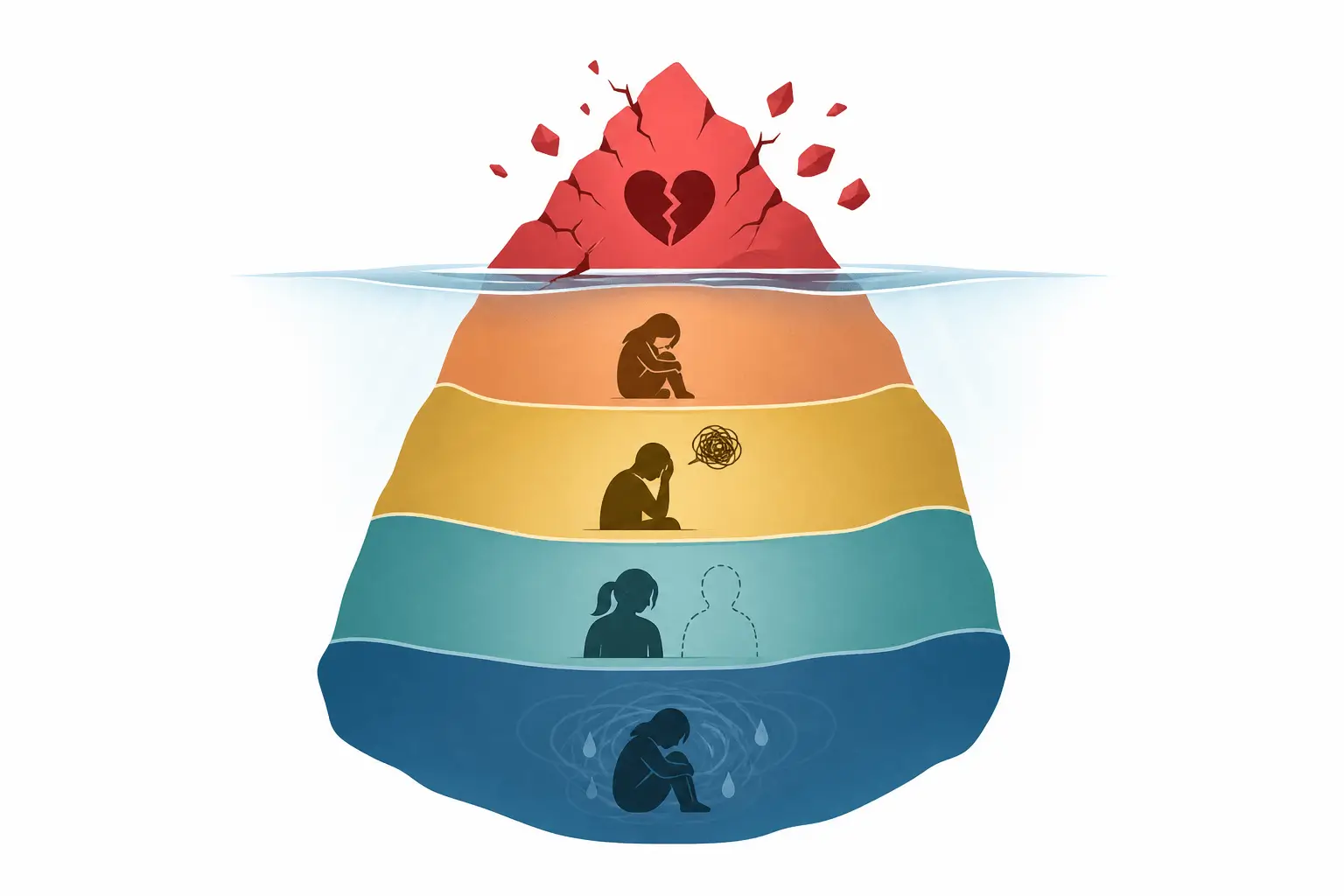
“I hate my mom” usually means you are experiencing strong emotional discomfort—not true hatred. It reflects frustration, resentment, or emotional overload rather than a stable belief.
In many cases:
- “Hate” is a simplified label for complex emotions
- The brain uses extreme language when overwhelmed
- Emotional intensity is temporary, not permanent
“Hate” often masks:
- Hurt
- Disappointment
- Feeling misunderstood
- Lack of emotional safety
When someone says “I think I hate my mom” or “I really hate my mom,” they are often struggling to identify the exact emotion. This is known as emotional mislabeling, where unclear feelings get expressed as extreme statements.
Why Do I Hate My Mom? Common Psychological Causes
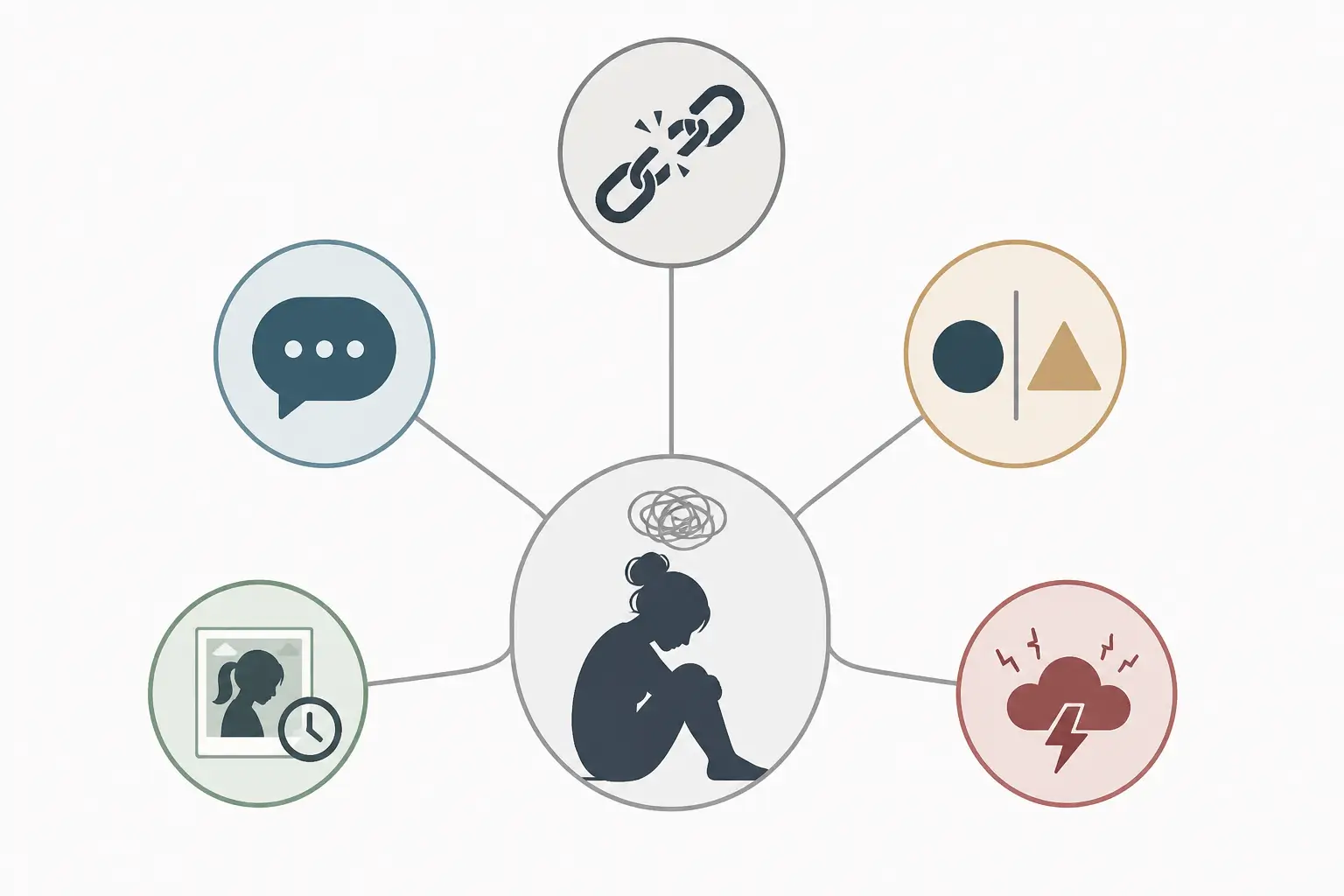
If you’re asking “why do I hate my mom,” “why do I hate my mom so much,” or even “why do I hate my mom for no reason,” there are usually identifiable causes behind the feeling.
Common Causes
1. Control and Lack of Independence
- Feeling micromanaged → triggers resistance
- Limits autonomy → creates frustration
2. Emotional Invalidation
- Not being heard → builds resentment
- Feelings dismissed → reduces trust
3. Unresolved Past Experiences
- Childhood conflicts
- Lingering emotional wounds
4. Personality Differences
- Different values or communication styles
- Misalignment leads to repeated conflict
5. Stress Displacement
- External stress redirected toward a close relationship
- Familiar people become emotional outlets
Cause-effect pattern:
Unmet emotional needs → repeated frustration → emotional buildup → “I hate my mom” response
Why It Feels Like Your Mom Hates You
If you’re wondering “why does my mom hate me” or “why does my mother hate me,” the feeling is often based on perception rather than reality.
Key Insights
- Criticism can feel like rejection
- Strict behavior may be interpreted as lack of love
- Emotional distance may come from parental stress or burnout
Parents sometimes express care through:
- Control
- Pressure
- High expectations
This creates a mismatch between intention and perception. In emotionally charged situations, the brain assumes negative intent even when it’s not accurate.
Love vs Frustration: “I Love My Mom But I Can’t Stand Her”
You can love someone deeply and still feel overwhelmed by them. These emotions can coexist.
| Emotion Type | Characteristics | Outcome |
|---|---|---|
| Love | Care, attachment, concern | Long-term bond |
| Frustration | Anger, irritation, resentment | Short-term emotional reaction |
Key takeaway:
Emotional conflict does not cancel out love—it reflects temporary overload within a meaningful relationship.
What to Do If You Hate Your Mom
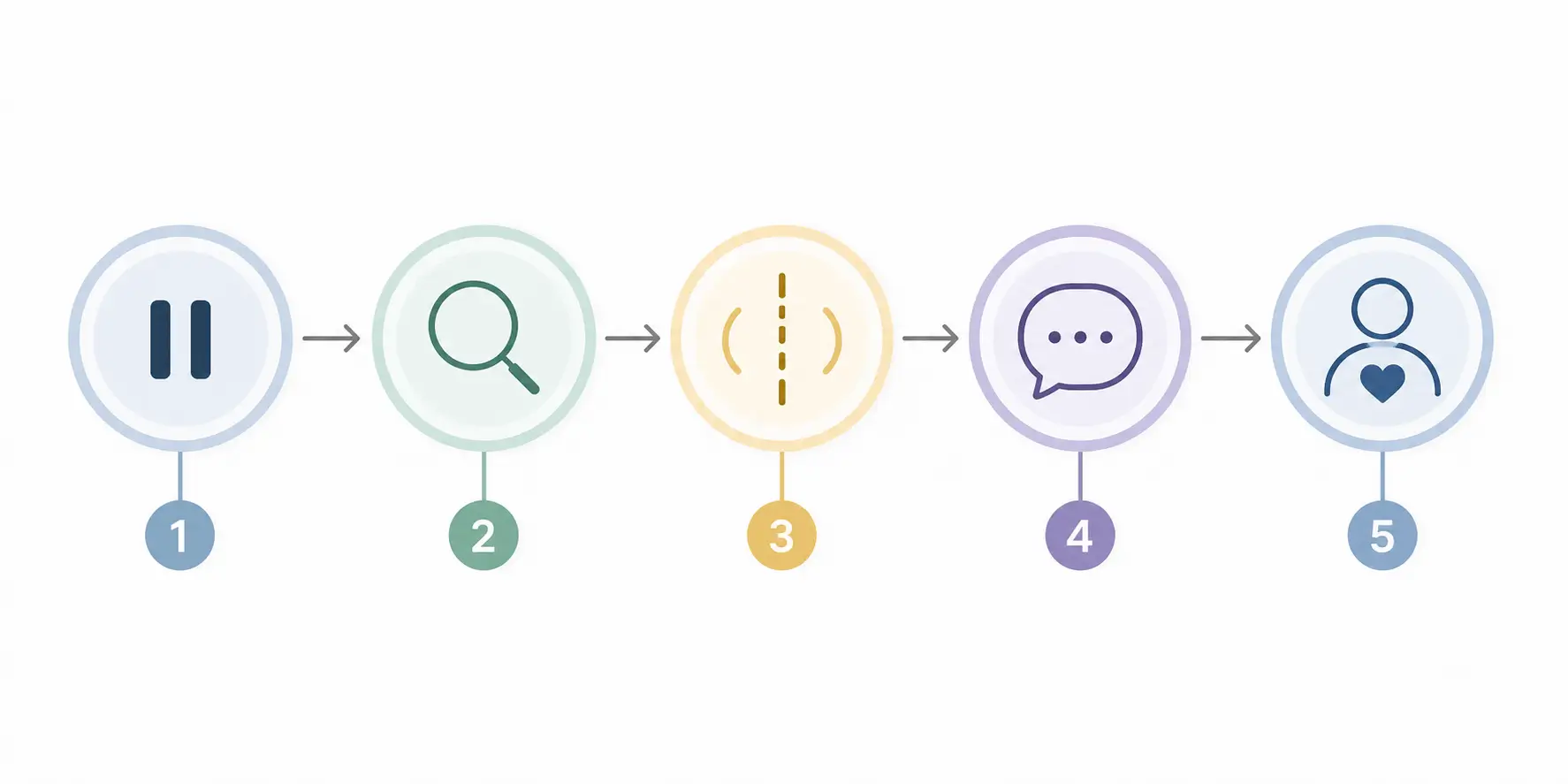
If you’re asking “I hate my mom what should I do,” the solution is not to eliminate the feeling instantly, but to manage your response effectively.
A practical way to stay grounded is to focus on what you can control, especially your reactions and behavior during conflict.
Step-by-Step Response Strategy
Step 1: Pause emotional reactions
- Avoid responding during peak anger
Step 2: Identify the real issue
- What specifically triggered the feeling?
Step 3: Set small boundaries
- Limit exposure to repeated triggers
Step 4: Communicate clearly (if safe)
- Use calm and specific language
Step 5: Focus on your behavior
- You control your response, not her actions
When Feelings Become Intense: “I Hate My Mom So Much What Should I Do?”
If emotions feel overwhelming, immediate regulation is necessary.
Journal your thoughts instead of reacting, and if you’re unsure how to start, learning how to journal for self-growth can help you process emotions more clearly.
Techniques
- Create temporary distance (physical or emotional)
- Write thoughts instead of reacting
- Use emotional labeling: “I feel hurt,” not “I hate”
- Talk to a trusted person
These strategies reduce emotional intensity and prevent escalation.
Mental & Behavioral Factors Behind Strong Reactions
In some cases, emotional overwhelm can feel so intense that it creates confusion or distress, similar to the experience described in why do i feel like I’m losing my mind.
Common Barriers
- Emotional reactivity
- Identity conflict (developing independence)
- Unrealistic expectations of parents
- Accumulated resentment over time
Behavioral insight:
Repeated negative interactions strengthen emotional patterns, making reactions faster and more intense over time.
Common Mistakes That Make the Situation Worse
| Mistake | Impact | Solution |
|---|---|---|
| Reacting impulsively | Escalates conflict | Pause before responding |
| Expecting immediate change | Leads to frustration | Focus on gradual improvement |
| Suppressing emotions | Causes emotional outbursts | Process feelings regularly |
| Comparing relationships | Creates unrealistic expectations | Focus on your situation |
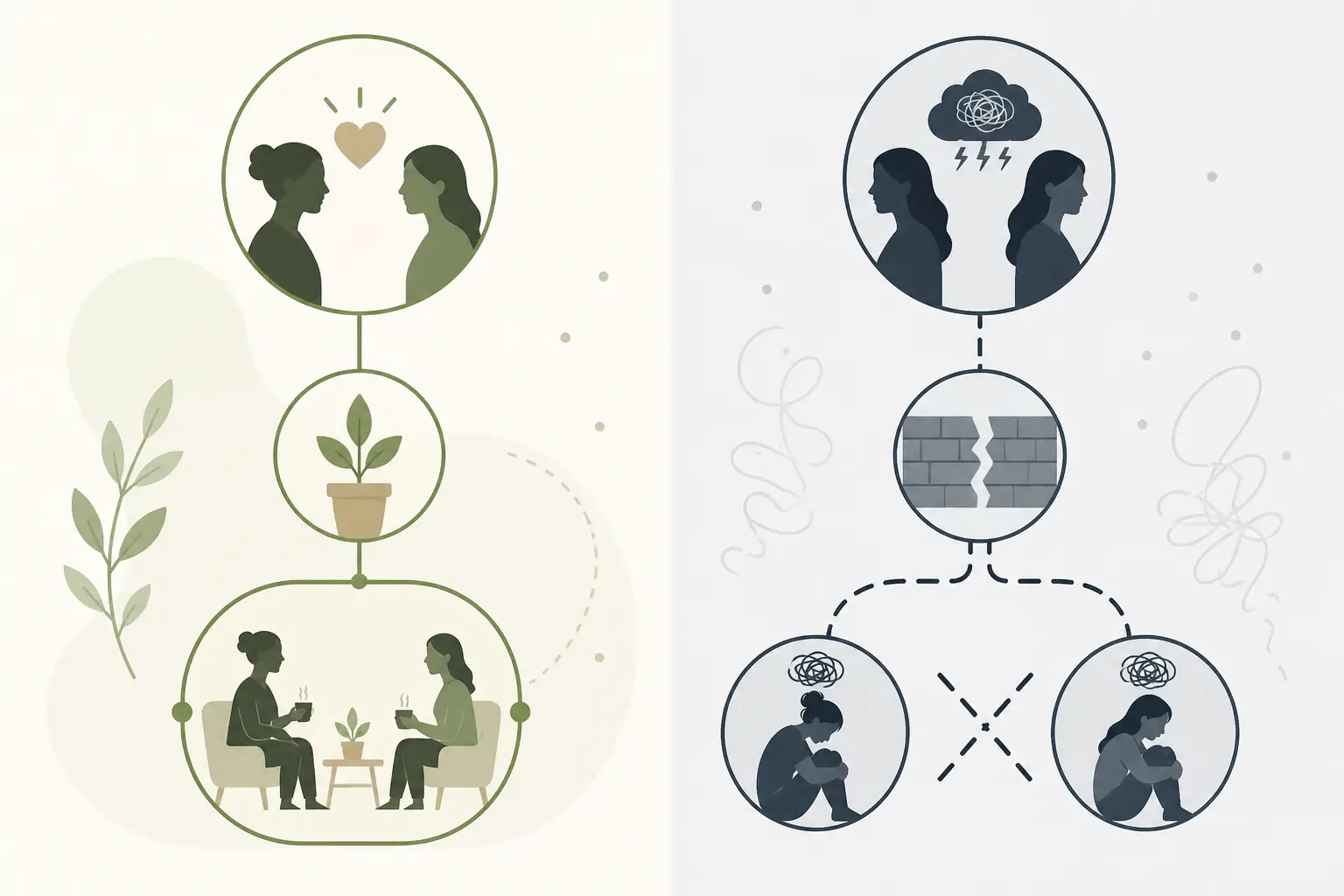
Healthy Boundaries vs Emotional Distance
| Approach | Description | Result |
|---|---|---|
| Healthy Boundaries | Clear limits with respect | Better long-term relationship |
| Avoidance | Ignoring or withdrawing completely | Temporary relief, long-term tension |
Key insight:
Boundaries manage interaction. Avoidance delays problems.
Real-Life Scenarios and Applications
Teenager Feeling Controlled
- Problem: Lack of independence
- Solution: Gradually negotiate autonomy
Adult Child Facing Criticism
- Problem: Emotional frustration
- Solution: Reduce emotional engagement
Grief-Related Tension
- Problem: Shared emotional stress (e.g., after loss)
- Solution: Recognize emotional amplification
How to Improve the Relationship (If You Want To)
Strategies
- Adjust expectations
- Focus on small improvements
- Recognize generational differences
- Build emotional detachment where necessary
Improvement is optional, not mandatory. The priority is emotional stability.
When to Seek Outside Help
Consider support if:
- Conflict becomes toxic or abusive
- Emotions feel uncontrollable
- The relationship impacts your mental health
Professional guidance can provide structure and clarity in complex situations.
Conclusion
Feeling like you hate your mom is usually a sign of deeper emotional conflict—not actual hatred. By understanding the root causes, managing your reactions, and setting healthy boundaries, you can reduce emotional intensity and make more intentional decisions about your relationship. The focus is not on changing your mom, but on improving your emotional awareness and control. Clarity leads to better choices, even in difficult relationships.
FAQs
1. Why do I feel like I hate my mom for no reason?
There is usually an underlying cause such as stress, unmet emotional needs, or unresolved frustration. The reason may not be obvious but still exists.
2. Is it normal to feel like I hate my mom sometimes?
Yes. Strong emotions toward close family members are common, especially during conflict, growth phases, or life changes.
3. What should I do when I feel overwhelming anger toward my mom?
Pause, create distance, and process your emotions before reacting. This prevents escalation and improves clarity.
4. Can a relationship with my mom improve over time?
Yes. Improvement is possible with better communication, boundaries, and realistic expectations.
5. What if my mom actually treats me badly?
Focus on protecting your mental health. Set firm boundaries and seek external support if necessary.
6. How can I stay calm during arguments with my mom?
You can stay calm by pausing before responding, lowering your tone, and focusing on understanding rather than reacting. Taking short breaks during heated moments and practicing emotional labeling can prevent escalation and help you respond more thoughtfully.
7. Why do small things my mom does annoy me so much?
Small behaviors often trigger strong reactions because of accumulated frustration or unresolved issues. When emotions build over time, even minor actions can feel overwhelming. The reaction is usually about deeper patterns, not the specific situation.