
Table of Contents
ToggleIntroduction
Best ways to achieve personal growth are practical habits, mindset shifts, and life systems that help a person improve emotional well-being, health, discipline, relationships, confidence, and long-term direction. Personal growth is not about becoming perfect; it is about making consistent choices that help you live a better life, build self-awareness, and create a healthier, happier daily routine.
Personal growth works best when it combines clear goals, small habits, emotional regulation, healthy living, and reflection. Instead of relying only on motivation, sustainable self growth depends on systems, identity, discipline, and realistic behavior change.
Quick Summary
- Personal growth means improving your mindset, habits, health, relationships, and daily decisions over time.
- The best personal growth strategies are small, consistent, realistic, and connected to your values.
- A better life is built through healthy routines, self-awareness, emotional control, and long-term discipline.
- People often struggle because they rely on motivation instead of systems, habits, and identity-based change.
- Sustainable growth comes from repeated actions, not extreme routines or temporary inspiration.
What Is Personal Growth?
Personal growth is the continuous process of improving how you think, act, respond, and live. It includes self-awareness, behavior change, emotional maturity, healthier routines, better relationships, and practical decisions that help you create a good life.
Personal growth is not limited to career success or external achievement. It also includes how calmly you respond under stress, how honestly you reflect on your behavior, how well you protect your health, and how consistently you make choices that match your values.
Self growth begins with awareness, but awareness alone is not enough. A person may understand their weaknesses and still repeat the same habits. Real growth happens when awareness turns into action.
Personal growth is also closely connected to learning how to become best version of yourself, because both focus on improving your habits, mindset, decisions, and daily behavior over time.
Personal growth includes:
- Mental improvement, such as better thinking patterns and decision-making
- Emotional improvement, such as managing stress, fear, anger, and self-doubt
- Physical improvement, such as sleep, movement, nutrition, and energy management
- Social improvement, such as communication, boundaries, and healthier relationships
- Practical improvement, such as time management, discipline, routines, and goal setting
The live a better life meaning is not about having a perfect life. It means building a life with more clarity, stability, health, purpose, and self-respect.
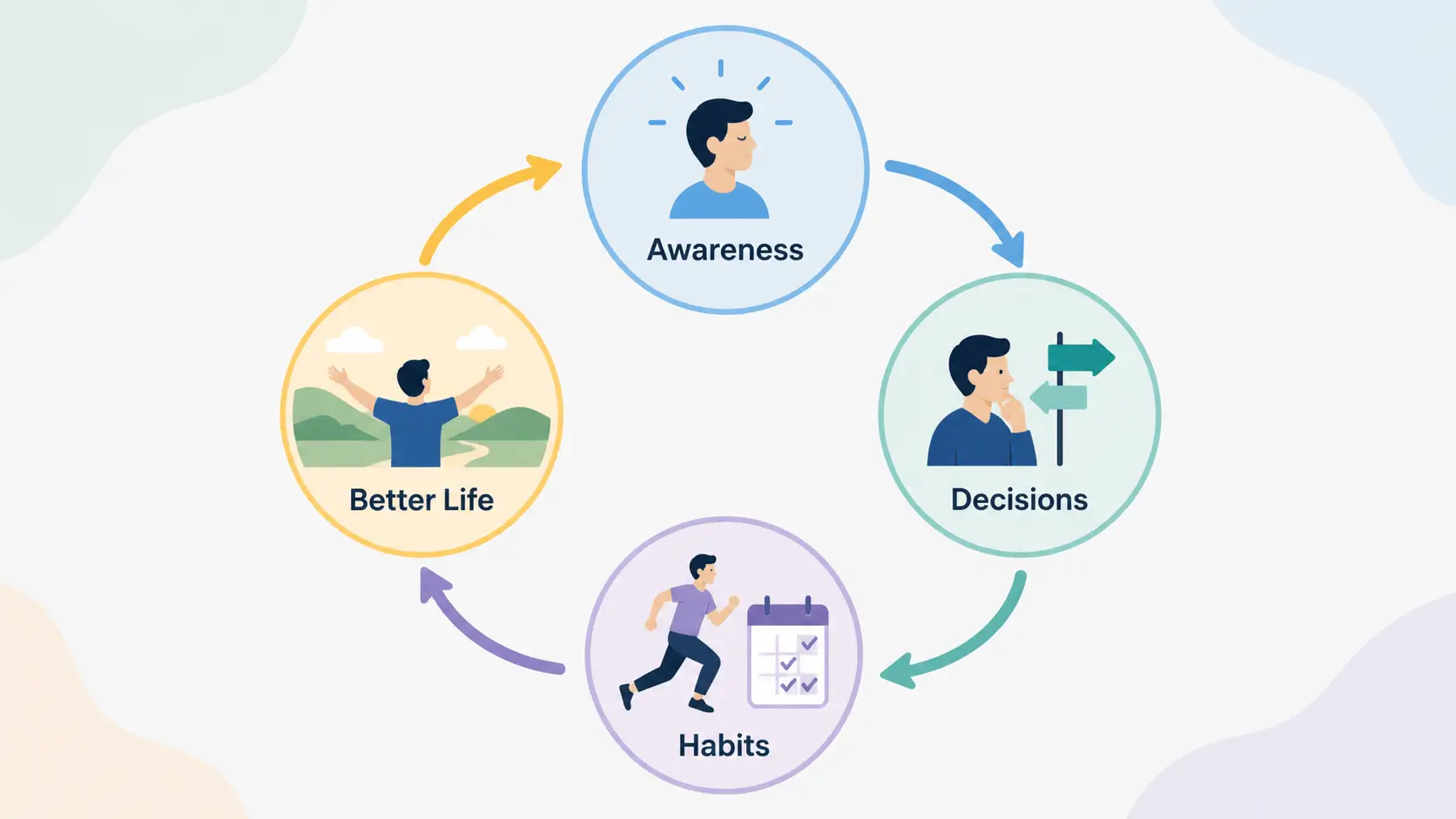
Personal growth happens when you repeatedly make choices that align with the person you want to become. This creates a cause-effect loop: better awareness leads to better decisions, better decisions create better habits, and better habits shape a better life.
Why Personal Growth Matters for Living a Better Life
Personal growth matters because living a better life depends on the quality of your daily choices. When you improve your habits, emotional control, health, mindset, and relationships, you create more stability and direction in your life.
Many people ask how to have a better life or how to have a good life, but the answer is usually not one major breakthrough. It is the repeated practice of small behaviors that reduce chaos and increase control.
Personal growth supports:
- Better decision-making
- More emotional stability
- Healthier relationships
- Improved confidence
- Better time management
- More purpose and direction
Personal growth helps you:
- Respond instead of react
- Choose long-term benefits over short-term comfort
- Build routines that support mental and physical health
- Reduce repeated mistakes by learning from them
- Create a good life through intentional daily actions
People often believe a better life comes from dramatic transformation. In reality, most life improvement comes from small repeated actions: sleeping earlier, planning the day, communicating honestly, exercising regularly, managing emotions, and choosing priorities before distractions.
Living a better life becomes easier when your actions are aligned with your values. Without that alignment, even success can feel empty. With alignment, progress feels meaningful because your daily routine supports who you want to become.
Best Ways to Achieve Personal Growth in Daily Life
The best ways to achieve personal growth in daily life are to build self-awareness, set meaningful goals, create small habits, improve your environment, and repeat realistic actions consistently. These personal growth tips work because they focus on behavior change instead of temporary motivation.
Strong personal growth strategies are practical. They do not require perfect discipline, unlimited time, or a completely new lifestyle. They help you make better choices inside your real life.
Build Self-Awareness Before Changing Habits
Building self-awareness means noticing your thoughts, emotions, triggers, and repeated behaviors before trying to change them. This matters because many habits are driven by hidden patterns rather than simple laziness.
For example, procrastination may come from fear of failure. Overeating may come from stress. Avoiding difficult conversations may come from fear of conflict. Without awareness, people try to fix symptoms instead of changing patterns.
Ask yourself: “What pattern keeps repeating in my life?”
Action steps:
- Journal for 5 minutes daily
If you are unsure where to begin, learning how to journal for self-growth can help you track emotions, notice repeated patterns, and understand what needs to change.
- Review emotional triggers weekly
- Identify one behavior you want to improve
- Ask what need, fear, or belief drives that behavior
Self-awareness reveals the real cause of behavior. When you understand the cause, you can choose a better response instead of repeating the same reaction.
Set Clear Goals That Match Your Values
Clear goals help personal growth because they give your effort direction. Goals should be specific, realistic, and personally meaningful. If a goal does not connect to your values, it becomes harder to sustain when motivation drops.
A goal like “be healthier” is too vague. A clearer goal is “walk for 10 minutes after lunch five days a week.” A meaningful reason could be “I want more energy and better emotional stability.”
Growth goals should improve life quality, not only productivity. A better goal is not always about doing more. Sometimes it is about sleeping better, setting boundaries, reducing stress, or strengthening relationships.
Action steps:
- Choose one personal growth area at a time
- Define the outcome clearly
- Connect it to a deeper reason
- Break it into weekly actions
Values make goals easier to continue because they remind you why the effort matters.
Create Small Habits Instead of Relying on Motivation
Small habits work better than motivation because motivation changes daily. Some days you feel focused. Other days you feel tired, distracted, or emotionally low. Habits reduce the need for willpower because they make useful behavior automatic.
A small habit is easier to repeat. Repetition builds identity. When you consistently complete small actions, you begin to see yourself as someone who follows through.
Action steps:
- Start with a habit that takes 2–5 minutes
- Attach it to an existing routine
- Track consistency, not perfection
- Increase difficulty only after the habit feels natural
Examples include reading one page, walking for five minutes, writing one sentence in a journal, or preparing tomorrow’s clothes before bed. These actions seem small, but they build the foundation for larger change.
Improve Your Environment
Your environment shapes behavior more than most people realize. If distractions are easy to access, distraction becomes more likely. If healthy choices are visible and convenient, healthy living becomes easier.
Improving your environment works because it reduces friction for good habits and adds friction to bad habits.
Examples:
- Keep healthy food visible
- Put your phone away during focused work
- Prepare workout clothes the night before
- Create a distraction-free morning routine
Environment design is powerful because it does not rely only on self-control. Instead of forcing yourself to resist temptation all day, you design your surroundings so the better choice becomes easier.
Personal Growth vs Self Growth: Is There a Difference?
Personal growth and self growth are closely related, but they are not exactly the same. Self growth usually focuses on inner development, while personal growth includes both inner change and external behavior.
| Concept | Meaning | Main Focus | Example |
|---|---|---|---|
| Personal growth | Improving your overall life, habits, mindset, health, and relationships | Whole-life improvement | Becoming more disciplined, healthier, and emotionally mature |
| Self growth | Inner development and self-improvement | Identity, awareness, confidence, mindset | Learning to manage fear, self-doubt, or limiting beliefs |
Self growth often begins with internal work: understanding your beliefs, fears, emotional patterns, and identity. Personal growth includes that inner work but also adds practical systems such as habits, routines, health behaviors, communication skills, and time management.
The key takeaway is simple: self growth helps you change who you believe you are, while personal growth helps you change how you live.
Healthy Living as a Foundation for Personal Growth
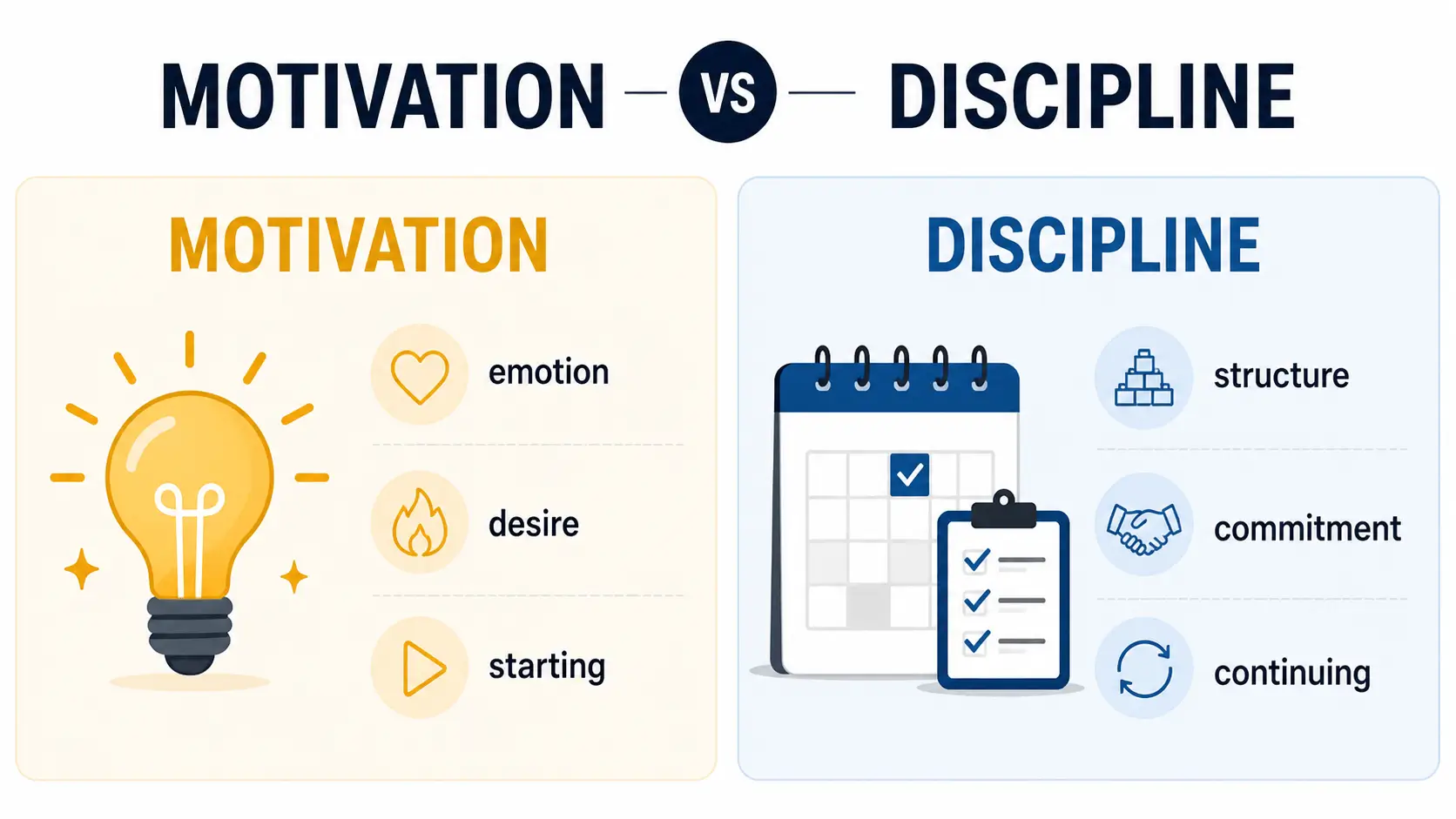
Healthy living supports personal growth because your brain and body need energy, rest, and stability to follow through on goals. It is harder to stay disciplined, emotionally regulated, and focused when you are exhausted, dehydrated, inactive, or constantly stressed.
People often ask how to live a healthier lifestyle, how to live a healthy life, or how to live healthy. The answer usually begins with basic daily habits, not extreme routines. Healthy living tips work best when they are simple enough to repeat.
A good healthy lifestyle includes sleep, nutrition, movement, hydration, stress management, rest, digital boundaries, and mental health routines.
| Healthy Lifestyle Habit | Why It Supports Personal Growth | Simple Starting Action |
|---|---|---|
| Better sleep | Improves mood, focus, discipline, and emotional control | Set a consistent bedtime |
| Daily movement | Reduces stress and builds self-trust | Walk for 10 minutes |
| Nutritious meals | Supports energy and decision-making | Add one balanced meal daily |
| Hydration | Supports focus and physical function | Drink water after waking |
| Stress breaks | Prevents burnout and emotional reactivity | Take 3 slow breaths before reacting |
| Digital boundaries | Reduces distraction and comparison | Avoid phone use for the first 30 minutes of the day |
The steps to living a healthy life do not need to be complicated. Start with one repeatable habit and let it become normal before adding more.
Examples of 10 ways to maintain a healthy lifestyle include:
- Sleep consistently
- Move daily
- Eat balanced meals
- Drink enough water
- Manage stress
- Limit digital overload
- Build supportive relationships
- Take rest seriously
- Protect mental health
- Keep routines realistic
A healthy lifestyle makes personal growth easier because your brain and body have more energy to regulate emotions, focus, and follow through.
How to Live a Better and Happier Life Through Personal Growth
You can live a better and happier life through personal growth by building habits that create alignment, emotional balance, health, purpose, and self-respect. Happiness is not constant pleasure; it is often the result of living in a way that reduces regret and supports meaning.
Many people searching for how to live better life, how to have a happier life, or living a happy life expect a simple emotional answer. But lasting happiness usually comes from practical life structure: healthy routines, meaningful relationships, gratitude, boundaries, and purposeful action.
To live a better and happier life:
- Build routines that support your energy
- Spend time with people who encourage growth
- Practice gratitude without ignoring real problems
- Set boundaries around time and emotional energy
- Choose progress over comparison
- Create meaning through contribution, learning, and responsibility
Short-term comfort and long-term fulfillment are not always the same. Scrolling for hours may feel comfortable now but create regret later. Exercising, journaling, or having a difficult conversation may feel uncomfortable now but create self-respect later.
Someone looking to live a healthier and happier life should focus on daily alignment. A useful how to live a happy life essay would explain that happiness grows when your choices support your values, not when you avoid every discomfort.
People often chase happiness as a feeling, but lasting happiness usually comes from living in a way that reduces regret and increases self-respect.
Motivation vs Discipline in Personal Growth
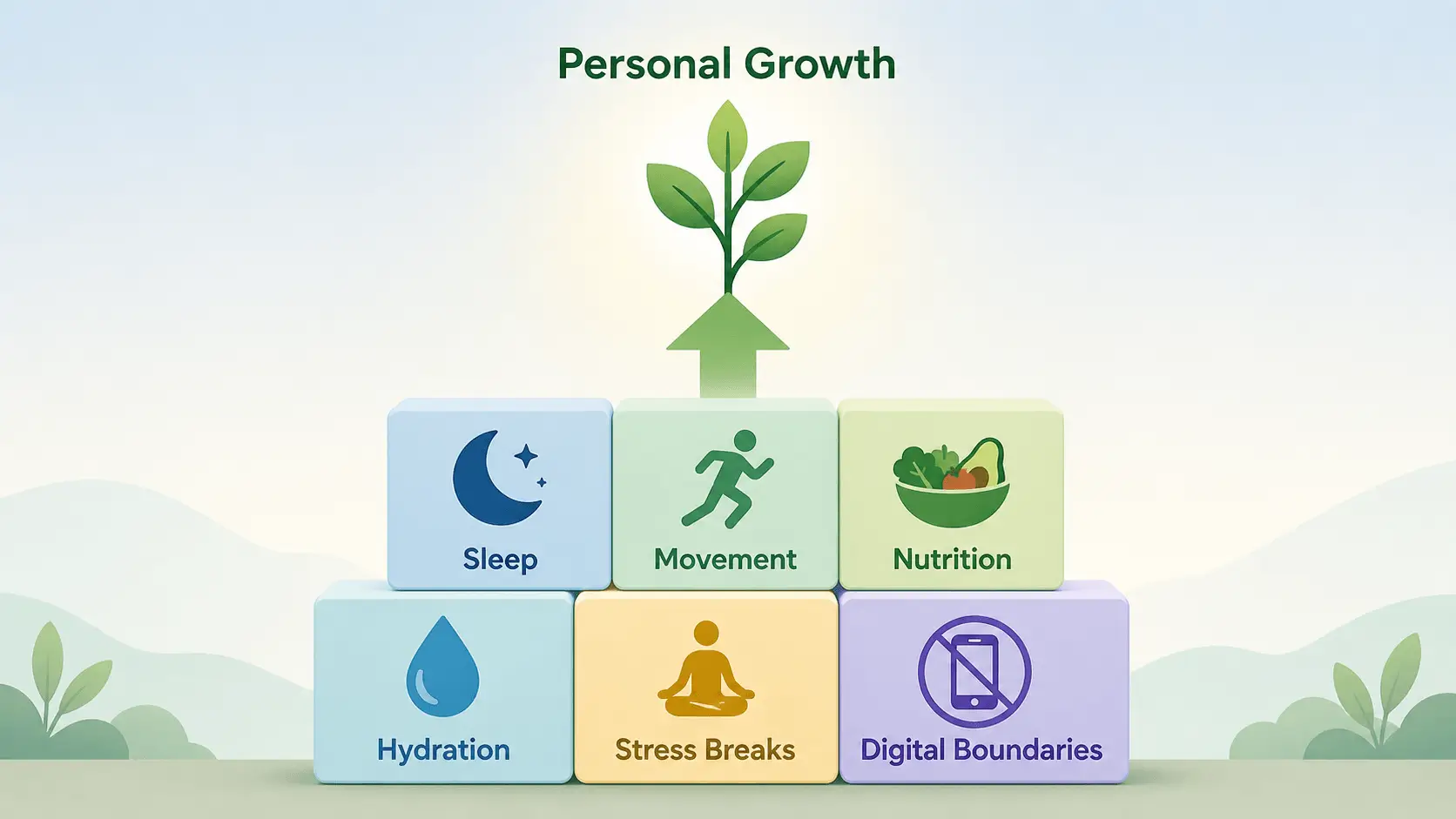
Motivation helps you start personal growth, but discipline helps you continue when motivation is low. The best personal growth strategies use motivation as a spark and discipline as the system.
| Motivation | Discipline |
|---|---|
| Based on emotion and desire | Based on commitment and structure |
| Can be high or low depending on mood | Works even when motivation is low |
| Useful for starting change | Necessary for maintaining change |
| Feels exciting | Often feels repetitive |
| Helps create intention | Helps create results |
Motivation is useful because it gives energy and emotional drive. It may help you decide how to motivate yourself to live a better life. However, motivation is unreliable because it changes with mood, stress, sleep, and circumstances.
Discipline is not harsh self-punishment. It is the ability to follow a useful structure even when the action does not feel exciting.
Action steps:
- Use motivation to choose a meaningful goal
- Use discipline to create a repeatable routine
- Use tracking to measure consistency
- Use reflection to adjust when life gets difficult
Motivation creates intention. Discipline creates results.
Consistency vs Intensity: What Actually Builds Growth?
Consistency builds most personal growth because small repeated actions train the brain to see useful behavior as normal. Intensity can create short-term results, but it often fails when it depends on high energy every day.
| Consistency | Intensity |
|---|---|
| Small repeated actions | Big effort in short bursts |
| Easier to sustain | Often leads to burnout |
| Builds identity and trust | Can create quick results but poor follow-through |
| Works well for habits | Works best for short-term challenges |
A common self-improvement mistake is doing too much too soon. People start with extreme routines, strict schedules, or unrealistic goals. Then they miss one day, feel like they failed, and quit.
Consistency works because it builds self-trust. Every repeated action becomes evidence that you can follow through.
Examples:
- Reading 10 minutes daily beats reading one full book once and stopping
- Walking daily beats doing one extreme workout and quitting
- Journaling briefly each night beats waiting for a perfect self-reflection session
Intensity is not always bad. It can help during short-term challenges, deadlines, or focused improvement periods. But for long-term personal growth, consistency is usually more reliable.
Common Problems That Block Personal Growth
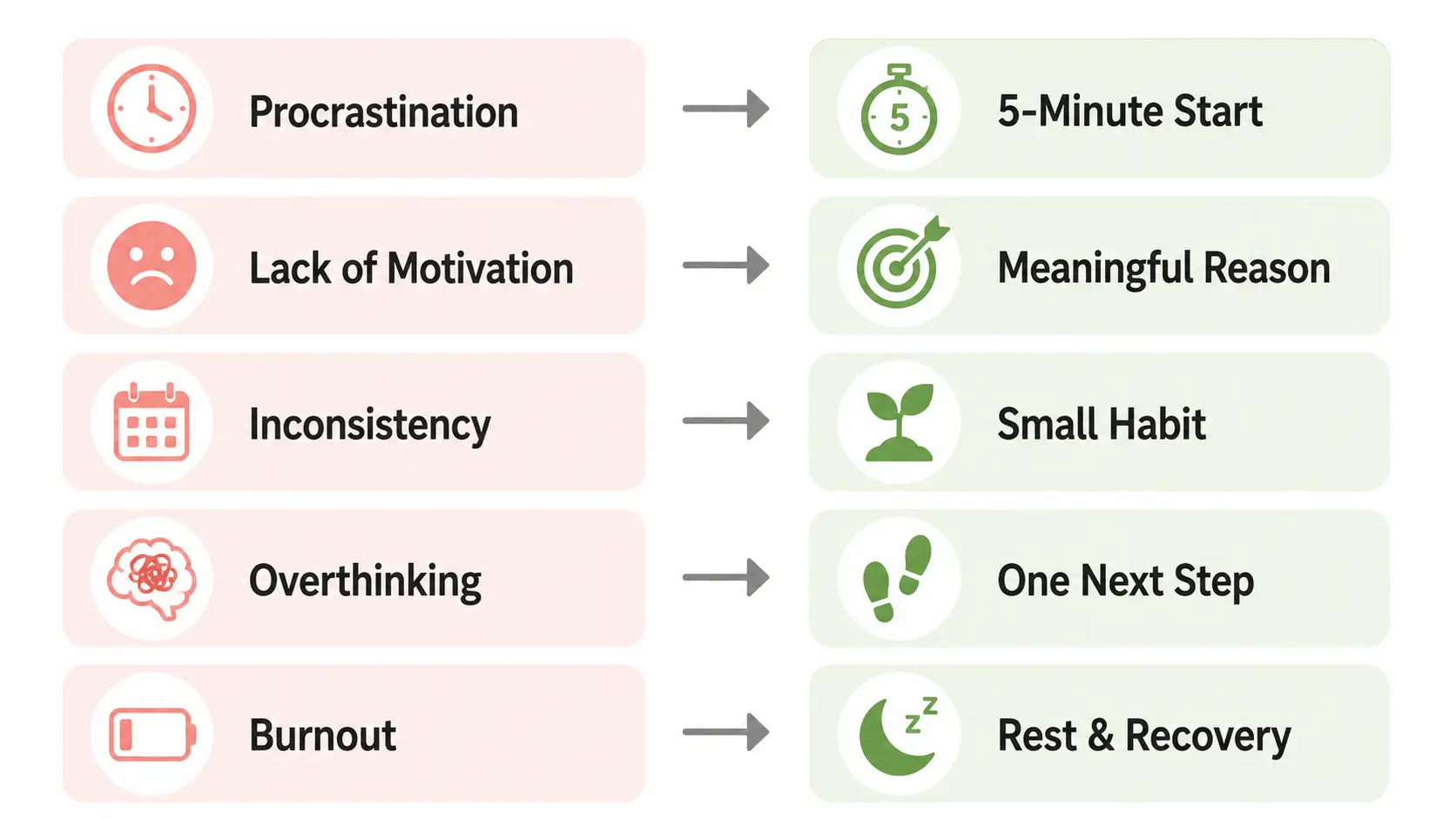
Common problems that block personal growth include procrastination, lack of motivation, inconsistency, overthinking, burnout, and fear of failure. These problems usually continue when people try to solve them with willpower instead of understanding their causes.
Procrastination
Procrastination happens when a task feels uncomfortable, unclear, too large, or emotionally risky. It is not always laziness. Often, procrastination is an avoidance response.
Why it happens:
- Fear of discomfort
- Unclear goals
- Perfectionism
- Low energy
- Tasks feel too large
How to fix it:
- Make the first step extremely small
- Use a 5-minute start rule
- Remove distractions
- Define the next visible action
How to prevent it:
- Plan tomorrow’s first task before bed
- Reduce decision fatigue
- Reward starting, not only finishing
The goal is to make starting easier. Once action begins, resistance often decreases.
Lack of Motivation
Lack of motivation happens when a goal feels disconnected from personal values, progress is invisible, or the routine feels too difficult. Motivation also drops when expectations are unrealistic.
Why it happens:
- The goal feels disconnected from personal values
- Progress is not visible
- The routine feels too difficult
- Expectations are unrealistic
How to fix it:
- Reconnect the goal to a meaningful reason
- Track small wins
- Lower the starting difficulty
- Use social accountability
How to prevent it:
- Build routines that do not depend on mood
- Review progress weekly
- Celebrate consistency
Motivation often returns after action begins. Waiting to feel motivated can keep you stuck.
Inconsistency
Inconsistency happens when habits are too ambitious, systems are missing, or people do not plan for disruptions. Missing one day is not failure. Quitting completely is the real problem.
Why it happens:
- Habits are too ambitious
- No system exists
- Life disruptions are not planned for
- People confuse setbacks with failure
How to fix it:
- Create minimum daily actions
- Use habit stacking
- Plan fallback routines
- Restart immediately after missing a day
How to prevent it:
- Focus on identity-based habits
- Keep routines simple
- Track effort rather than perfection
Consistency improves when the habit is easy to restart.
Overthinking
Overthinking happens when fear, perfectionism, low confidence, or too much information blocks action. Planning is useful, but endless planning can become avoidance.
Why it happens:
- Fear of making the wrong choice
- Too much information
- Low confidence
- Perfectionism
How to fix it:
- Limit research time
- Choose one next step
A simple way to reduce overthinking is to focus on what you can control, such as your next action, your response, your routine, and your environment.
- Use “good enough” decisions for low-risk choices
- Reflect after action, not before endlessly planning
How to prevent it:
- Create decision rules
- Set deadlines
- Practice imperfect action
Personal growth requires action and reflection, not endless analysis.
Burnout
Burnout happens when people push too hard for too long without enough recovery. It can also come from trying to improve every area of life at once.
Why it happens:
- Too many goals at once
- No recovery time
- Constant pressure to improve
- Ignoring emotional and physical limits
How to fix it:
- Reduce commitments
- Prioritize sleep and recovery
- Focus on one growth area
- Separate self-worth from productivity
How to prevent it:
- Schedule rest
- Use sustainable habits
- Avoid all-or-nothing routines
Burnout is often a sign that your system is too intense, not that you are weak.
Fear of Failure
Fear of failure blocks personal growth because it makes people avoid action that could create learning. It often comes from judgment, past disappointment, fixed mindset, or high expectations.
Why it happens:
- Fear of judgment
- Past disappointment
- Fixed mindset
- High expectations
How to fix it:
- Treat failure as feedback
- Start with low-risk practice
- Measure learning instead of perfection
- Reframe mistakes as data
How to prevent it:
- Build self-compassion
- Use process goals
- Normalize setbacks as part of growth
Failure becomes less threatening when you see it as information rather than identity.
Science-Backed Personal Growth Insights
Science-backed personal growth insights show that behavior change becomes easier when habits are tied to cues, supported by identity, reinforced by rewards, and shaped by environment. These ideas help personal growth tips become practical instead of vague.
Habits are easier when tied to cues. A cue is a trigger that reminds your brain to start a behavior. For example, brushing your teeth can become a cue for writing one sentence in a journal.
Identity also affects behavior. People act more consistently when a habit matches who they believe they are. Instead of saying, “I am trying to exercise,” a stronger identity statement is, “I am someone who takes care of my body.”
Rewards reinforce repetition. A reward does not need to be unhealthy or expensive. It can be a checkmark on a tracker, a moment of pride, a calming routine, or visible progress.
Science-backed ideas that support personal growth:
- Cue-based habits: A repeated trigger makes behavior easier to remember.
- Identity-based change: People act more consistently when a habit matches who they believe they are.
- Immediate rewards: Small rewards help the brain repeat useful behaviors.
- Friction reduction: Making good habits easier increases follow-through.
- Self-compassion: People recover faster from setbacks when they avoid harsh self-criticism.
- Emotional regulation: Managing emotions improves follow-through during stress.
These personal growth strategies work because they reduce reliance on willpower and make better behavior easier to repeat.
What Actually Works vs What Sounds Good
What actually works in personal growth is usually simple, repeatable, and realistic. What sounds good is often extreme, exciting, and difficult to sustain.
| What Sounds Good | What Actually Works |
|---|---|
| Change your whole life overnight | Improve one habit at a time |
| Wait until you feel motivated | Start with a tiny action |
| Follow someone else’s perfect routine | Build a routine around your real life |
| Never miss a day | Restart quickly after setbacks |
| Set huge goals | Build repeatable systems |
| Read more advice endlessly | Apply one idea consistently |
Personal growth is not about collecting more advice. It is about applying simple principles until they become part of your daily identity.
Many people stay stuck because learning feels productive, but applying feels uncomfortable. Reading about discipline is easier than practicing discipline. Watching productivity content is easier than planning tomorrow’s first task.
The better approach is to choose one useful idea and practice it until it becomes normal. Growth comes from implementation, not information overload.
Practical Personal Growth Routine for Beginners
A practical personal growth routine for beginners should be simple, realistic, and easy to repeat. The goal is not to create a perfect lifestyle. The goal is to build a structure that supports health, discipline, reflection, and steady progress.
These personal growth tips also support how to live a better lifestyle and the steps to living a healthy life.
Daily Routine
A daily routine should help you focus, regulate emotions, and prepare for the next day.
- Morning: Choose one priority for the day
- Midday: Take a short movement or breathing break
- Evening: Reflect on one win and one lesson
- Night: Prepare one thing that makes tomorrow easier
This routine works because it reduces decision fatigue. You do not need to redesign your life every morning. You follow a few simple actions that support direction and stability.
Weekly Routine
A weekly routine helps you review progress and adjust your system before small problems become large ones.
- Review goals and habits
- Identify one obstacle from the week
- Adjust your routine instead of quitting
- Plan one action for health, relationships, learning, and rest
Weekly reflection prevents all-or-nothing thinking. If something did not work, you improve the system instead of blaming yourself.
Monthly Routine
A monthly routine helps you notice larger patterns and choose your next focus.
- Review what improved
- Remove habits that are not working
- Choose one new growth focus
- Celebrate progress without needing perfection
Monthly review is important because personal growth needs direction. Without review, people may stay busy but not actually improve the areas that matter most.
Real-Life Examples of Personal Growth
Real-life personal growth happens when people apply small, specific changes to their actual problems. To live a better life, the goal is not to copy someone else’s perfect routine. The goal is to create a good life through habits that match your needs.
Example 1: Someone Who Wants Better Health
Problem:
They feel tired, distracted, and inconsistent.
Growth approach:
- Sleep 30 minutes earlier
- Walk 10 minutes daily
- Prepare one healthy meal
- Track energy levels
Result:
Better energy supports better discipline, mood, and decision-making. When health improves, personal growth becomes easier because the person has more physical and mental capacity.
Example 2: Someone Who Wants More Confidence
Problem:
They avoid challenges because they fear failure.
Growth approach:
- Practice one small uncomfortable action daily
- Track completed actions
- Reframe mistakes as learning
- Build evidence of follow-through
Result:
Confidence grows from repeated proof that they can act despite fear. Confidence is not only a feeling; it is built through evidence.
Example 3: Someone Who Wants a Happier Life
Problem:
They feel overwhelmed and disconnected.
Growth approach:
- Reduce unnecessary commitments
- Create a gratitude habit
- Strengthen one relationship
- Set boundaries with digital distractions
Result:
A happier life becomes more likely when daily choices support emotional balance and meaningful connection. Living a better life often starts by removing what drains energy and strengthening what creates stability.
How Personal Growth Connects to Productivity, Goals, and Mindset
Personal growth connects to productivity, goals, and mindset because improvement requires both direction and follow-through. Productivity systems turn intentions into action. Goal setting gives direction. Habits create consistency. Mindset shapes resilience.
Personal growth connects to:
- Productivity: Doing what matters with less friction
- Goal setting: Knowing where your effort should go
- Time management: Protecting attention and energy
- Mindset: Building resilience and adaptability
- Discipline: Acting even when motivation is low
- Mental health: Creating routines that support emotional balance
Time management protects priorities. Without time boundaries, urgent tasks and distractions take over. Discipline helps you act when motivation is low. Mental health supports sustainable growth by helping you regulate stress, recover from setbacks, and avoid burnout.
A strong growth system combines:
- Clear goals
- Simple habits
- Healthy routines
- Emotional awareness
- Flexible planning
- Regular reflection
Personal growth is not separate from productivity or mindset. It is the larger system that connects how you think, how you act, and how you manage your life.
Common Mistakes to Avoid When Trying to Grow
Common mistakes in personal growth include trying to change too much at once, depending only on motivation, comparing yourself to others, ignoring health, expecting fast results, and overplanning. These mistakes create overwhelm and reduce follow-through.
| Mistake | Why It Hurts Growth | Better Approach |
|---|---|---|
| Trying to change everything at once | Creates overwhelm and burnout | Focus on one habit first |
| Depending only on motivation | Motivation naturally fluctuates | Build systems and routines |
| Comparing yourself to others | Reduces confidence and clarity | Compare current self to past self |
| Ignoring sleep and health | Low energy weakens discipline | Build a healthy lifestyle foundation |
| Expecting fast results | Leads to quitting early | Track small long-term progress |
| Overplanning | Delays action | Take one imperfect step |
Unrealistic expectations are one of the biggest hidden barriers. People often believe they should transform quickly. When progress feels slow, they assume the method is not working.
The better approach is to measure effort, consistency, and recovery. Growth is not always visible immediately, but repeated action compounds over time.
How to Communicate and Build Relationships for a Better Life
Communication helps you build a better life because relationships strongly affect emotional well-being, confidence, stress, and personal development. Learning how to communicate effectively to live a better life is part of personal growth.
Better communication is not only about speaking clearly. It also includes listening, emotional regulation, boundaries, and understanding others before reacting.
Better communication supports personal growth because it helps you:
- Express needs clearly
- Reduce unnecessary conflict
- Build trust
- Set healthy boundaries
- Understand others before reacting
- Strengthen meaningful relationships
Poor communication can create repeated stress. For example, avoiding difficult conversations may protect comfort in the short term but create resentment over time. Reacting emotionally may feel natural in the moment but damage trust later.
When communication improves, relationships become less stressful. Less emotional stress creates more mental space for healthy routines, goals, and self-improvement.
Healthy relationships also support accountability. People grow more easily when they are surrounded by honesty, encouragement, and respect.
How to Personalize Personal Growth for Different Life Situations
Personal growth should be personalized because different people have different energy levels, responsibilities, health needs, attention patterns, and emotional triggers. One-size-fits-all advice often fails because it ignores real-life context.
Growth strategies should be adapted based on:
- Energy levels
- Mental health needs
- Attention patterns
- Work schedule
- Family responsibilities
- Physical health
- Emotional triggers
- Social environment
For ADHD, personal growth may require visual reminders, short tasks, body doubling, timers, external structure, and low-friction routines. Advice like “just be consistent” is not enough. The system must support attention and reduce overwhelm.
For men facing social pressure, growth may include emotional awareness, communication skills, health routines, and support systems. This is not about fitting a narrow stereotype. It is about building a healthier relationship with discipline, emotions, responsibility, and connection.
For busy adults, personal growth may require minimum habits and weekly planning instead of complex routines. A person with family responsibilities or demanding work may not have time for a long morning routine. A realistic system could be five minutes of planning, a short walk, and one evening reflection.
Learning how to live a better life with ADHD, work stress, family pressure, or health limitations requires flexibility. Personal growth becomes sustainable when the system matches the person’s real life.
Conclusion
The best ways to achieve personal growth are not extreme routines or temporary motivation. Real personal growth comes from self-awareness, small habits, healthy living, emotional regulation, discipline, and consistent action. To live a better life, focus on building systems that match your real circumstances and support the person you want to become.
The key takeaway is simple: personal growth becomes sustainable when you stop chasing perfection and start repeating small actions that improve your health, mindset, relationships, and daily choices.
FAQs About Personal Growth
What are the best ways to achieve personal growth?
The best ways to achieve personal growth are to build self-awareness, set meaningful goals, create small habits, improve your health, manage emotions, and develop discipline. Growth becomes easier when your daily routines support your long-term values.
Why do I struggle with consistency?
You may struggle with consistency because your goals are too large, your routine depends on motivation, or you do not have a fallback plan for difficult days. Consistency improves when habits are small, specific, and easy to restart.
How do I stay disciplined long-term?
Long-term discipline comes from systems, not willpower alone. Use routines, habit tracking, clear priorities, and environment design to make good choices easier even when motivation is low.
What if I lose motivation?
Losing motivation is normal. Instead of quitting, reduce the size of the habit, reconnect with your reason for starting, and focus on the next small action. Motivation often returns after action begins.
How can I live a better life through personal growth?
You can live a better life by improving your habits, health, relationships, mindset, and time management. A better life is created through repeated choices that support emotional balance, purpose, and self-respect.
What is a good healthy lifestyle for personal growth?
A good healthy lifestyle includes enough sleep, regular movement, balanced meals, hydration, stress management, meaningful relationships, and time for rest. These habits support the energy and focus needed for personal growth.
How can I stop overthinking and start improving myself?
To stop overthinking, choose one small action, set a decision deadline, and focus on learning through experience. Personal growth happens through action and reflection, not endless planning.
How long does personal growth take?
Personal growth is ongoing, but small improvements can be felt within days or weeks when habits are realistic. Deeper identity, mindset, and lifestyle changes usually require consistent effort over months.









4 Responses