Introduction
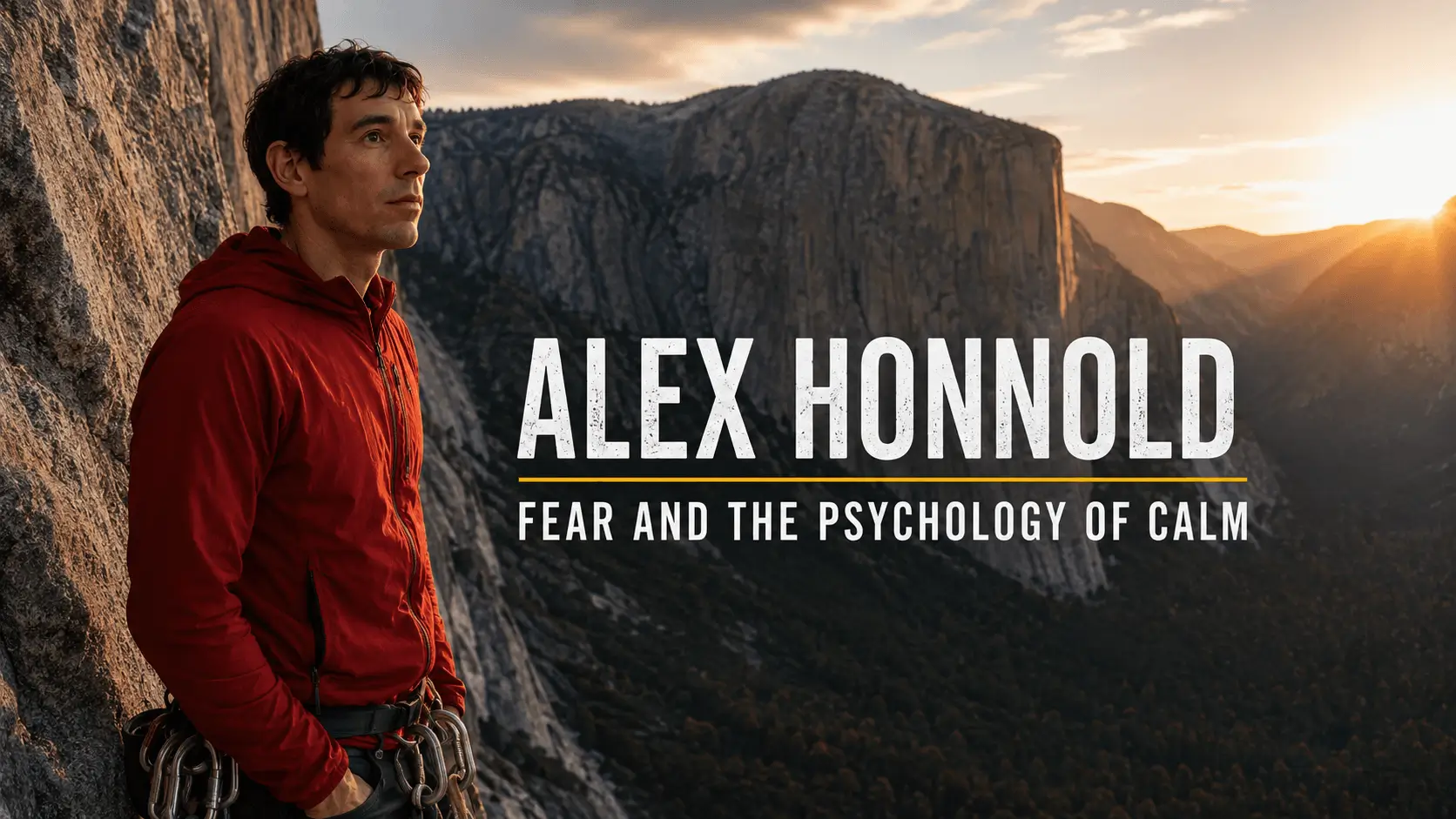
The global fascination with alex honnold fear began after the documentary Free Solo showed Alex Honnold climbing El Capitan without ropes. As an elite free climber and widely considered one of the world’s best free climber athletes, Honnold appeared unusually calm in situations most people associate with panic and survival instinct. What makes the alex honnold rock climber story compelling is not recklessness, but emotional regulation, preparation, and extreme mental control.
Scientists, psychologists, and performance experts became interested in whether his fear response was biologically different or trained through years of exposure. This article explores how Alex Honnold experiences fear, what researchers discovered about his brain and amygdala, whether fear can be reduced through conditioning, and what everyday people can learn from his disciplined mindset.
Quick Summary
- Alex Honnold is known for controlling fear through preparation, repetition, and mental conditioning rather than ignoring danger.
- Brain scans suggest his amygdala responds differently to fear stimuli compared to most people.
- His mindset highlights the difference between panic and calculated risk management.
- His approach offers lessons in emotional regulation, discipline, and high-performance focus.
- Fear management often improves through gradual exposure and consistent preparation.
Who Is Alex Honnold and Why Is His Fear Response So Fascinating?
Alex Honnold is a professional climber best known for free solo climbing, where climbers ascend massive rock faces without ropes or safety equipment. In free solo climbing, a single mistake is often fatal, which creates extraordinary psychological pressure.
Public interest in Honnold increased dramatically after free soloing el capitan, a nearly 3,000-foot granite wall in Yosemite National Park. The climb became one of the most discussed achievements in modern sports psychology because viewers struggled to understand how a free climber could remain calm under extreme danger.
Unlike many extreme athletes, Honnold does not describe himself as fearless. Instead, he consistently explains that preparation reduces uncertainty. This distinction matters because fear is central to understanding his performance.
Many people assume elite alex honnold rock climbers simply lack fear. In reality, extreme environments often reveal the power of mental conditioning, repetition, and emotional adaptation rather than the absence of emotion.
Extreme performance environments expose how the human brain responds under pressure. Climbers operating in high-risk conditions must develop emotional predictability because panic can become dangerous very quickly. This is why Honnold’s calmness became psychologically fascinating to both scientists and the public.
Does Alex Honnold Actually Feel Fear?
Alex Honnold does feel fear, but he manages it differently from most people. His approach focuses on reducing uncertainty before entering dangerous situations.
Fear vs Panic
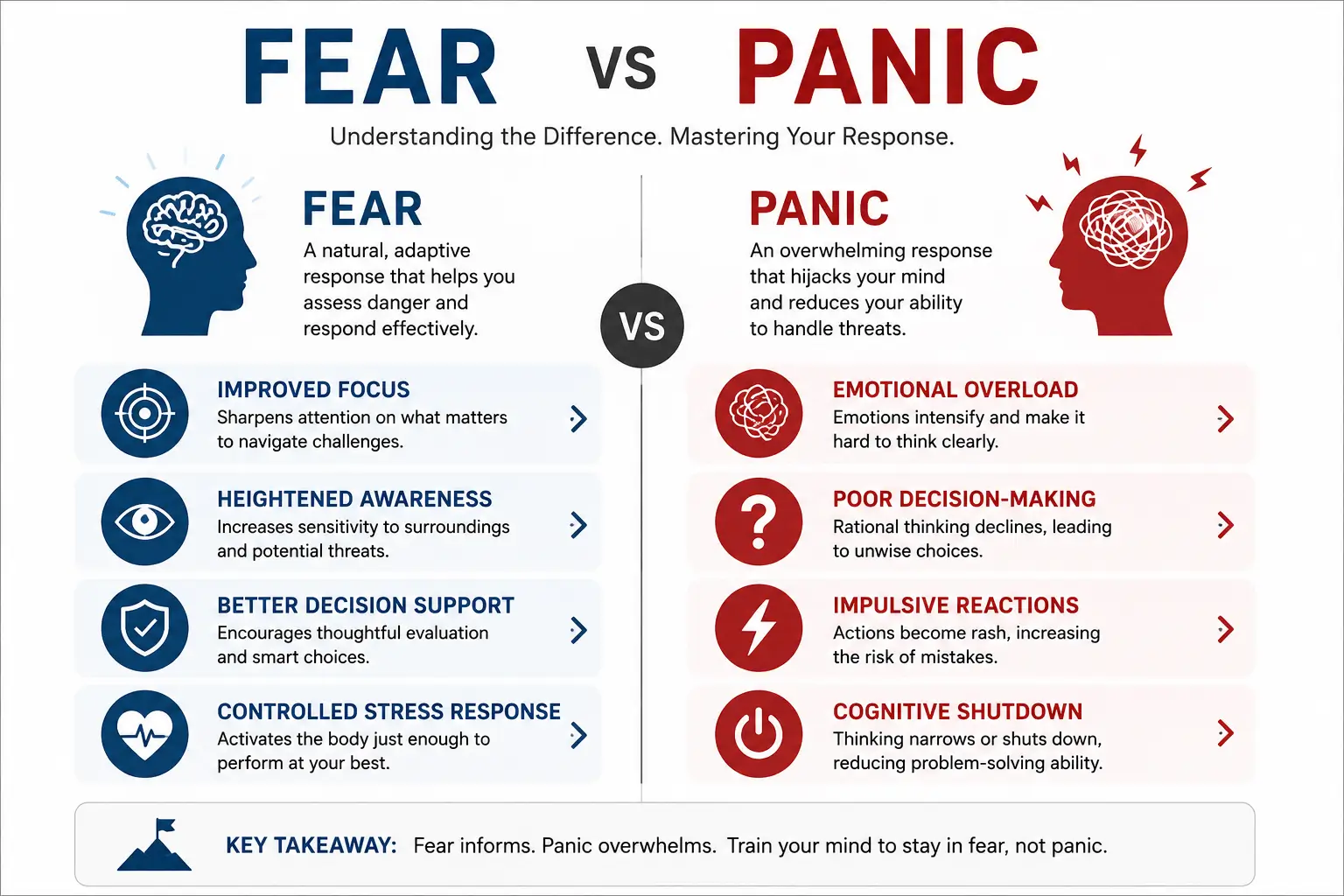
Fear and panic are not the same thing. Fear can sharpen awareness and improve focus, while panic disrupts judgment and increases impulsive decisions.
Honnold repeatedly explains that extensive preparation lowers emotional overload. By practicing climbing routes repeatedly, he removes surprises and creates predictability.
People often associate calmness with emotional numbness, but behavioral psychology suggests something different. Familiarity changes how the brain interprets stressful situations. When actions become highly practiced, emotional reactions often decrease because uncertainty decreases.
Key Differences
- Fear can improve focus
- Panic reduces decision-making quality
- Repetition builds emotional predictability
- Confidence often comes from competence
This distinction matters in both sports and daily life. Fear itself is not always harmful. The real problem begins when fear becomes emotionally overwhelming and disrupts performance.
Why Most People Misunderstand Fear Management
Society often treats bravery as the absence of fear. High performers usually do the opposite: they train their emotional responses.
The famous alex honnold fear quote discussions often focus on calmness, but calmness usually comes from preparation, not magical confidence. Even discussions around alex honnold fear of heights misunderstand how exposure works. People repeatedly exposed to controlled stress often experience reduced emotional escalation over time.
Behavioral psychology explains this through concepts such as:
- Exposure adaptation
- Stress conditioning
- Emotional tolerance
- Habituation
Repeated exposure changes perceived danger. The brain becomes more efficient at distinguishing manageable stress from genuine emergency situations.
This is one reason why experienced performers often appear calmer than beginners. Emotional predictability increases as uncertainty decreases.
What Scientists Learned From the Alex Honnold Amygdala Study
What Is the Amygdala?
The amygdala is a small structure in the brain involved in processing fear and emotional threat detection. It helps activate the fight-or-flight response when people perceive danger.
Functions of the amygdala include:
- Detecting threats
- Triggering emotional alertness
- Activating stress responses
- Increasing survival-focused attention
The amygdala plays an important role in emotional learning because it helps humans respond quickly to danger. However, repeated exposure can influence how intensely the brain reacts to familiar stressors.
The Brain Scan That Made Headlines
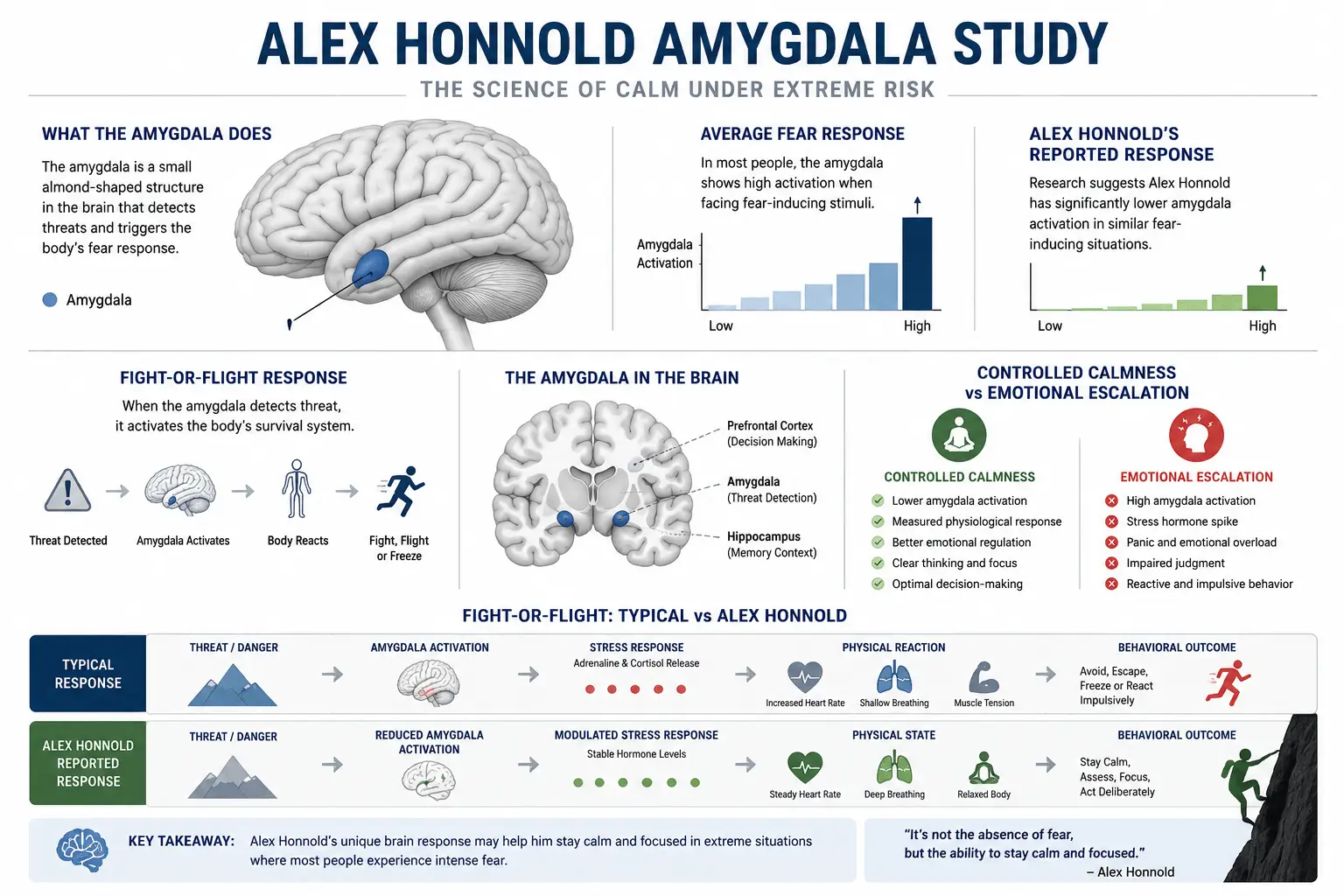
Researchers studying Honnold exposed him to disturbing and emotionally intense images while monitoring brain activity. Reports suggested his amygdala showed unusually low activation compared to average participants.
This led to widespread interest in the alex honnold fear brain discussion and the broader alex honnold brain amygdala research.
However, scientists debated an important question: Was this response biological, or trained through years of exposure?
Fear Response Comparison
| Brain Function | Average Fear Response | Alex Honnold’s Reported Response |
|---|---|---|
| Threat detection | Strong activation | Reduced activation |
| Stress reaction | Emotional alertness | Controlled calmness |
| Risk interpretation | Avoidance behavior | Analytical evaluation |
| Novel danger response | Heightened anxiety | Lower emotional escalation |
The alex honnold amygdala study became widely discussed because it challenged assumptions about fear and human adaptability.
At the same time, neuroscience experts cautioned against oversimplifying the findings. Lower emotional activation does not automatically mean someone is immune to danger or incapable of fear.
Can Fear Responses Be Trained?
Fear responses can often be influenced through neuroplasticity and repeated exposure. The brain adapts to familiar stressors over time.
Key mechanisms include:
- Gradual exposure
- Habitual stress adaptation
- Emotional desensitization
- Predictive learning
Repeated experience changes emotional reactions because the brain becomes more familiar with the environment. Uncertainty decreases, and perceived control increases.
However, lower fear response does not mean invincibility. Oversimplifying neuroscience creates misleading conclusions. Honnold still evaluates risk carefully and avoids climbs he considers unsafe.
Fear management is often about adaptation rather than eliminating fear entirely.
How Preparation Reduces Fear and Anxiety
Why Repetition Creates Calm
Honnold is known for memorizing climbing routes extensively before attempting dangerous ascents.
Repetition creates calm because familiarity reduces uncertainty. Predictability lowers cognitive overload and helps the brain allocate attention more efficiently.
Preparation often transforms overwhelming tasks into manageable sequences.
This principle applies far beyond climbing. Athletes, public speakers, surgeons, and performers often rely on repetition to reduce emotional chaos under pressure.
The brain tends to react more strongly to unfamiliar situations than familiar ones. Repeated exposure helps create emotional stability.
The Psychology of Control
Humans frequently fear uncertainty more than difficulty itself. Planning increases perceived control, which reduces emotional stress.
Preparation improves confidence because repeated evidence replaces imagined uncertainty.
Effective Preparation Systems
- Visual rehearsal
- Skill automation
- Scenario planning
- Environmental familiarity
Psychologists often describe anxiety as future-focused uncertainty. When people create structured preparation systems, the brain has fewer unknown variables to interpret as threats.
This is why preparation frequently reduces anxiety more effectively than motivation alone.
What Everyday People Can Learn From This
The psychological principles behind climbing also apply to daily life.
Examples include:
| Situation | Fear Trigger | Helpful Strategy |
| Public speaking | Fear of judgment | Practice repeatedly in small groups |
| Career changes | Uncertainty | Research and skill preparation |
| Fitness goals | Fear of failure | Progressive routines |
| Social anxiety | Emotional discomfort | Gradual exposure conversations |
Action reduces overthinking because experience replaces imagined outcomes.
For example, someone afraid of public speaking may begin by practicing in front of a mirror, then small groups, and eventually larger audiences. Gradual exposure lowers emotional intensity over time.
Similarly, people building new habits often struggle because they expect immediate confidence. In reality, confidence usually appears after repeated action, not before it.
Motivation vs Discipline in Extreme Performance
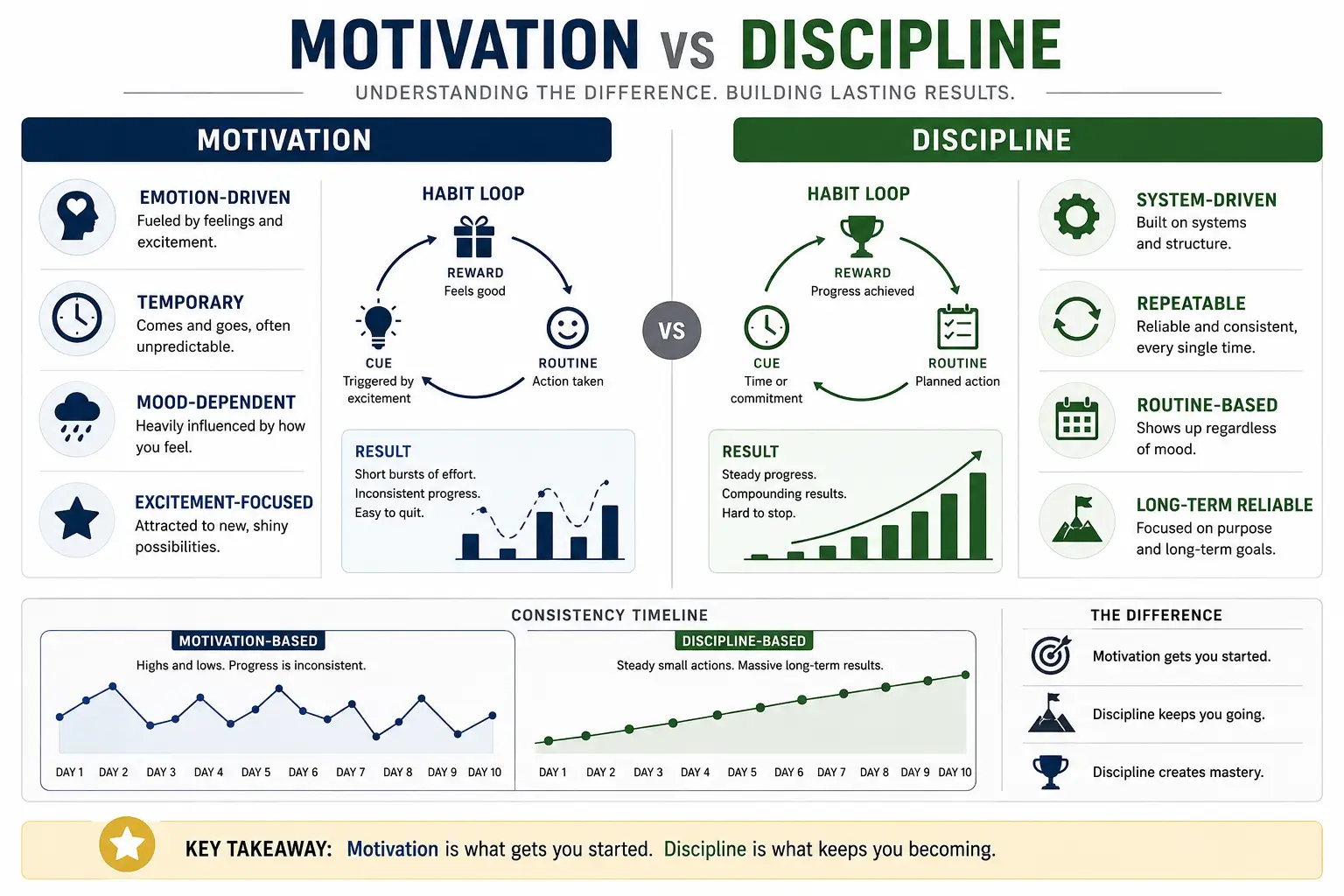
Alex Honnold relies more on systems and routines than emotional motivation.
| Motivation | Discipline |
| Emotion-driven | System-driven |
| Temporary | Repeatable |
| Depends on mood | Depends on routine |
| Excitement-based | Process-based |
| Unstable under stress | More reliable long term |
Discipline outperforms motivation because routines reduce emotional dependence. Productivity systems create consistency even when enthusiasm disappears.
Honnold’s mindset reflects:
- Routine-based confidence
- Process orientation
- Emotional regulation
- Long-term preparation
This mirrors modern research on habit formation and behavioral consistency.
Motivation can help people begin difficult goals, but discipline sustains progress during emotionally difficult periods. Systems reduce the need to constantly negotiate with emotions.
People who rely entirely on motivation often become inconsistent because emotions fluctuate daily. Structured routines create stability.
Why Most People Struggle With Fear and Consistency
Overthinking and Catastrophizing
The brain naturally exaggerates uncertainty. Fear often grows when people avoid action.
Avoidance reinforces anxiety because the brain never receives evidence that the situation may be manageable.
Overthinking commonly increases emotional intensity because imagined scenarios often feel larger than reality. Without action, uncertainty continues expanding.
This creates a cycle where people become trapped between fear and inaction.
Fear of Failure and Identity Protection
People frequently avoid difficult goals because failure threatens identity and self-image.
Common psychological barriers include:
- Ego protection
- Emotional discomfort avoidance
- Self-sabotage
- Fear of embarrassment
Many people unconsciously avoid situations where they might look inexperienced or imperfect. This emotional avoidance can block long-term growth.
Behavioral psychology suggests that identity attachment often increases fear responses. When people connect self-worth directly to outcomes, failure feels emotionally threatening.
Burnout From Unrealistic Expectations
Intensity without sustainability often causes burnout. Extreme motivation fades quickly when systems are missing.
Many people attempt dramatic lifestyle changes instead of gradual progress. This creates emotional exhaustion and inconsistency.
Problem–Solution Framework
| Problem | Why It Happens | Practical Fix |
| Procrastination | Fear of discomfort | Reduce task size |
| Inconsistency | Dependence on motivation | Build routines |
| Burnout | Unrealistic intensity | Sustainable pacing |
| Overthinking | Fear of uncertainty | Action-based learning |
| Fear of failure | Identity attachment | Focus on process |
Behavioral science shows that reward loops and repeated actions shape long-term habits more effectively than emotional intensity.
Sustainable pacing often produces more progress than short bursts of extreme effort.
What Alex Honnold’s Mindset Teaches About Emotional Regulation
Calm Is Often Built, Not Natural
Emotional stability can be trained. Confidence usually grows from evidence, preparation, and repeated competence.
Competence reduces emotional chaos because the brain trusts familiar abilities more than uncertain outcomes.
Many people assume calmness is a personality trait, but research on emotional regulation suggests it often develops through repeated experience and controlled stress exposure.
Repeated success in manageable situations builds emotional resilience over time.
Identity-Based Habits and Self-Trust
Repeated actions gradually shape identity.
When people consistently follow routines, they build self-trust over time.
Key Behavioral Insights
- Small wins increase confidence
- Repetition lowers emotional resistance
- Systems reduce decision fatigue
- Process orientation lowers anxiety
These principles connect directly to emotional resilience, personal discipline, and mindset development.
Identity-based habits become powerful because behavior influences self-perception. People begin seeing themselves differently after repeated evidence of consistency.
This shift often improves confidence more sustainably than temporary motivation.
Common Myths About Fearlessness and Extreme Performers
| Myth | Reality |
| Fearless people feel no fear | They regulate fear better |
| Confidence comes first | Competence usually comes first |
| Motivation creates success | Systems sustain success |
| Extreme performance is natural talent | Repetition and training matter heavily |
| Calmness means no stress | Calmness often comes from preparation |
Internet narratives often romanticize fearlessness, but sustainable performance usually depends on emotional regulation, preparation, and gradual adaptation.
What actually works is often less dramatic than inspirational media suggests.
Extreme performers typically rely on disciplined systems, emotional conditioning, and long-term repetition rather than constant excitement or inspiration.
This distinction matters because unrealistic media narratives often create harmful expectations about confidence and success.
Practical Ways to Build Better Fear Management in Daily Life
Gradual Exposure Strategy
Fear management improves through manageable exposure.
Instead of forcing massive change immediately:
- Start with manageable discomfort
- Increase challenge progressively
- Avoid emotional overload
- Build confidence gradually
Gradual exposure helps the brain reinterpret situations as manageable rather than threatening.
This principle is commonly used in behavioral therapy because repeated controlled exposure often reduces anxiety intensity over time.
Build Systems Instead of Waiting for Motivation
Useful systems include:
- Habit stacking
- Scheduled routines
- Environmental design
- Automated triggers
Systems reduce reliance on emotional states.
For example, someone trying to exercise consistently may prepare clothes the night before, schedule workouts at fixed times, and reduce decision-making friction.
These systems lower emotional resistance and increase behavioral consistency.
Learn to Separate Risk From Anxiety
Emotional fear does not always reflect actual danger.
Rational assessment methods include:
- Gathering information
- Reducing uncertainty
- Breaking tasks into smaller parts
- Evaluating realistic outcomes
Many people confuse discomfort with danger. Learning to separate emotional anxiety from actual risk improves decision-making quality.
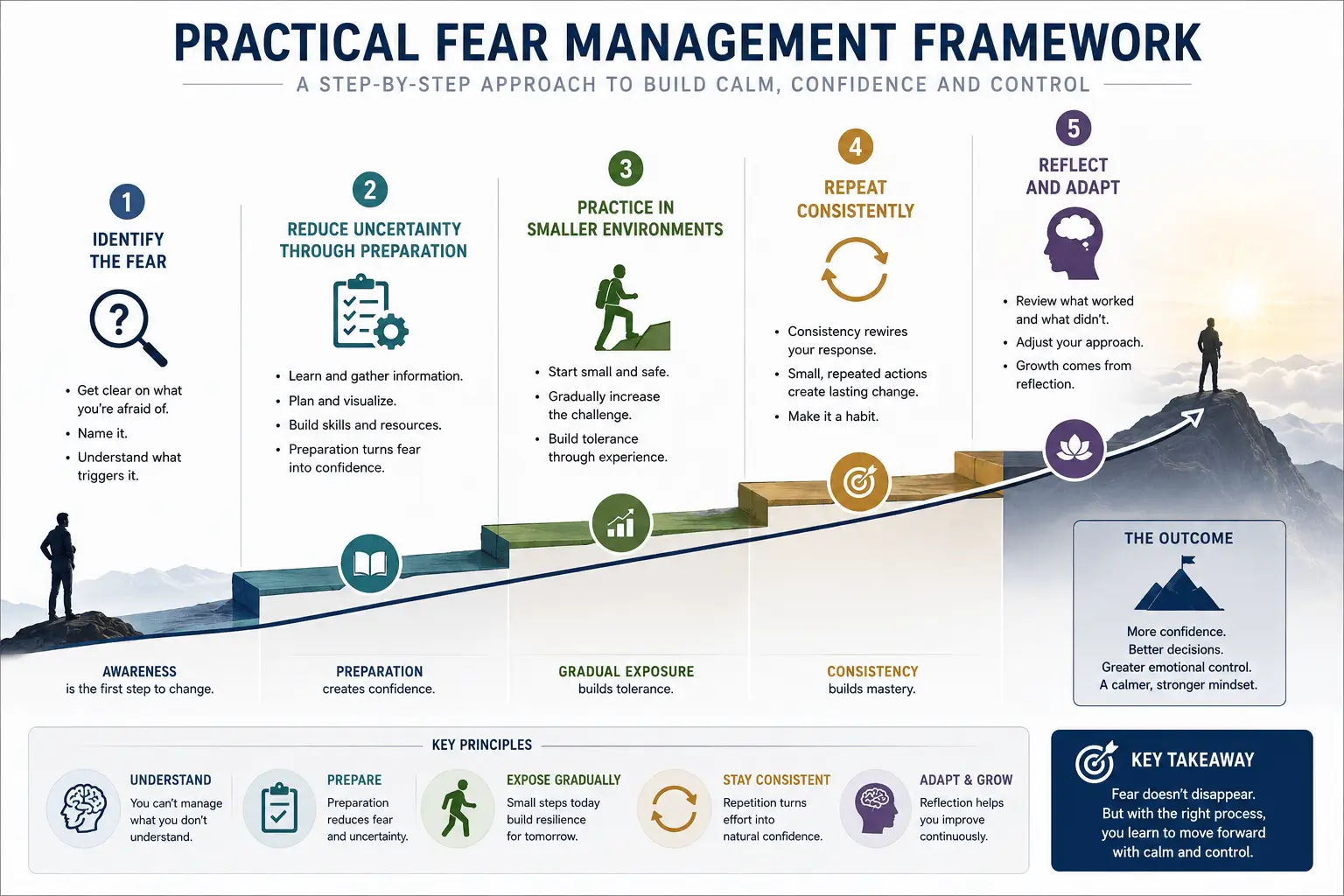
Step-by-Step Framework
- Identify the fear clearly
- Reduce uncertainty through preparation
- Practice in smaller environments
- Repeat consistently
- Reflect and adjust gradually
These strategies help transform emotional overwhelm into structured action.
Conclusion
Alex Honnold’s relationship with fear is rooted in preparation, repetition, and emotional control rather than recklessness. His story demonstrates how humans can psychologically adapt to stress through training, familiarity, and gradual exposure.
The most valuable lesson is not extreme climbing itself, but the way disciplined systems reduce fear and increase confidence over time.
Sustainable growth usually comes from gradual exposure, consistency, and emotional regulation rather than sudden bursts of motivation.
FAQ Section
Why is Alex Honnold not afraid?
Alex Honnold still experiences fear, but he manages it through preparation, familiarity, repetition, and emotional conditioning. Extensive practice reduces uncertainty and lowers panic responses.
What did scientists discover about Alex Honnold’s brain?
Researchers reported unusually low amygdala activation when Honnold viewed disturbing images. Scientists found this notable because the amygdala plays a major role in fear processing and threat detection.
Does Alex Honnold have a fear of heights?
Fear of heights and trained exposure are different. Honnold has spent years adapting to climbing environments, which likely reduced emotional escalation around height exposure.
Can people train themselves to handle fear better?
Yes. Gradual exposure, repetition, and stress adaptation can improve emotional regulation. Exposure therapy principles show that repeated controlled experiences often reduce anxiety responses.
Why do most people panic under pressure?
People often panic because of uncertainty, lack of preparation, emotional overload, and perceived risk. Panic increases when situations feel unpredictable or uncontrollable.
What can regular people learn from Alex Honnold?
People can learn the value of discipline, preparation, consistency, emotional regulation, and process-focused thinking. Confidence often grows through repeated action rather than motivation alone.
Is fear always a bad thing?
No. Fear can improve awareness, focus, and decision-making when managed properly. The problem is usually uncontrolled panic, not fear itself.
How do I stop overthinking and taking action?
Start smaller, reduce uncertainty, and focus on repetition instead of perfection. Consistent action creates evidence that lowers fear over time.