
Introduction
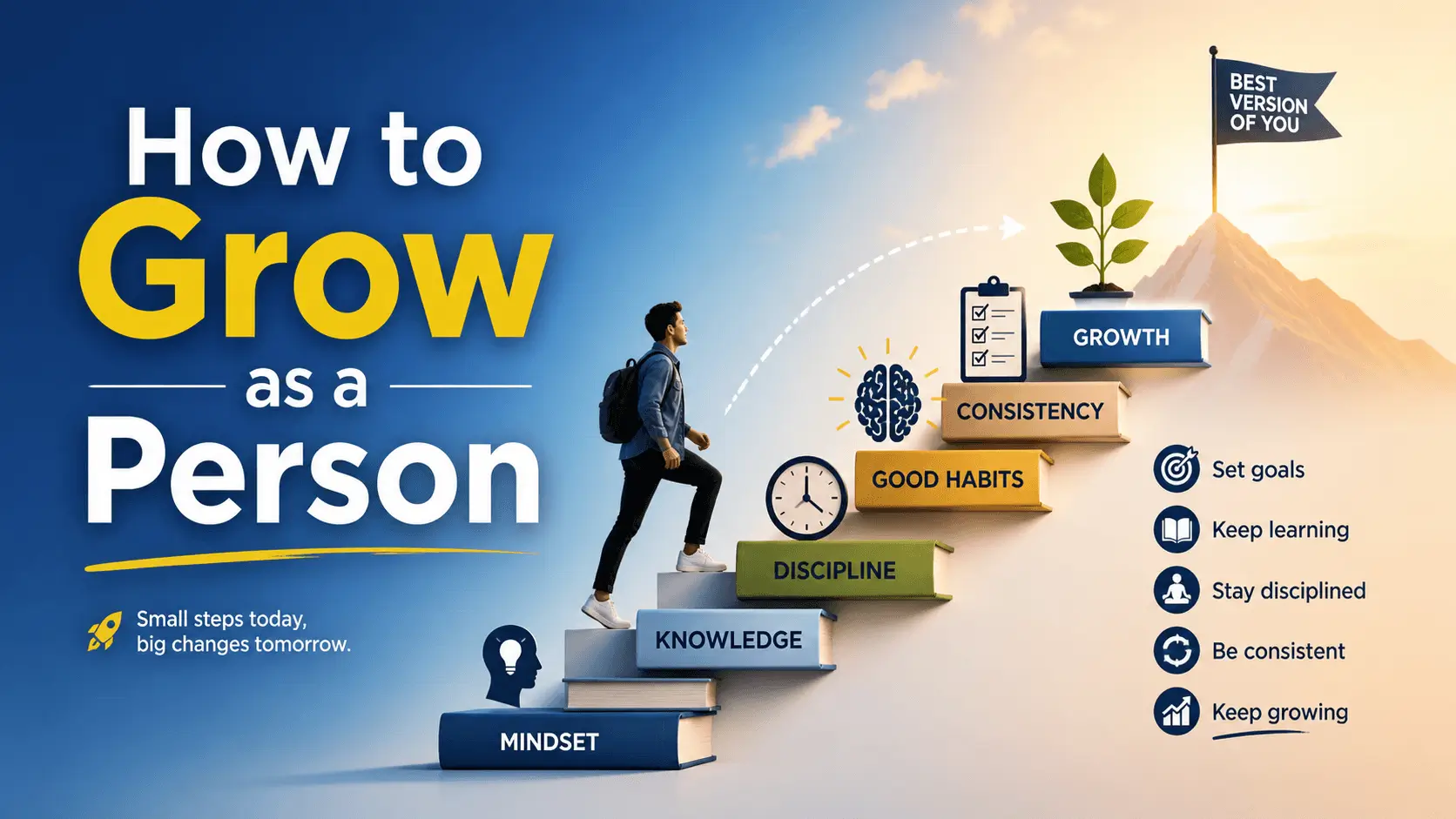
How to grow as a person means continuously improving your mindset, behavior, skills, and emotional awareness over time. It is a long-term process shaped by habits, reflection, and real-life experiences—not instant transformation. Personal growth involves understanding your patterns, adjusting behaviors, and learning from outcomes. It matters because it directly influences your decisions, relationships, productivity, and emotional stability. Effective growth is not driven by motivation alone but by structured systems that guide consistent action and improvement over time.
Quick Summary
- Personal growth happens through consistent small actions, not big one-time changes
- Self-awareness, habits, and challenges are the core drivers of growth
- Growth requires discomfort, reflection, and intentional learning
- Sustainable progress comes from systems, not motivation alone
What Does It Mean to Grow as a Person?
Growing as a person means improving your thinking, behavior, and emotional responses in a way that produces better outcomes over time.
It includes:
- Self-awareness: Recognizing thoughts, emotions, and behavioral patterns
- Behavior change: Replacing ineffective habits with productive ones
- Perspective expansion: Understanding different viewpoints
- Resilience: Managing stress and setbacks effectively
Growth is:
- Internal: Mindset, beliefs, emotional control
- External: Actions, habits, communication
Key distinction:
Temporary self-improvement creates short-term change, while personal growth builds long-term transformation through consistent systems.
Why Personal Growth Matters for Long-Term Success and Well-Being
Personal growth improves life outcomes by changing how you think and act.
Cause–effect relationship:
- Improved thinking → Better decision-making
- Consistent habits → Higher productivity
- Emotional regulation → Stronger relationships
Results of growth:
- Increased confidence
- Emotional stability
- Clear direction
- Better relationships
Without growth:
- Stagnation
- Frustration
- Lack of progress
Core Areas of Personal Development You Should Focus On
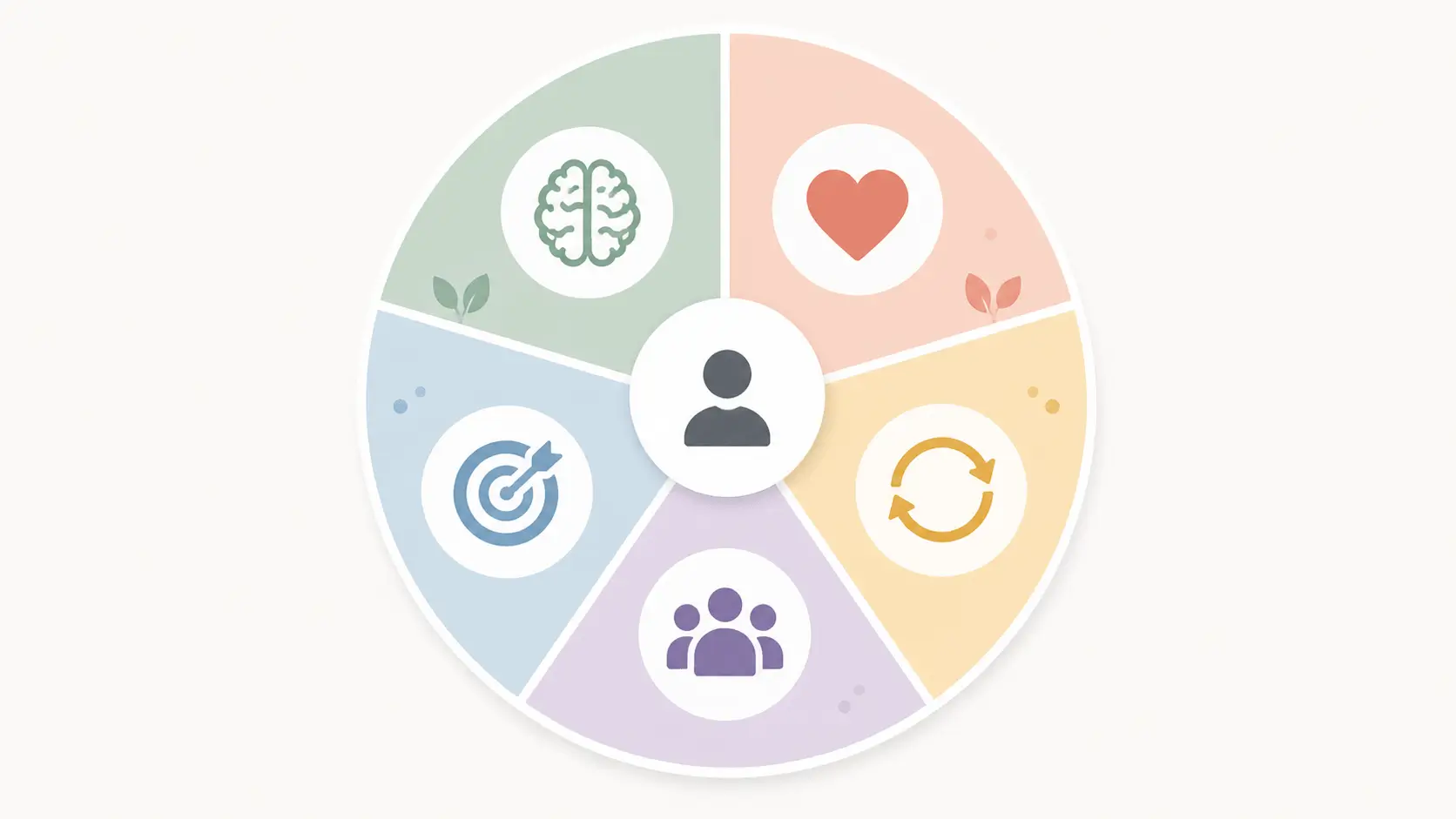
Focus on these essential domains:
- Mental growth: Learning, thinking patterns, cognitive flexibility
- Emotional growth: Self-awareness, emotional regulation
- Behavioral growth: Habits, discipline, routines
- Social growth: Communication, relationships
- Purpose-driven growth: Goals, meaning, direction
Proven Ways to Grow as a Person (Actionable Framework)
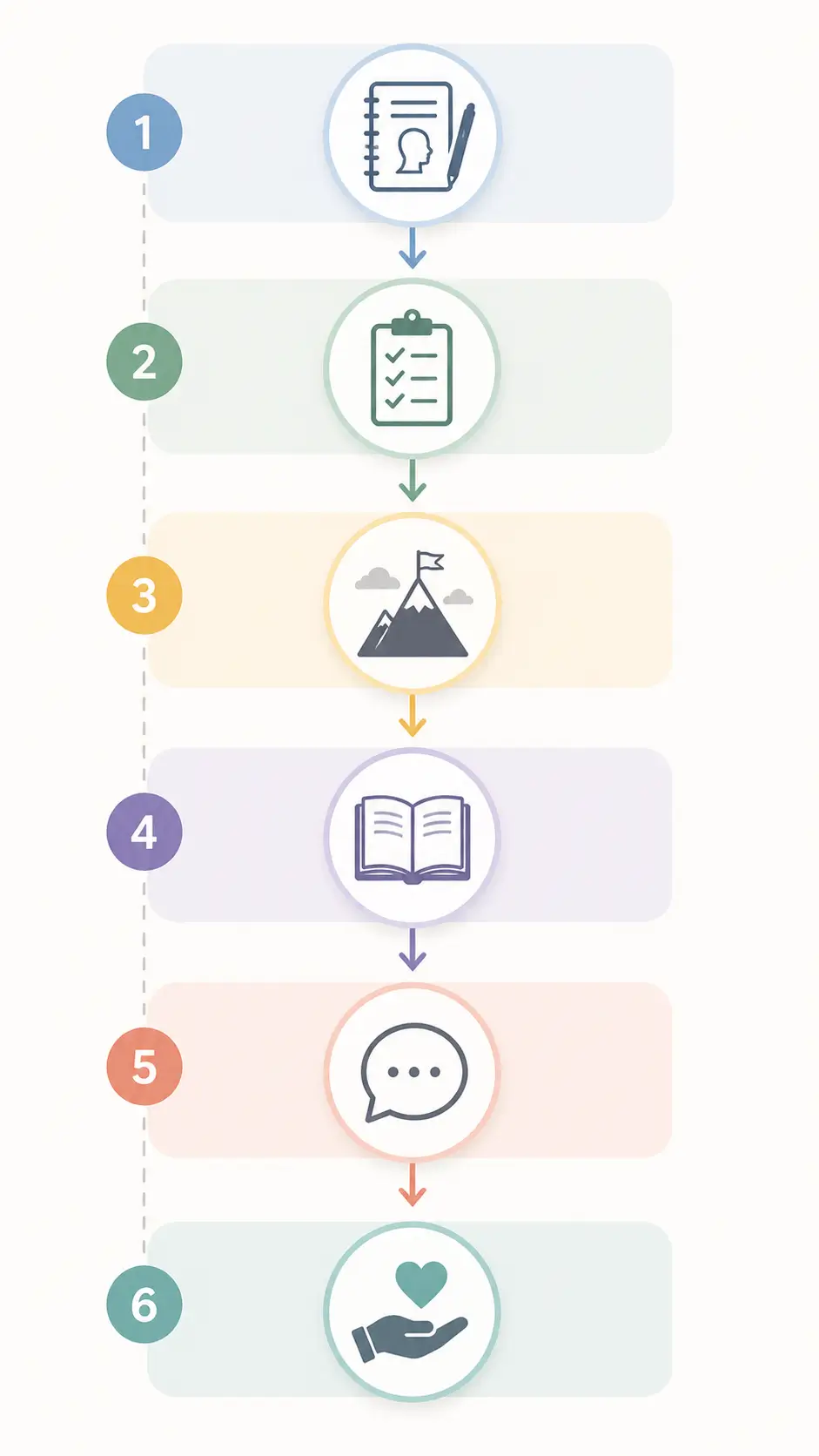
1. Build Self-Awareness Through Reflection
Use journaling and structured reflection to analyze decisions and behaviors.
Identify patterns, emotional triggers, and repeated mistakes.
2. Develop Consistent Habits
Small actions repeated daily create long-term results.
Use:
- Habit stacking
- Fixed routines
- Environmental cues
3. Step Outside Your Comfort Zone
Growth requires discomfort.
Facing fears builds resilience and reduces avoidance behavior.
4. Learn Continuously
Learning changes how you think.
Focus on:
- Reading
- Skill-building
- Exposure to new ideas
5. Seek Feedback and Mentorship
External input helps identify blind spots.
It accelerates improvement by correcting mistakes early.
6. Help Others and Build Empathy
Helping others builds emotional awareness and perspective.
It strengthens social intelligence and relationships.
How Reflection Helps You Grow as a Person
Reflection improves personal growth by turning experience into learning.
It helps you:
- Understand past decisions
- Identify mistakes
- Adjust future behavior
Without reflection:
- Patterns repeat
- Mistakes continue
How Challenges and Adversity Drive Personal Growth
Challenges force adaptation and reveal limitations.
They:
- Build resilience
- Improve problem-solving
- Strengthen emotional control
Growth occurs when discomfort is processed rather than avoided.
How Relationships and Social Experiences Shape Growth
Relationships provide real-world feedback on behavior.
They teach:
- Communication
- Emotional intelligence
- Boundary setting
Healthy relationships support growth, while toxic ones slow progress.
How Exposure to New Experiences Expands Personal Growth
New experiences challenge assumptions and broaden thinking.
They:
- Increase adaptability
- Improve open-mindedness
- Expand cognitive flexibility
Common Barriers That Prevent Personal Growth
- Fear of failure
- Lack of consistency
- Overthinking
- Comfort zone dependency
- Unrealistic expectations
Problem–Solution: Why People Struggle to Grow (And How to Fix It)
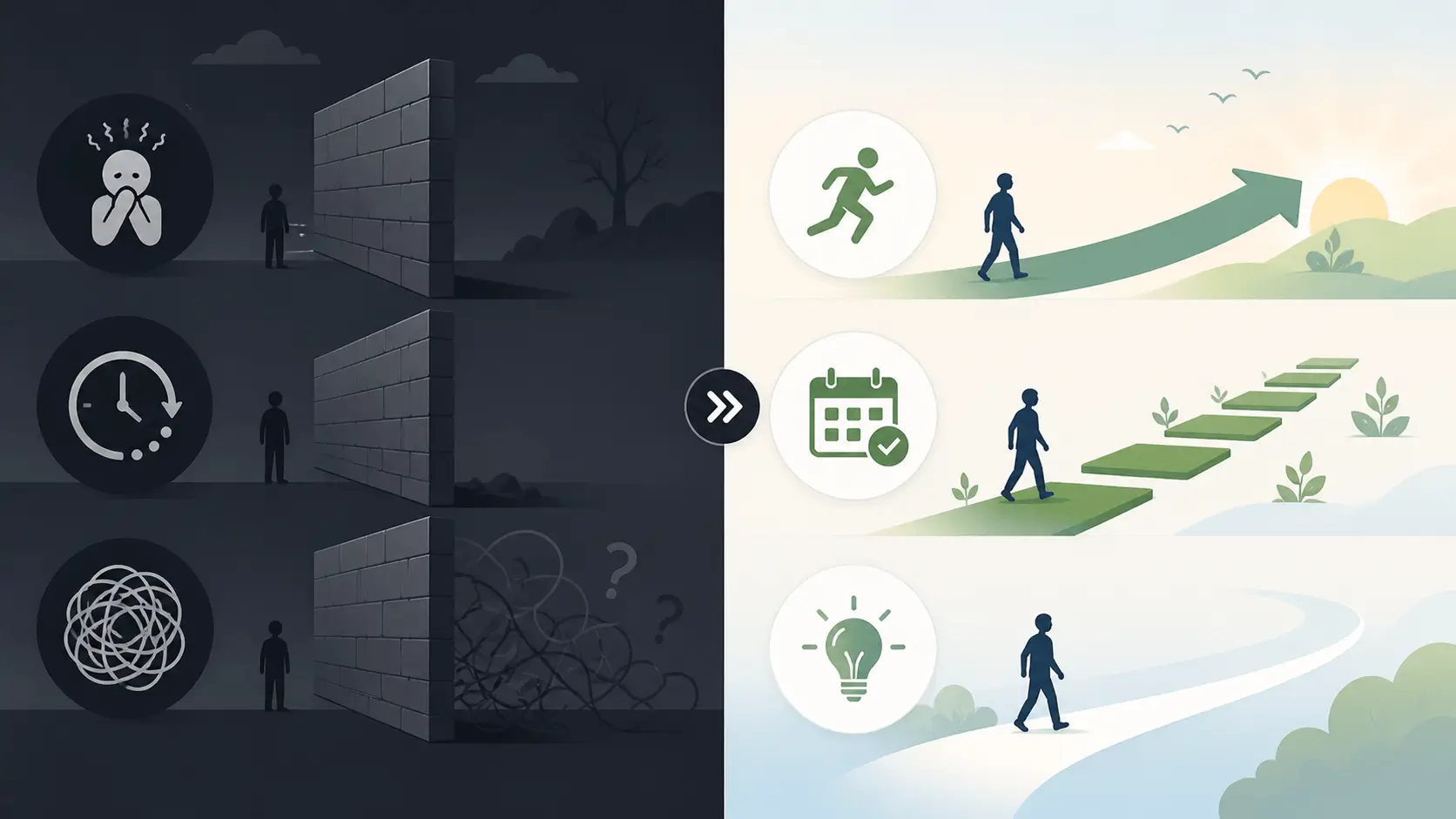
| Problem | Why It Happens | Solution |
|---|---|---|
| Procrastination | Avoidance of discomfort | Start small, reduce friction |
| Lack of Motivation | Emotion-driven behavior | Build systems and routines |
| Inconsistency | No structure | Use habit tracking |
| Overthinking | Fear of wrong decisions | Take action first |
| Burnout | Unsustainable effort | Balance effort with recovery |
Motivation vs Discipline in Personal Growth
| Motivation | Discipline |
|---|---|
| Emotion-driven | Habit-driven |
| Temporary | Consistent |
| Unreliable | Predictable |
| Starts action | Sustains action |
Insight: Long-term growth depends more on discipline than motivation.
Consistency vs Intensity in Self Growth
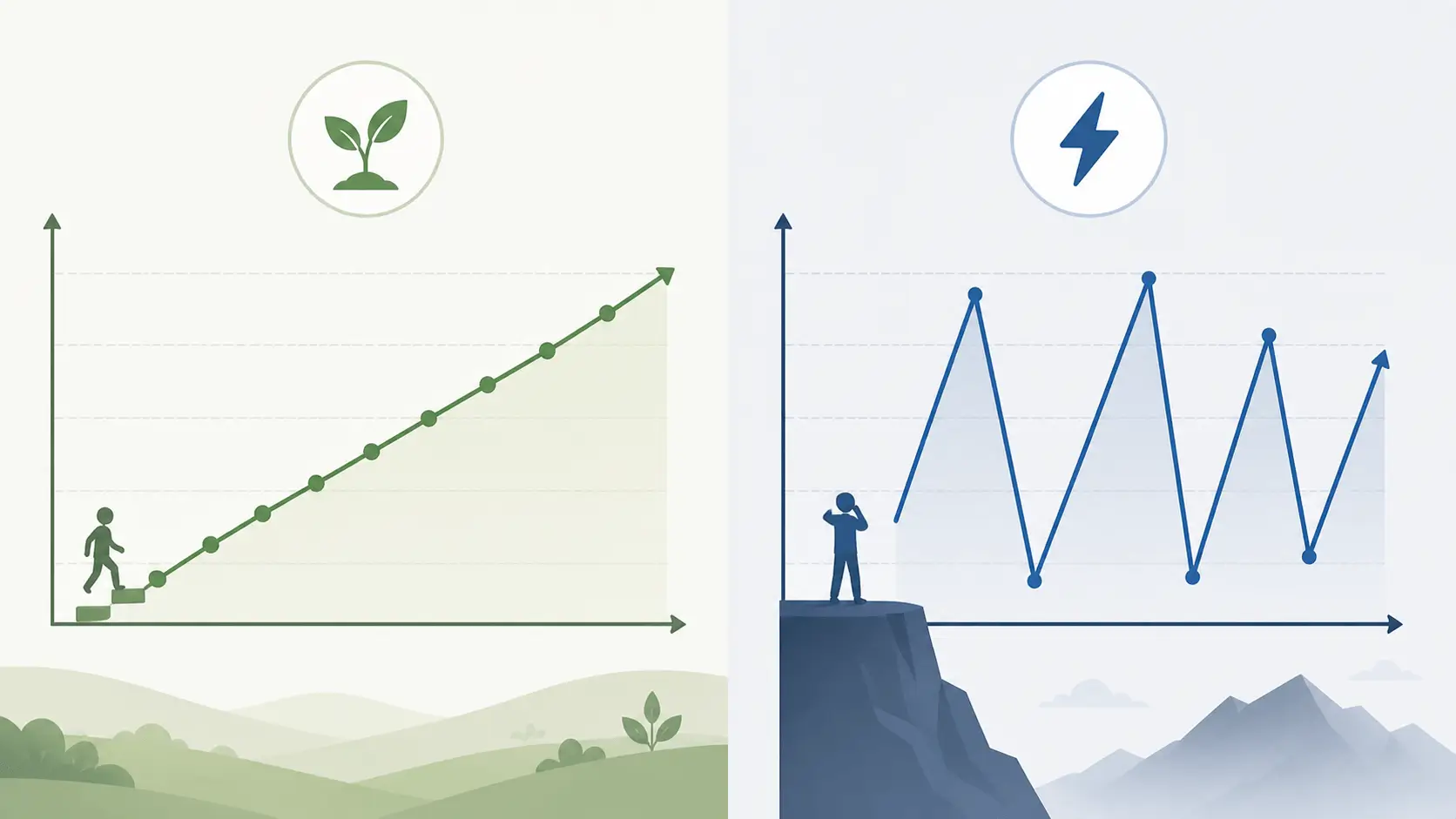
| Consistency | Intensity |
|---|---|
| Small daily actions | Occasional big effort |
| Sustainable | Hard to maintain |
| Builds habits | Causes burnout |
Practical Examples of Growing as a Person
- Learning from failure instead of quitting
- Improving communication in relationships
- Building a daily routine
- Managing emotions during stress
Simple Daily Routine for Continuous Personal Growth
- Morning: Set intentions and priorities
- Midday: Focused work and learning
- Evening: Reflection and journaling
What Actually Works vs Common Myths About Personal Growth
Myths:
- Growth requires motivation
- Big changes create success
Reality:
- Systems create progress
- Small actions compound over time
Conclusion
Growing as a person is a continuous, intentional process that requires self-awareness, consistent habits, and the willingness to face discomfort. Long-term progress is built through systems, not temporary motivation. The key takeaway is to focus on small daily actions that align with long-term goals. Sustainable personal growth comes from disciplined routines and continuous learning over time.
FAQs
1. Why do I struggle with personal growth?
You struggle due to fear of failure, lack of consistency, and relying on motivation instead of structured systems.
2. How can I grow as a person every day?
Practice small daily habits like reflection, learning, and disciplined action.
3. What is the fastest way to grow as a person?
There is no shortcut—consistent action over time is the most effective path.
4. How does self-reflection help personal growth?
It helps identify mistakes, patterns, and areas for improvement.
5. Can relationships help you grow as a person?
Yes, they improve emotional intelligence, communication, and self-awareness.
6. What are the most important areas of personal growth?
Mental, emotional, behavioral, social, and purpose-driven growth.








One Response