
Introduction
A mindset center is a mental health, counseling, and personal development facility that helps individuals improve emotional well-being, strengthen coping skills, and create healthier patterns of thinking and behavior. These centers often provide counseling services, psychotherapy, wellness support, anxiety treatment, trauma recovery programs, and stress management strategies. The core idea behind mindset-focused care is that thoughts, beliefs, and behavioral patterns significantly influence emotional health and life outcomes. By combining evidence-based therapeutic approaches with personal growth principles, mindset centers help individuals address emotional challenges, navigate life transitions, and build resilience for long-term well-being.
Quick Summary
- Mindset centers provide counseling, therapy, and wellness services designed to improve mental and emotional well-being.
- Many centers focus on anxiety, stress, trauma recovery, relationship challenges, and personal growth.
- Treatment approaches vary and may include psychotherapy, counseling, coaching, mindfulness, and evidence-based therapeutic methods.
- Choosing the right center depends on individual needs, therapist expertise, treatment goals, and available services.
- Long-term benefits often include stronger resilience, healthier relationships, and improved self-awareness.
What Is a Mindset Center?
A mindset center is a counseling, therapy, and wellness-focused organization that helps individuals improve mental health, emotional regulation, personal development, and behavioral patterns. Unlike general wellness programs that may focus primarily on physical health or relaxation, mindset centers typically integrate psychological support, counseling services, and evidence-based therapeutic techniques.
Mental health professionals within these centers help clients identify unhelpful thinking patterns, develop healthier coping strategies, and work toward meaningful personal goals. Services may range from anxiety treatment and trauma therapy to stress management and relationship counseling.
The Core Philosophy Behind Mindset-Based Therapy
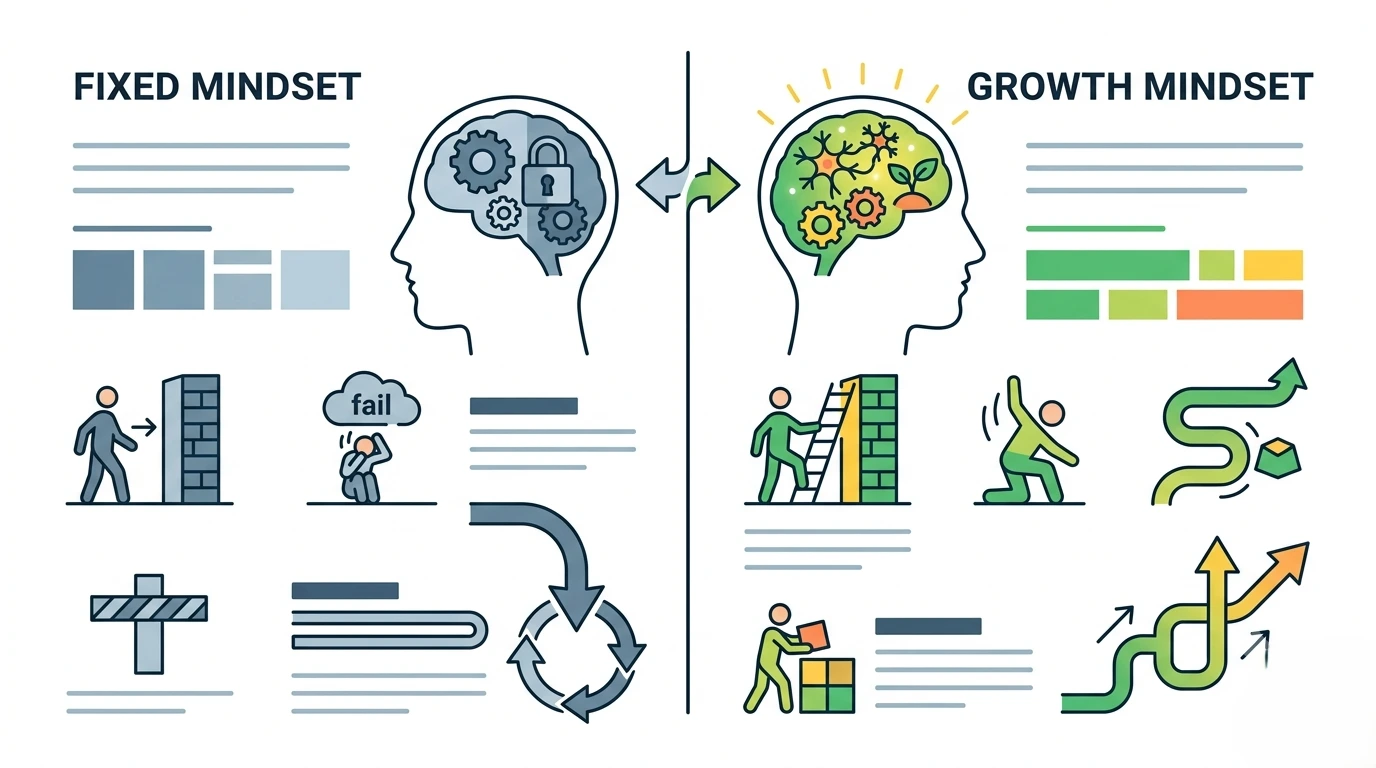
Mindset-based therapy is built on the understanding that beliefs influence emotions, behaviors, and decision-making. One widely recognized concept is the distinction between a growth mindset and a fixed mindset.
A growth mindset assumes that abilities and skills can improve through learning and effort, while a fixed mindset assumes personal traits are largely unchangeable. Psychological research suggests that individuals who develop adaptive thinking patterns often demonstrate greater resilience and motivation.
Mindset-based therapy incorporates principles from cognitive psychology, behavioral science, and emotional regulation theory. The goal is not simply positive thinking but developing realistic, flexible, and constructive perspectives.
Who Can Benefit From a Mindset Center?
Many individuals can benefit from mindset-focused services, including:
- People experiencing anxiety disorders
- Individuals recovering from trauma
- Those struggling with chronic stress
- Individuals facing major life transitions
- People seeking personal development
- Couples experiencing relationship challenges
- Professionals dealing with workplace pressure or burnout
In our experience helping readers understand mental health resources, individuals often seek support not only during crises but also when pursuing long-term emotional growth and self-improvement.
Common Services Offered by Mindset Centers
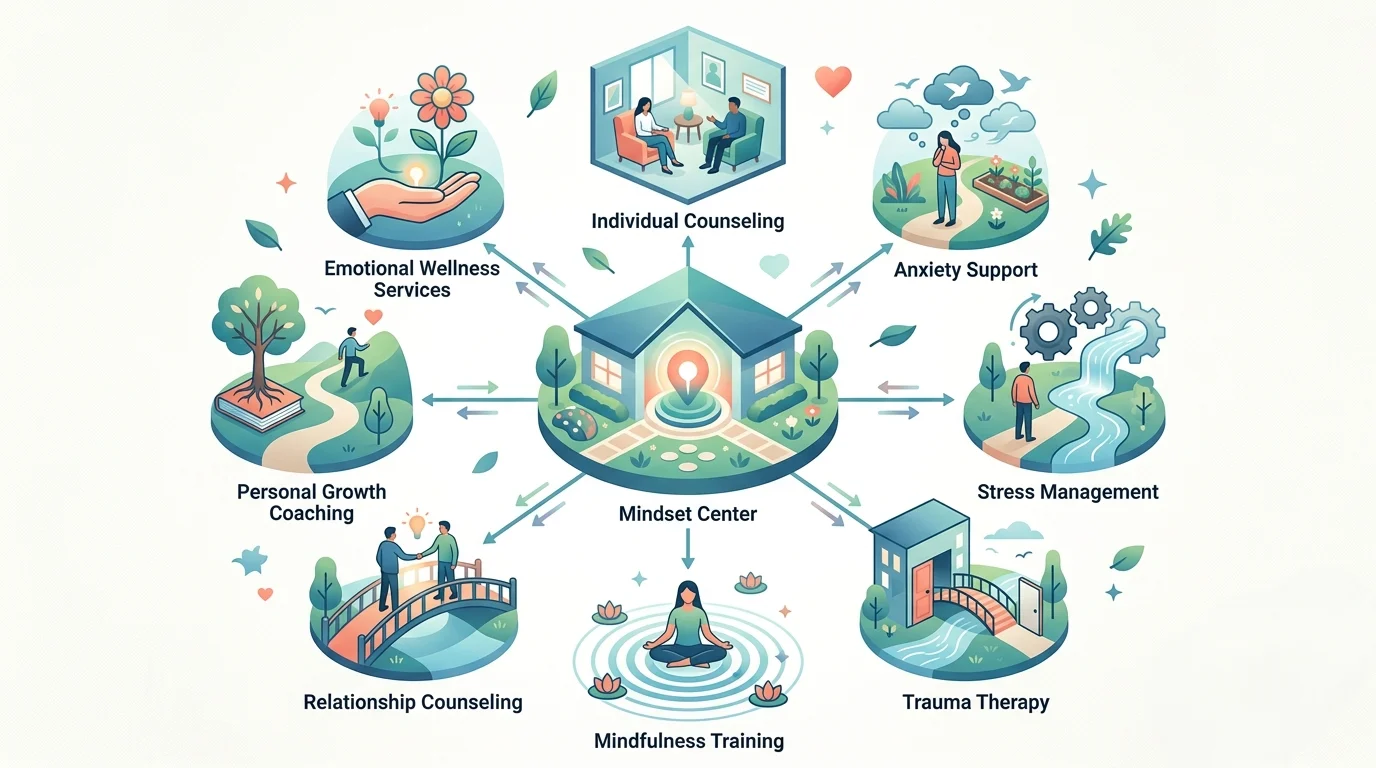
Most mindset centers offer a combination of therapeutic, counseling, educational, and wellness services. While offerings vary, the goal is typically to support emotional well-being and behavioral change.
Individual Counseling
Individual counseling involves one-on-one sessions with a licensed therapist or counselor.
Common goals include:
- Processing emotions
- Developing coping strategies
- Improving self-awareness
- Setting personal goals
- Managing mental health symptoms
Treatment plans are often customized based on individual needs, challenges, and objectives.
Anxiety and Stress Management Programs
Many mindset centers operate as a center for anxiety and trauma support or a center for stress and anxiety management.
Programs may include:
- Stress reduction techniques
- Emotional regulation training
- Cognitive restructuring
- Relaxation exercises
- Mindfulness practices
These interventions help individuals understand triggers, reduce symptoms, and develop healthier responses to stressful situations.
Trauma-Informed Therapy
Trauma-informed therapy recognizes the impact of traumatic experiences on emotional, psychological, and physical well-being.
Key elements include:
- Emotional safety
- Trust-building
- Gradual processing of experiences
- Resilience development
- Empowerment-focused care
Trauma-informed environments help clients feel secure while working through difficult experiences.
Mindfulness and Wellness Programs
Mindfulness programs teach individuals to increase awareness of thoughts, emotions, and physical sensations without excessive judgment.
Common practices include:
- Guided meditation
- Breathing exercises
- Body awareness techniques
- Stress reduction training
- Emotional awareness development
As of 2026, many mental health professionals increasingly incorporate mindfulness-based approaches alongside traditional therapy because of their demonstrated benefits for stress reduction and emotional regulation.
How Mindset Therapy Works

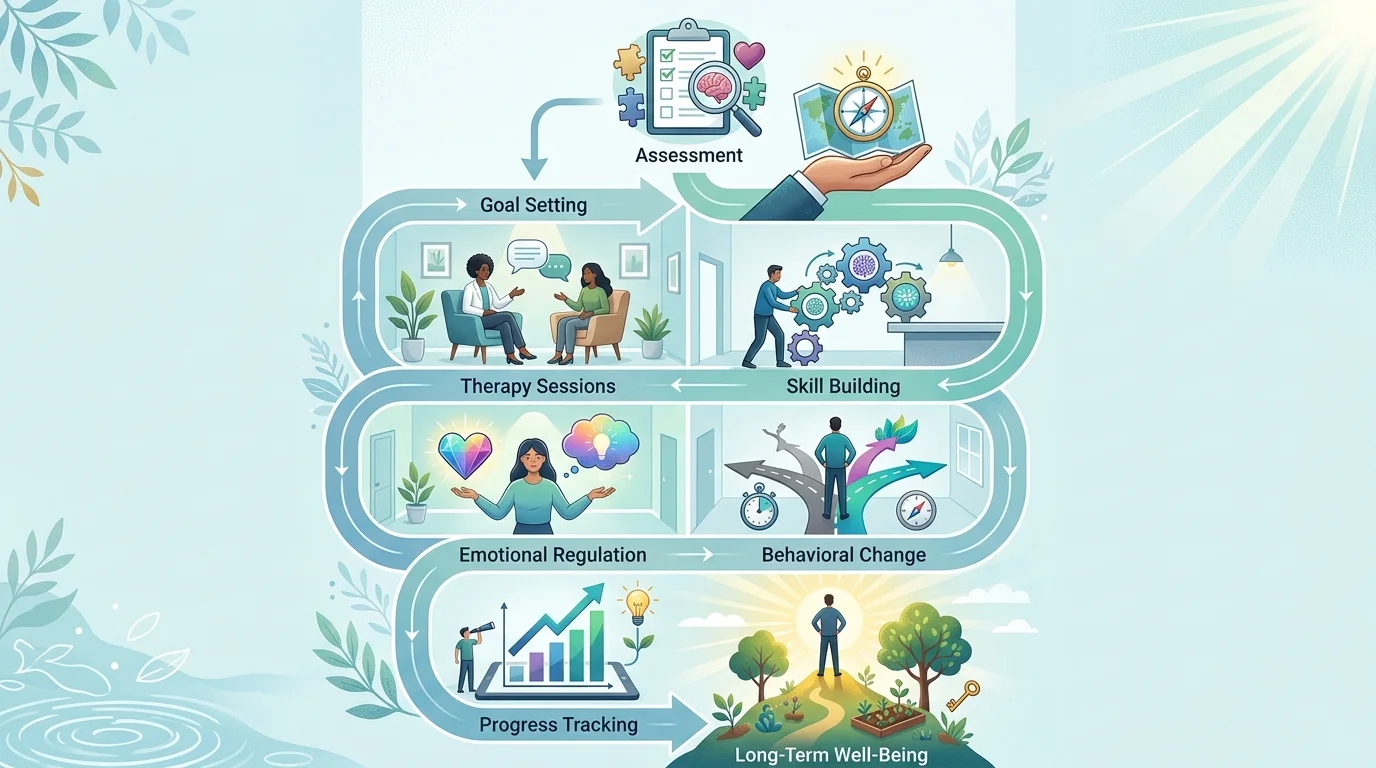
Mindset therapy typically follows a structured process that begins with assessment and progresses through goal-focused treatment and ongoing evaluation.
Initial Assessment and Goal Setting
The first phase focuses on understanding the client’s needs.
Therapists often assess:
- Emotional concerns
- Mental health symptoms
- Personal history
- Current challenges
- Desired outcomes
Based on this information, a treatment plan is developed with measurable goals.
Therapeutic Techniques Commonly Used
Several evidence-based approaches are commonly used in mindset therapy.Cognitive Behavioral Therapy (CBT) is one of the most widely researched approaches for emotional regulation and anxiety management. Readers interested in a deeper explanation can explore our guide on How Cognitive Behavioral Therapy (CBT) Helps Anxiety and Stress.
Cognitive Behavioral Therapy (CBT)
CBT helps individuals identify and modify unhelpful thoughts and behaviors.
Mindfulness-Based Therapy
Mindfulness approaches strengthen emotional awareness and present-moment attention.
Solution-Focused Therapy
This approach emphasizes strengths, resources, and practical solutions rather than extensive problem analysis.
Acceptance and Commitment Therapy (ACT)
ACT helps individuals accept difficult emotions while taking actions aligned with personal values.
Your Daily Thrive recommends discussing therapeutic approaches during consultation sessions to ensure they align with your goals and preferences.
Measuring Progress Over Time
Therapy progress is typically monitored through:
- Goal achievement
- Symptom reduction
- Improved coping skills
- Behavioral changes
- Increased emotional stability
Progress may occur gradually, and improvement often follows a non-linear pattern.
Anxiety, Stress, and Trauma Support at Mindset Centers
Anxiety, stress, and trauma are among the most common reasons individuals seek professional support.
Understanding Anxiety Disorders
Anxiety disorders involve excessive worry, fear, or nervousness that interferes with daily functioning.
Common symptoms include:
- Persistent worry
- Restlessness
- Sleep difficulties
- Irritability
- Difficulty concentrating
Treatment options may include psychotherapy, behavioral interventions, mindfulness techniques, and lifestyle modifications.
Managing Chronic Stress
Chronic stress can affect both mental and physical health.
Common sources include:
- Workplace demands
- Financial concerns
- Family responsibilities
- Health-related challenges
Burnout prevention strategies often include improved boundaries, stress management skills, self-care routines, and cognitive restructuring techniques.
Trauma Recovery and Emotional Healing
Trauma can have both short-term and long-term effects.
Potential impacts include:
- Emotional dysregulation
- Hypervigilance
- Relationship difficulties
- Anxiety symptoms
- Avoidance behaviors
Recovery often involves structured therapeutic interventions designed to improve emotional safety, resilience, and adaptive functioning.
Types of Mental Health Professionals You May Encounter
Understanding professional roles can help individuals choose appropriate support.
Therapists and Counselors
Therapists and counselors provide emotional support, psychotherapy, and counseling services.
They commonly help clients with:
- Anxiety
- Depression
- Stress management
- Relationship concerns
- Life transitions
Psychologists and Clinical Specialists
Psychologists often have advanced training in assessment, diagnosis, and specialized treatment.
Their services may include:
- Psychological evaluations
- Diagnostic assessments
- Specialized therapy programs
- Evidence-based interventions
Wellness and Mindset Coaches
Coaches focus primarily on performance, goal achievement, and personal growth rather than diagnosing or treating mental health conditions.
Coaching may be appropriate for:
- Career development
- Confidence building
- Habit formation
- Goal attainment
However, coaching should not replace mental health treatment when clinical concerns are present.
Comparing Different Types of Mindset and Counseling Centers
Different service models address different needs.
Counseling Centers vs Wellness Centers
Counseling centers primarily address emotional and mental health concerns, while wellness centers often focus on overall well-being, stress reduction, and lifestyle enhancement.
Trauma Centers vs General Therapy Centers
Trauma centers specialize in trauma-related conditions and may offer highly specialized treatment methods. General therapy centers address a broader range of concerns.
Therapy Centers vs Coaching Programs
Therapy centers focus on mental health treatment, while coaching programs focus on future-oriented goal achievement and performance improvement.
| Feature | Counseling Center | Therapy Center | Wellness Center | Coaching Program |
|---|---|---|---|---|
| Mental Health Treatment | Yes | Yes | Limited | No |
| Clinical Assessment | Sometimes | Yes | Rarely | No |
| Licensed Professionals | Yes | Yes | Varies | Not Required |
| Trauma Treatment | Sometimes | Often | No | No |
| Personal Growth Focus | Moderate | Moderate | High | High |
| Goal Achievement Support | Moderate | Moderate | Moderate | High |
| Insurance Coverage | Often | Often | Rarely | Rarely |
How to Choose the Right Mindset Center
Selecting the right center can significantly influence treatment outcomes.
Factors to Evaluate Before Starting Therapy
Consider:
- Professional credentials
- Areas of specialization
- Treatment approaches
- Accessibility
- Session availability
- Cost and insurance options
Questions to Ask During Consultation
Helpful questions include:
- What experience do you have with my concerns?
- What treatment methods do you use?
- How are goals established?
- How is progress measured?
- What should I expect from sessions?
Signs a Center Is a Good Fit
Indicators of a strong fit include:
- Comfortable communication
- Mutual trust
- Respectful interactions
- Clear treatment planning
- Alignment with personal goals
Common Challenges People Face During Therapy
Mental health improvement often involves challenges that many people do not anticipate.
Fear of Opening Up
Many individuals feel uncomfortable discussing personal experiences.
This is normal and often improves as trust develops. Effective therapists help clients progress at a manageable pace.
Slow or Uneven Progress
Therapy progress is rarely perfectly linear.
Periods of rapid improvement may be followed by plateaus. Consistency and realistic expectations are essential.
In our experience helping readers navigate personal growth, individuals who understand this reality often remain more engaged during challenging phases of treatment.
Applying Therapy Lessons in Daily Life
Real progress occurs when therapeutic insights are applied outside sessions.
Helpful strategies include:
- Journaling
- Habit tracking
- Reflection exercises
- Communication practice
- Behavioral experiments
Consistency is often more important than perfection.
Beginner Mistakes When Seeking Mental Health Support
Several common mistakes can delay progress.
Choosing Services Based Only on Convenience
Convenience matters, but specialization and treatment quality are equally important.
A therapist experienced with specific concerns may provide more effective support than the closest available provider.
Expecting Immediate Results
Therapy is a process rather than a quick fix.
Many individuals begin noticing meaningful changes over weeks or months, depending on goals, commitment, and treatment needs.
Ignoring Personal Treatment Goals
Clear goals help guide treatment and measure progress.
Without defined objectives, it can be difficult to evaluate outcomes effectively.
The Long-Term Benefits of Mindset-Focused Therapy
Mindset-focused therapy can support lasting personal development and emotional health.
Improved Emotional Resilience
Resilience involves adapting effectively to adversity.
Benefits may include:
- Better stress management
- Emotional flexibility
- Stronger coping skills
- Greater confidence during challenges
Better Relationships and Communication
Therapy often improves:
- Conflict resolution
- Emotional awareness
- Boundary setting
- Communication effectiveness
Healthier interpersonal skills contribute to stronger personal and professional relationships.
Stronger Personal Growth and Self-Awareness
Many individuals develop:
- Greater self-understanding
- Increased confidence
- Improved decision-making
- Stronger sense of purpose
These gains often continue long after formal therapy concludes.
Conclusion
A mindset center combines counseling, therapy, wellness support, and personal development services to help individuals improve emotional well-being and achieve meaningful growth. These centers commonly address anxiety, stress, trauma recovery, relationship challenges, and life transitions through evidence-based therapeutic approaches.
Choosing the right counseling or therapy service involves evaluating professional qualifications, treatment methods, and personal goals. When matched appropriately, mindset-focused therapy can strengthen resilience, improve relationships, enhance self-awareness, and support long-term mental wellness.
The key takeaway is simple: mindset development and emotional health are closely connected, and professional support can provide valuable tools for lasting positive change.
Frequently Asked Questions
What is a mindset center and how does it help people?
A mindset center is a mental health and wellness facility that provides counseling, therapy, coaching, and personal development services. It helps individuals improve emotional well-being, develop healthier thought patterns, manage stress, and achieve personal growth goals.
What services are typically offered at mindset counseling centers?
Services commonly include individual counseling, psychotherapy, anxiety treatment, trauma therapy, stress management programs, mindfulness training, relationship counseling, and personal development support.
Can mindset therapy help with anxiety and stress management?
Yes. Mindset therapy often uses evidence-based methods such as CBT, mindfulness-based interventions, and emotional regulation strategies to help individuals manage anxiety symptoms and reduce stress.
What is the difference between counseling, therapy, and coaching?
Counseling and therapy focus on emotional challenges and mental health concerns. Coaching focuses on personal growth, performance improvement, and goal achievement without treating mental health disorders.
How long does it take to see results from mindset-focused therapy?
Results vary based on individual circumstances, treatment goals, and consistency. Some people notice improvements within a few weeks, while deeper changes may develop over several months.
Is trauma therapy different from general counseling?
Yes. Trauma therapy uses specialized approaches designed to address the emotional, cognitive, and behavioral effects of traumatic experiences. General counseling may address broader life concerns without a trauma-specific focus.
How do I know if a mindset center is right for me?
A mindset center may be appropriate if you want support for anxiety, stress, trauma recovery, relationship concerns, emotional wellness, or personal growth. A consultation can help determine fit and treatment options.
What qualifications should I look for in a therapist or counselor?
Look for appropriate professional licensing, relevant clinical experience, specialized training related to your concerns, and evidence-based treatment approaches. Strong communication and trust are also important factors.