

Introduction
How to not let people get to you is the ability to remain emotionally stable when others act rude, critical, dismissive, or intentionally provocative. It is not about becoming numb or indifferent, but about separating external behavior from internal identity so your emotional state is not controlled by others.
This skill is built through emotional regulation, cognitive reframing, and strong mental boundaries. Human beings are naturally sensitive to social evaluation because the brain treats rejection and criticism as survival threats. However, learning to manage this response allows you to maintain clarity, confidence, and emotional independence even in difficult social environments.
Building emotional control is a key step in becoming the best version of yourself, where your reactions are no longer controlled by external behavior.
Quick Summary
- Emotional reactions come from interpretation, not events themselves
- You cannot control others, only your response and meaning-making
- Mental boundaries reduce overthinking and emotional instability
- Identity-based self-worth builds long-term resilience
- Pausing before reacting is the foundation of emotional control
Why People Let Others Get to Them (Psychology of Emotional Reactivity)
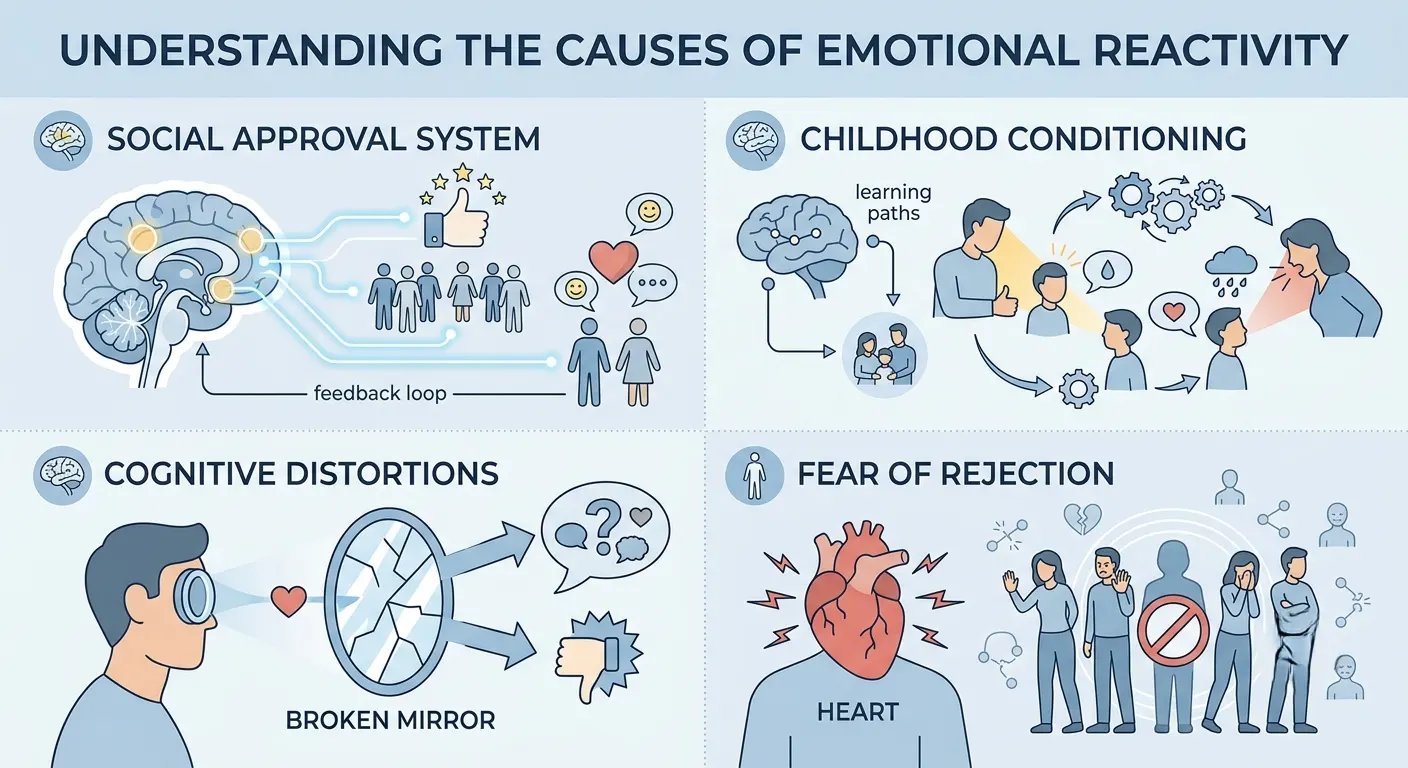
People get emotionally triggered because the brain is designed to prioritize social survival. Historically, rejection from a group meant danger, so the brain still reacts strongly to criticism, exclusion, or disrespect.
Key psychological drivers include:
- Need for belonging: The brain treats social rejection as threat
- Validation dependency: Self-worth becomes tied to external approval
- Identity attachment: Criticism feels like an attack on “who I am”
- Cognitive distortions: Personalization exaggerates meaning
Even neutral or minor comments can feel emotionally intense when interpreted as threats to identity or belonging.
Why You Let Others Affect Your Mood
Your emotional instability in social situations is often caused by internal patterns rather than external behavior alone.
Common causes include:
- Weak emotional boundaries with others’ opinions
- Stress, fatigue, or mental overload reducing regulation capacity
- Habitual rumination (replaying conversations repeatedly)
- Assuming intent instead of focusing on observable facts
When there is no mental gap between stimulus and reaction, emotions become automatic instead of intentional. This is why small comments can shift your entire mood.
Core Mental Mechanisms Behind “Getting Triggered”
Getting triggered follows predictable psychological processes:
- Personalization bias: assuming everything is about you
- Mind-reading distortion: believing you know others’ intentions
- Social comparison bias: measuring self-worth externally
- Threat response activation: emotional overreaction beyond logic
The brain creates internal narratives that exaggerate meaning, turning simple events into emotional experiences. The stronger the narrative, the stronger the emotional reaction.
How to Not Let People Get to You (Core Framework)
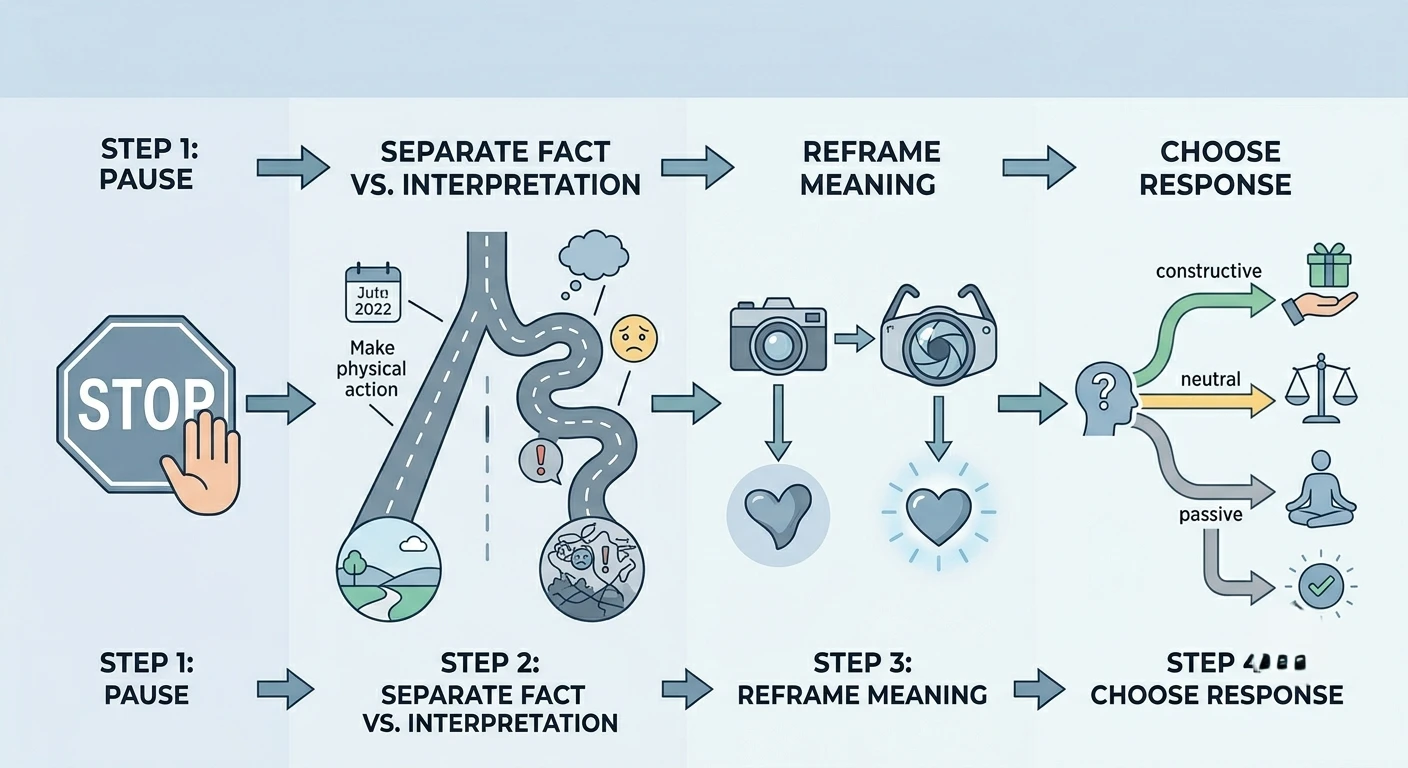
A structured system helps break automatic emotional reactions:
This approach is rooted in the idea of focus on what you can control, meaning your attention, interpretation, and response—not other people’s behavior.
Step 1: Pause the Automatic Reaction
Do not respond immediately. Emotional control begins with delay. This pause interrupts impulsive reactions and creates space for rational thinking.
Step 2: Separate Fact vs Interpretation
- Fact: “They made a rude comment.”
- Interpretation: “They don’t respect me.”
Most emotional suffering comes from interpretation, not fact.
Step 3: Reframe Meaning
Reframing reduces emotional intensity:
- “This reflects their emotional state, not my worth.”
- “Not every behavior requires a response.”
Step 4: Choose Response Intentionally
You now have options:
- Ignore the behavior
- Respond calmly
- Set a boundary
Control is regained when response becomes conscious instead of reactive.
What to Do When Someone Is Mean to You
When faced with rude or disrespectful behavior, emotional discipline is more powerful than confrontation.
Effective responses include:
- Avoid matching their emotional tone
- Do not over-explain or justify yourself
- Decide whether engagement is necessary or useful
At work or structured environments:
- Stay neutral and professional
- Focus on tasks instead of personalities
- Address repeated behavior only if it becomes a pattern
The goal is emotional control, not winning an argument.
How to Not Let What People Say Affect You Emotionally
Words only have power when you assign emotional weight to them.
Key strategies:
- Treat opinions as subjective interpretations, not truth
- Ask: “Is this useful feedback or emotional noise?”
- Avoid over-analyzing tone, sarcasm, or hidden meaning
- Stop replaying conversations mentally
Emotional detachment is not ignoring reality—it is reducing unnecessary psychological attachment.
Long-Term Strategies to Build Emotional Resilience
Emotional stability improves when discipline becomes internalized, similar to how to build discipline without motivation, where actions are based on identity rather than mood.”
Long-term emotional stability is built through consistent psychological training:
- Journaling emotional triggers to identify patterns
- Practicing delayed response habits in daily life
- Strengthening internal validation (“my worth is not conditional”)
- Reducing exposure to consistently toxic environments
Over time, emotional reactivity decreases because your identity becomes less dependent on external feedback.
Healthy Detachment vs Emotional Reactivity
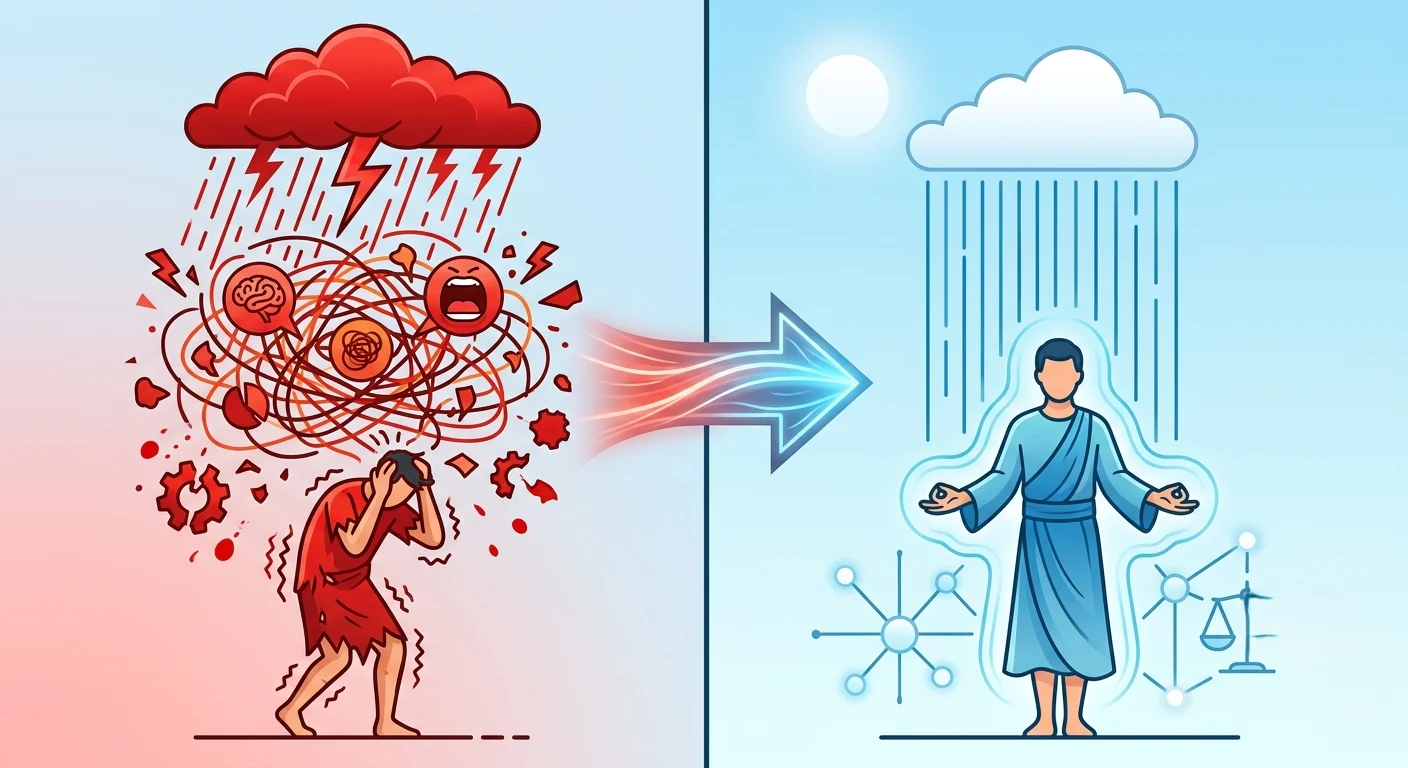
| Concept | Emotional Reactivity | Healthy Detachment |
|---|---|---|
| Response style | Instant emotional reaction | Delayed intentional response |
| Self-worth source | External validation | Internal stability |
| Conflict handling | Defensive behavior | Calm boundary setting |
| Thinking pattern | Personalization | Objectivity |
Healthy detachment is not emotional suppression—it is emotional control with clarity.
Triggers vs Thought Patterns vs Better Responses
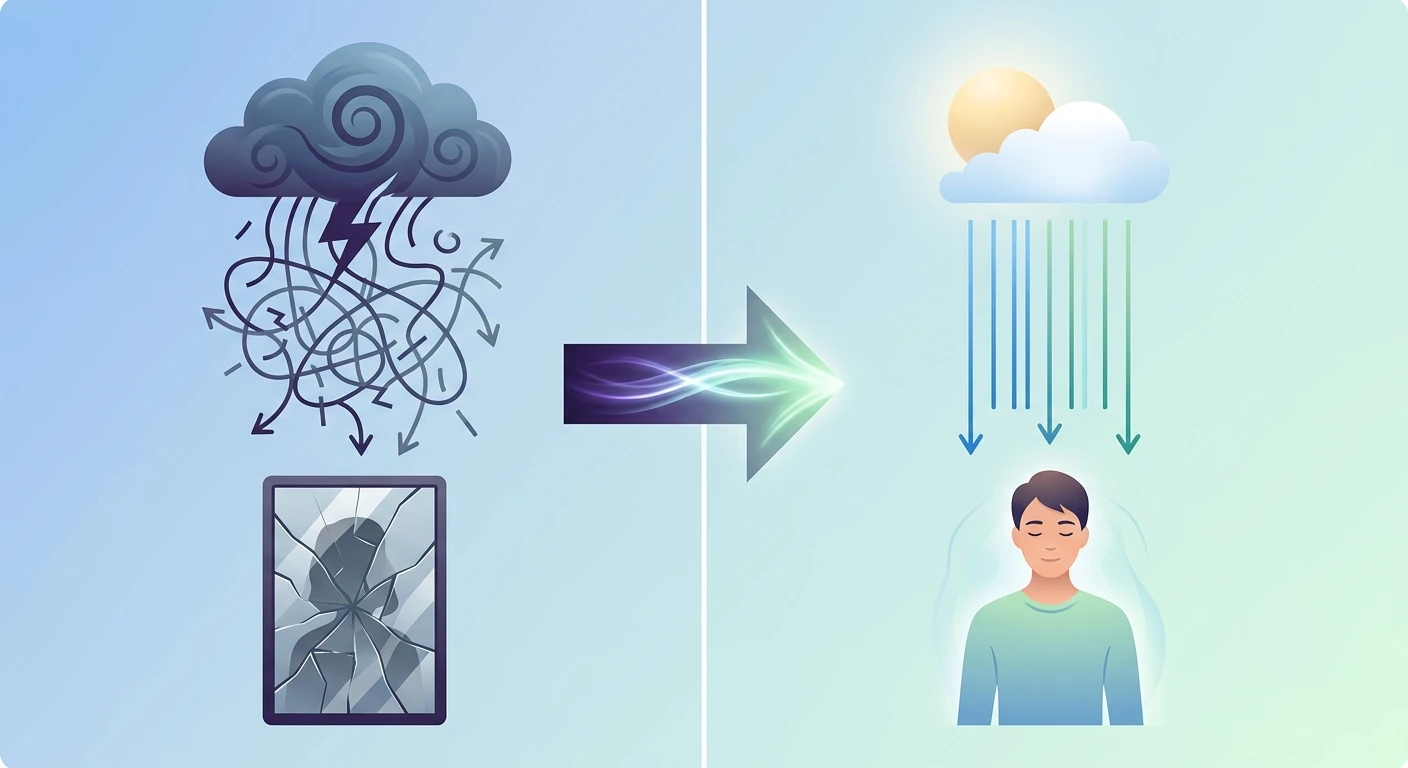
| Trigger | Thought Pattern | Better Response |
|---|---|---|
| Insult | “They disrespect me” | “This reflects them, not me” |
| Criticism | “I’m failing” | “This is feedback, not identity” |
| Rudeness | “I must respond” | “I can choose silence” |
| Exclusion | “I’m unwanted” | “This may not be personal” |
This separation helps break automatic emotional loops.
Mental & Behavioral Factors That Influence Sensitivity
Emotional sensitivity is influenced by internal conditions:
- High stress reduces emotional regulation capacity
- Sleep deprivation increases irritability and reactivity
- Personality traits influence baseline sensitivity levels
Importantly, sensitivity is not a fixed identity trait. It is a manageable response pattern that can be improved through practice.
Real-Life Scenarios (Practical Application)
Workplace scenario:
A manager gives harsh feedback. Instead of internalizing it, you extract useful points and ignore emotional tone. This improves performance without emotional damage.
Social scenario:
Someone uses sarcasm or passive aggression. Instead of reacting, you maintain neutrality and avoid escalation.
Online scenario:
Negative comments are designed for attention. Not engaging prevents emotional manipulation.
Common Mistakes That Make Things Worse
- Over-explaining yourself to people who are already disrespectful
- Trying to “win” emotional conflicts
- Replaying conversations repeatedly in your mind
- Seeking validation immediately after interactions
- Assuming intent without evidence
These behaviors increase emotional dependency and reduce psychological control.
Problem–Solution Breakdown
Problem: Overthinking what people said
- Cause: Need for approval and closure
- Fix: Separate fact vs interpretation
- Prevention: Set time limits on rumination
Problem: Emotional overwhelm in conflict
- Cause: No pause between trigger and reaction
- Fix: Breathing + delayed response technique
- Prevention: Practice neutral responses daily
Problem: Feeling easily offended
- Cause: Self-worth tied to external feedback
- Fix: Build internal validation system
- Prevention: Reduce social comparison habits
Conclusion
Learning how to not let people get to you is ultimately about emotional independence. You cannot control what others say or do, but you can control interpretation, attention, and response. When you stop personalizing behavior and strengthen internal stability, external negativity loses its emotional influence. Over time, this creates calmness, resilience, and stronger self-control in all areas of life.
FAQs
Why do I struggle with letting people affect my mood?
Because the brain interprets social judgment as a survival threat when self-worth depends on external validation.
How do I stop taking things personally?
By separating facts from interpretations and avoiding assumptions about intent.
What should I do when someone is mean to me?
Pause, avoid reacting emotionally, and respond only if necessary with calm boundaries.
How do I not let work criticism affect me?
Treat feedback as information about performance, not identity.
Why do I keep replaying conversations?
Because of rumination loops caused by unresolved emotional processing.
Can emotional control be learned?
Yes. It develops through consistent practice of pause, reframing, and boundary-setting.