

Introduction
A counselor helps individuals manage emotional, behavioral, and life challenges while supporting mental health, personal growth, and overall well-being. Counseling can help people develop coping skills, improve relationships, manage stress, and navigate major life transitions. While counseling, therapy, psychiatry, and psychological services all support mental health, they differ in their focus and treatment methods. Amherst, MA offers a variety of mental health resources for students, professionals, couples, and families seeking support. Understanding these options can make it easier to find the right provider and choose care that aligns with your goals. If you are searching for a Counselor Amherst MA, knowing how these services differ is an important first step.
Quick Summary
- Counselors help individuals manage emotional, behavioral, relationship, and life challenges.
- Amherst residents can choose from counseling, therapy, and psychiatric services depending on their needs.
- Finding the right therapist involves matching specialties, treatment approaches, availability, and personal comfort.
- Consistency and a strong therapeutic relationship often contribute to better outcomes.
- Early support can improve coping skills, resilience, and long-term mental wellness.
What Does a Counselor Do?

A counselor is a trained professional who helps people address emotional concerns, life challenges, behavioral patterns, and relationship difficulties. Counseling is generally focused on providing support, guidance, problem-solving strategies, and practical tools for managing everyday issues.
Counseling may be short-term when addressing a specific concern or long-term when supporting ongoing personal growth and emotional well-being. Many people seek counseling before challenges become overwhelming, while others use it as part of a broader mental health treatment plan.
Common Reasons People Seek Counseling
People pursue counseling for a wide variety of reasons, including:
- Stress and anxiety
- Depression and mood concerns
- Relationship challenges
- Academic pressure
- Career uncertainty
- Life transitions
- Grief and loss
- Personal growth and self-awareness
Counseling can help individuals better understand their emotions and develop healthier responses to difficult situations.
How Counseling Supports Behavior Change
Counseling often focuses on identifying patterns that influence thoughts, emotions, and behaviors.
Many counseling approaches also help individuals learn how to build discipline without motivation by creating systems, routines, and behavioral strategies that support long-term change.
Key ways counseling supports behavior change include:
- Improving emotional regulation
- Identifying unhelpful thought patterns
- Building healthier habits
- Creating accountability
- Developing coping strategies
- Strengthening decision-making skills
Behavior change becomes more sustainable when individuals understand the connection between their thoughts, emotions, and actions.
Counseling vs Therapy vs Psychiatry: Understanding the Differences
Counseling, therapy, and psychiatry all support mental health, but each serves a different purpose.
Comparison Block: Counseling vs Therapy vs Psychiatry
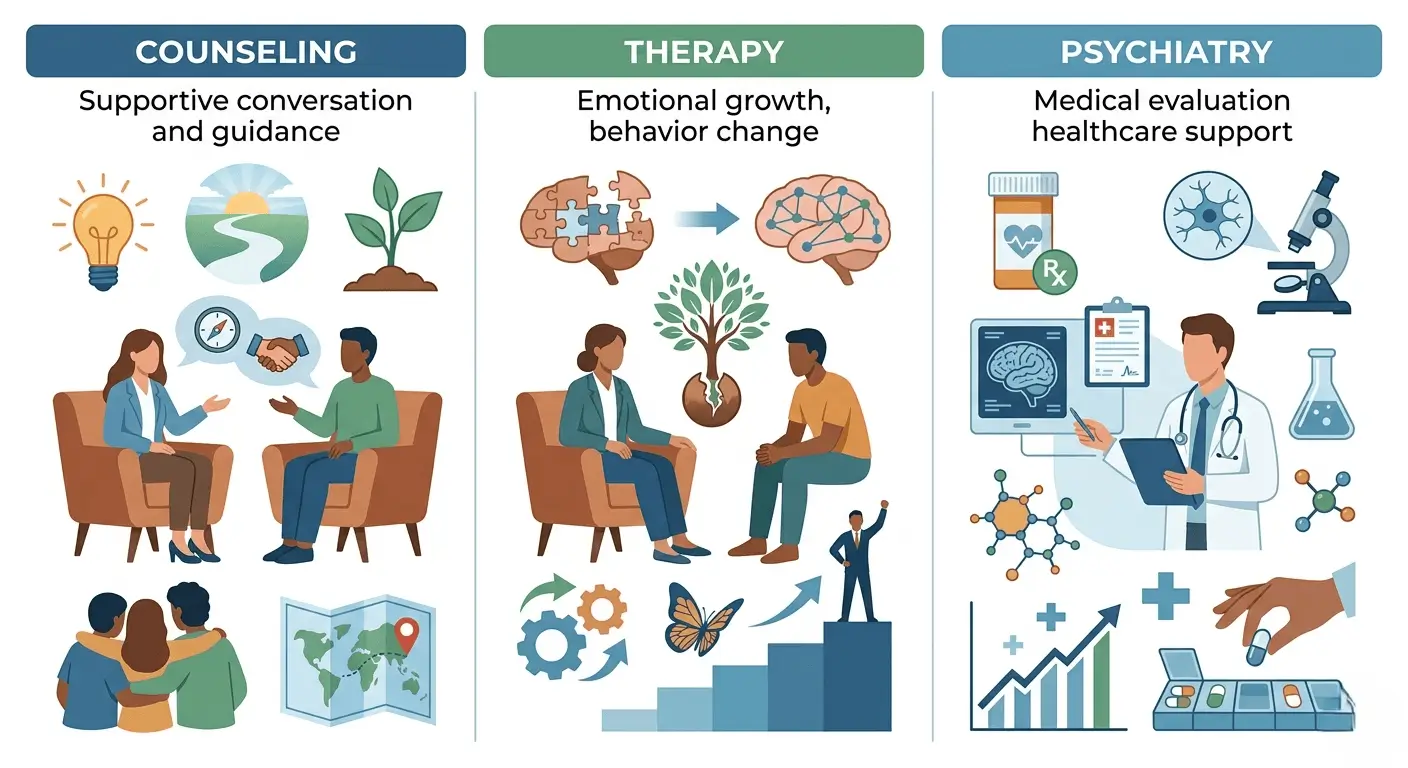
| Service | Primary Focus | Common Methods | Best For |
|---|---|---|---|
| Counseling | Problem-solving and support | Talk-based strategies | Everyday challenges |
| Therapy | Emotional and behavioral change | Evidence-based treatment approaches | Ongoing mental health concerns |
| Psychiatry | Medical evaluation and medication management | Diagnosis and medication treatment | Complex or severe symptoms |
Counseling is often used for situational challenges and personal development. Therapy may focus on deeper emotional and behavioral concerns. Psychiatry addresses mental health conditions from a medical perspective and may include medication management when appropriate.
How to Find a Therapist in Massachusetts
Finding a therapist in Massachusetts involves more than selecting the first provider you find. The goal is to identify a professional whose expertise, treatment style, and availability match your needs.
Important factors to consider include:
- Clinical specialties
- Treatment approaches
- Insurance acceptance
- Session format
- Scheduling availability
- Personal comfort level
A strong therapeutic relationship can significantly influence the effectiveness of treatment.
Questions to Ask Before Choosing a Therapist
Before committing to treatment, consider asking:
- What are your areas of specialization?
- What treatment approaches do you use?
- Do you accept my insurance plan?
- Are sessions available in-person or online?
- What is your typical availability?
- How do you measure progress?
These questions can help clarify expectations and determine whether a therapist is a good fit.
Signs a Therapist May Be a Good Fit
Common indicators include:
- Feeling heard and understood
- Clear and respectful communication
- Collaborative goal setting
- Comfort discussing personal concerns
- Consistent progress over time
Trust and openness are important components of successful counseling.
Types of Mental Health Services Available in Amherst
Many communities offer a range of mental health services to address different needs and circumstances.
Individual Counseling
Individual counseling provides one-on-one support for concerns such as:
- Anxiety
- Stress management
- Self-esteem issues
- Personal development
- Life transitions
This format allows individuals to explore concerns in a private and supportive environment.
Couples Therapy
Couples therapy focuses on improving relationship functioning through:
- Better communication
- Conflict resolution
- Trust rebuilding
- Emotional connection
- Relationship strengthening
Many couples seek therapy proactively to improve relationship health.
Family Counseling
Family counseling addresses challenges that affect multiple family members.
Common concerns include:
- Parenting challenges
- Communication difficulties
- Family conflict
- Major life transitions
- Behavioral concerns
The goal is often to improve understanding and strengthen family relationships.
Student and Young Adult Mental Health Support
Students and young adults frequently experience challenges related to:
- Academic pressure
- Social adjustment
- Identity development
- Career uncertainty
- Increased independence
Mental health support can help young adults build resilience and navigate important life transitions.
Why People Delay Seeking Counseling

Many individuals recognize they could benefit from counseling but postpone taking action.
Behavioral psychology suggests that several mental barriers commonly contribute to this delay.
Fear of Judgment
People may avoid counseling because of:
- Social stigma
- Privacy concerns
- Fear of being judged
- Misconceptions about therapy
In reality, seeking support is a proactive step toward improving well-being.
Believing Problems Are “Not Serious Enough”
Some people assume counseling is only necessary during a crisis.
However, early intervention can:
- Prevent escalation
- Improve coping skills
- Reduce emotional distress
- Increase resilience
Addressing concerns early is often more effective than waiting for symptoms to worsen.
Overwhelm and Decision Fatigue
Finding a provider can feel overwhelming due to:
- Too many options
- Insurance confusion
- Uncertainty about credentials
- Scheduling concerns
Breaking the process into smaller steps can make it more manageable.
Common Mental Health Challenges Counseling Can Address
Anxiety and Chronic Stress
Anxiety and chronic stress may lead to:
- Excessive worry
- Difficulty concentrating
- Irritability
- Sleep disturbances
Counseling can help individuals identify triggers and develop healthier coping strategies.
Individuals experiencing persistent worry, emotional overwhelm, or racing thoughts may wonder why do i feel like i’m losing my mind, even when these experiences are often linked to anxiety, chronic stress, or burnout.
Depression and Low Motivation
Depression can affect emotional, cognitive, and behavioral functioning.
Common symptoms include:
- Persistent sadness
- Reduced motivation
- Low energy
- Loss of interest in activities
Professional support can help individuals develop practical strategies for recovery and emotional stability.
Burnout and Emotional Exhaustion
Burnout often results from prolonged exposure to stress.
Common contributors include:
- Workplace demands
- Academic pressure
- Caregiving responsibilities
- Lack of recovery time
Counseling may help individuals establish healthier boundaries and recovery habits.
Relationship and Communication Difficulties
Many interpersonal conflicts stem from recurring communication patterns.
Developing empathy is a core communication skill, and understanding why empathy is important in relationships can help individuals strengthen trust, reduce conflict, and improve emotional connection.
Counseling can help individuals develop:
- Emotional awareness
- Active listening skills
- Conflict management strategies
- Healthier communication habits
Improved communication often strengthens both personal and professional relationships.
What Happens During the First Counseling Session?
The first counseling session is designed to help the counselor understand your concerns, goals, and background.
It is also an opportunity for you to determine whether the counselor feels like a good fit.
Topics Commonly Discussed
Initial sessions often include discussions about:
- Personal history
- Current concerns
- Emotional challenges
- Relationships
- Counseling goals
- Previous treatment experiences
This information helps guide future sessions.
Building a Therapeutic Relationship
A strong therapeutic relationship is often built through:
- Trust
- Open communication
- Mutual respect
- Consistency
Research consistently shows that the quality of the therapeutic relationship influences outcomes.
Science-Backed Factors That Improve Counseling Outcomes
Several factors are associated with positive counseling outcomes:
- Strong therapeutic alliance
- Consistent attendance
- Realistic expectations
- Active participation
- Practice outside sessions
Meaningful change often occurs when individuals apply skills learned during counseling to everyday situations.
Common Myths About Counseling
Myth vs Reality Block
| Myth | Reality |
| Counseling is only for severe problems | Many people use counseling for growth and prevention |
| Progress should be immediate | Meaningful change often takes time |
| Asking for help is weakness | Seeking support is a proactive coping strategy |
| Therapy only focuses on problems | Therapy also builds strengths and resilience |
Understanding the realities of counseling can help reduce stigma and encourage earlier support-seeking behavior.
Practical Steps to Get Started With Counseling
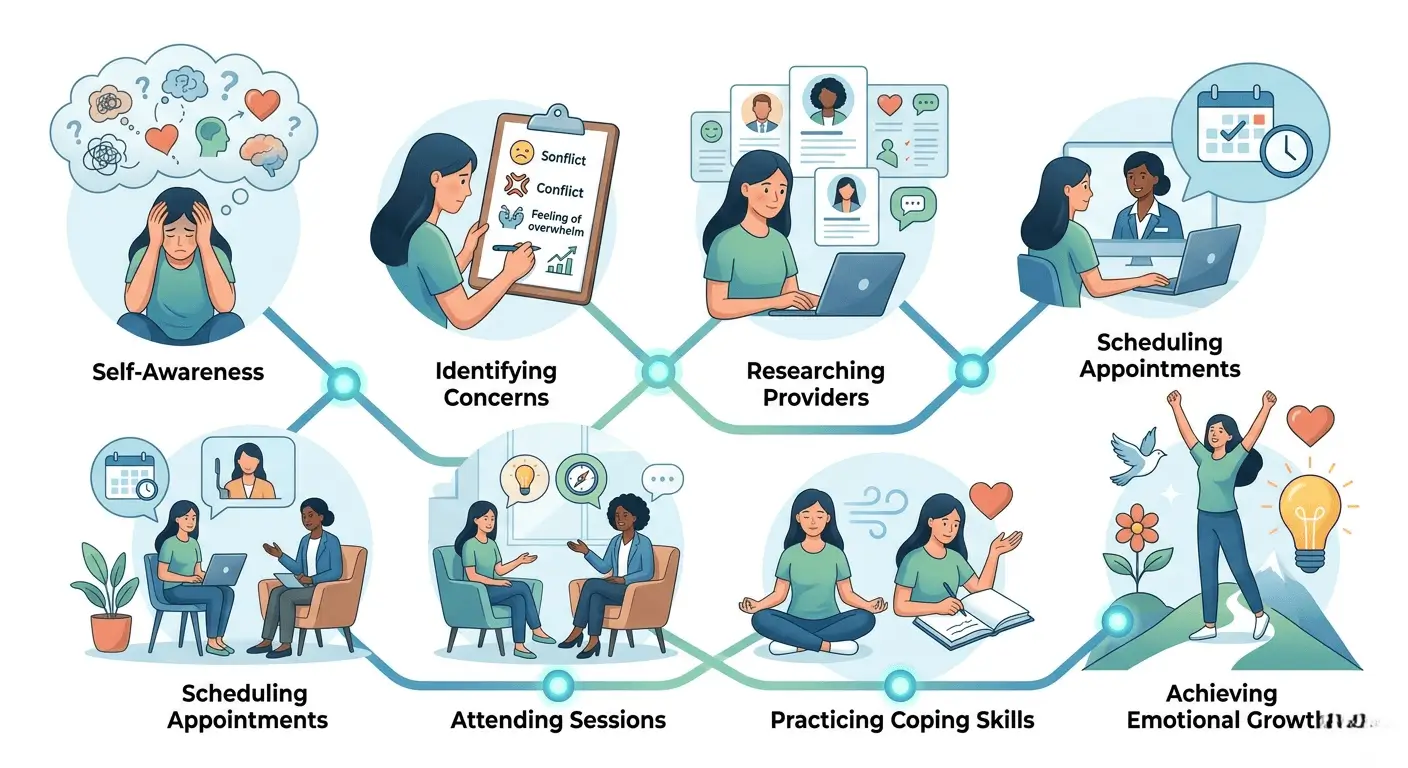
Step-by-Step Process
- Identify your primary concern.
- Determine whether counseling, therapy, or psychiatry fits your needs.
- Research qualified providers.
- Verify insurance and logistics.
- Schedule an initial consultation.
- Evaluate fit after the first few sessions.
- Commit to consistent participation.
Small, intentional steps can make the process of finding support more manageable and less overwhelming.
Conclusion
Counseling can provide valuable support for emotional well-being, personal growth, relationships, and mental health challenges. Understanding the differences between counseling, therapy, and psychiatry helps individuals choose the most appropriate form of care for their needs. Finding the right counselor in Amherst, MA involves evaluating qualifications, treatment approaches, and personal compatibility. Long-term improvement often results from consistent participation, realistic expectations, and a strong therapeutic relationship. Taking the first step toward support can create meaningful opportunities for resilience, growth, and improved mental health.
FAQs
What is the difference between a counselor and a therapist?
A counselor often focuses on practical guidance, coping skills, and specific life challenges, while a therapist may address deeper emotional and behavioral patterns through evidence-based treatment approaches.
How do I find a therapist in Massachusetts?
Start by identifying your goals, researching licensed providers, reviewing specialties, verifying insurance coverage, and scheduling consultations to assess compatibility.
When should I consider counseling instead of psychiatry?
Counseling may be appropriate when seeking support for emotional concerns, stress, relationships, or personal growth. Psychiatry is often recommended when symptoms may require medical evaluation or medication management.
How many counseling sessions do people usually need?
The number of sessions varies depending on individual goals and concerns. Some people benefit from short-term counseling, while others participate in longer-term treatment.
What should I expect during my first counseling appointment?
The first appointment typically includes discussing your background, current challenges, goals, and expectations while building an initial understanding with the counselor.
Can counseling help with anxiety and stress management?
Yes. Counseling can help individuals identify triggers, develop coping strategies, improve emotional regulation, and build resilience when dealing with anxiety and stress.
How do I know if a therapist is the right fit for me?
A therapist may be a good fit if you feel understood, respected, comfortable communicating openly, and able to work collaboratively toward your goals.
Is couples therapy effective for improving communication?
Couples therapy can be effective in helping partners improve communication, resolve conflicts, strengthen trust, and develop healthier relationship patterns.