

Introduction
The mindset of a cheating man refers to the thoughts, emotional patterns, beliefs, and decision-making processes that may contribute to infidelity. Understanding the psychology of cheating helps explain why some individuals cross relationship boundaries, how they justify their actions, and what behavioral patterns may develop over time. Cheating is influenced by multiple factors, including personal values, emotional regulation, relationship skills, and accountability. Studying these factors can help people recognize unhealthy patterns, process betrayal, and make informed choices about relationships.
Quick Summary
- The mindset behind cheating often involves emotional needs, personal beliefs, poor boundaries, and self-justification.
- The psychology behind cheating and lying commonly involves avoiding responsibility and minimizing consequences.
- Characteristics of a cheating man may include secrecy, dishonesty, impulsive decisions, and emotional avoidance.
- Repeated cheating can become a behavioral pattern when underlying issues remain unresolved.
What Is the Mindset of a Cheating Man?
The mindset of a cheating man involves the internal beliefs, emotions, and thought patterns that influence the decision to betray a partner’s trust. It is shaped by personality, emotional maturity, relationship experiences, and personal standards.
Healthy relationships also require empathy, emotional awareness, and the ability to understand how personal choices affect another person.
Cheating is rarely caused by one single factor. Behavioral psychology suggests that actions often result from an interaction between:
- Personal beliefs about relationships
- Emotional regulation abilities
- Impulse control
- Opportunity and environment
- Ability to manage conflict
A person may experience attraction outside a relationship without acting on it. The critical difference is how someone manages thoughts, boundaries, and choices.
Understanding the psychology of a cheater means examining the decision-making process rather than simply labeling someone’s character.
What Goes Through a Man’s Mind When He Cheats?
When a man cheats, his thoughts may involve a mixture of desire, justification, conflict, and avoidance. Many people who engage in infidelity create mental explanations that reduce feelings of guilt or responsibility.
Common thought patterns may include:
- Rationalization: Creating reasons why the behavior feels acceptable.
- Compartmentalization: Separating the affair from the identity of being a partner.
- Minimizing consequences: Believing the impact will be smaller than it actually is.
- Seeking emotional reward: Looking for excitement, validation, or attention.
The psychology behind cheating and lying often involves cognitive distortions, where people adjust their thinking to reduce discomfort between their actions and their values.
For example, someone may believe they are a “good person” while simultaneously engaging in harmful behavior by separating the action from their self-image.
The Psychology Behind Cheating and Lying
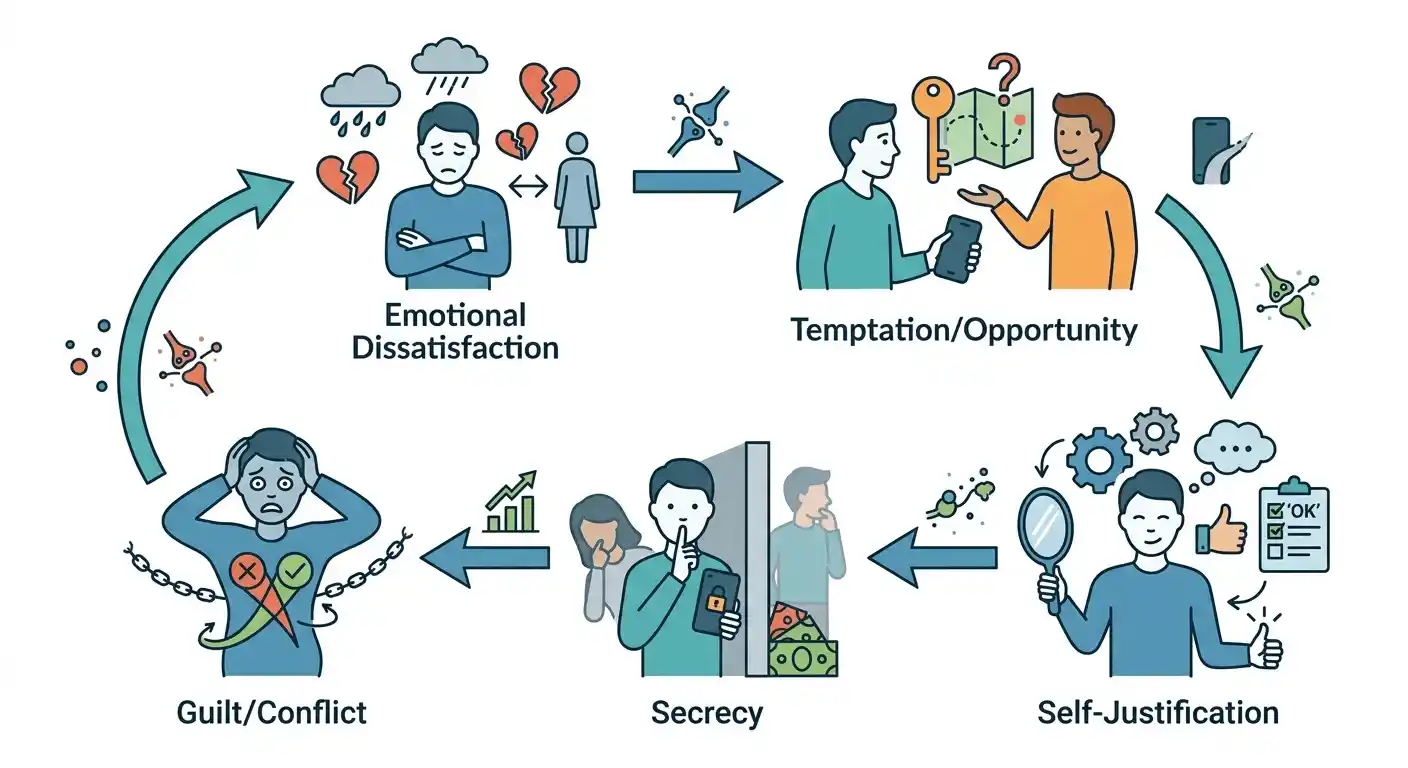
The psychology of cheating involves understanding why someone chooses deception instead of addressing relationship problems directly.
Several psychological mechanisms can contribute:
Self-Justification and Cognitive Biases
People often use cognitive biases to protect their self-image. This may involve:
- Blaming relationship problems entirely on their partner
- Viewing cheating as a temporary exception
- Believing they deserve attention or excitement
This process reduces internal discomfort but prevents honest self-reflection.
Emotional Avoidance
Some individuals cheat because they struggle with uncomfortable emotions such as:
- Loneliness
- Insecurity
- Rejection
- Fear of confrontation
Instead of solving emotional problems through communication, they seek external relief.
Developing emotional presence and better communication skills can help couples address problems before they become deeper relationship issues.
Validation Seeking
External attention can temporarily increase feelings of confidence or desirability. However, relying on outside validation often creates a cycle where the person continues seeking approval rather than developing emotional security.
Common Characteristics of a Cheating Man
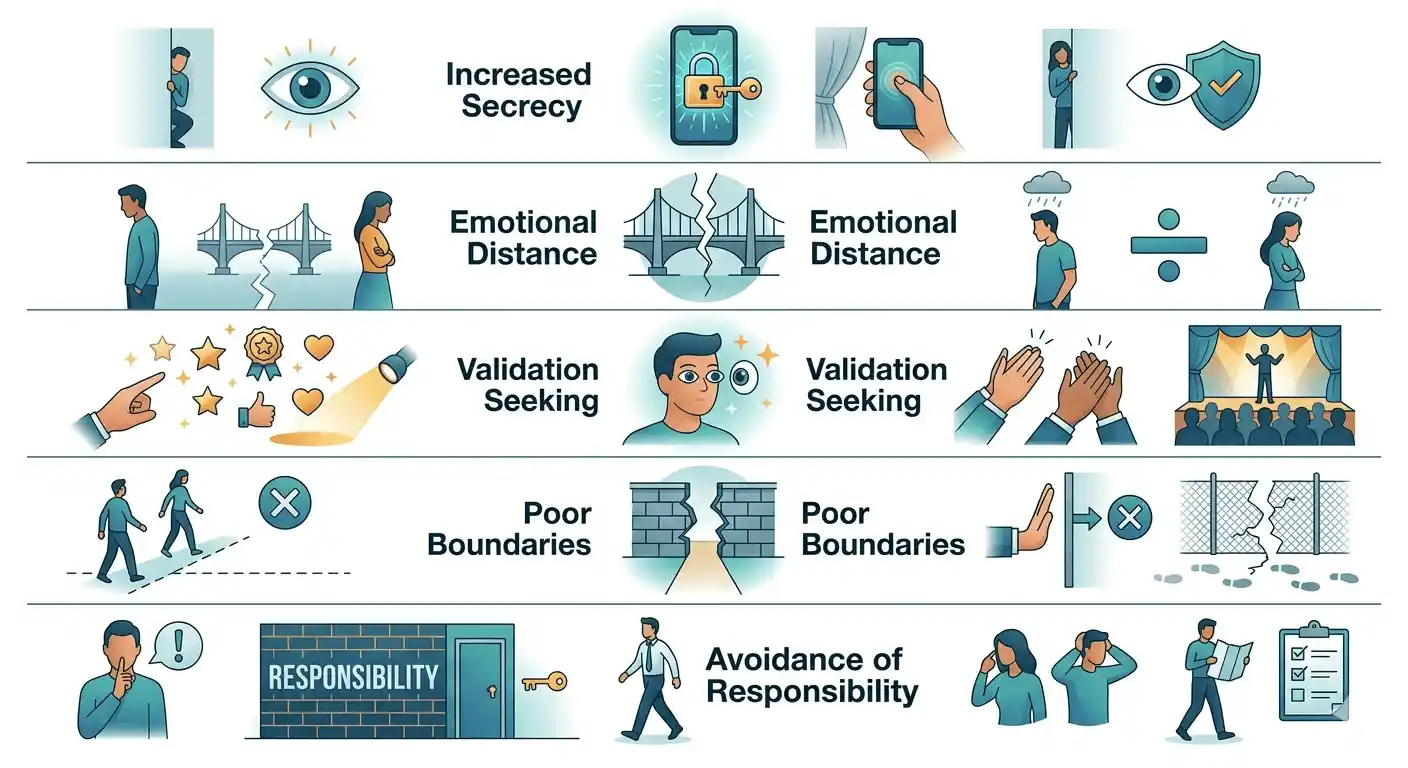
The characteristics of a cheating man are behavioral patterns that may appear in some individuals who engage in infidelity. However, one behavior alone does not prove cheating.
Possible patterns include:
| Behavior | Possible Underlying Pattern |
| Increased secrecy | Avoiding accountability or hiding information |
| Emotional distance | Avoiding relationship discomfort |
| Defensiveness | Difficulty accepting criticism |
| Seeking constant validation | Dependence on external approval |
| Poor boundaries | Difficulty managing temptation |
Common characteristics may include:
- Lack of honest communication
- Difficulty taking responsibility
- Avoiding difficult conversations
- Impulsive decision-making
- Repeated boundary violations
Types of Men Who May Be More Likely to Cheat
Certain behavioral patterns may increase the likelihood of infidelity. These are not fixed personality categories but risk factors.
The Validation-Seeking Person
This person may depend heavily on attention from others to feel valuable.
Possible patterns:
- Strong need for admiration
- Difficulty feeling satisfied internally
- Seeking approval through romantic attention
The Emotionally Avoidant Person
This pattern involves avoiding relationship discomfort instead of resolving problems.
Possible behaviors:
- Avoiding conflict discussions
- Withdrawing emotionally
- Seeking escape from relationship stress
The Impulsive Person
Impulsivity can increase risky decisions because immediate rewards become more important than long-term consequences.
Factors include:
- Poor self-control
- Difficulty delaying gratification
- Acting without considering outcomes
Serial Cheater: Understanding Repeated Infidelity Patterns
A serial cheater is someone who repeatedly engages in cheating behavior despite previous consequences.
A lack of accountability in relationships can prevent meaningful change because the person avoids examining their role in the damage caused
Repeated infidelity may involve:
- A consistent need for external validation
- Lack of accountability
- Poor understanding of relationship boundaries
- Avoidance of personal growth
A repeated pattern often requires deeper behavioral change, not only apologies or promises.
Meaningful change usually requires:
- Honest self-examination
- Understanding personal triggers
- Developing healthier coping methods
- Consistent accountability
Signs and Behaviors Often Associated With Cheating Patterns
Certain changes may indicate relationship problems, but they should not automatically be interpreted as proof of cheating.
Common behaviors associated with possible infidelity patterns include:
- Increased privacy around devices
- Sudden emotional withdrawal
- Changes in routine without explanation
- Reduced relationship effort
- Defensive communication
Understanding behavior patterns is more useful than focusing only on individual signs because context matters.
How Cheating Affects the Cheater Psychologically
Cheating can create psychological consequences for the person who commits it.
Possible effects include:
- Guilt and emotional stress
- Fear of discovery
- Conflict between values and actions
- Loss of trust within the relationship
- Difficulty maintaining honesty
The emotional burden often increases because maintaining deception requires continued mental effort.
Motivation vs Accountability: Why People Cheat but Still Want Relationships
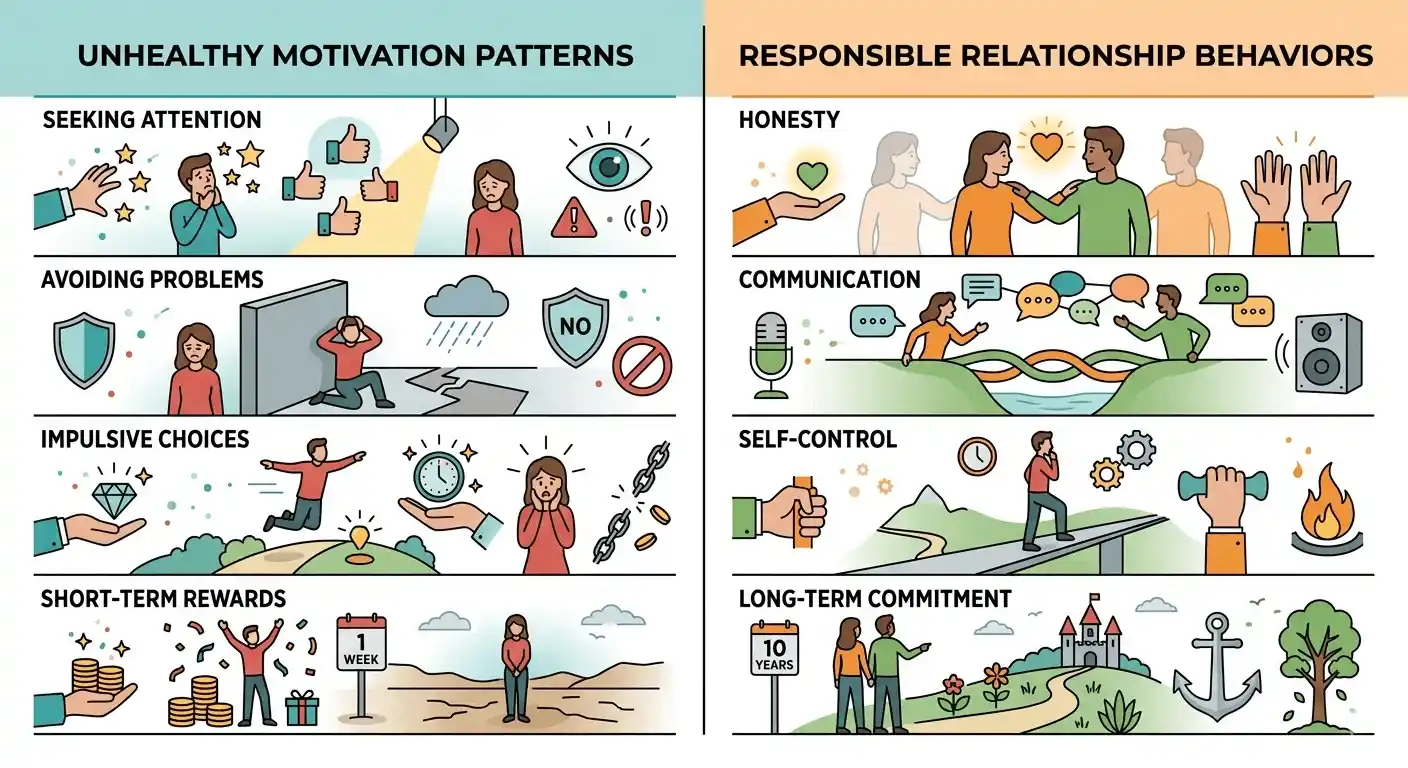
Wanting a relationship and having the skills to maintain one are different.
| Motivation | Accountability |
| Seeking emotional satisfaction | Accepting responsibility |
| Wanting excitement | Managing impulses |
| Avoiding discomfort | Communicating honestly |
| Protecting self-image | Facing consequences |
A person may desire commitment while lacking the emotional skills required for healthy commitment.
Common Reasons People Struggle to Understand Cheating Behavior
People often struggle to understand infidelity because it creates emotional contradictions.
Common difficulties include:
- Trying to find a simple explanation
- Believing love should automatically prevent betrayal
- Searching for certainty after emotional pain
- Confusing attraction with action
Understanding psychological patterns can provide clarity, but it does not remove responsibility from the person who made the choice.
Common Myths About the Mindset of a Cheating Man
Myth: Every Cheater Does Not Care About Their Partner
Reality: Some people may have emotional attachment while still making harmful choices.
Myth: Cheating Only Happens Because a Relationship Is Bad
Reality: Personal values, emotional skills, and individual choices also influence behavior.
Myth: People Cannot Change After Cheating
Reality: Change is possible when someone accepts responsibility and consistently changes behavior.
Practical Ways to Respond After Discovering Cheating
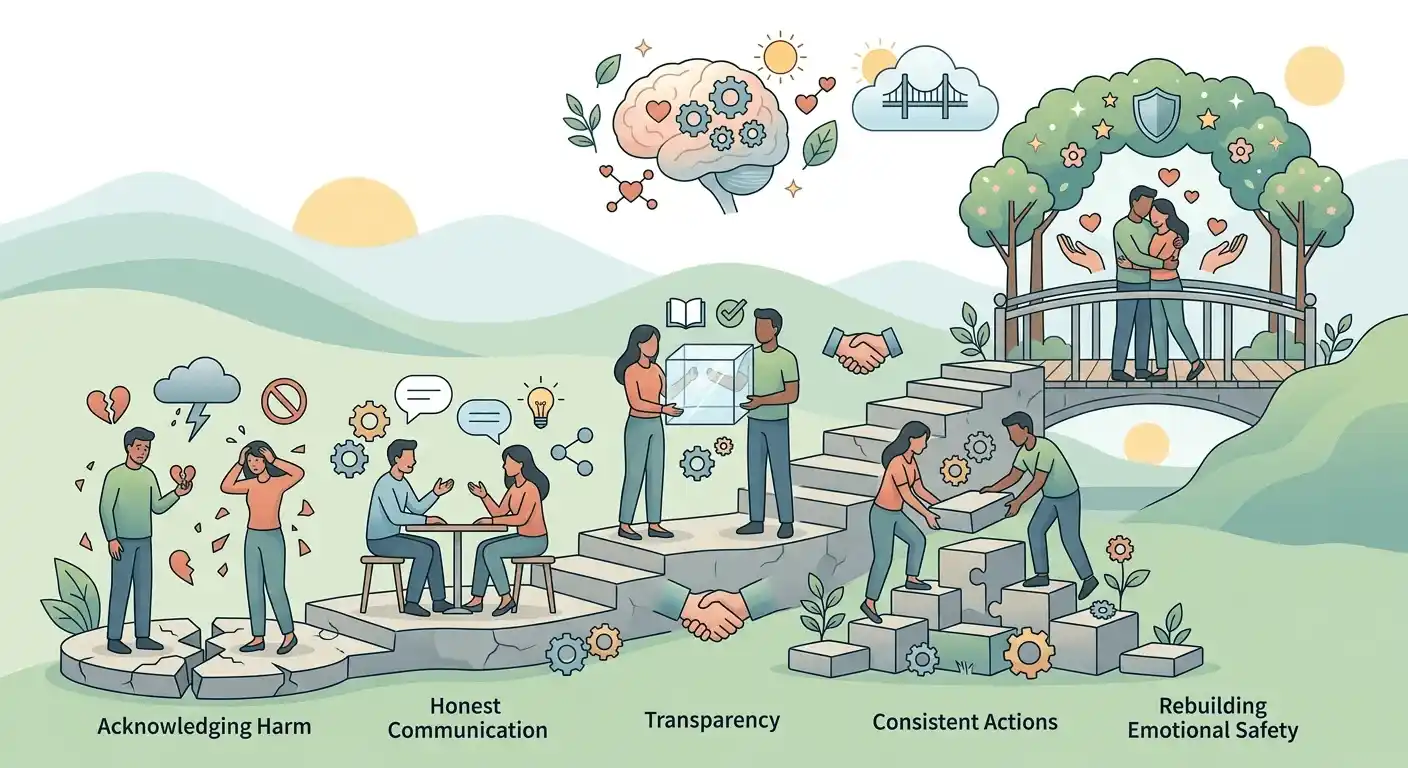
After discovering infidelity, practical decision-making is more effective than reacting only through emotion.
Helpful steps include:
- Allow time to process emotions
- Identify personal boundaries
- Evaluate actions instead of promises
- Consider whether trust can realistically be rebuilt
- Focus on personal emotional recovery
Healthy decisions require clarity, not pressure.
Conclusion
The mindset of a cheating man involves psychological patterns, emotional needs, personal beliefs, and behavioral choices. The psychology of cheating shows that infidelity often develops through a combination of poor boundaries, avoidance, validation seeking, and ineffective coping strategies.
Understanding these patterns can help people recognize unhealthy relationship dynamics and make informed decisions. The most important factor is accountability: lasting change requires awareness, responsibility, and consistent action.
Frequently Asked Questions
1. What is the mentality of a cheater?
The mentality of a cheater often involves self-justification, emotional avoidance, and difficulty accepting the consequences of harmful choices.
2. What are the characteristics of a cheating man?
Common characteristics may include secrecy, poor boundaries, dishonesty, emotional avoidance, and difficulty taking responsibility.
3. Why do some men become serial cheaters?
Some men become serial cheaters because repeated patterns of validation seeking, impulsivity, or lack of accountability remain unresolved.
4. What is the psychology of cheating and lying?
The psychology of cheating and lying involves processes such as rationalization, avoiding discomfort, protecting self-image, and minimizing consequences.
5. Can a relationship survive after cheating?
A relationship can survive after cheating when both partners address the causes, rebuild trust gradually, and the person who cheated demonstrates genuine accountability.
6. Why do people cheat even when they love their partner?
People may cheat despite loving their partner because emotions alone do not guarantee healthy decision-making, self-control, or relationship skills.